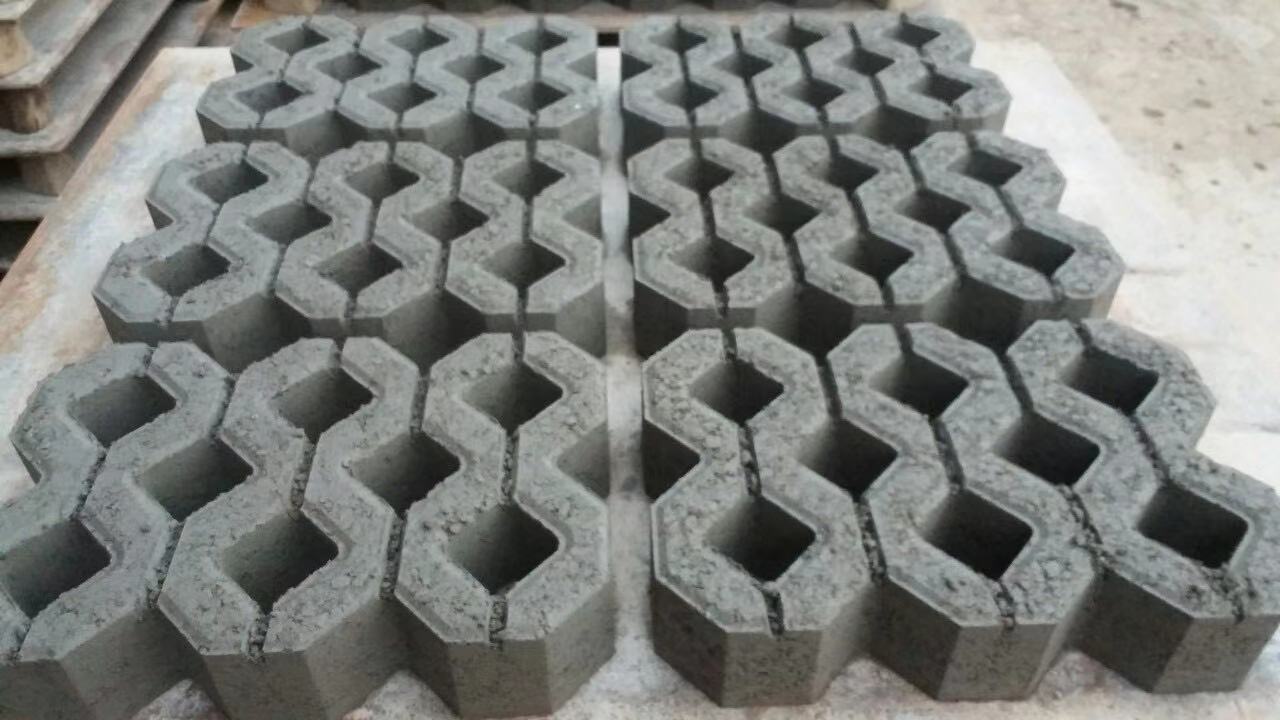
A stable concrete block production line is not judged by one successful machine cycle. It is judged by whether the line can repeat batching, mixing, feeding, forming, demoulding, pallet transfer, stacking, curing, and block handling throughout the working day. Many production problems are small at first, but they become costly when they repeat every cycle.
Daily stability depends on several connected systems: aggregate batching, cement and water dosing, mixer discharge, host machine movement, mould condition, vibration setting, pallet quality, stacker alignment, curing yard flow, electrical control, hydraulic pressure, and operator habits. A buyer should review these systems before ordering and continue checking them during operation.
Stable material feeding and mixing
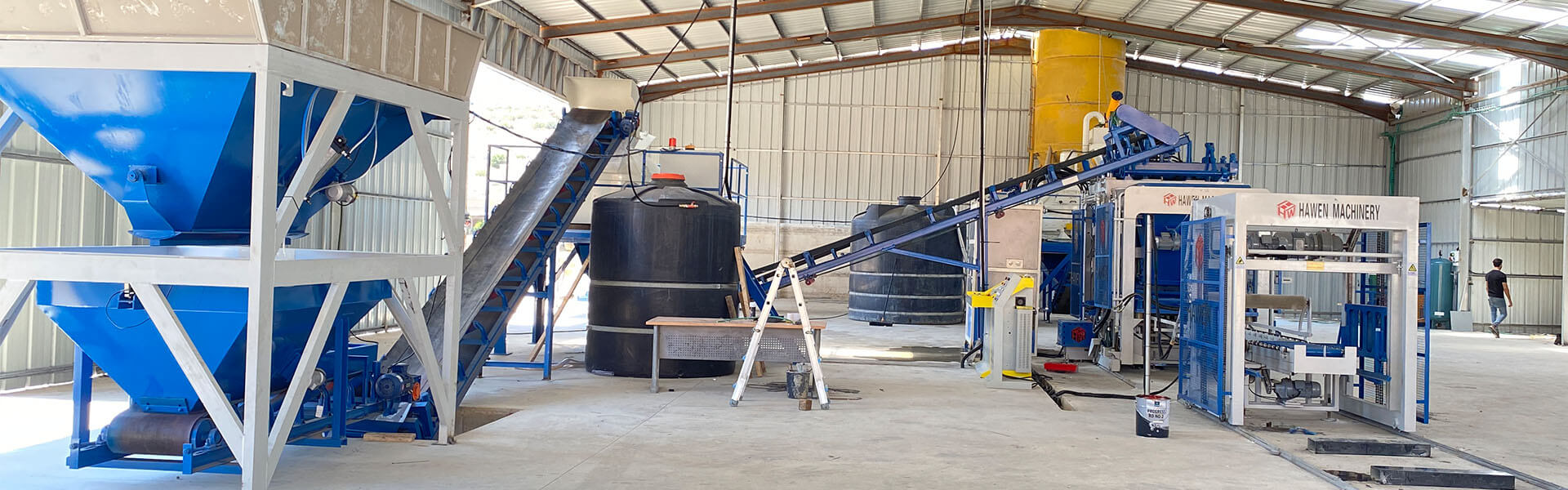
Material stability starts from aggregate storage and batching. Sand, stone powder, crushed stone, fly ash, cement, and water should enter the mixer in repeatable proportions. If sand moisture changes or aggregate grading is unstable, the same recipe may produce different block results. Operators should observe material condition instead of relying only on fixed water time.
The mixer should produce semi-dry concrete suitable for immediate demoulding. If the mix is too wet, blocks may deform after leaving the mould. If the mix is too dry, corners may break and surface density may be poor. Mixer blades, liner plates, discharge gate, belt conveyor, and hopper feeding should be checked as part of daily operation.
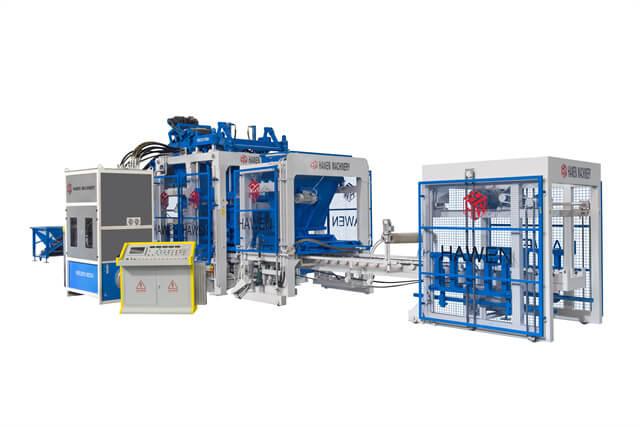
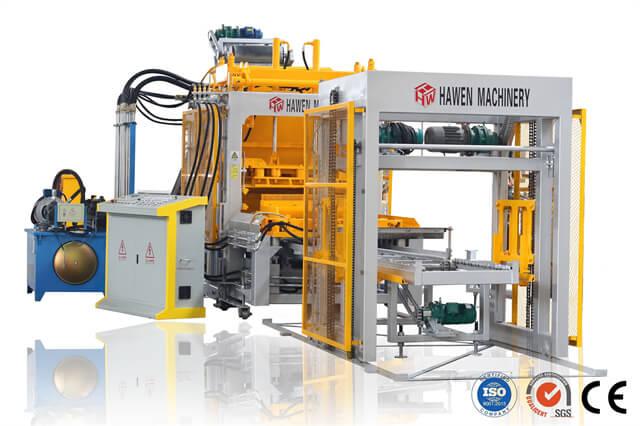
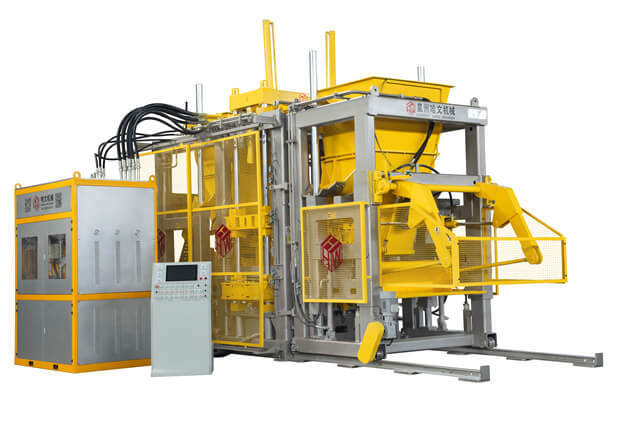
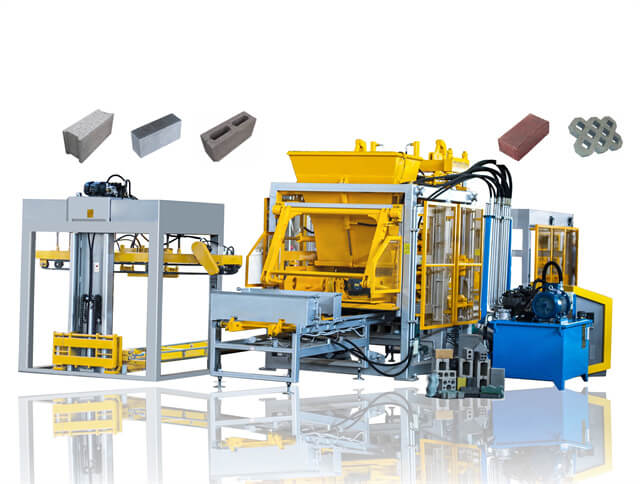
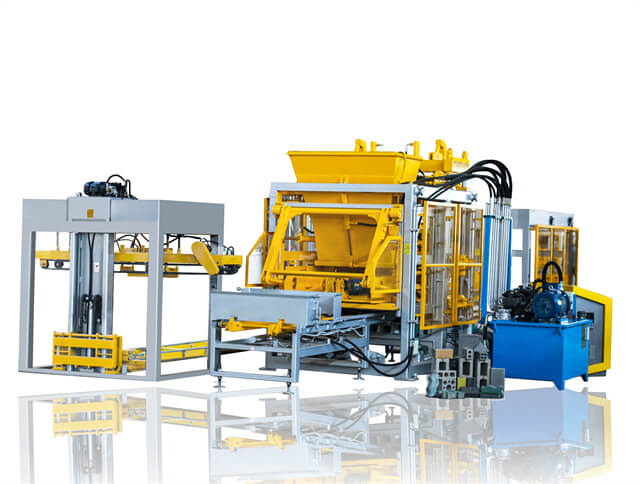
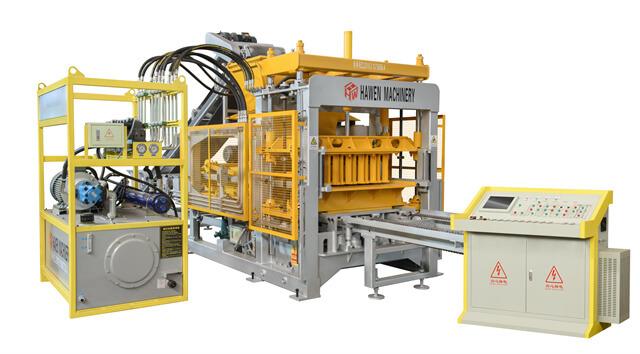
When reviewing a QT8 automatic concrete paver fly ash brick making machine, buyers should pay attention to the full feeding route. The host machine can only perform well when the batching and mixing system supplies consistent material.
Machine cycle, mould, and vibration control
The host machine must repeat the same movement accurately. Material feeding, vibration, pressing, demoulding, and pallet transfer should happen in the correct sequence. If timing changes or sensors are unstable, block height and shape may become inconsistent. Buyers should request repeated-cycle video during pre-shipment testing and observe several cycles during installation acceptance.
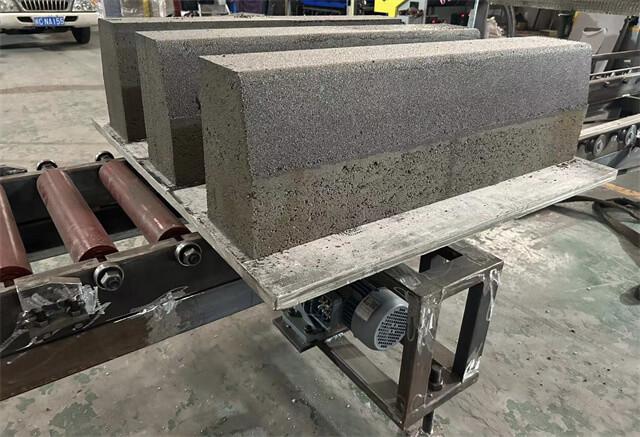
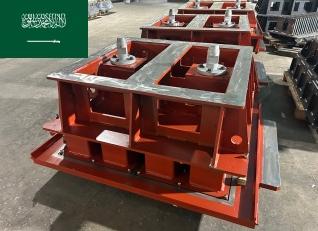
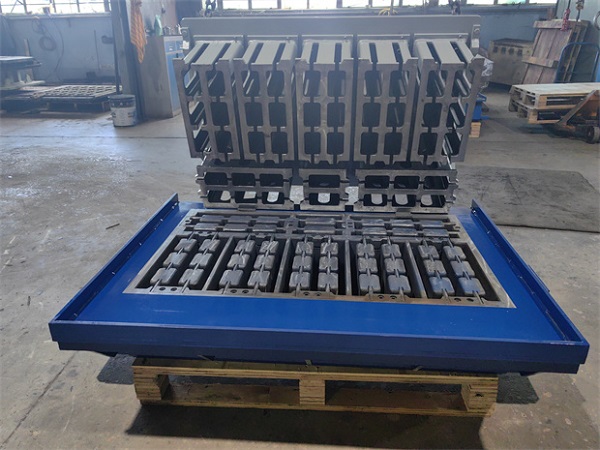
Mould condition also affects stability. Loose bolts, worn mould edges, dirty cavities, or poor alignment can create defects even when the machine is strong. Hollow blocks need stable web thickness. Pavers need surface quality and edge sharpness. Kerbstones need enough compaction and careful handling because they are heavier.
Vibration settings should match the product and material. More vibration is not always better. Excessive vibration may affect surface finish or cause segregation, while insufficient vibration may reduce block density. Operators should record settings when producing different products so stable results can be repeated.
Pallet, stacker, and curing yard coordination
Pallet circulation is a major factor in production stability. Each fresh block leaves on a pallet. If pallets are warped, dirty, damaged, or insufficient, the machine may stop or produce uneven blocks. Pallet material should match product weight, climate, curing method, and stacker handling.
The stacker must lift and move green blocks without shifting them. Stack height should match pallet strength and product weight. A high stack saves space, but it can increase risk if pallets bend or blocks are still weak. Operators should check stack alignment during continuous running, not only during the first cycle.

The curing yard should allow smooth green block movement, cured block return, and finished block loading. A real operation observation is that forklift traffic often decides whether daily output is stable. If the forklift route is narrow or crosses aggregate loading repeatedly, the line may wait even when the machine itself has no fault.
Daily operation review table
| Operation point | Daily check | Possible problem |
|---|
| Aggregate moisture | Observe sand and adjust water when needed. | Blocks become too wet, too dry, or inconsistent. |
| Mixer discharge | Check blade wear, discharge gate, and feeding rhythm. | Host machine waits or receives uneven material. |
| Mould condition | Inspect bolts, cavity cleanliness, and wear edges. | Block size and edge quality become unstable. |
| Pallet and stacker | Check pallet flatness, stack alignment, and lifting movement. | Fresh blocks shift, crack, or stop the line. |
FAQ
Why does production become unstable after several hours?
Common reasons include changing aggregate moisture, mixer wear, material buildup in the mould, pallet shortage, operator setting changes, or curing yard traffic delay.
Should operators record production settings?
Yes. Recording recipe, water adjustment, vibration time, mould used, and product result helps repeat stable production and solve defects faster.
Can stable output be judged by one test cycle?
No. Buyers should observe repeated cycles and continuous operation because many problems only appear after the line runs for some time.
Conclusion
Stable concrete block production depends on material control, machine repeatability, mould condition, vibration setting, pallet quality, stacker alignment, curing yard flow, and operator discipline. Buyers should review these factors before purchase and use daily records after installation. The next step is to build a simple operation checklist so defects can be traced to material, machine setting, mould, pallet handling, or curing practice.





 Tel: +86-13905968794
 Email: export@hwmachines.com
 MP/WhatsApp: +86-13905968794
 Manufacturer Address:Nanan,Quanzhou City,Fujian Province,China