In a concrete block machine, vibration is useful only when it reaches the concrete mix inside the mould in a controlled way. If too much vibration energy is lost into the machine frame, foundation, side plates, bolts, hydraulic structure, or non-forming parts, the motor power may be high but the real compaction effect inside the mould can still be limited. This is why the design of the vibration table is important. A well-designed dynamic-static vibration table helps concentrate vibration force where it is needed: the pallet, mould, and concrete material.
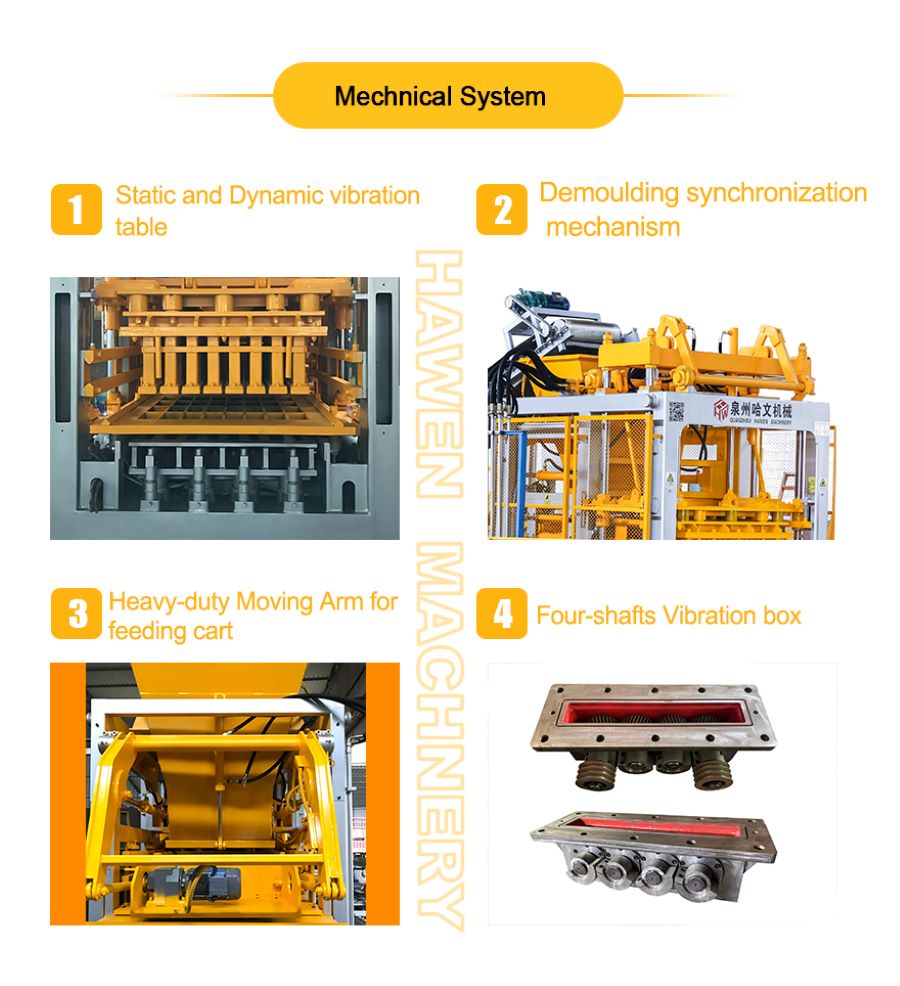
The phrase dynamic-static vibration table describes a structural idea rather than a single universal component name. The dynamic part is the section that actively vibrates and transfers energy to the pallet and mould. The static part is the supporting structure that should remain comparatively stable, carry machine loads, hold alignment, and protect other systems from unnecessary vibration. When these two functions are separated properly, the block making machine can compact concrete more efficiently while reducing long-term fatigue on the main frame.
This article explains why dynamic-static vibration table design is helpful for vibration force concentration and long-term machine stability. It also discusses how buyers can evaluate this structure when comparing ordinary table vibration machines, four-shaft vibration box machines, and servo vibration machines. The goal is not to claim that one term alone guarantees quality. The real value depends on the complete mechanical design, vibration box or servo vibrator layout, pallet support, mould matching, frame rigidity, and maintenance practice.
Dynamic-static vibration table concept
A concrete block machine must perform two different jobs at the same time. It must vibrate strongly enough to compact semi-dry concrete, and it must keep the machine structure stable enough for precise mould movement, tamper head pressing, pallet positioning, and long service life. These two jobs are partly opposite. Strong vibration is good for compaction, but uncontrolled vibration is harmful to mechanical stability.
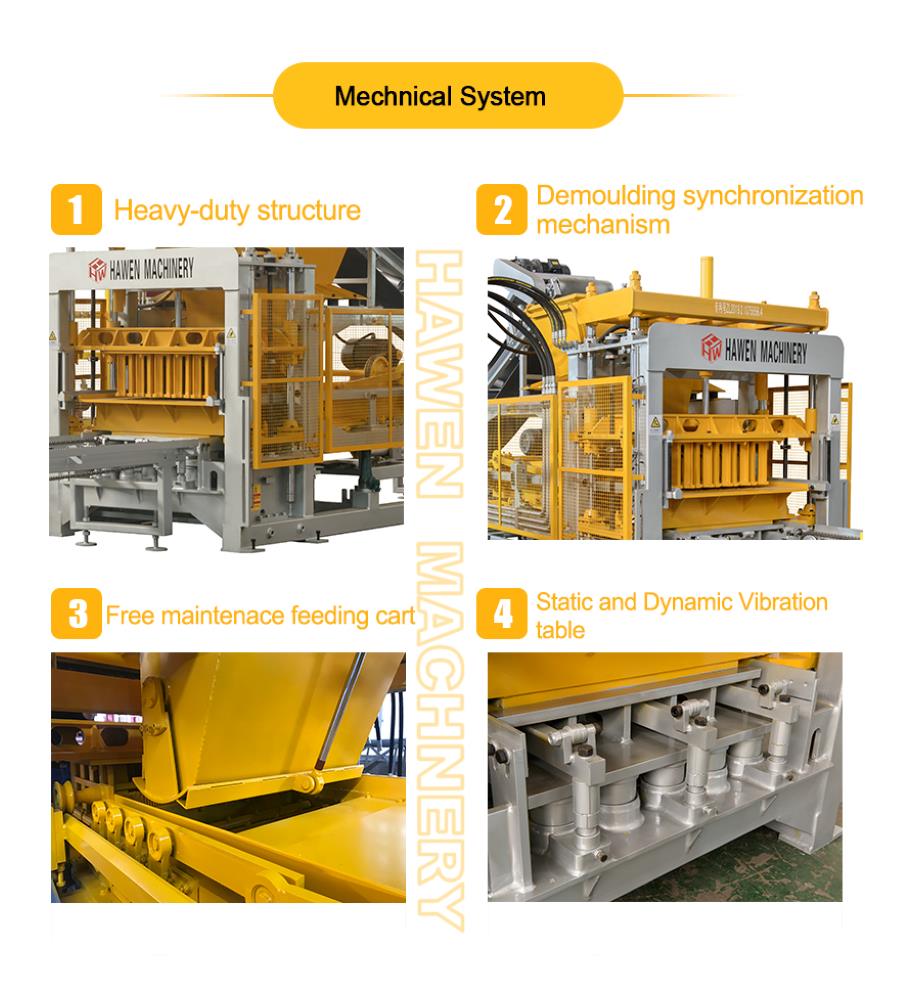
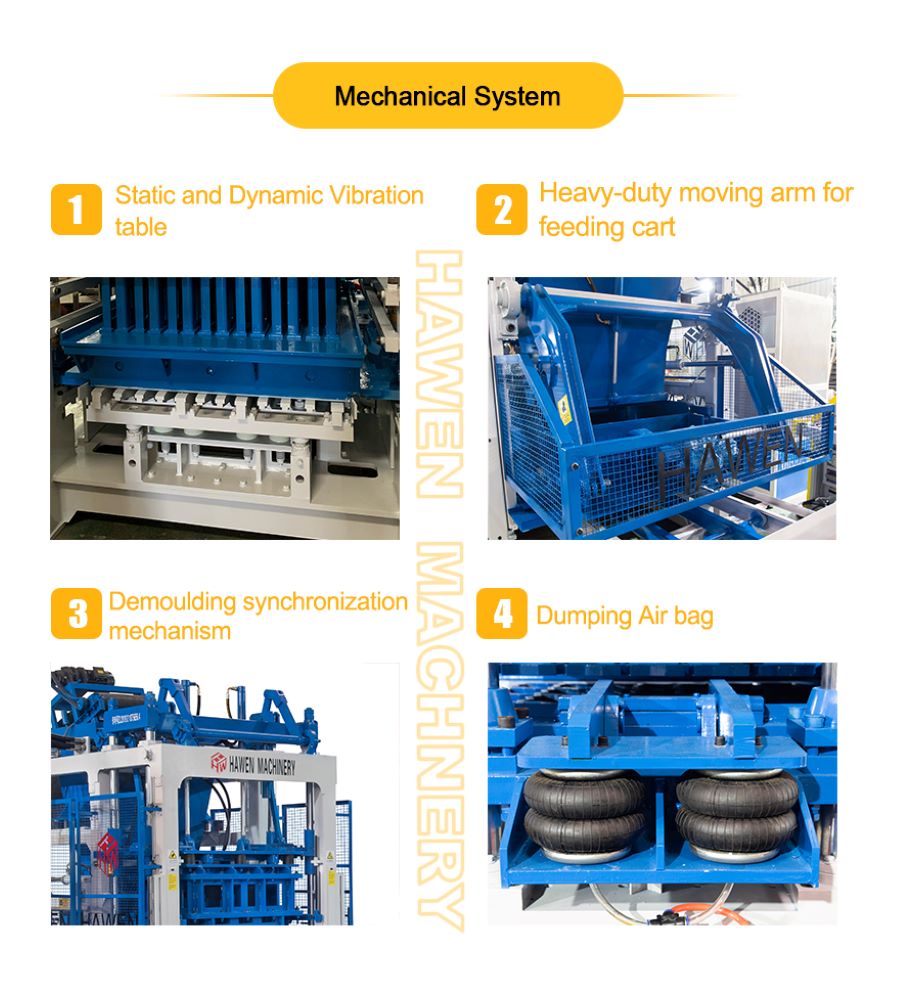
The dynamic-static vibration table concept solves this conflict by separating the vibrating working body from the main static support as much as practical. The dynamic body receives vibration from the vibration motors, eccentric shafts, servo vibration units, or vibration box. The static frame supports the machine, guides moving parts, and keeps the overall geometry stable. Between them, the design may include elastic support, optimized contact surfaces, heavy frame mass, guide structures, or specific vibration transmission paths.
In simple words, the machine should allow the vibration table to vibrate efficiently while preventing the whole machine from becoming an uncontrolled vibrating object. The more clearly the vibration path is designed, the less energy is wasted. This improves forming efficiency and reduces stress on parts that should not participate strongly in vibration.
Why vibration force needs a short path to the mould
Vibration energy starts from rotating eccentric masses or servo-driven vibration units. From there, it must travel through mechanical parts before it reaches the concrete mix. Every unnecessary joint, flexible plate, loose bolt, weak support, or misaligned contact surface can consume part of the energy. If the energy path is long and unclear, more vibration enters the frame and less vibration works on the material.
A short and stiff vibration path helps the machine use motor power effectively. The vibration table supports the pallet, the pallet supports the concrete mix from below, and the mould guides the material laterally. When the table, pallet, and mould are in good contact, vibration can mobilize aggregates, reduce internal friction, expel trapped air, and allow hydraulic pressing to reach higher density with less wasted force.
This is why vibration table design should be evaluated together with mould and pallet quality. A strong vibration system cannot perform well if pallets are warped or if the mould does not seat correctly. The previous discussion about vibration box layouts also applies here: whether the machine uses ordinary motors, inverter control, or servo vibration, the final question is how efficiently force reaches the mould area.
Dynamic table and static frame separation
The dynamic table should be free enough to vibrate with the intended amplitude and direction. At the same time, it must remain guided and supported so the pallet does not move randomly. This balance is important. If the dynamic table is too restricted, vibration energy is damped before it reaches the mould. If it is too loose, the pallet may bounce, block height may change, and mechanical wear may increase.
The static frame should resist vibration transmission. Its job is to carry hydraulic pressing loads, feeder movement, mould lifting, tamper head guidance, and electrical or hydraulic equipment. If the static frame vibrates excessively, long-term problems may appear: cracked welds, loose bolts, sensor misalignment, hydraulic pipe fatigue, guide wear, and foundation stress. These failures may develop slowly and first show as unstable product quality rather than visible machine damage.
A good dynamic-static design therefore creates a controlled interface between the vibrating and non-vibrating sections. The interface must allow useful vibration transfer to the pallet while limiting destructive vibration to the frame. This is one reason heavy-duty block machines emphasize reinforced structure, precision welding, stress relief, and stable guide systems.
Force concentration on the mould and pallet
Force concentration does not mean making vibration violent. It means directing vibration energy into the correct working area. In block production, the correct area is the material inside the mould, supported by the pallet and acted on by the tamper head. When vibration is concentrated there, the machine can achieve better compaction without simply increasing motor size or vibration time.
There are several practical signs of good force concentration. Blocks from different positions on the pallet have similar weight. Corners and webs compact well without excessive vibration time. The machine does not shake strongly outside the forming zone. Bolts and covers remain stable. The foundation does not receive severe unnecessary vibration. Operators can adjust vibration time or frequency and see predictable changes in product density.
When force is not concentrated, the opposite symptoms appear. The frame shakes heavily, but blocks still have voids. One side of the pallet compacts better than another. Operators increase vibration time, but surface defects or segregation appear before density becomes uniform. Maintenance teams frequently tighten bolts near non-forming areas. These signs suggest that part of the vibration energy is escaping into the wrong structure.
Long-term stability of the machine frame
Long-term stability is one of the main reasons to use a well-separated dynamic-static vibration structure. Block machines work under repeated impact: feeding, vibration, hydraulic pressing, demoulding, pallet movement, and product transfer repeat thousands of times per day. Even small unnecessary vibration, if transmitted into the wrong parts every cycle, becomes fatigue stress over months and years.
A stable static frame helps maintain alignment. The mould must lift vertically, the tamper head must enter the cavity accurately, the pallet must stop in the correct position, and the feeder must move smoothly. If the frame gradually deforms or guide components wear unevenly, the machine may begin producing height variation, edge damage, or demoulding problems. These problems are expensive because they are not solved by only changing the mix recipe.
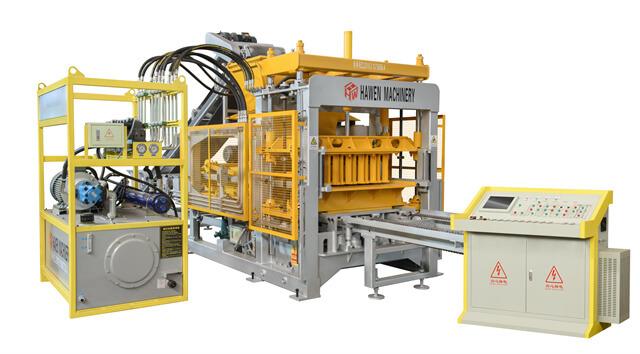
Hawen's long-term stability discussions emphasize reinforced steel structure, balanced vibration technology, hydraulic responsiveness, and intelligent control. The dynamic-static vibration table fits this same engineering logic: vibration should be strong in the forming zone but controlled elsewhere. The result is not only better blocks today, but also lower risk of structural fatigue after continuous production.
Effects on block density and height consistency
Density consistency depends on material quality, moisture, filling, vibration, pressing, pallet condition, and curing. The vibration table influences density because it affects how uniformly the material inside each cavity receives energy. If vibration is concentrated and evenly distributed, aggregates can rearrange more consistently, voids reduce more evenly, and the tamper head can press from a more stable base.
Height consistency also benefits from controlled vibration. If the pallet bounces or the table vibrates irregularly, effective mould closing and pressing conditions can vary. Some blocks may become slightly taller, shorter, lighter, or rougher than others. In a high-output machine such as a QT12 hydraulic hollow block production line, small variation can affect many blocks per cycle because the pallet and mould area are larger.
For pavers and kerbstones, force concentration is especially important. These products often require high density, sharp edges, controlled surface quality, and predictable height. Excessive vibration outside the mould does not help those requirements. The useful vibration is the vibration that improves the concrete inside the cavities while keeping the forming structure stable.
Comparison table for vibration table design
| Evaluation point | Poor vibration table separation | Good dynamic-static vibration table design |
|---|
| Energy path | Vibration spreads into frame, covers, foundation, and non-forming parts. | Vibration is directed mainly to the pallet, mould, and concrete mix. |
| Compaction result | High motor power may still produce uneven density across the pallet. | More useful energy reaches the material, improving density repeatability. |
| Machine stress | Bolts, welds, guides, pipes, and sensors receive unnecessary vibration fatigue. | Static structure remains more stable, supporting longer service life. |
| Adjustment behavior | Changing vibration time or frequency gives unpredictable product response. | Recipe changes show clearer effects on block density and surface condition. |
| Maintenance pattern | Frequent tightening, abnormal noise, guide wear, and frame vibration complaints. | Maintenance focuses more on normal wear parts and scheduled inspection. |
Buyer checkpoints before ordering
Before ordering a machine, buyers should ask the supplier to explain the vibration table structure. The answer should show which section is vibrating, which section is static, how the vibration box or servo vibration units are mounted, and how the pallet contacts the table. If the explanation only mentions motor power, it is not enough. Motor power does not prove that vibration energy is efficiently concentrated.
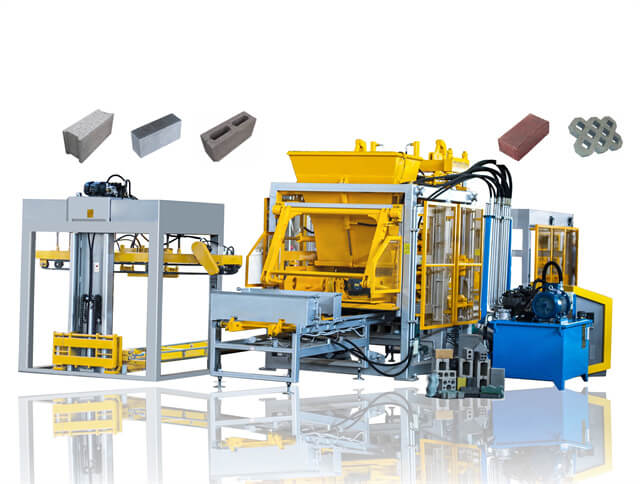
Ask whether the machine uses table vibration, four-shaft vibration box, servo vibration, or a hybrid structure. Machines such as the QT6 cement paver brick production machine are described with table vibration, while larger servo models may use servo-controlled vibration systems. The buyer should compare not only labels, but also the actual force path from eccentric source to mould.
Buyers should also request loaded test videos or sample block data. Empty-machine vibration can look strong, but the real question is how the machine behaves with material, pallet, mould, and hydraulic pressing. Check whether block weight is consistent across the pallet, whether surface finish is uniform, whether the machine frame shakes excessively, and whether there are abnormal noises around the vibration table.
Maintenance access should be reviewed. A dynamic-static vibration table still needs bearing inspection, bolt checks, guide cleaning, eccentric block inspection, vibration motor maintenance, and pallet support inspection. Good design reduces harmful stress, but it does not remove the need for preventive maintenance. The guide on vibration box maintenance is a useful reference for routine checks around vibration components.
FAQ
What does dynamic-static vibration table mean in a block machine?
It means the vibrating working section and the main static support structure are functionally separated. The dynamic section transfers vibration to the pallet and mould, while the static frame stays comparatively stable to protect alignment and long-term durability.
Does this design increase block strength directly?
It supports strength by improving vibration efficiency and density consistency. Final strength still depends on cement content, aggregate grading, moisture, pressing force, curing, and mould condition.
Is servo vibration the same as dynamic-static vibration table design?
No. Servo vibration describes motor and control technology. Dynamic-static vibration table design describes how vibration force is structurally directed and isolated. A machine may use ordinary motors, inverter control, or servo control with different table structures.
How can I judge whether vibration is concentrated well?
Check block weight distribution across the pallet, surface consistency, frame shaking, abnormal noise, bolt loosening frequency, and whether vibration setting changes produce predictable block quality changes.
Conclusion
A dynamic-static vibration table is valuable because it separates two critical functions: strong vibration for concrete compaction and stable support for long-term machine accuracy. By allowing the dynamic table to transmit useful energy to the pallet, mould, and concrete mix while keeping the static frame comparatively stable, the machine can concentrate vibration force where it creates real product value.
This design helps improve density repeatability, block height consistency, surface quality, and forming efficiency. It also supports long-term stability by reducing unnecessary fatigue on the frame, guides, bolts, hydraulic pipes, sensors, and foundation. For buyers, the next step is to ask for the actual vibration table layout, vibration source, force path, loaded test results, and maintenance access. When dynamic table design, static frame rigidity, mould contact, pallet quality, vibration control, and hydraulic pressing are matched correctly, the block machine can produce stable blocks while protecting itself during years of continuous operation.





 Tel: +86-13905968794
 Email: export@hwmachines.com
 MP/WhatsApp: +86-13905968794
 Manufacturer Address:Nanan,Quanzhou City,Fujian Province,China