Curing yard planning is one of the most important checks before buying an automatic concrete block plant. Many buyers compare machine capacity first, but real daily output depends on whether fresh blocks can be moved, stacked, cured, and returned for unloading without blocking the host machine. If the curing yard is too small or poorly arranged, even a high-output machine may wait for empty pallets or forklift access.
A curing yard is not simply open ground. It is part of the production system. It must support green block storage, pallet stacking, moisture control, forklift movement, cured block return, pallet recovery, and finished block loading. The correct yard size depends on product type, daily output, curing time, pallet quantity, stack height, climate, and labor method.

Why curing yard planning affects real output
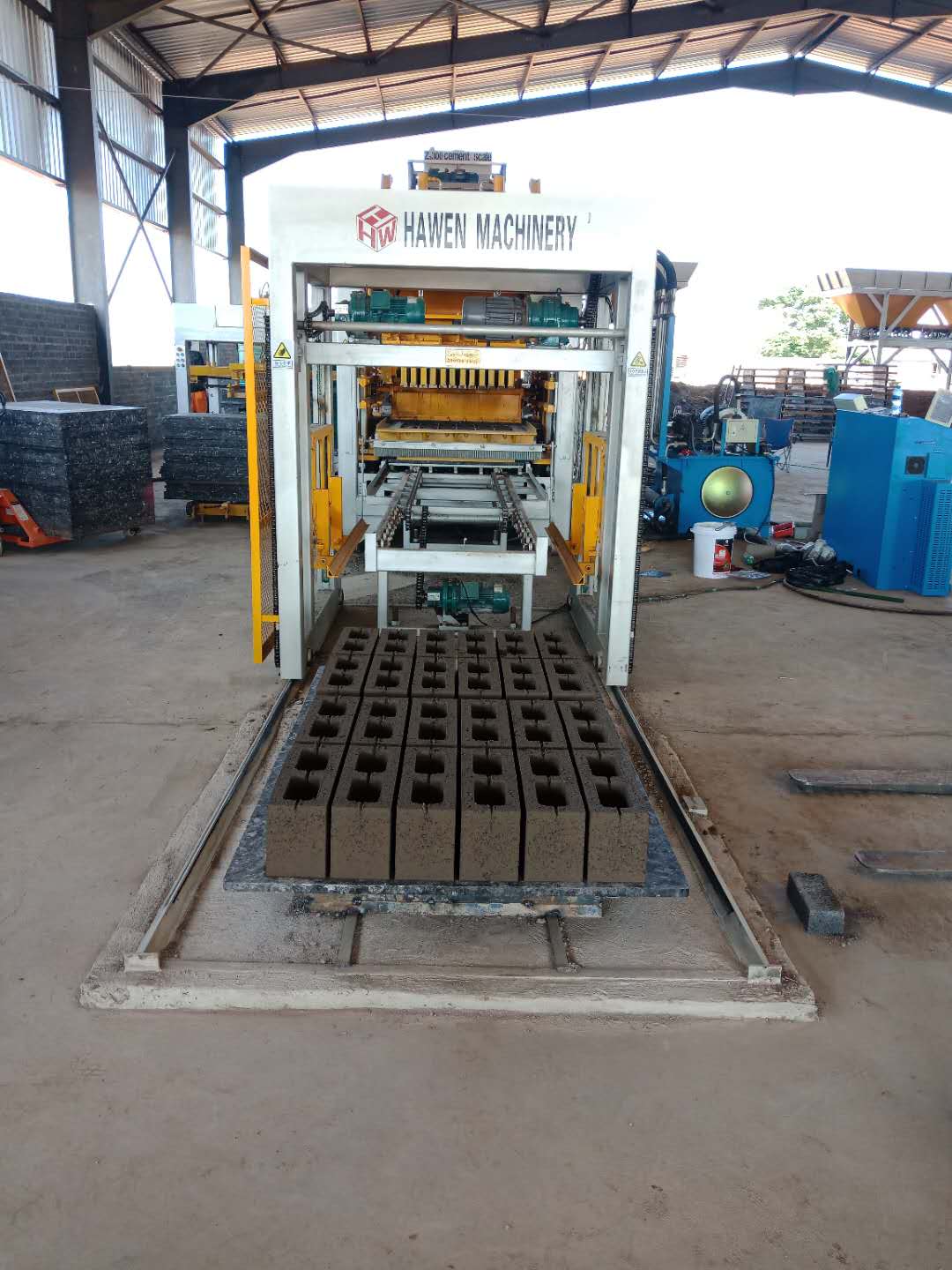
Concrete blocks leave the machine as green products. They must remain stable on pallets until they gain enough early strength for handling. If the buyer only calculates pieces per hour and ignores curing time, the plant may run out of storage space before the shift ends. This is common when buyers upgrade from semi-automatic production to automatic production without expanding the yard.
The curing yard must be planned together with the host machine. A QT8-15 or QT10-15 line can form products continuously, but every pallet needs a place to stay during curing. The buyer should estimate how many pallets will be occupied at the same time. This calculation should include one-shift or two-shift operation, product height, stack height, and curing days.
Weather also matters. In hot and dry areas, blocks may lose moisture too quickly. In rainy areas, water protection and drainage become important. Indoor curing improves control but increases building cost. Outdoor curing is common, but it requires clear ground level, drainage, and safe forklift movement.
Pallet quantity, stack height, and curing time
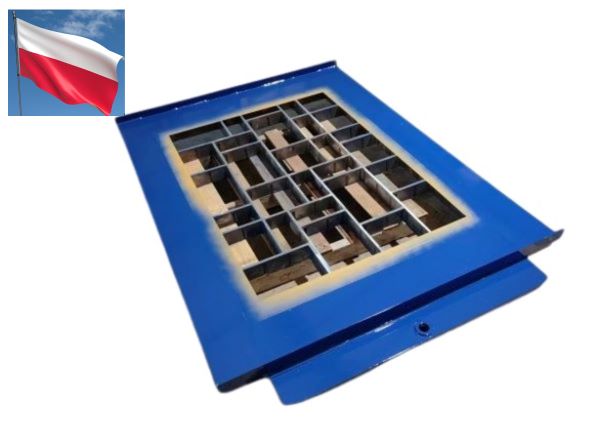
Pallet quantity is directly connected with curing yard size. Each machine cycle uses one pallet. If the pallet returns only after curing, the buyer needs enough pallets for all green products produced during the curing period. If cured blocks are removed quickly and pallets return efficiently, the required number may be lower. The supplier should calculate pallet quantity based on the actual machine model and product size.
Stack height should be selected carefully. Higher stacks save space, but they increase load on pallets and fresh blocks. Hollow blocks may tolerate different stacking conditions from kerbstones or heavy solid blocks. If pallets bend or green blocks shift during lifting, high stacking can damage products. A good acceptance test should observe several stacked pallets after continuous running.
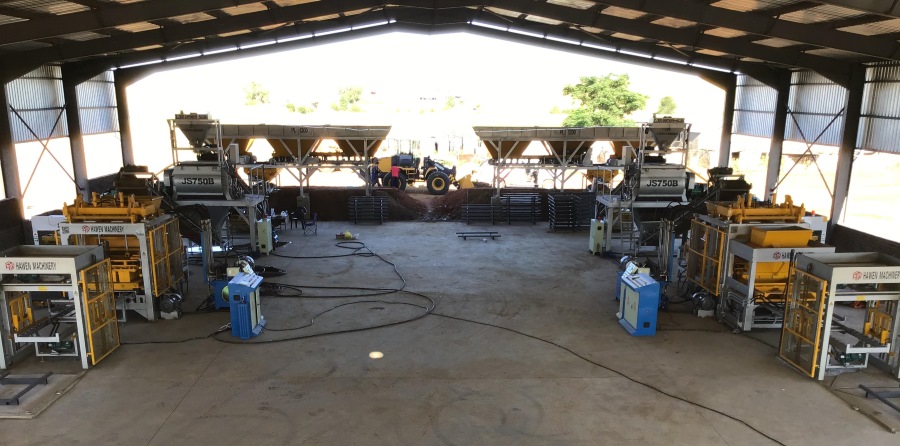
Forklift routes and finished block loading
Forklift routes should be separated from aggregate loading and finished block truck loading whenever possible. If the forklift that removes green blocks crosses the loader path repeatedly, production becomes slower and less safe. The buyer should draw routes for green block movement, cured block return, empty pallet return, raw material feeding, and finished block shipment.
A practical layout observation is that narrow turning areas create hidden delays. The machine may be ready, but the forklift cannot enter because another vehicle is loading finished blocks. This is not a machine failure, but it reduces daily output. For this reason, curing yard planning should include vehicle movement, not only block storage area.
Finished block loading also affects yard planning. Blocks may be sold loose, strapped, cubed, or stacked for truck delivery. If an offline cuber is used, cured blocks must return to the cuber area. If manual loading is used, labor space and pallet return should be included. Buyers should decide the finished product handling method before confirming the plant layout.
Curing yard review table
| Review point | What to check | Risk if ignored |
|---|
| Pallet quantity | Calculate from cycle time, curing period, product size, and working hours. | The machine may stop because no empty pallets are available. |
| Stack height | Match stack height with pallet strength and product weight. | Fresh blocks may shift, crack, or deform during movement. |
| Forklift route | Separate green block movement from aggregate loading and shipment. | Traffic conflicts reduce output and safety. |
| Curing condition | Check drainage, sun exposure, rain protection, and moisture control. | Blocks may cure unevenly or lose early strength. |
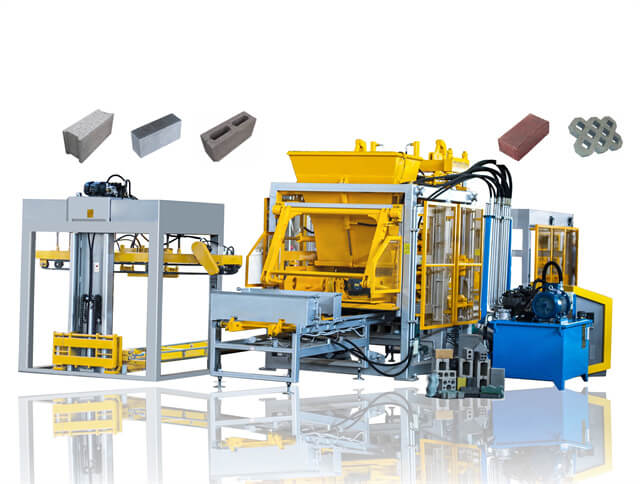
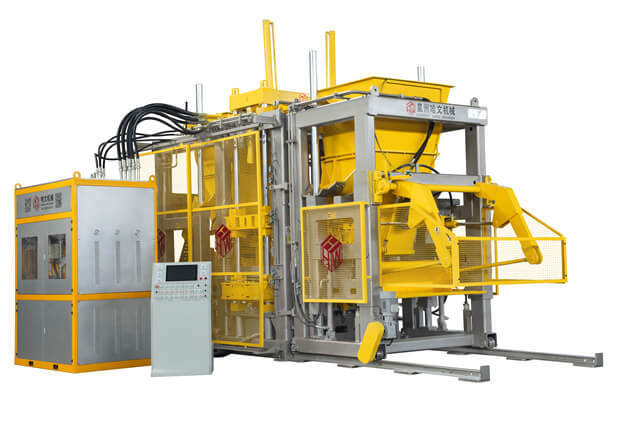
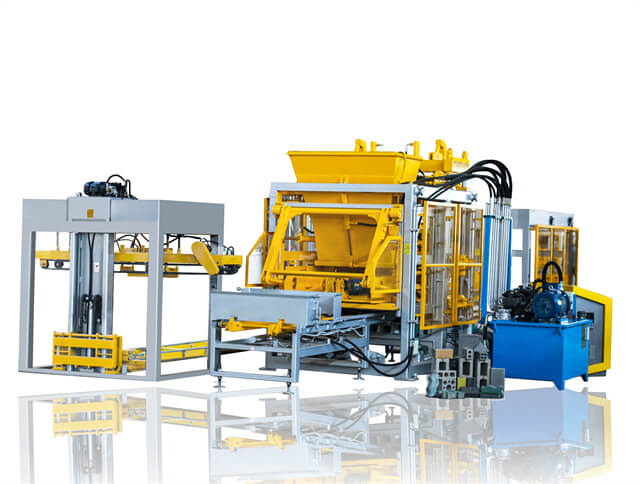
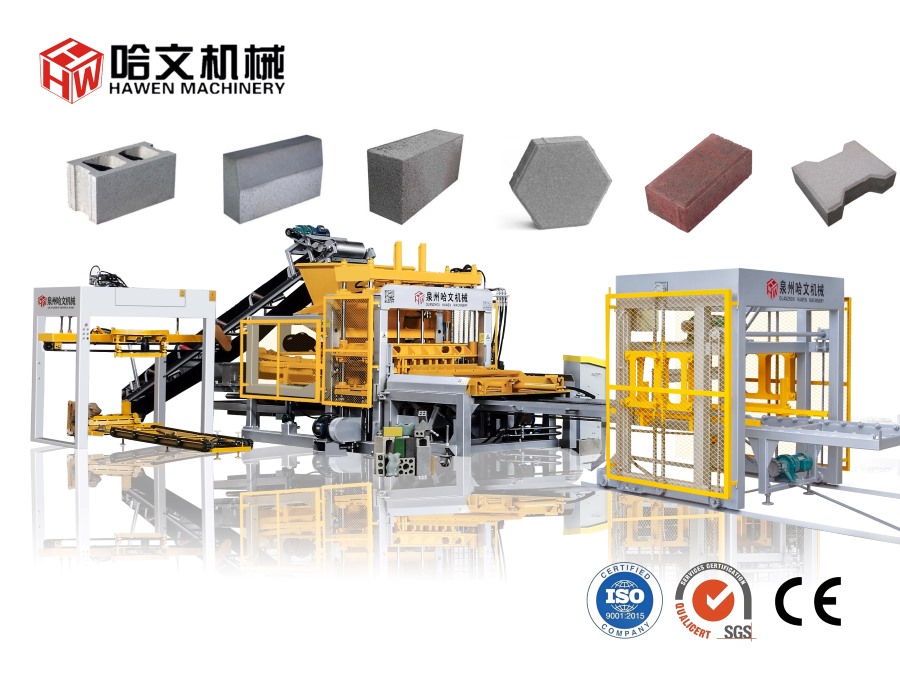
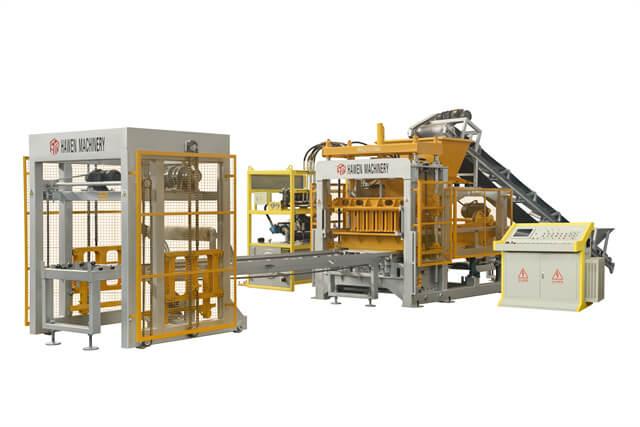
When reviewing a QT8 automatic concrete paver fly ash brick making machine, buyers should ask for pallet circulation calculation together with machine capacity. This makes the quotation more useful for real site planning.
FAQ
Can a high-output machine work in a small curing yard?
Only if pallet return and block removal are very efficient. In most cases, limited curing space will reduce the usable output of a high-capacity machine.
Is outdoor curing acceptable?
Yes, outdoor curing is common, but the buyer should plan drainage, ground level, sun protection, rain protection, and safe forklift movement.
Should pallet quantity be decided by the supplier?
The supplier can calculate a recommendation, but the buyer should confirm local curing time, working hours, stack height, and product mix before approving the number.
Conclusion
Curing yard planning decides whether an automatic concrete block plant can use its rated capacity. Buyers should calculate pallet quantity, curing time, stack height, forklift routes, drainage, and finished block loading before ordering equipment. The next step is to compare the proposed machine output with the real curing yard layout and adjust the configuration if the site cannot support continuous production.





 Tel: +86-13905968794
 Email: export@hwmachines.com
 MP/WhatsApp: +86-13905968794
 Manufacturer Address:Nanan,Quanzhou City,Fujian Province,China