This article explains hydraulic and electrical control checks for automatic block machinesfrom a buyer decision perspective. The key terms are hydraulic station, oil pump, cylindermovement, vibration box, PLC control cabinet, sensors, emergency stops, operator training.The purpose is to help purchasers review an automatic concrete block machine or concreteblock making plant before confirming layout, configuration, and acceptance details.
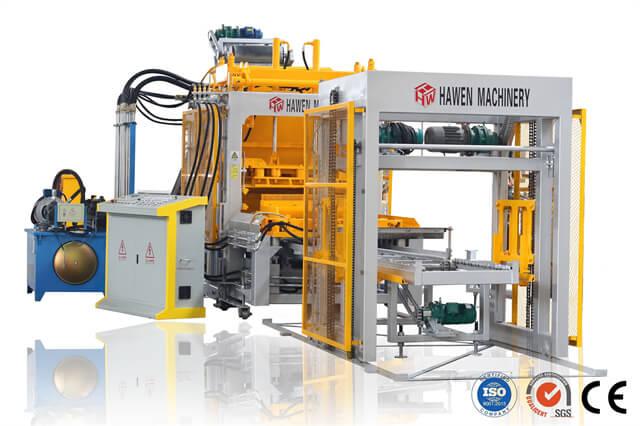
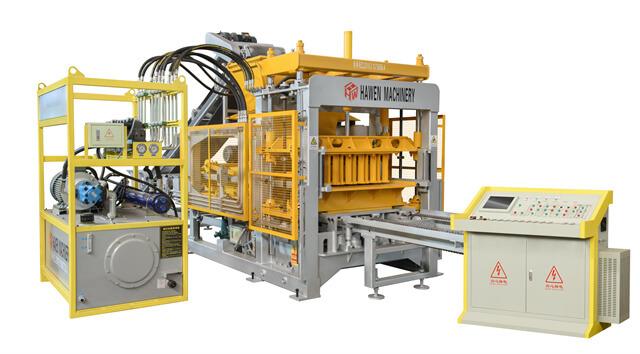
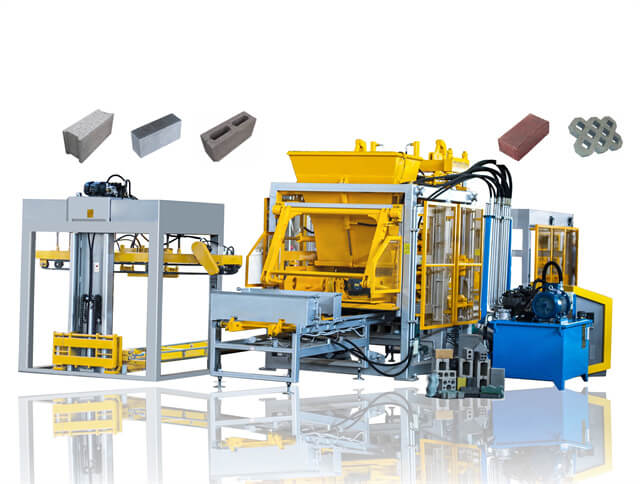
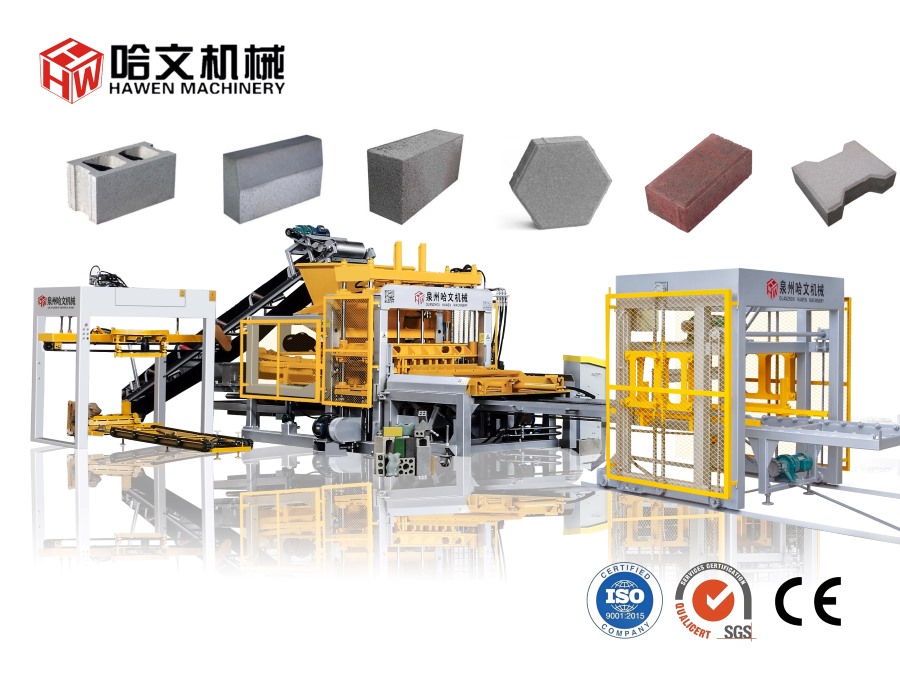
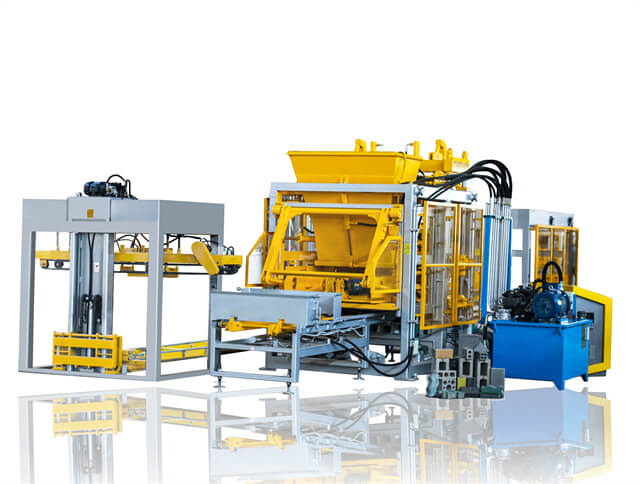
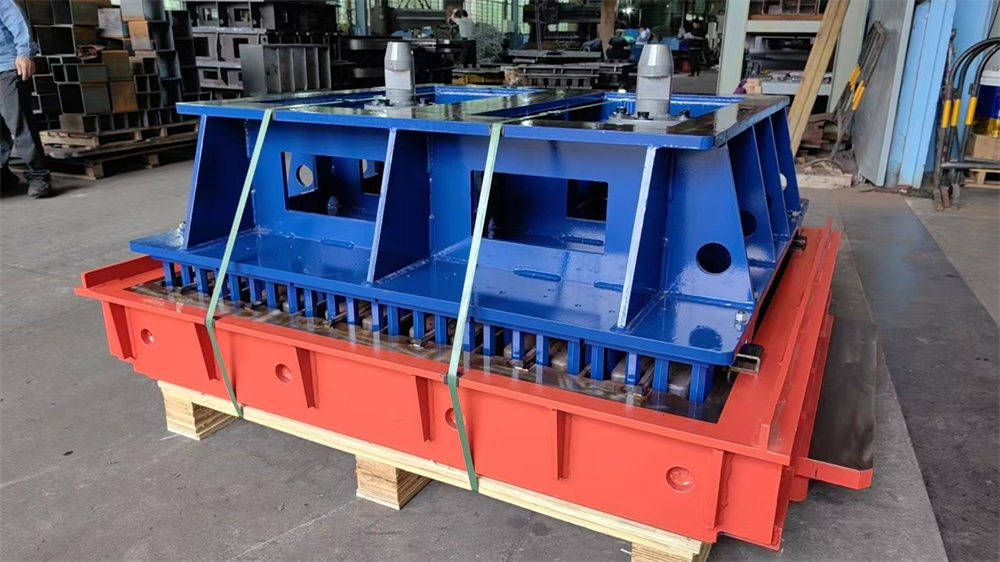
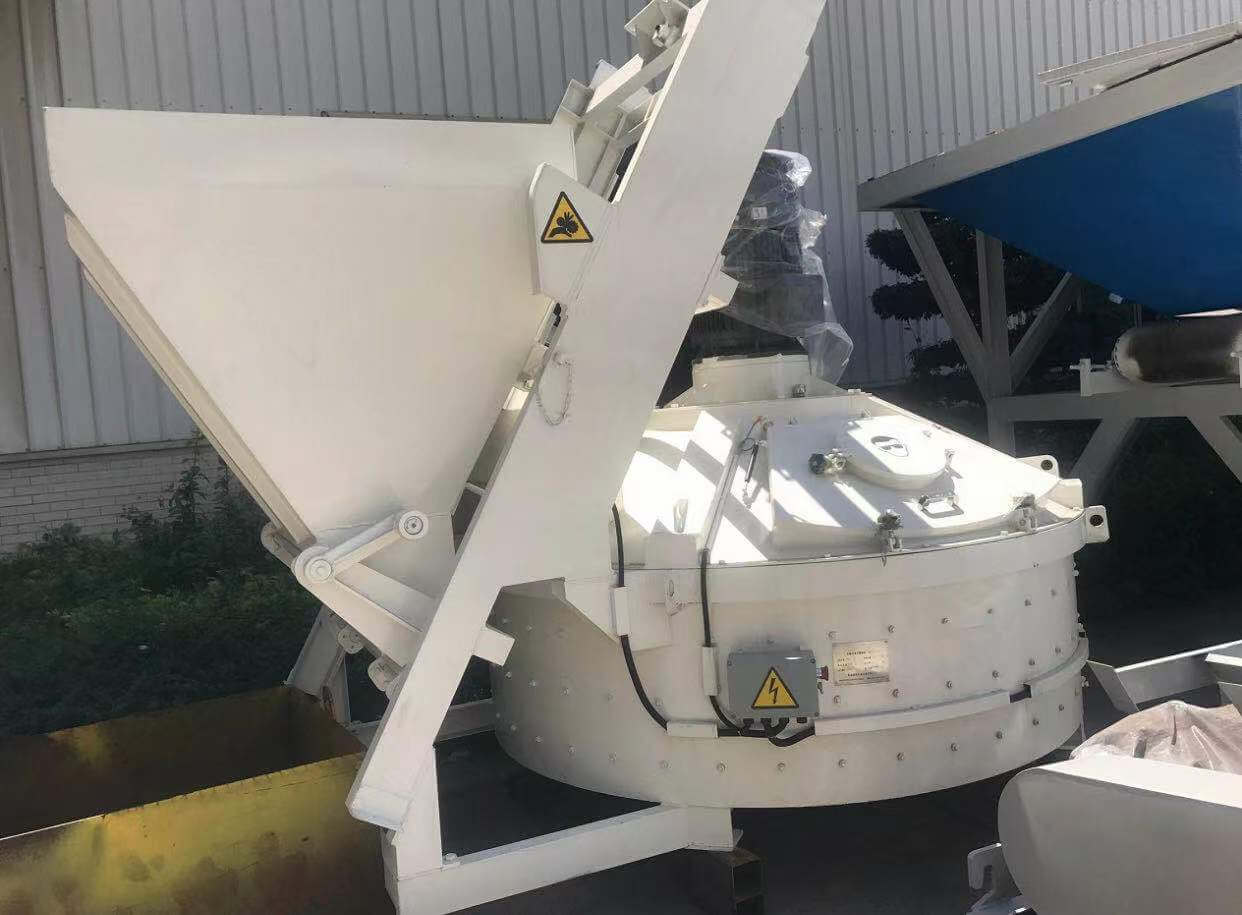
The photos used here come from the local Hawen Machinery product information folder.They are used as relevant visual references for machine layout, production flow, componentinspection, and site planning. The article avoids invented customer stories and focuses onpractical checks that can be discussed with the supplier.
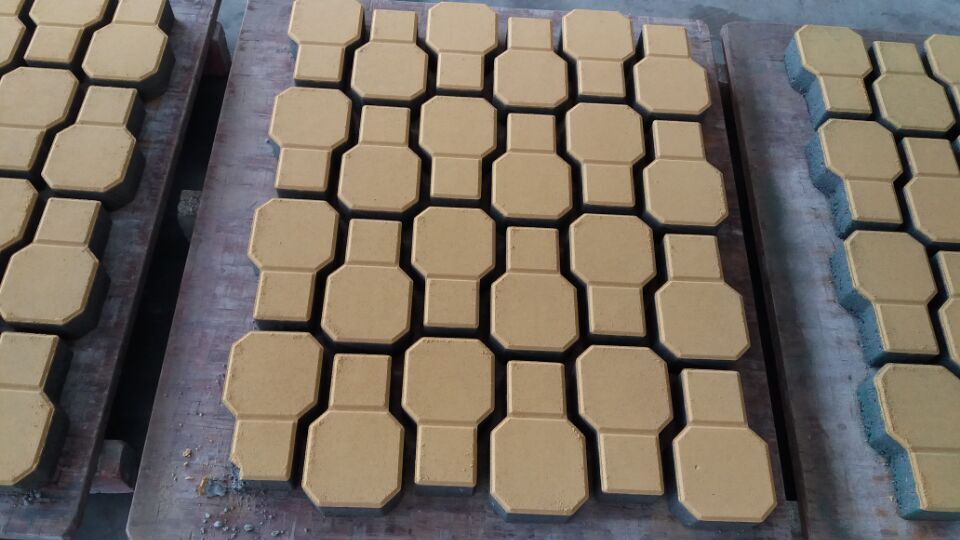
hydraulic and electrical control checks forautomatic block machines
For this topic, the buyer should first define the scope. The discussion is not limited to onemachine frame. It includes hydraulic station, oil pump, cylinder movement, vibration box, PLCcontrol cabinet, sensors, emergency stops, operator training, plus the way these items interactduring a working shift. A larger model can provide more forming potential, but the actual resultdepends on whether upstream feeding and downstream handling can keep pace.
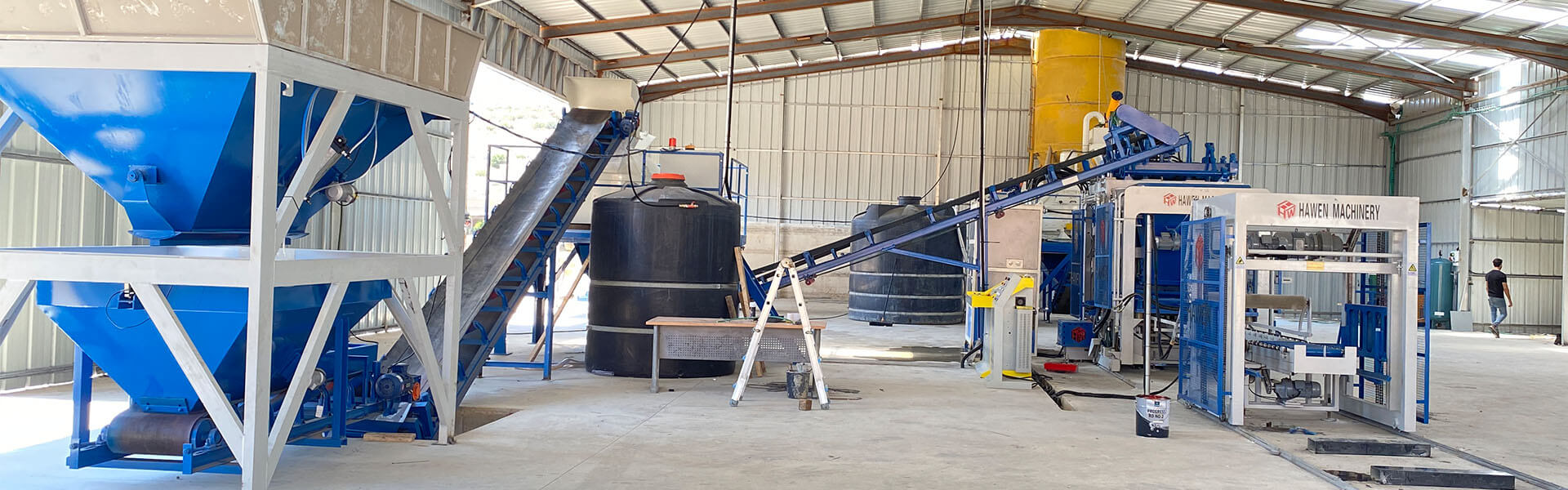
The evaluation should stay practical and neutral. A concrete block making plant is aproduction system, not only a host machine. Buyers should compare the route from aggregatestorage to batching, mixing, feeding, forming, pallet circulation, curing, cubing, and finishedblock loading. Each repeated movement should have enough space, power, visibility, andmaintenance access. This method helps the buyer judge real capacity instead of relying onlyon a rated output number.
The scope should also include product type. Hollow blocks, solid blocks, interlockingpavers, and kerbstones have different mold layouts, material consumption, surfacerequirements, and handling loads. A plant that is suitable for one product may needconfiguration changes for another product. Buyers should prepare product dimensions andexpected daily output before comparing quotations.
Production flow and equipmentmatching
Equipment matching should be checked from the first repeated action to the last. In thistopic, the buyer should pay attention to hydraulic station, oil pump, cylinder movement,vibration box, PLC control cabinet, sensors, emergency stops, operator training. If one point isundersized or poorly positioned, the complete line may slow down. A strong host machinecannot remove bottlenecks created by weak feeding, insufficient pallets, narrow forklift routes,or unclear control logic.
A useful review method is to draw the movement of material and pallets on one page.Aggregate enters the batching system, mixed concrete moves to the hopper, green blocksleave on pallets, stacks move to curing, cured products return for unloading or cubing, andempty pallets return to the feeder. This simple drawing often reveals conflicts that a machinelist does not show.
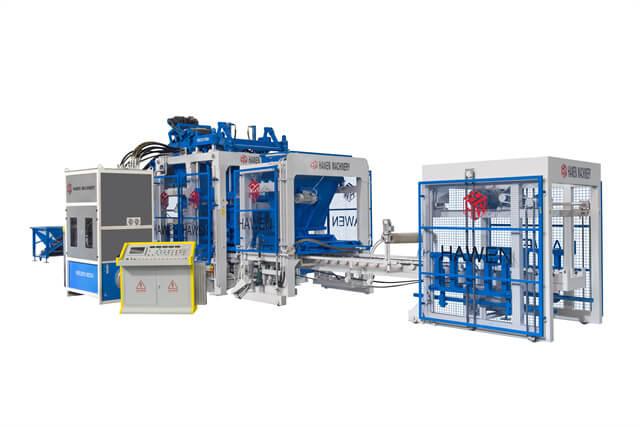
Real site observation duringacceptance
A real business observation from installation and sample video review is that manyproblems are visible before final acceptance if the buyer asks for the right evidence. Instead ofwatching only a short running video, the buyer should request material feeding, demolding,pallet movement, stacker operation, control cabinet signals, and finished block handling.These details show whether the line is stable under repeated operation.
For hydraulic and electrical control checks for automatic block machines, acceptanceshould focus on repeatability. One successful cycle is not enough. The buyer should observeseveral cycles and check block height, corner condition, pallet alignment, emergency stopresponse, operator visibility, and maintenance access. If the same small correction is neededagain and again, the plant may need layout or setting adjustment before handover.
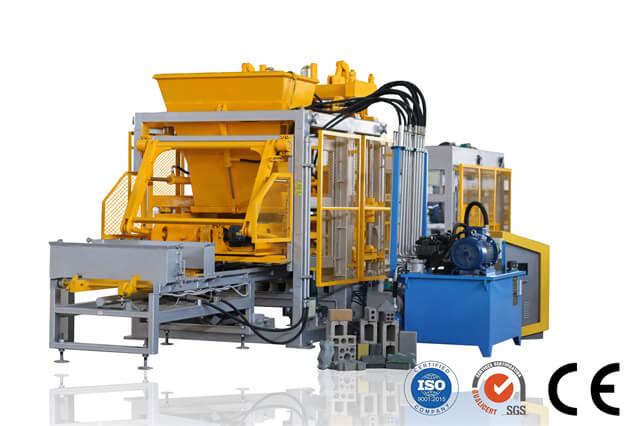
Quotation boundary and supplierverification
Before approving an order, the buyer should separate standard equipment from optionalequipment. A complete production line may include batching machine, cement silo, screwconveyor, mixer, belt conveyor, host machine, hydraulic station, control cabinet, pallet feeder,stacker, molds, pallets, spare parts, and optional offline cuber. The QT8 automaticconcrete paver fly ash brick making machine can be reviewed in the same way: modelname first, full configuration second, site suitability third.
Supplier verification should be specific and low-marketing. Ask for layout drawings,foundation requirements, electrical requirements, mold drawings, pallet quantity calculation,spare parts list, packing plan, and pre-shipment test items. If the supplier cannot explain thesepoints clearly, the buyer may receive equipment that looks complete but still needs costlylocal modification.
The buyer should also review the limitation conditions behind the selected configuration.A block machine may run well in a supplier workshop, but the destination site may havedifferent aggregate grading, cement setting time, ambient temperature, electrical voltage,operator experience, and forklift availability. These variables do not mean the equipment isunsuitable; they mean the acceptance plan should include adjustment time. A neutralevaluation should ask what can be checked before shipment, what must be adjusted duringinstallation, and what should be recorded during the first week of production.
Cost review should include more than the first machine price. Pallets, molds, mixer wearparts, hydraulic oil, electrical spares, cement silo foundation, loader access, curing yardpreparation, and local lifting equipment can affect the real project budget. A lower quotationmay still be reasonable if the buyer understands what is excluded. A higher quotation may alsobe reasonable if it includes stronger automation, better handling equipment, or morecomplete installation support. The useful comparison is not the lowest number, but theclearest boundary between included equipment and buyer-side preparation.
Operators should be included in the decision process before the machine arrives. The bestlayout or component selection will lose value if operators do not understand startup sequence,recipe adjustment, pallet inspection, mold cleaning, emergency stop reset, lubrication, anddaily shutdown. Training should be connected with the actual products the plant will make.Hollow blocks, pavers, and kerbstones require different attention during feeding, demolding,stacking, and curing. A simple written checklist near the control cabinet often preventsrepeated small mistakes.
Maintenance planning is another practical filter. Buyers should ask which parts are normalwear parts, which parts should be stocked locally, and which faults can be diagnosed by videocall. For automatic concrete block machines, common attention points include vibration motorbolts, mold bolts, guide columns, hydraulic hoses, sensors, conveyor belts, mixer blades, andpallet feeder alignment. These are ordinary maintenance items, but ignoring them can make anew plant look unreliable. A supplier who can explain maintenance intervals clearly usuallyunderstands field operation better than a supplier who only repeats rated capacity.
Finally, the buyer should connect the equipment decision with the sales plan. If the marketmainly needs standard hollow blocks, the plant should prioritize stable output, low breakage,and fast pallet circulation. If the market needs pavers, surface quality, color layer control, andmold cleaning become more important. If kerbstones are a major product, product weight,pallet strength, and forklift handling should be reviewed more carefully. This market-basedreview keeps the article topic tied to real purchasing decisions rather than abstract machinespecifications.
During the first production period, the buyer should keep a simple acceptance recordinstead of relying on memory. The record can include recipe, product size, mold used, cycleobservation, pallet condition, rejected block reason, operator name, and any adjustment madeto water, vibration time, or feeding time. This record is not complicated, but it gives thesupplier and buyer a shared basis for troubleshooting. When a defect appears repeatedly, theteam can compare records and decide whether the cause is material, mold, machine setting,pallet handling, or curing practice.
This documentation also helps future expansion. If the plant later adds another mold, ahigher stacker, extra pallets, or an offline cuber, the buyer can use the first production data tojudge what should be upgraded first. In many projects, the best next investment is not always alarger host machine. It may be better pallet circulation, more curing space, improvedaggregate storage, operator training, or spare parts stock. A careful record turns dailyproduction into decision evidence.
Review table for buyerapproval
Buyer risk ifignoredSeparate host machine, batching system,mixer, pallet feeder, stacker, molds, pallets, spare parts, and optional cuber.Two quotations with the same model namemay describe different equipment.Review installation photos, running videos,foundation drawing, and production flow.Confirm hollow block, solid block, paver,kerbstone, mold size, and pallet size.Check repeated cycles, block height,demolding, emergency stops, and operator training.| Reviewpoint | What to verify |
|---|
| Configuration scope |
| Site evidence | The buyer may approve capacity that the site cannot actuallysupport. |
| Product match | The line may run well but produce the wrong marketproduct. |
| Acceptance test | Early downtime may appear after shipment orinstallation. |
FAQ
How should buyers compare two quotations with the same modelname?
Compare the configuration line by line. Check whether batching, mixing, pallet supply,stacker, molds, pallets, spare parts, installation guidance, and testing are included. The samemodel name can hide different scopes.
Are field photos useful for technical review?
Yes. Field photos show machine position, operator access, forklift routes, stackerclearance, and component arrangement. They do not replace drawings, but they help buyersask better questions.
What should be checked before shipment?
The buyer should check repeated machine cycles, hydraulic and electrical functions,emergency stops, mold fastening, sensor signals, packing method, and documents. If materialtesting is possible, block height and demolding quality should also be reviewed.
Conclusion
Hydraulic and electrical control checks for automatic block machines should be reviewedas part of a complete automatic concrete block production system. The buyer should confirmproduct dimensions, production target, equipment scope, layout, repeated movement,acceptance test, and operator training. The next step is to compare the supplier drawing withthe actual site and request focused photos or videos for the points that carry the highestproduction risk.






 Tel: +86-13905968794
 Email: export@hwmachines.com
 MP/WhatsApp: +86-13905968794
 Manufacturer Address:Nanan,Quanzhou City,Fujian Province,China