A concrete block plant does not finish its work when the block leaves the machine. Finished products still need curing, movement, stacking, inspection, storage, and dispatch. If the yard is poorly planned, good blocks can be chipped, mixed with the wrong batch, delayed by forklift traffic, or shipped before they are ready. A professional block machine plant needs a finished product yard that protects both output and quality.
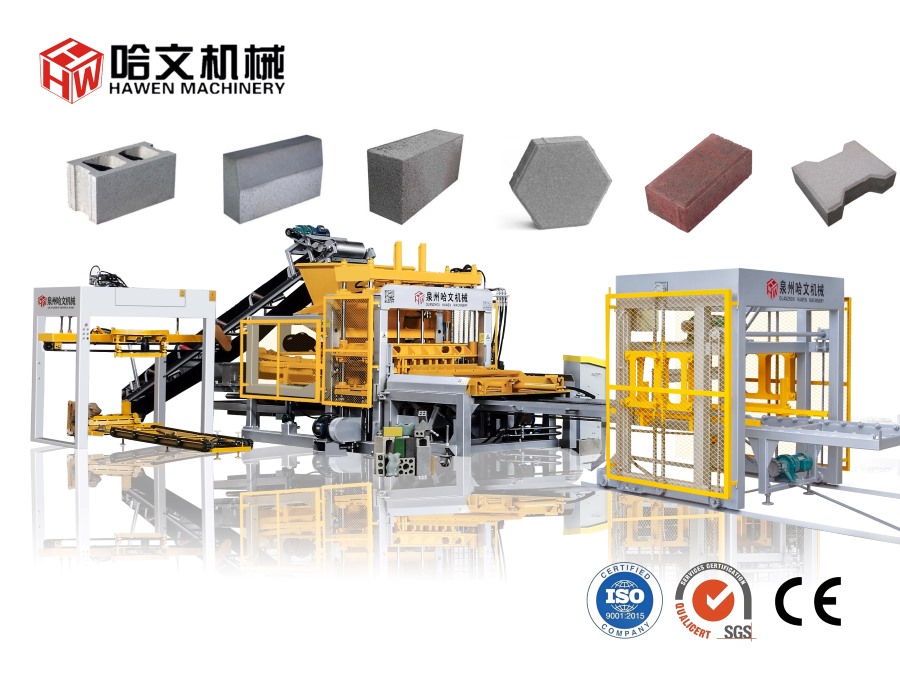
This guide explains how to plan yard flow for hollow blocks, solid blocks, pavers, and kerbstones produced by an automatic brick machine, a brick making machine, or a complete block making machine line.
Why yard flow matters
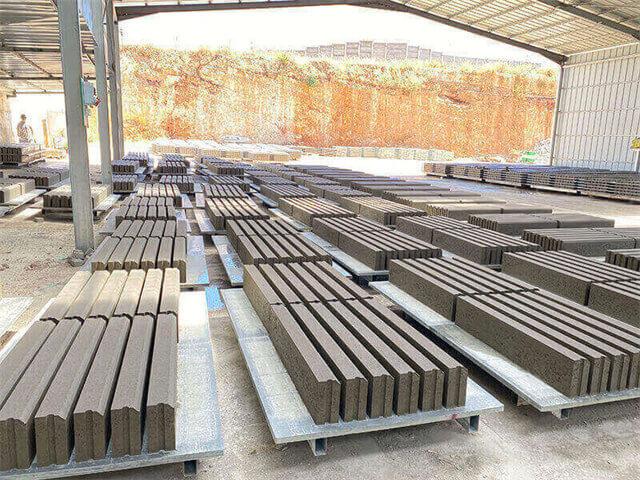
A crowded yard slows the whole factory. Forklifts travel longer routes. Operators waste time finding the correct batch. Fresh products may be moved too early because curing space is blocked. Finished products may be stacked unevenly, creating cracks or broken corners. These problems reduce the value created by the brick machine.
The yard should separate fresh products, curing products, inspected products, rejected products, and ready-to-load products. This simple separation prevents confusion. It also helps the factory trace product quality by batch, especially when customers order different sizes or colors.
From curing to storage
Products should move from the forming area to curing with minimum shock. A stable GMT pallet supports fresh blocks during early handling. The curing route should be short, flat, and free of standing water or sharp forklift turns. If products are moved before they gain enough handling strength, the plant may see broken webs, chipped paver edges, or cracked kerbstones.
After curing, products should not be mixed randomly. Use marked zones for each product type and production date. Keep the stack base level. Avoid unsupported overhangs. For pavers, protect visible surfaces from mud, dust, and careless strapping. For hollow blocks, avoid stack patterns that concentrate load on thin webs.
Forklift routes and stack layout
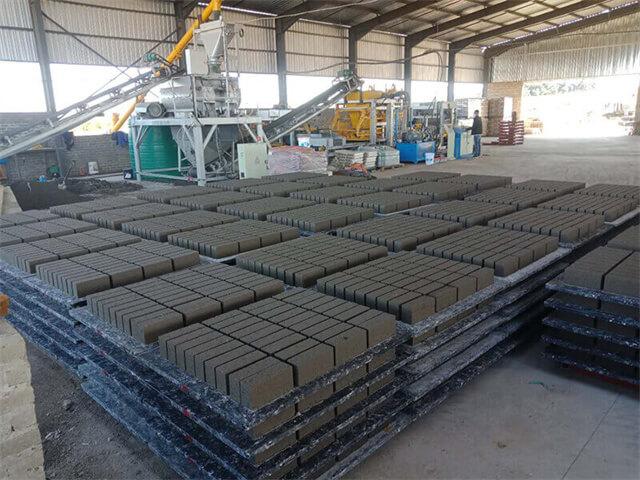
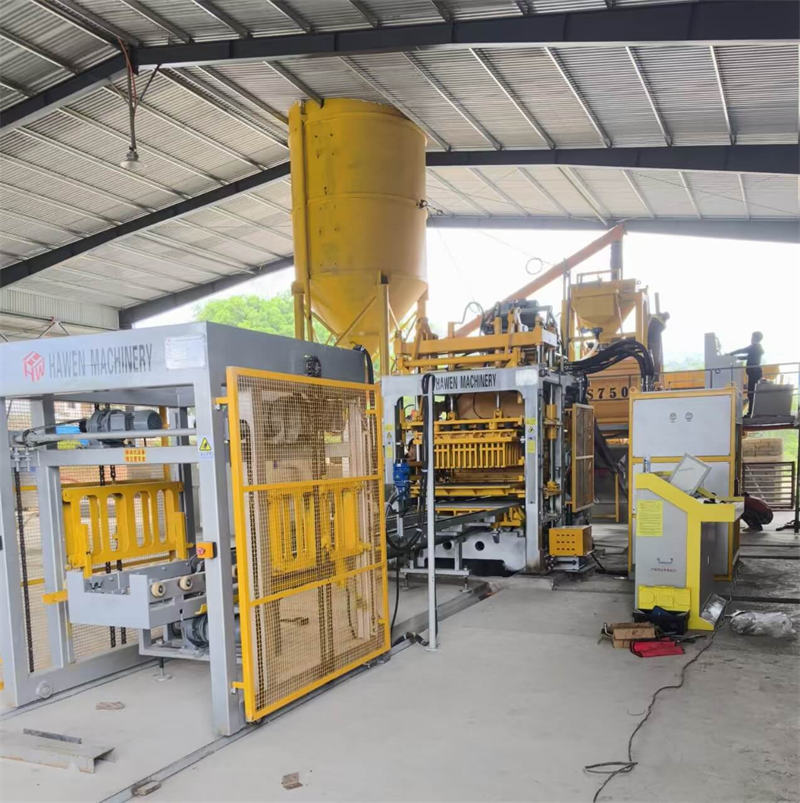
Forklift routes should not cross the main material feeding route if it can be avoided. The batching machine, concrete mixer, cement storage, and machine platform need clear access. Finished product traffic should be organized so forklifts do not block aggregate delivery or pallet return.
A good layout uses one-way routes where possible. It gives turning space near storage stacks and loading points. It keeps rejected products away from saleable products. It also leaves room for future equipment such as an automatic offline palletizing system or an automatic pallet provider.
Quality control before dispatch
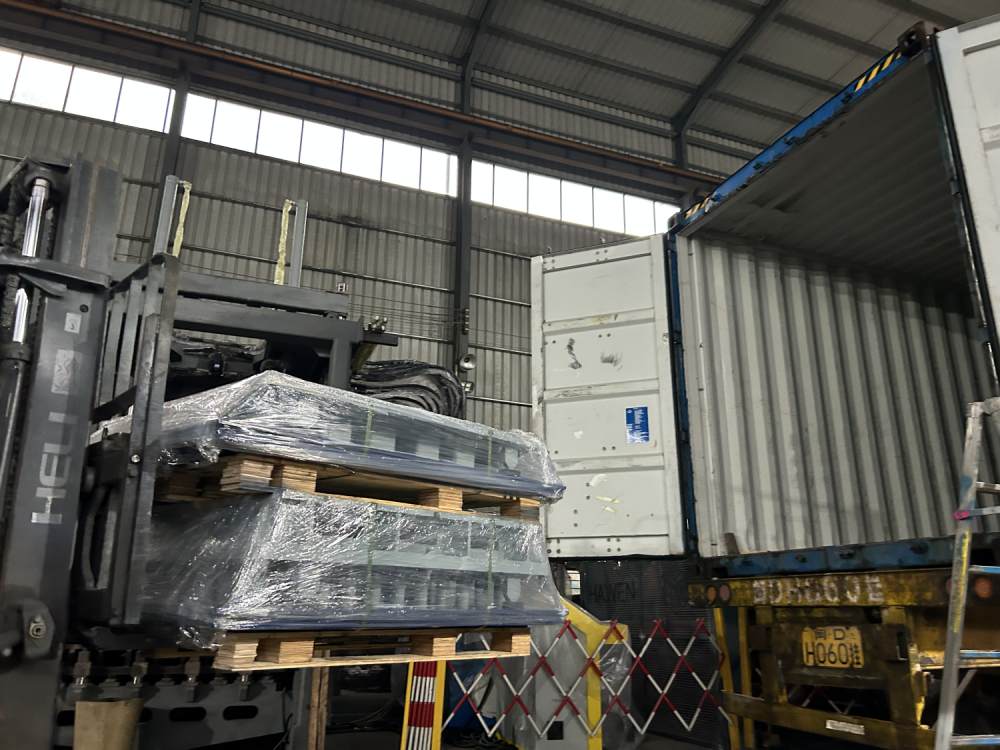
Before dispatch, check product type, quantity, visual quality, curing status, and packaging condition. The inspection should include height, edge condition, surface defects, bottom marks, and color consistency where relevant. If products come from an interlocking paver mould, corner definition and surface appearance should be checked more carefully.
For kerbstones, review straightness and edge quality. For hollow blocks, inspect web thickness and cracks. A hollow block mould must produce consistent geometry, but yard handling still decides whether the product reaches the customer safely.
Hawen Machinery recommendation
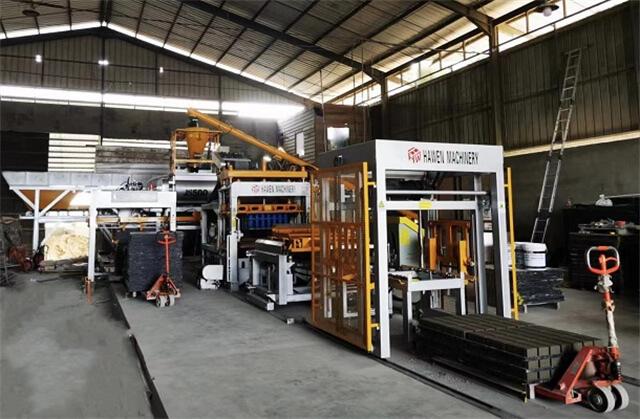
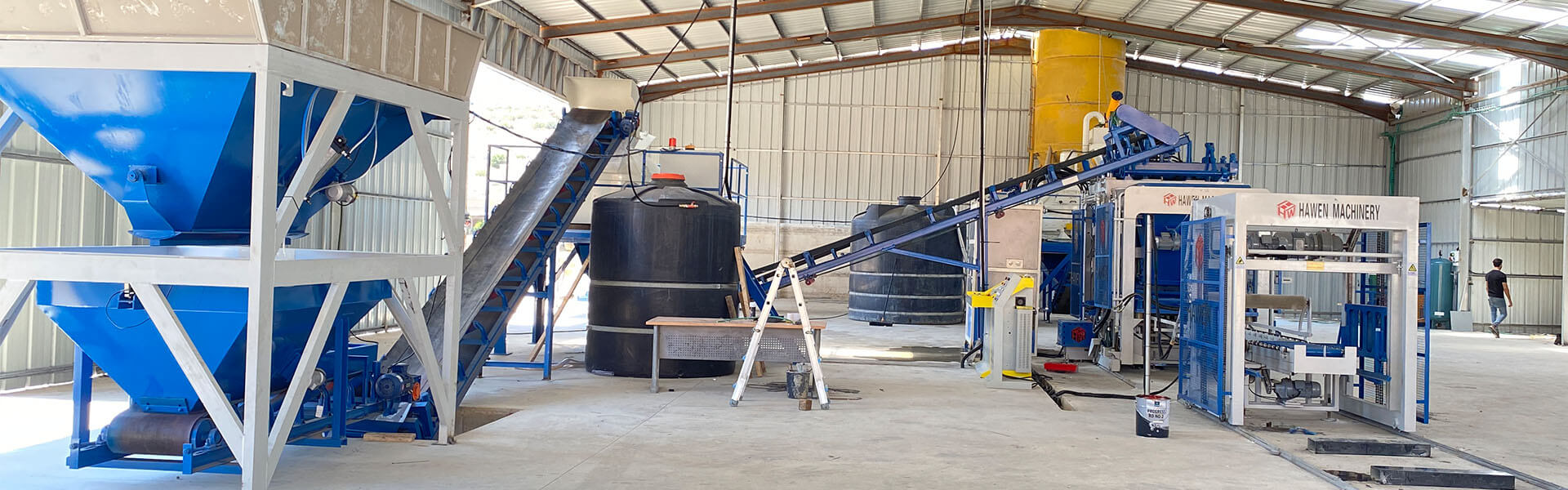
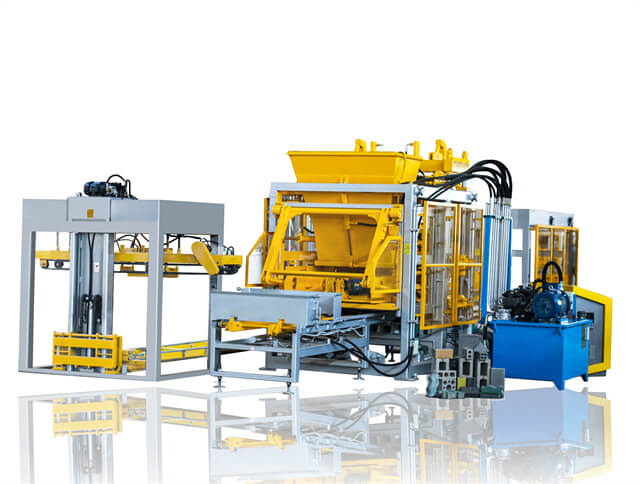
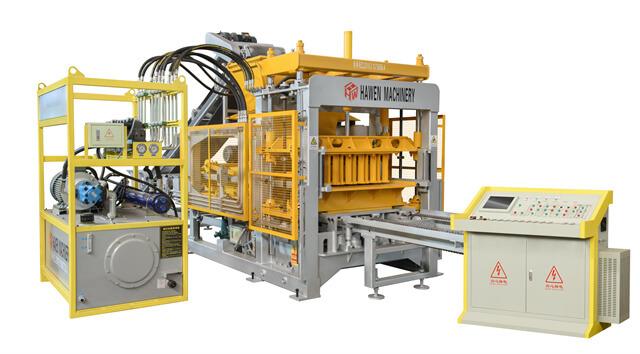
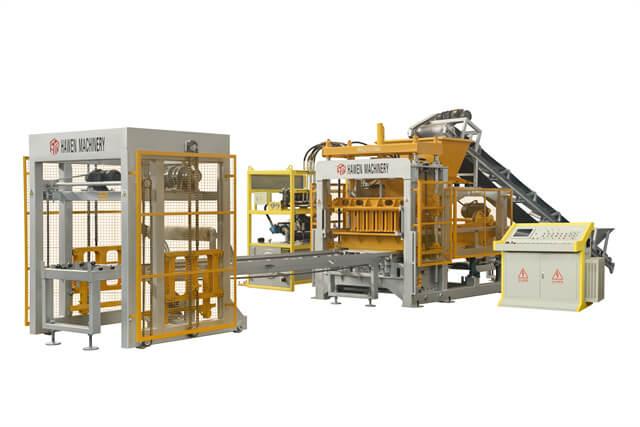
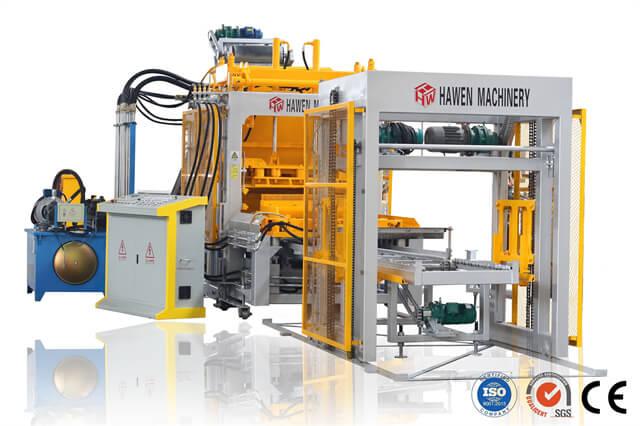
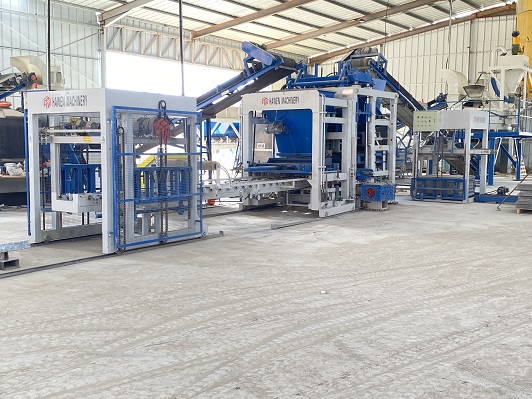
Hawen Machinery reviews plant layout from raw material feeding to finished product dispatch. The recommended solution may include a cement silo, mixing and batching system, forming machine, pallets, curing route, and palletizing equipment. The aim is to keep daily output stable without damaging products after they are made.
Hawen block machines use a SIEMENS S7-200 PLC with touch panel and remote monitoring capability. The hydraulic station uses Japanese YUKEN proportional and directional valves with an American ALBERT hydraulic pump. In the forming section, the four-shaft vibration box supports uniform compaction. When production and yard flow are planned together, the factory protects quality from the mold to the truck.
A good yard is not empty space behind the machine. It is the final stage of production. When curing, stacking, inspection, and dispatch move in one clear rhythm, every block carries more than concrete. It carries the discipline of a factory that knows how to deliver.
FAQ
How much yard space does a block plant need?
It depends on output, curing time, product type, stack height, forklift route, and dispatch frequency.
Should rejected blocks have a separate area?
Yes. A separate area prevents rejected products from being shipped by mistake.
What causes finished products to chip in the yard?
Early movement, rough forklift driving, uneven stacking, weak pallets, and poor packaging are common causes.
Can palletizing improve yard flow?
Yes. Automatic palletizing can make stacking more consistent and reduce random manual impact.
Should pavers and hollow blocks be stored the same way?
No. Pavers need surface protection, while hollow blocks need support that avoids stress on thin webs.
Can Hawen help plan the yard layout?
Yes. Hawen can review output target, curing method, forklift route, product type, and automation level.





 Tel: +86-13905968794
 Email: export@hwmachines.com
 MP/WhatsApp: +86-13905968794
 Manufacturer Address:Nanan,Quanzhou City,Fujian Province,China