Aggregate segregation happens when coarse and fine materials separate before the concrete enters the mold. The mix may look acceptable in the pile, yet become uneven during batching, conveying, discharge, or hopper feeding. In a concrete block machine plant, segregation can lead to rough surfaces, weak edges, poor compaction, color variation, and unstable product weight.
This article explains how to reduce segregation before the mix reaches an automatic brick machine or block making machine line.
What segregation means
Segregation means the mix is no longer uniform. Coarse particles may roll to one side. Fine particles may stay near the bottom. Cement paste may concentrate in one zone while another zone becomes dry and open. When this material enters a hollow block mould or paver mold, each cavity may receive different material quality.
The result is not always obvious immediately. Some blocks may demould normally but show weak corners after handling. Some pavers may have good color in one area and rough texture in another. Segregation is dangerous because it creates hidden variation inside what should be the same batch.
Where segregation starts
Segregation can start at the stockpile. If aggregate is dropped from excessive height, coarse stone rolls outward and fine material stays in the center. It can also start inside the batching machine if bin gates discharge unevenly. Transfer belts, high drop points, sharp chute angles, and long waiting in hoppers can make the problem worse.
The first solution is stable material handling. Keep aggregate sizes separated. Avoid pushing mixed material across the ground with the loader. Feed bins from a consistent direction. Keep chute surfaces clean so wet fine material does not stick and release suddenly into the next batch.
Mixing, transfer, and feeding
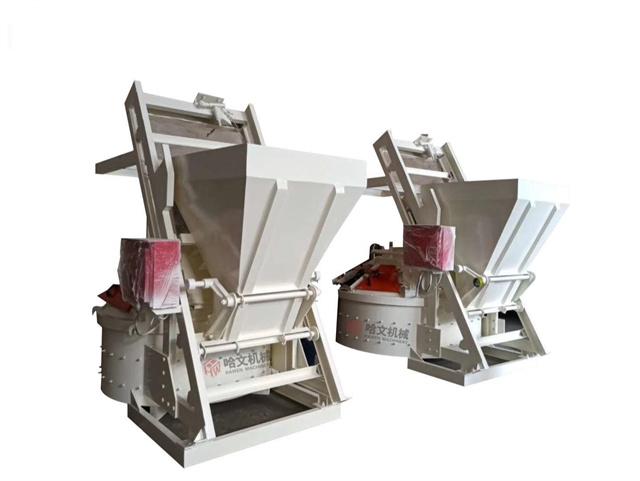
The concrete mixer must blend the material evenly, but it cannot fully repair poor feeding every time. A twin-shaft concrete mixer is often chosen for strong mixing and efficient discharge. A planetary mixer can support uniform blending where color or fine surface quality is important.
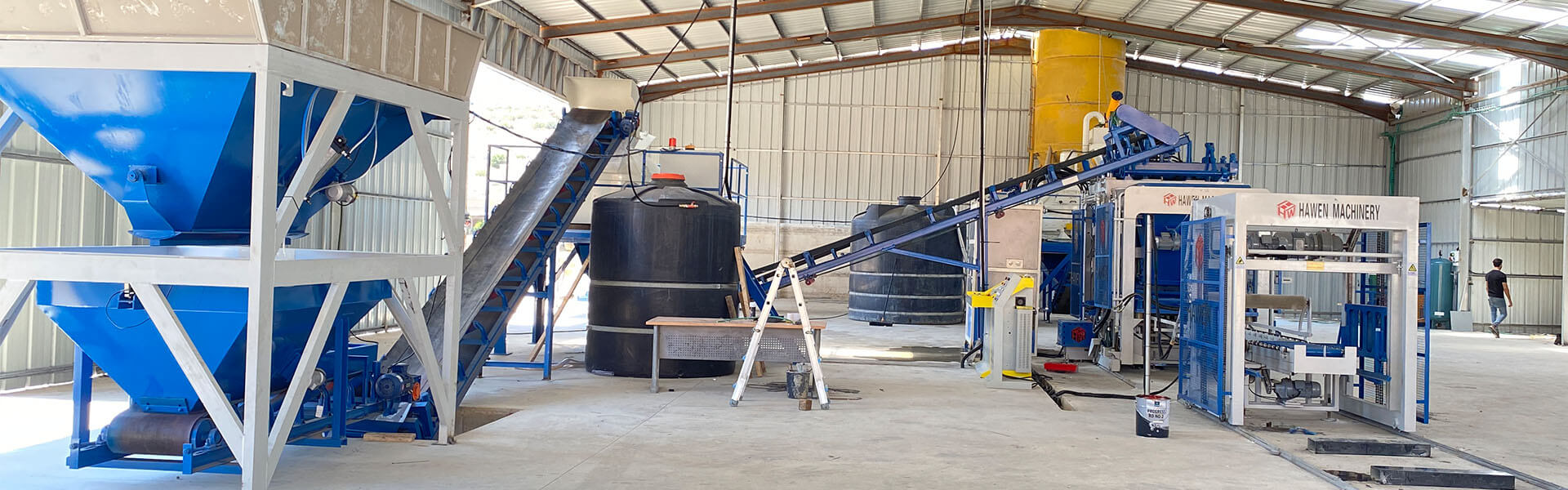
After mixing, the transfer route should be short and controlled. Material should land near the center of belts or hoppers. The discharge should not create a cone where coarse material rolls away from the fines. If the mix waits too long in the hopper, vibration and movement can separate the material again.
Effects on block quality
Segregation reduces consistency. Blocks may show variable weight, rough bottoms, broken corners, or weak webs. Pavers may show different surface density from one side to the other. Kerbstones may have inconsistent compaction along their length. A curb stone mould needs stable filling because the product is deeper and heavier than many standard blocks.
Good pallets and handling also matter. A GMT pallet supports the fresh product, but it cannot fix uneven material distribution. Control must happen before concrete enters the mold.

Hawen Machinery control points
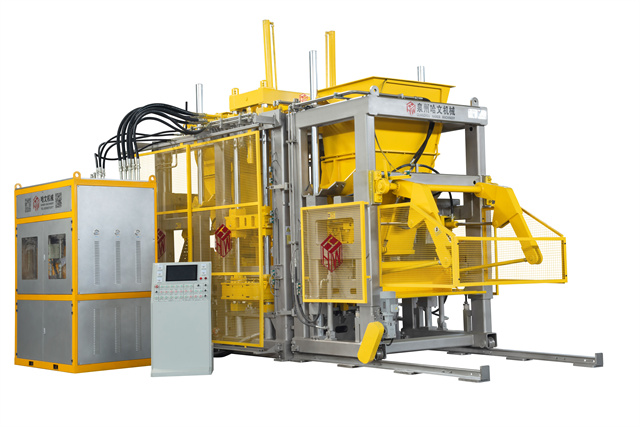
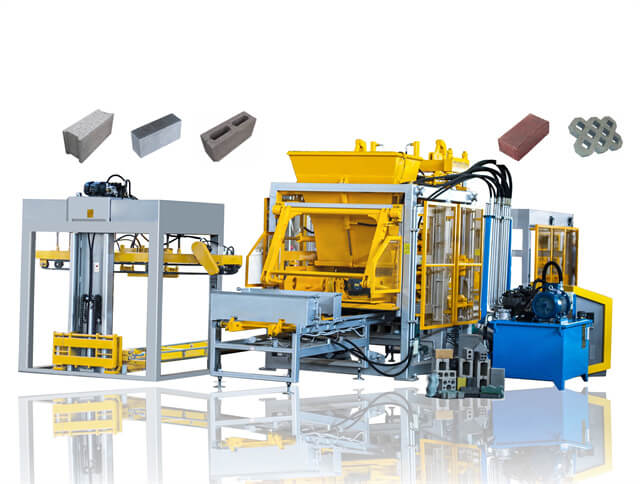
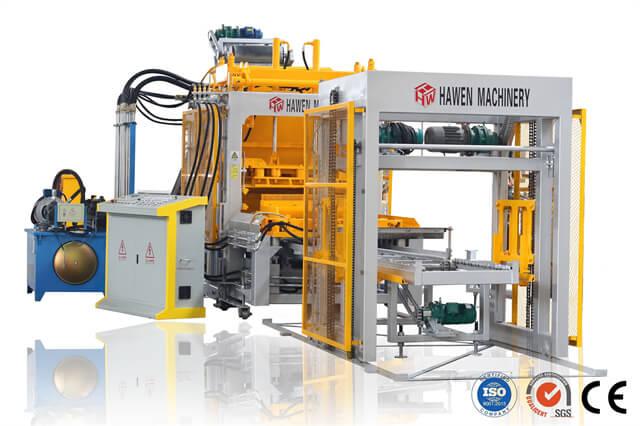
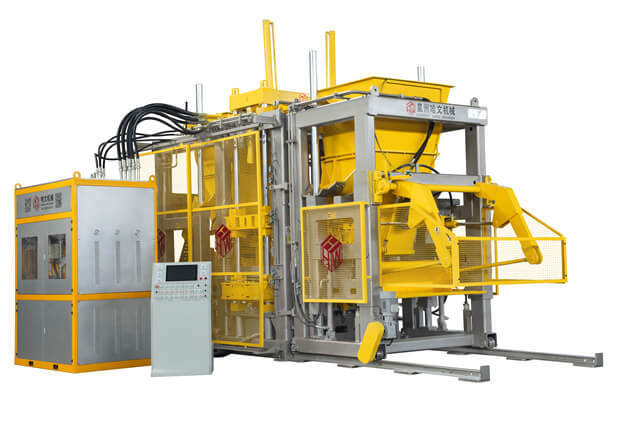
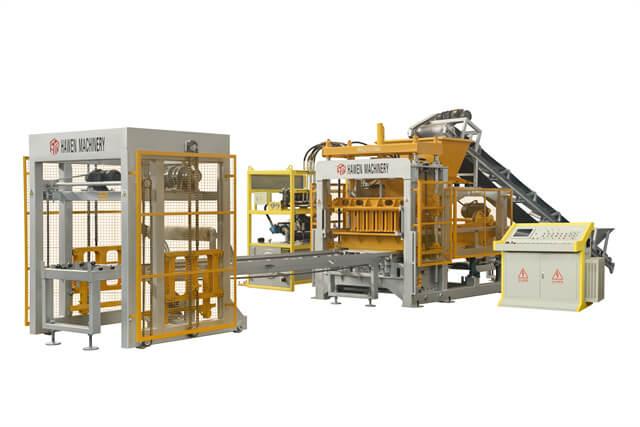
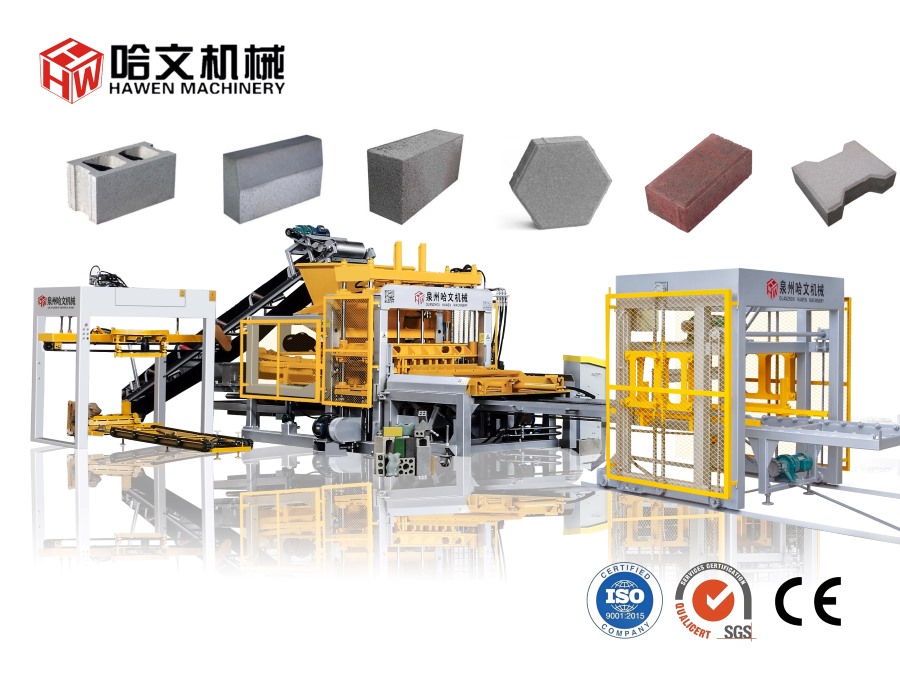
Hawen Machinery designs material flow, batching, mixing, feeding, and forming as one system. The SIEMENS S7-200 PLC and touch panel support stable operation and parameter review. The hydraulic station uses Japanese YUKEN proportional and directional valves with an American ALBERT hydraulic pump for precise movement control.
In the forming section, Hawen uses a four-shaft vibration box with eccentric blocks outside the housing. This reduces resistance and supports uniform compaction. When the mix reaches the machine without segregation, the brick making machine can turn good material into dense, consistent products.
Segregation control is a quiet discipline. It begins before the mixer, continues through every belt and hopper, and finishes inside the mold. When material stays uniform, quality becomes less accidental and more repeatable.
FAQ
How can I see aggregate segregation?
Look for coarse particles collecting at one side, fines sticking in chutes, uneven surface texture, or big weight variation between blocks.
Can longer mixing time solve segregation?
It may help inside the mixer, but poor transfer or hopper storage can cause segregation again after mixing.
Does high drop height cause segregation?
Yes. Coarse aggregate can roll away from fine material when dropped too far.
Why do some cavities fill differently?
Material may be segregated before feeding, or the feeding box may not distribute mix evenly.
Can mold design affect segregation symptoms?
Yes. Narrow cavities and thin webs expose uneven material distribution more quickly.
Can Hawen review my material route?
Yes. Hawen can check stockpile, batching, mixer discharge, belt transfer, and hopper feeding layout.





 Tel: +86-13905968794
 Email: export@hwmachines.com
 MP/WhatsApp: +86-13905968794
 Manufacturer Address:Nanan,Quanzhou City,Fujian Province,China