Cleaning time is production time. If operators spend too long removing hardened concrete, cleaning belts, scraping hoppers, or washing molds, the block machine produces fewer pallets per shift. Good cleaning is necessary, but it should be planned, fast, and preventive.
This guide explains how to reduce cleaning time in a concrete brick machine plant without allowing material buildup to damage quality or equipment.
Why cleaning time matters
Concrete residues become harder to remove with time. Wet material sticks to hoppers, belts, feeding boxes, molds, pallets, and mixer surfaces. If it stays overnight, the next shift begins with scraping instead of production. Worse, hardened buildup can affect feeding accuracy, mold filling, bottom marks, and conveyor tracking.
Cleaning should protect the concrete mixer, batching machine, molds, pallets, and conveyors. The goal is not only a clean plant. The goal is stable production the next time the machine starts.
Main cleaning points
Important cleaning points include mixer blades, discharge door, transfer belts, hopper corners, feeding box, mold surfaces, pallet contact area, sensors, rollers, and the floor around the machine. A hollow block mould may trap material inside web areas. An interlocking paver mould may need careful cleaning around small corners and surface details.
The cement silo and screw conveyor should also be checked for leakage or dust accumulation. Dust buildup around electrical and moving parts can create maintenance problems.
Prevent buildup before it hardens
The fastest cleaning is cleaning done before concrete hardens. Schedule short cleaning moments during long shifts. Remove spilled material from belts and rollers while it is still loose. Empty hoppers at the end of production. Avoid leaving wet mix in transfer points during breaks.
Do not solve sticking by adding water blindly. Excess water may reduce product stability and create more paste buildup. Check moisture, aggregate grading, mold release, feeding amount, and vibration settings before changing the formula.
Each cleaning point should have suitable tools. Keep scrapers, brushes, air tools where allowed, water supply, collection bins, and safety signs near the work area. Operators should know which parts can be cleaned while the machine is stopped and which areas require lockout or qualified maintenance.
Pallet cleaning should not be forgotten. A clean GMT pallet helps reduce bottom marks and product deformation. If the plant uses an automatic pallet provider, pallet condition also affects automatic feeding reliability in a brick making machine line.
Hawen Machinery design support
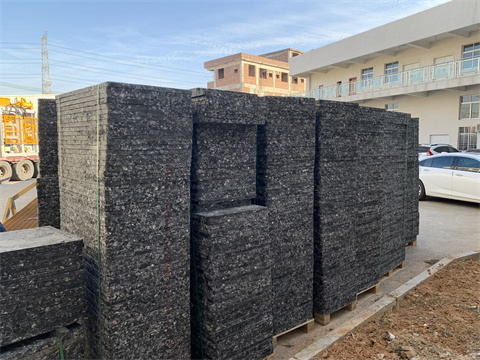
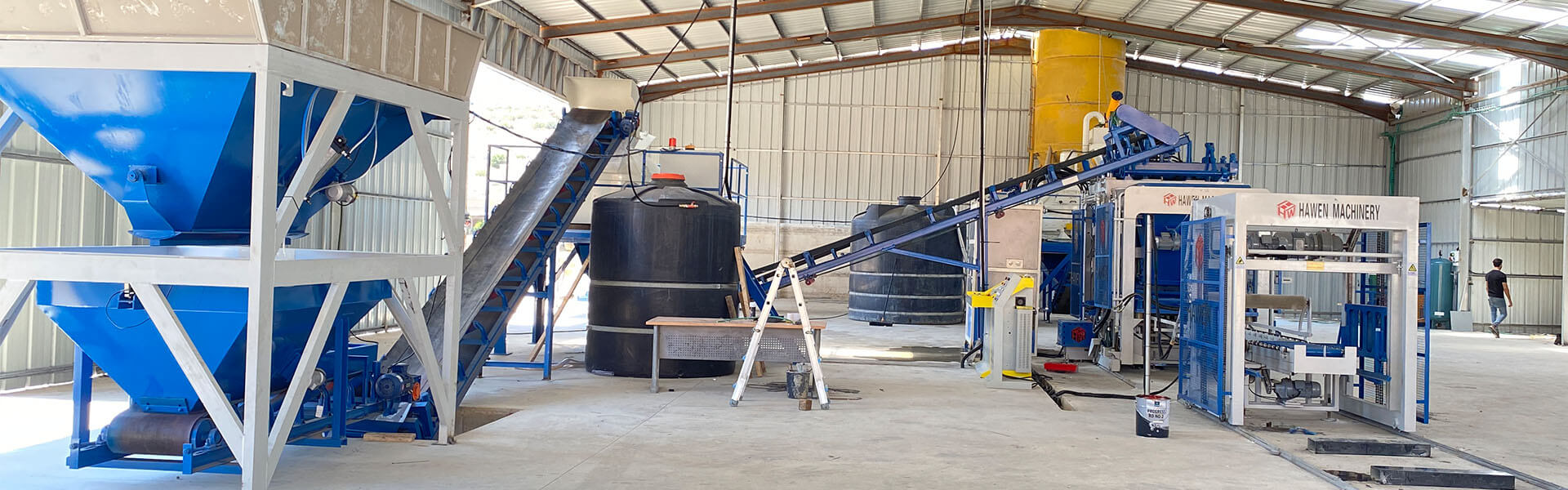
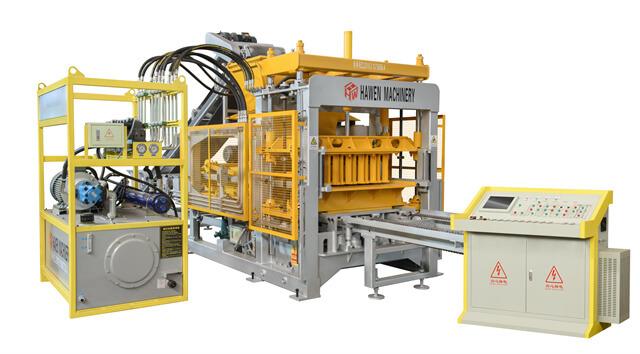
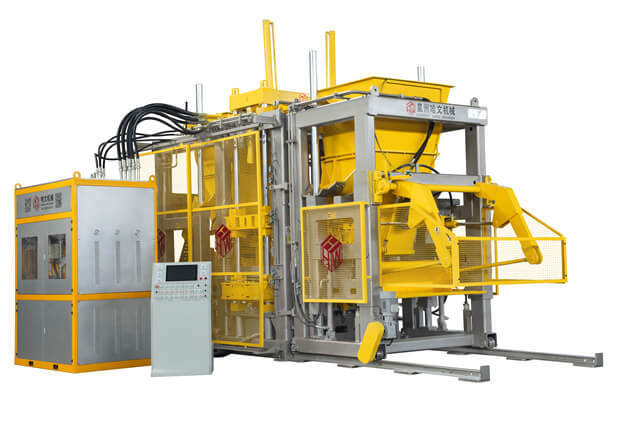
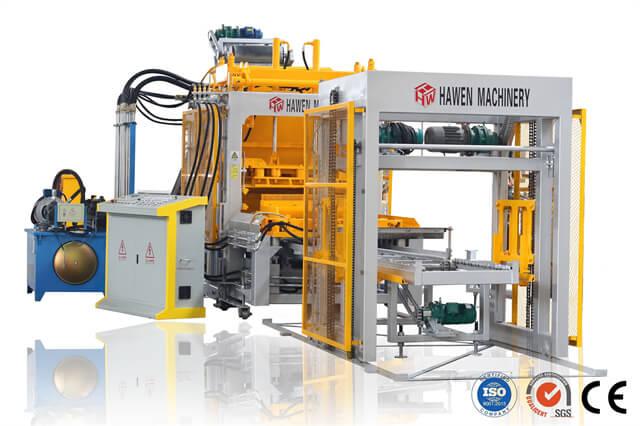
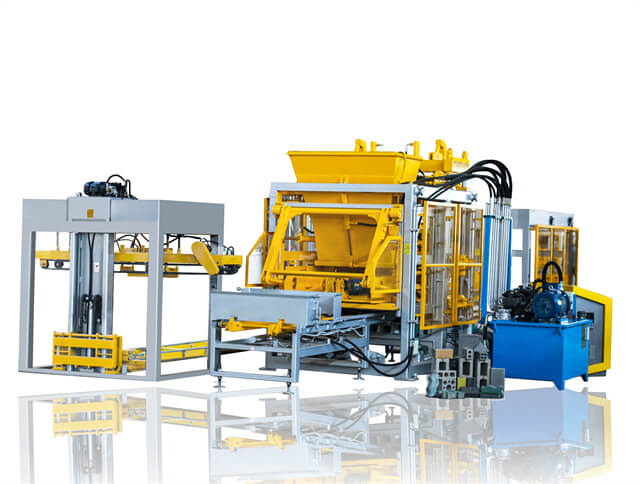
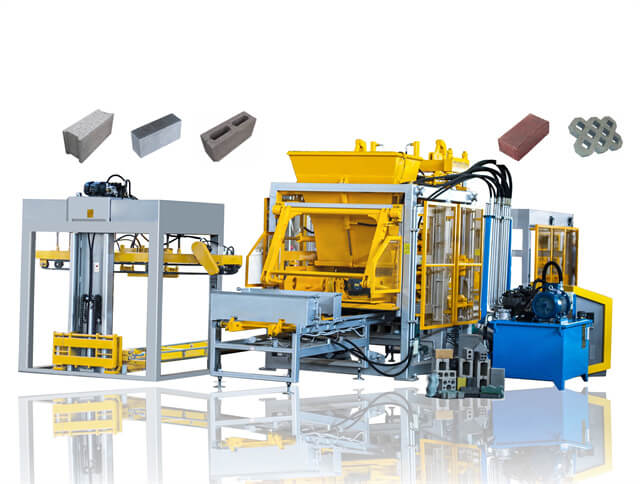
Hawen Machinery considers cleaning access when designing block machine plant layouts. Material transfer should be visible and reachable. The block making machine, mixer, batching system, and offline palletizing system should be arranged so daily cleaning is practical.
Hawen uses a four-shaft vibration box for uniform compaction, a SIEMENS S7-200 PLC for clear operation, and Japanese YUKEN hydraulic valves with an American ALBERT pump for precise movement. Clean equipment lets these systems perform as designed. A clean plant is not a showpiece; it is a production habit that keeps tomorrow's output from being stolen by yesterday's residue.
FAQ
When is the best time to clean the machine?
Before concrete hardens. Short routine cleaning during and after the shift is usually better than long emergency cleaning later.
Can water be used for all cleaning?
Follow equipment instructions. Some electrical, sensor, hydraulic, and bearing areas should not be washed carelessly.
Why does the feeding box build up material?
Common causes include high moisture, poor aggregate grading, worn surfaces, and long waiting time with wet mix inside.
Do dirty pallets affect block quality?
Yes. They can create bottom marks, uneven support, and handling problems.
Should operators clean sensors?
They should clean only according to safe procedure and avoid moving sensor positions.
Can Hawen improve cleaning access in layout design?
Yes. Hawen can review equipment placement, transfer points, and maintenance access before installation.





 Tel: +86-13905968794
 Email: export@hwmachines.com
 MP/WhatsApp: +86-13905968794
 Manufacturer Address:Nanan,Quanzhou City,Fujian Province,China