Water dosing is one of the most sensitive control points in a concrete block plant. A small change in moisture can change filling behavior, vibration response, demoulding quality, edge sharpness, and final appearance. If the mix is too dry, blocks may look rough and weak at the corners. If the mix is too wet, products may stick, slump, or show unstable height. A reliable block machine plant treats water as a controlled production variable, not as an operator habit.
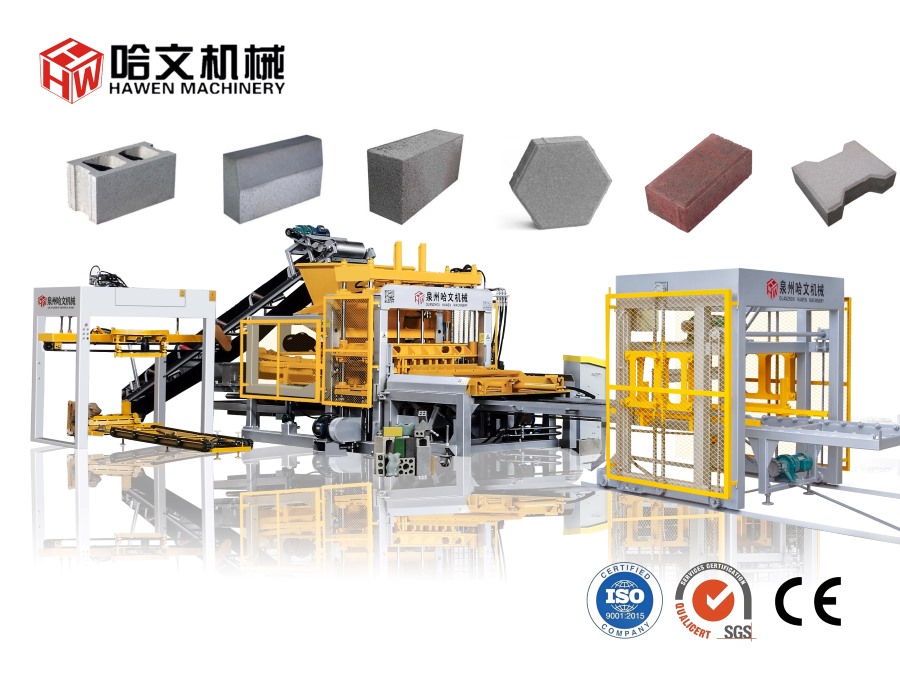
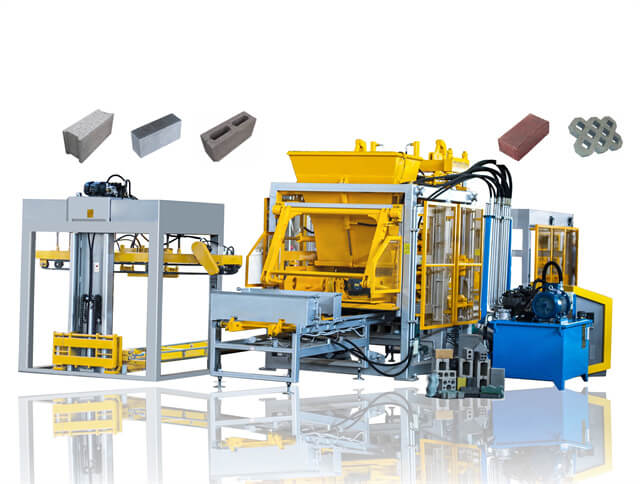
This guide explains how to control moisture in a dry-cast concrete production line. It is useful for factories producing hollow blocks, solid blocks, kerbstones, and pavers with an automatic brick machine, a complete block making machine system, or a modern brick making machine line.
Why moisture control matters
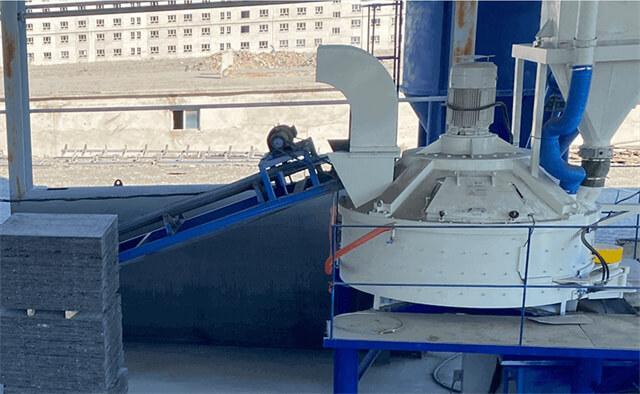
Dry-cast concrete needs enough water for cement hydration and compaction, but not so much that the fresh product loses shape. The correct moisture level helps the mix flow into the mold, respond to vibration, and release cleanly after pressing. When water control is poor, the brick machine may still run, but product quality becomes unstable.
Common symptoms include rough surfaces, height variation, weak webs in hollow blocks, color bands in pavers, sticking to the mold, and more broken corners during handling. These are often blamed on the machine, yet the real cause may be inconsistent aggregate moisture or manual water correction.
Production note: moisture control should be judged by product behavior, not only by the number shown on a formula sheet. Aggregate moisture, climate, storage condition, mixer condition, and product height all affect the final result.
Where moisture variation starts
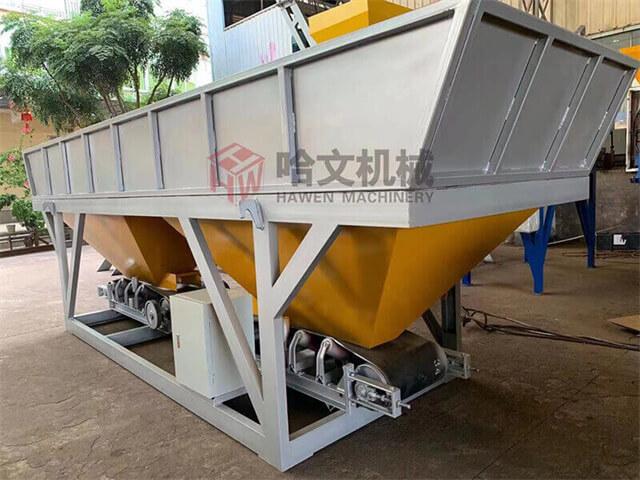
Moisture variation usually begins before mixing. Fine aggregate can hold more water than coarse aggregate. Material stored outdoors can become wet after rain and dry quickly under sun or wind. If the loader takes material from different zones of the stockpile, the moisture entering the batching machine may change from one batch to the next.
The solution is to manage raw materials with discipline. Keep aggregate piles separated by size. Avoid mixing wet material with dry material randomly. Use a feeding routine that takes material from a consistent area. If moisture changes during the day, adjust the water plan gradually and record the change. The goal is repeatability.
The cement silo should also discharge smoothly. Cement flow interruption can force operators to change water or mixing time to compensate, which creates another source of variation. Stable cement supply, stable aggregate dosing, and stable water dosing must work together.
Mixing and water dosing
The mixer must distribute water evenly through a low-slump concrete mix. A twin-shaft concrete mixer is often selected for strong mixing action and efficient discharge, while a planetary mixer is useful where uniform distribution and surface quality are especially important. The right choice depends on product range, plant layout, and production rhythm.
Water should be added in a controlled sequence. If too much water enters at once, part of the mix may become wet before the rest is fully blended. If water is corrected late, the batch may need extra mixing time and the block machine may wait. A practical approach is to set a standard water amount, observe the first products, and adjust in small steps based on fresh block behavior.
Operators should avoid using water to hide other problems. If the aggregate grading is poor, if the mold is worn, or if vibration settings are wrong, adding water may improve one symptom but create another. Moisture control works best when raw material, mold, vibration, and curing are already organized.
Machine settings and block quality
Moisture changes how the mix responds inside the mold. A drier mix may need stronger vibration or better feeding. A wetter mix may compact easily but lose shape after demoulding. The block making machine should be adjusted only after the mix condition is stable. Otherwise, operators may chase the problem all day.
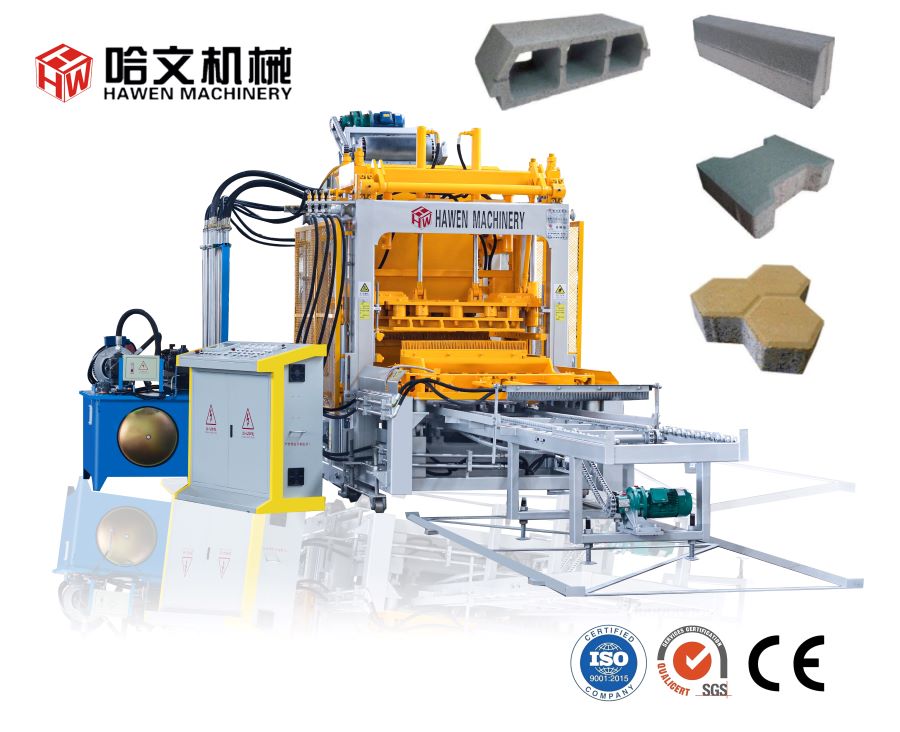
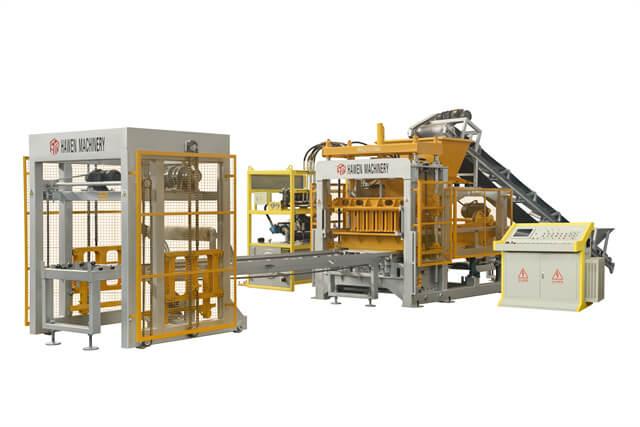
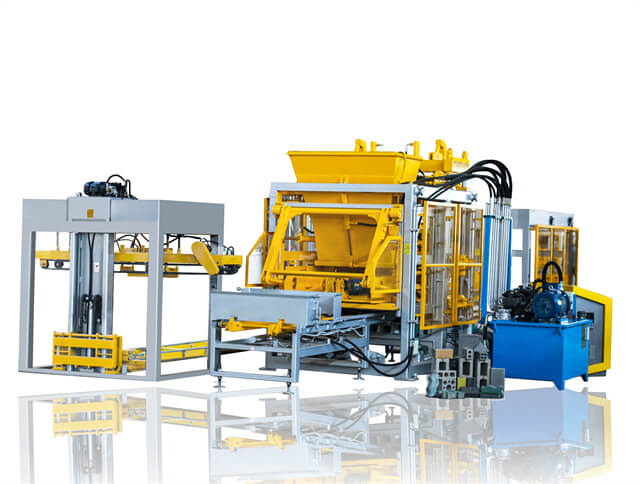
Hawen Machinery adopts a four-shaft vibration box design with eccentric blocks arranged outside the housing. This structure reduces vibration resistance and supports more uniform compaction. When moisture is controlled, the vibration system can produce denser blocks, cleaner corners, and more consistent height.
Pallet condition is part of the same quality chain. A flat GMT pallet supports fresh products evenly. If the pallet bends or carries old concrete buildup, even a correct mix can show bottom marks, cracks, or handling damage.
Factory control method
A strong moisture control system is simple enough for daily use. Start each shift with a material check. Observe aggregate wetness, stockpile condition, and the first mixed batch. Then produce a few boards and inspect demoulding, edge shape, surface texture, and product height. If adjustment is needed, change one item at a time.
For paver production, face mix deserves extra care. A small moisture change can affect color, surface tightness, and abrasion appearance. When using an interlocking paver mould, the mix must fill small corners cleanly without becoming sticky. For hollow blocks, a hollow block mould needs consistent material flow to protect web thickness.
Downstream equipment should not be ignored. The automatic pallet provider helps maintain a steady line rhythm, and the offline palletizing system reduces random handling after curing. Stable moisture is valuable only when the rest of the plant protects the product.
Hawen Machinery support
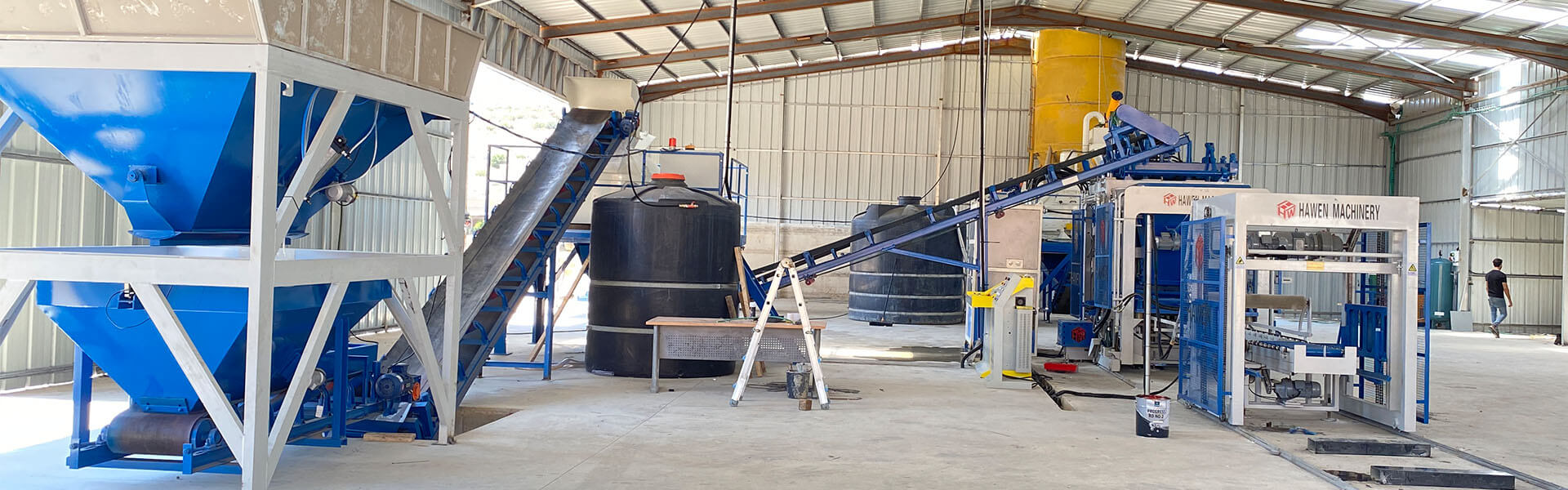
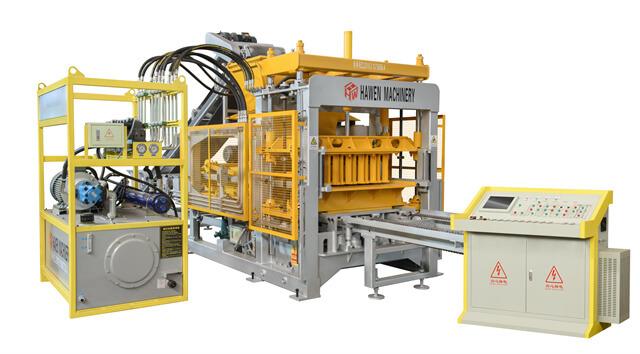
Hawen Machinery helps customers match mixing, batching, forming, and handling equipment as one system. For automatic production, the control system uses a SIEMENS S7-200 PLC with a touch panel and remote monitoring capability. Operating status can be observed in real time, and production parameters can be reviewed remotely when the plant needs optimization.
The hydraulic station uses Japanese YUKEN proportional and directional valve components together with an American ALBERT hydraulic pump. This supports precise movement and stable load response, especially during feeding, pressing, and demoulding. With consistent moisture and controlled machine movement, a block plant can reduce waste and make quality more predictable.
Water control is not a small technical detail. It is the quiet discipline behind clean surfaces, stable height, strong edges, and confident delivery. When a factory controls moisture well, the block machine stops fighting the material and starts turning every batch into dependable production.
FAQ
Why do blocks become rough when the formula has not changed?
Aggregate moisture may have changed. The written formula can be the same while the actual water entering the mixer is different.
Can I fix poor compaction by adding more water?
Sometimes it helps temporarily, but it may cause sticking, height variation, or weak early strength. Check aggregate grading, vibration, and mold condition first.
Should water be adjusted during the day?
Yes, if raw material moisture changes. Adjust gradually, record the change, and inspect the product after each correction.
Which mixer is better for moisture uniformity?
Both twin-shaft and planetary mixers can work well when correctly selected. The choice should follow product type, mix behavior, output target, and plant layout.
Why do pavers show color bands after water changes?
Moisture affects pigment distribution, surface tightness, and compaction. Face mix should be controlled carefully and kept consistent batch by batch.
Can Hawen Machinery help set moisture-related parameters?
Yes. Hawen can review material condition, mixer type, mold layout, vibration settings, and production rhythm to help customers stabilize the process.






 Tel: +86-13905968794
 Email: export@hwmachines.com
 MP/WhatsApp: +86-13905968794
 Manufacturer Address:Nanan,Quanzhou City,Fujian Province,China