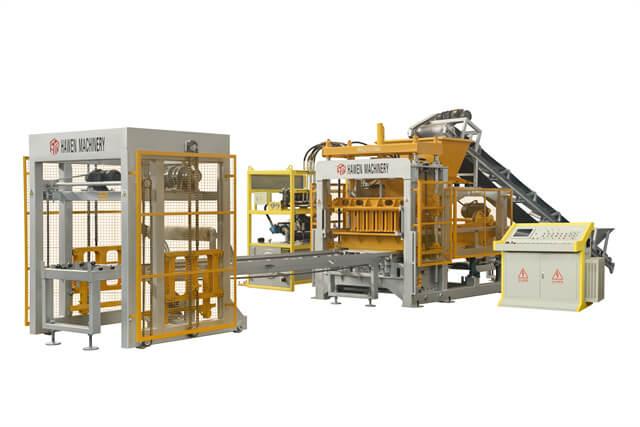
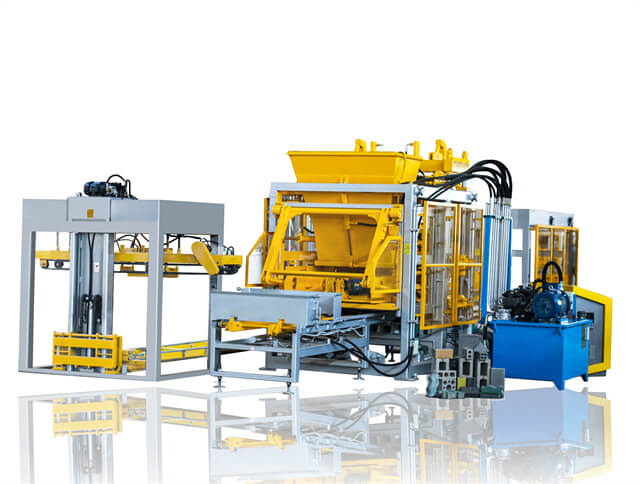
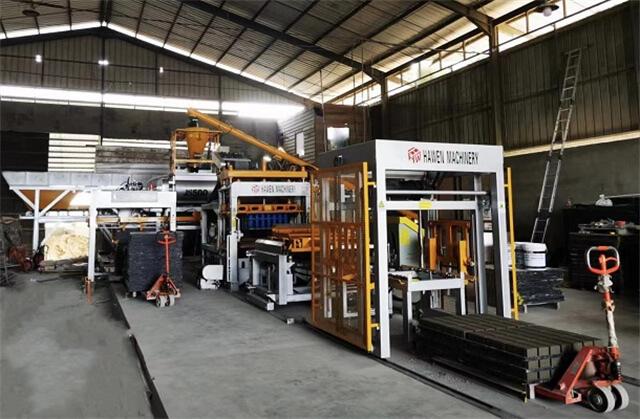
Modern mechanical equipment rarely depends on direct motor switching alone. In many automatic production lines, several motors must start, stop, accelerate, slow down, and hold speed at different moments. A concrete block machine line is a good example. The main forming machine, material conveyor, mixer discharge, batching belts, face-mix feeding, pallet movement, stacker, and cuber may all require controlled motor motion. If every motor simply runs at one fixed speed, the line becomes harder to synchronize and more likely to create impact, material overflow, positioning errors, or unstable cycle timing.
This is why multiple inverters, also called variable frequency drives or VFDs, are used in automatic mechanical equipment. Each inverter controls one motor or one motor group according to a programmed speed and command signal. In a block making machine, the inverter does not replace the PLC, hydraulic system, or mechanical transmission. Its role is to make electric motors more controllable, so the PLC can coordinate material feeding, conveying, lifting, vibration support actions, pallet transfer, and finished product handling in a smoother way.
For buyers, the important point is not only the number of inverters in the cabinet. The real value depends on which motors are controlled, how parameters are set, whether the inverter communicates with the PLC, and whether motor power, acceleration time, braking method, overload protection, and production recipes are matched correctly.
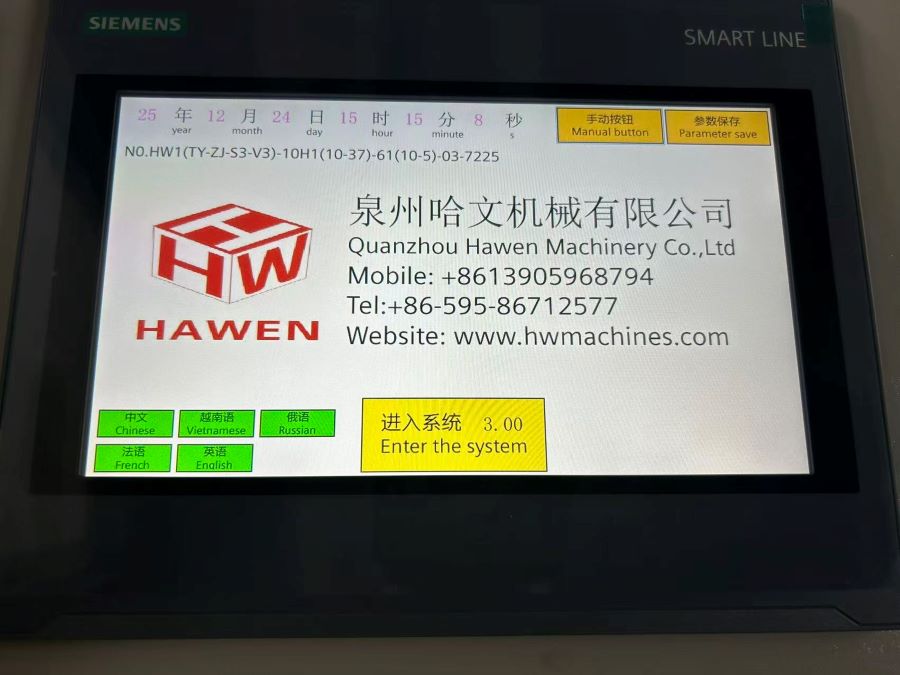
Multiple inverters in automatic mechanical equipment
An inverter is used when a motor needs adjustable speed, controlled acceleration, controlled deceleration, or protection from harsh direct starting. In a simple machine, one inverter may be enough. In a complete automatic line, several motors work in different process zones, and each zone needs different speed behavior. A conveyor belt may need slow start to avoid material sliding. A batching belt may need speed adjustment for weighing accuracy. A pallet handling motor may need stable positioning. A stacker may need gentle movement to protect green blocks.
Using multiple inverters separates these requirements. Instead of forcing one electrical setting to fit all motors, each inverter can be configured for the load it controls. This allows the control system to give different speed commands to different parts of the line. In block production, that separation is useful because raw material handling, concrete feeding, mould forming, pallet transfer, and cubing do not have the same mechanical load or timing requirement.
Multiple inverters also help fault diagnosis. If one conveyor trips because of overload, the operator can identify the affected section more quickly. If a pallet conveyor accelerates too fast, its inverter parameters can be adjusted without changing the mixer or batching system.
Basic working principle of an inverter
A standard inverter receives fixed-frequency AC power from the factory supply and converts it into controllable output for an AC motor. The process is usually described in three steps. First, the incoming AC power is rectified into DC. Second, the DC bus stores and stabilizes the energy. Third, the inverter module switches power electronically to create an AC output with adjustable frequency and voltage.
Motor speed is related to frequency. When the inverter increases output frequency, the motor speed rises. When it reduces frequency, the motor slows down. At the same time, the inverter adjusts output voltage so the motor can produce usable torque without changing pulleys, chains, or gear ratios.
The inverter also controls acceleration and deceleration time. Instead of applying full power instantly, it ramps the motor from low speed to target speed. When stopping, it can reduce speed gradually or use braking control where required. This is important in machines carrying concrete mix, pallets, or green blocks because sudden start-stop movement can create shock, spillage, product damage, or mechanical wear.
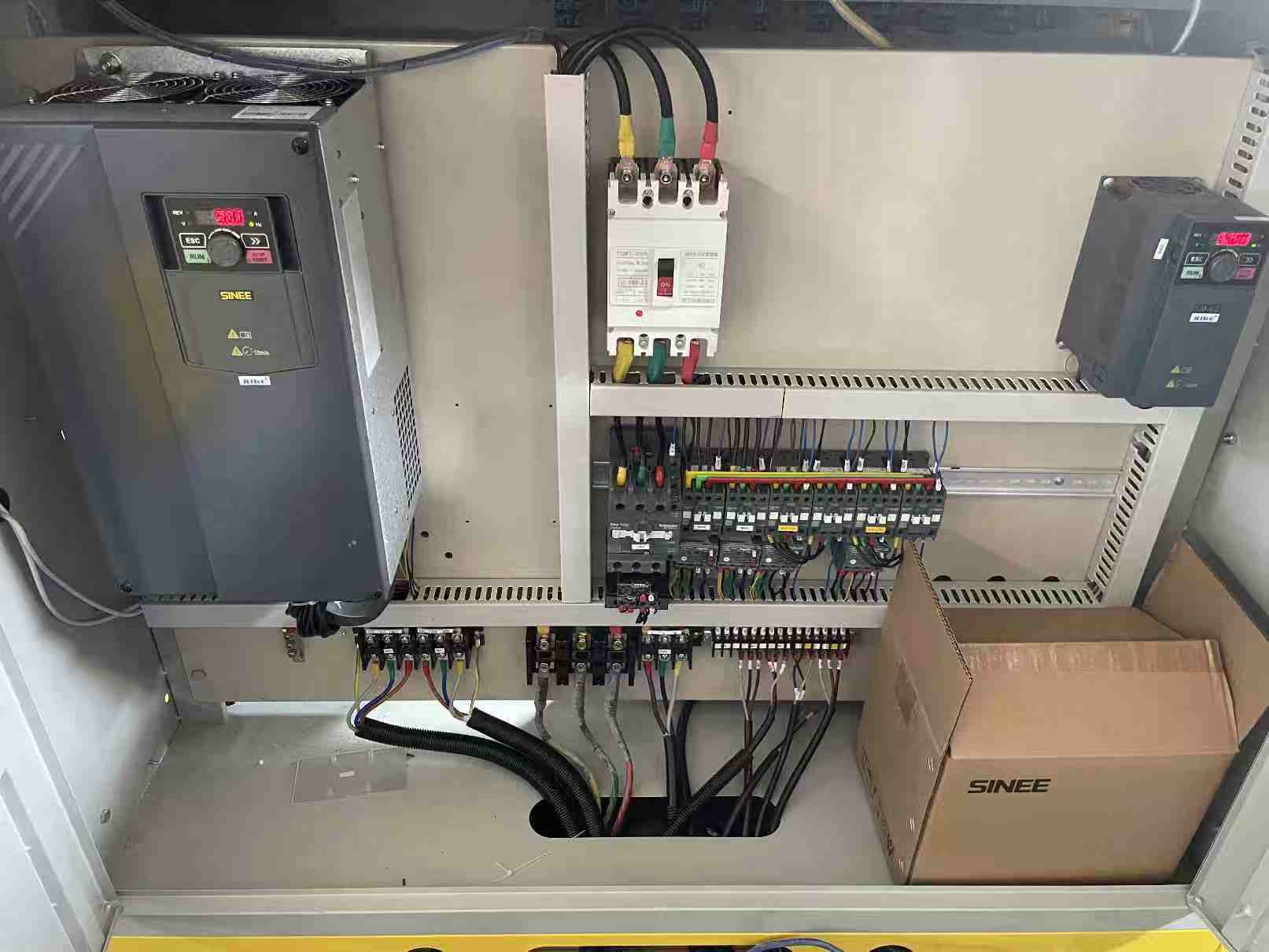
Why one block machine line needs several inverters
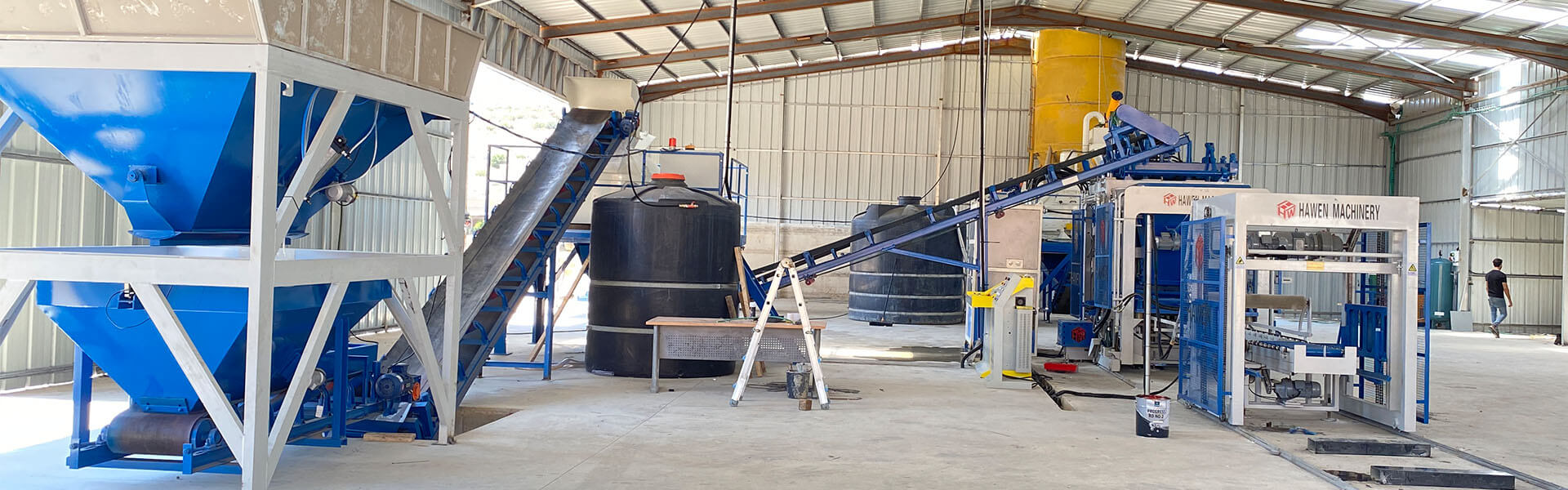
A block production line is not one machine movement. It is a chain of coordinated actions. Aggregates must be batched and conveyed, concrete must be mixed, material must enter the forming machine, pallets must move into position, fresh blocks must be transferred, and cured products may be stacked or cubed. Each action uses different motor loads and different timing. Multiple inverters allow each motor section to work with its own speed curve.
For example, a material conveyor may need enough speed to keep the mixer supplied, but not so much speed that material spills or separates. A feeding belt may need a slower and more stable movement when dosing material. A pallet conveyor may need smooth motion to avoid moving a pallet too sharply before or after demoulding. A cuber or palletizing system may require speed changes between empty return movement and loaded movement.
If all these motors use direct on-off control, the line can still run, but the operation becomes rougher. Motors draw high starting current, mechanical parts receive sudden impact, and operators have fewer ways to fine-tune production. With separate inverter control, the PLC can command different speeds according to recipe, product type, or production stage.
Speed control and soft start function
Speed control is the most visible function of an inverter. In mechanical production, correct speed is not always maximum speed. A conveyor that is too fast may overload the next process. A mixer discharge that is too fast may create uneven feeding. A pallet movement that is too fast may shift green blocks. A lifting or stacking movement that is too fast may cause impact at the end of travel. Inverters allow the machine supplier to set a useful speed instead of accepting whatever speed the motor produces at grid frequency.
Soft start is equally important. When a motor starts directly from the power supply, current can be several times higher than normal running current. This creates electrical stress and mechanical shock. An inverter reduces this impact by increasing frequency gradually. The motor starts more smoothly, belts and chains are less shocked, and the electrical system experiences lower starting disturbance.
Soft stop protects the process in a similar way. In block production, stopping a conveyor suddenly may leave material piled in one area. Stopping a pallet movement suddenly may shake fresh blocks. Stopping a stacker sharply may create noise and mechanical wear. Controlled deceleration helps each movement end in a more predictable position. This is especially useful in automatic lines where one delayed or overshot movement can stop the full cycle.
Coordination with PLC and sensors
An inverter does not decide the whole production sequence by itself. In most automatic equipment, the PLC sends the inverter start commands, stop commands, speed references, and sometimes direction commands. Sensors tell the PLC whether a pallet is in position, whether material is available, whether a conveyor has reached the end position, or whether a safety condition is satisfied. The PLC then decides when each inverter-controlled motor should move.
This is why inverter control and PLC logic must be considered together. A PLC article may focus on sequence control, but the inverter is the device that makes many motor actions physically smoother. The existing article on PLC systems in block machines explains how the PLC coordinates feeding, vibration, pressing, and pallet transfer. Inverter control adds speed and acceleration detail to many of those motor-driven actions.
Communication can be simple or advanced. In a basic setup, the PLC sends digital start-stop signals and an analog speed reference. In a more advanced setup, the inverter may communicate through an industrial protocol, allowing the PLC to read motor current, fault code, frequency, running status, and alarm history. This helps operators diagnose overload, belt jamming, motor overheating, or abnormal load before it becomes a long stoppage.
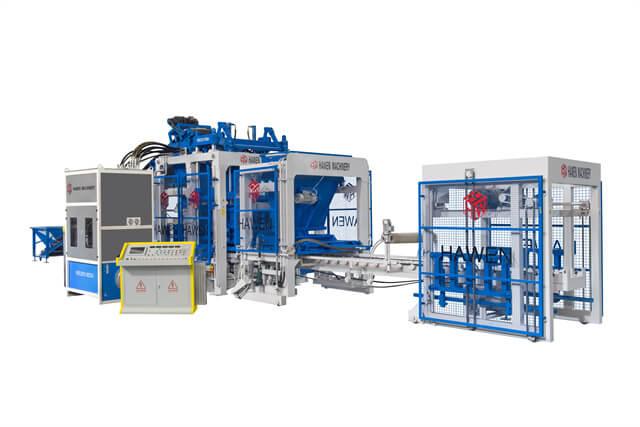
Inverter roles in a block production line
In the batching area, inverters are often used to control aggregate conveyor belts. The goal is to move material steadily and support weighing accuracy. If a belt starts too sharply, material may surge. If it stops too slowly, the weighing system may overshoot. Proper inverter settings help balance speed and accuracy, especially when the batching machine handles several aggregate sizes.
In the mixing and feeding area, inverter control may be used for conveyors, skip hoists, mixer discharge belts, or face-mix feeding equipment. The speed must match the mixer output and forming machine demand. If the conveyor feeds too much material too quickly, the hopper may overflow or the material may separate. If it feeds too slowly, the forming machine waits and cycle time increases.
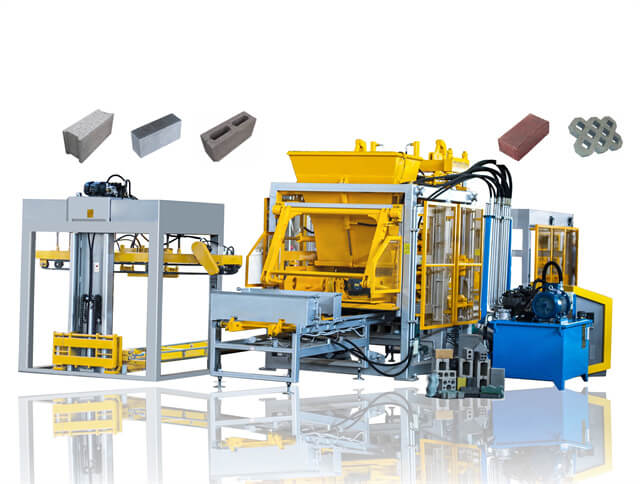
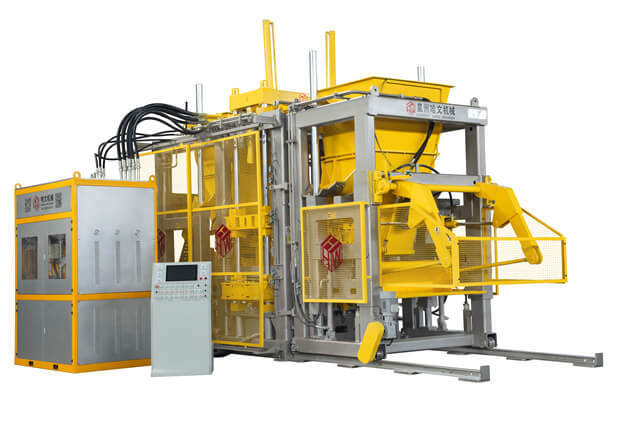
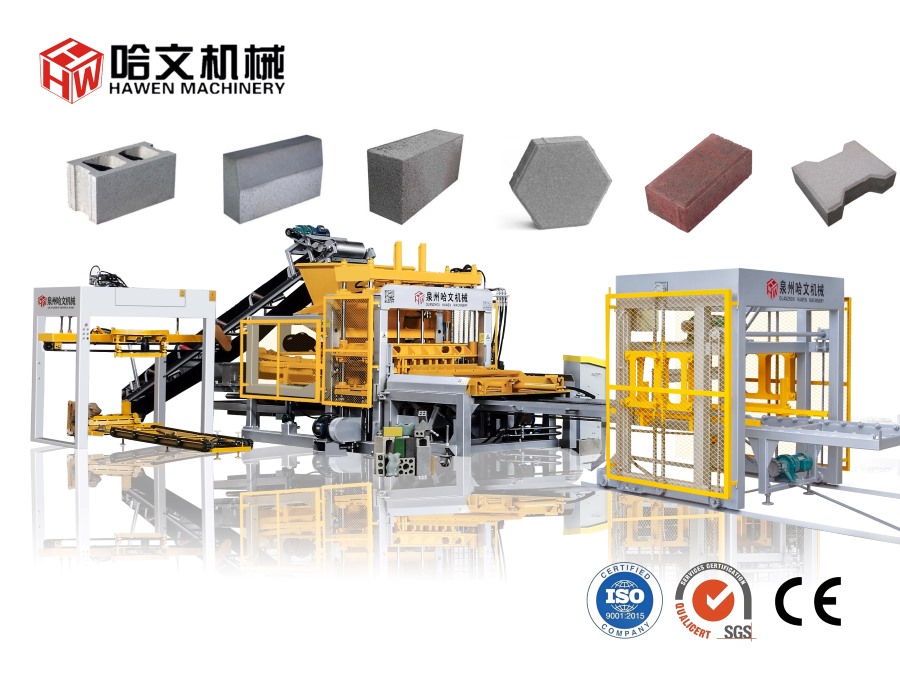
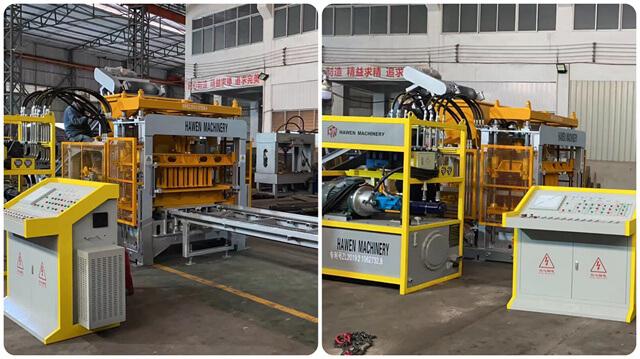
In the forming and pallet handling area, inverters help control pallet conveyors, pallet feeders, and related transfer mechanisms. These movements must be smooth because the pallet is the base for the mould and the carrier for green blocks. Sudden acceleration may disturb fresh products, while slow or unstable positioning may interrupt mould closing and demoulding. In a larger machine such as a QT15 automatic concrete paver block machine, accurate coordination becomes more important because each pallet carries more products.
In the finished product handling area, inverters may control stackers, cubers, chain conveyors, or pallet return systems. The loads change between empty movement and loaded movement. Inverter parameters can be set so the machine moves quickly when safe and slows down near transfer points. This reduces impact and helps protect green or cured blocks from chipping.
Comparison table for inverter functions
| Controlled section | Main inverter function | Production benefit |
|---|
| Aggregate conveyor | Adjust belt speed, ramp start, and controlled stop during weighing. | More stable material supply and less weighing overshoot. |
| Mixer discharge or feeding belt | Match discharge speed to hopper demand and forming cycle. | Reduced overflow, less waiting time, and smoother material flow. |
| Pallet conveyor | Control acceleration, deceleration, and positioning movement. | Less shock to green blocks and more stable mould entry timing. |
| Stacker or cuber | Use different speeds for approach, transfer, and return movement. | Lower impact, fewer chipped blocks, and smoother automatic handling. |
| Auxiliary equipment | Adapt speed to product recipe, line layout, and motor load. | Better flexibility when changing products or adjusting output. |
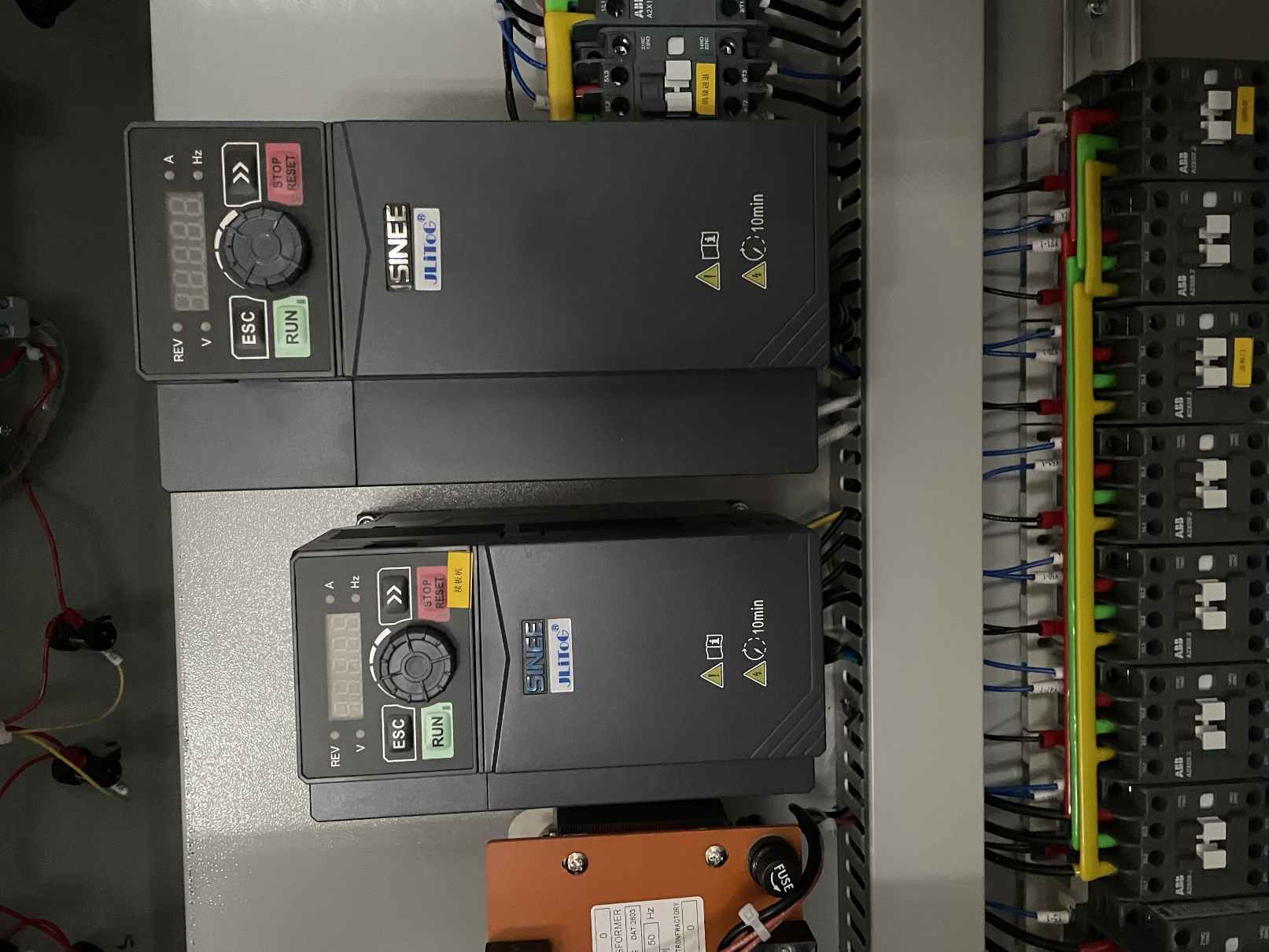
Buyer checkpoints for inverter configuration
Before ordering a machine, buyers should ask which motors are controlled by inverters and which motors use direct starting. The answer shows how much control flexibility the line has. It is not necessary for every small motor to have its own inverter, but the main conveyors, dosing belts, pallet handling sections, and automatic stacking movements should be reviewed carefully.
Buyers should also ask for the inverter brand, power rating, overload margin, cabinet ventilation method, braking resistor configuration if used, and spare part availability. A correctly sized inverter should match the motor and load. If the inverter is too small, overload trips may appear during heavy production. If the cabinet cooling is poor, the inverter may overheat in hot climates or dusty workshops.
Parameter backup is another practical point. Inverter settings include acceleration time, deceleration time, maximum frequency, minimum frequency, torque boost, overload protection, braking mode, and communication address. If a drive is replaced without parameter records, the machine may run but not behave the same. Suppliers should provide parameter lists or backup files as part of the electrical documentation.
Testing should be done with material, not only empty movement. During a factory test, observe whether conveyors start smoothly, whether material surges, whether pallets stop accurately, whether stackers hit hard at the end of travel, and whether any inverter reports overload. A line that runs smoothly empty may still need adjustment when loaded with aggregate, concrete mix, pallets, and blocks. For complete lines using a planetary concrete mixer, the inverter settings should match the real material flow from mixer to forming machine.
FAQ
Does every motor in a block machine need an inverter?
No. Motors that only perform simple low-risk actions may use direct control. Inverters are most useful where speed adjustment, smooth start-stop, positioning stability, or load protection affects production quality and line reliability.
Can one inverter control several motors?
It can in some applications if the motors always run together and have similar loads, but individual inverter control gives better protection and adjustment. For important process sections, separate control is usually easier to diagnose and tune.
Does an inverter save electricity?
It may reduce wasted energy when motors do not need to run at full speed, but the main value in block production is often process control: smoother movement, lower starting current, less shock, and better synchronization.
What causes inverter faults in a dusty block plant?
Common causes include overload, poor cabinet ventilation, dust buildup, loose wiring, motor insulation problems, high ambient temperature, incorrect parameters, or mechanical jamming in the driven conveyor or handling system.
Conclusion
Multiple inverters are used in mechanical equipment because different motors need different speed, acceleration, braking, and protection behavior. In a block production line, they help control aggregate belts, feeding conveyors, pallet movement, stackers, cubers, and auxiliary machines. Their working principle is to convert fixed AC power into adjustable frequency and voltage output so motors can run at controlled speeds instead of only fixed grid speed.
For buyers, the next step is to evaluate the inverter system as part of the full automation package. Check which motors have inverter control, how the drives communicate with the PLC, whether parameters are documented, whether the cabinet is cooled properly, and whether loaded testing confirms smooth movement. When multiple inverters, PLC logic, sensors, mechanical transmission, and production recipes are matched correctly, the equipment becomes easier to tune, gentler on mechanical parts, and more stable during daily block production.





 Tel: +86-13905968794
 Email: export@hwmachines.com
 MP/WhatsApp: +86-13905968794
 Manufacturer Address:Nanan,Quanzhou City,Fujian Province,China