Height variation in concrete blocks and pavers is more than a small appearance problem. Uneven block height can create difficult masonry work, unstable paving surfaces, poor pallet stacking, slow installation, customer complaints, and project rejection. In a block machine plant, height variation usually means that material feeding, pallet support, vibration, hydraulic pressing, mold condition, or control timing is not stable enough.
This guide explains why concrete blocks, pavers, solid bricks, and kerbstones may come out with inconsistent height. It also gives practical factory-level fixes for buyers and operators using an automatic block making machine or brick making machine line. The focus is not only on explaining the defect, but on finding the process point that causes it and correcting it in a controlled way.
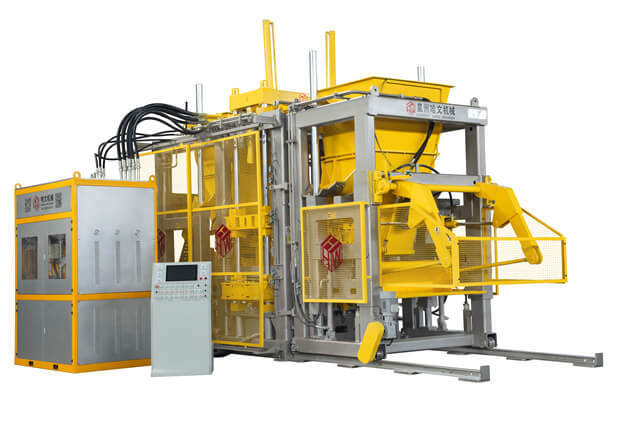
Understand the Height Problem First
Why height variation matters
Height consistency affects both production and final use. Hollow blocks with uneven height can make masonry joints irregular. Pavers with height variation can create an uneven walking surface. Kerbstones with inconsistent height can make road-edge installation slower and less professional. Even if the compressive strength is acceptable, the product may still fail customer expectations.
A concrete block machine is expected to deliver repeatable product geometry. When height variation appears, the factory should not blame only the mold or only the operator. The defect may come from several connected factors: how much material enters the cavity, how well the material compacts, how stable the pallet is, and how accurately the machine repeats the pressing and demoulding cycle.
Factory note: Height variation should be checked before the product leaves the curing area. If the factory discovers the problem only during loading or installation, the cost of correction becomes much higher.
Measure the defect before adjusting the machine
Before changing settings, measure the height pattern. Is the whole pallet low? Is one side higher than the other? Are the center blocks different from the edge blocks? Does the defect happen only after a product change? Does it appear when raw materials become wetter or drier? These observations help separate material, mold, vibration, pallet, and hydraulic causes.
Use a consistent measuring method and record the product, mold, shift, batch condition, machine settings, and pallet number. If the defect repeats on the same cavity, inspect the mold and tamper head. If the whole pallet varies from cycle to cycle, check feeding, moisture, vibration, pressing, and control timing.
| Height pattern | Likely cause area | First practical check |
|---|
| One cavity is always low or high | Mold wear, tamper shoe, cavity filling | Inspect cavity dimensions and tamper alignment |
| One side of the pallet is higher | Pallet support, guide alignment, uneven feeding | Check pallet flatness and material car movement |
| Height changes between batches | Moisture, mixing, aggregate grading | Review water addition and material storage condition |
| Height changes after product switch | Recipe, vibration setting, mold setup | Compare saved parameters and setup records |
Material Flow and Compaction Causes
Material feeding and mold filling
Uneven filling is one of the most common causes of height variation. If one cavity receives less material, it will compact lower. If the material box does not move smoothly, if the scraper is worn, or if the mix bridges inside the feeding section, the mold may not fill evenly before vibration begins.
The operator should check the material box, feeding time, scraper condition, guide rails, and material distribution across the mold. For different products, the feeding behavior can change. A hollow block, a thick paver, and a kerbstone do not fill the same way. A flexible fly ash brick paver making machine should be adjusted according to the product shape and material behavior.
If height variation appears at the edges of the mold, the factory should also inspect whether the material is reaching the outer cavities fully. The problem may not be pressing force. It may be that the cavity never received enough material in the first place.
Moisture batching and mixing control
Moisture affects compaction height. A dry mix may not settle enough under vibration. A wet mix may compact too much, stick to the mold, or deform after demoulding. If moisture changes from batch to batch, height consistency becomes difficult even when the block machine settings remain unchanged.
A stable batching machine in block making helps control aggregate and cement dosing. A steady cement silo in block making supports more consistent cement feeding. The mixer must then distribute cement, water, and fine materials evenly so each cycle enters the mold with the same behavior.
A suitable concrete mixer should match the material type and production rhythm. For products with stricter surface and geometry requirements, a planetary concrete mixer can support uniform mixing. For larger output lines, a twin-shaft concrete mixer may be selected according to batch demand and plant layout.
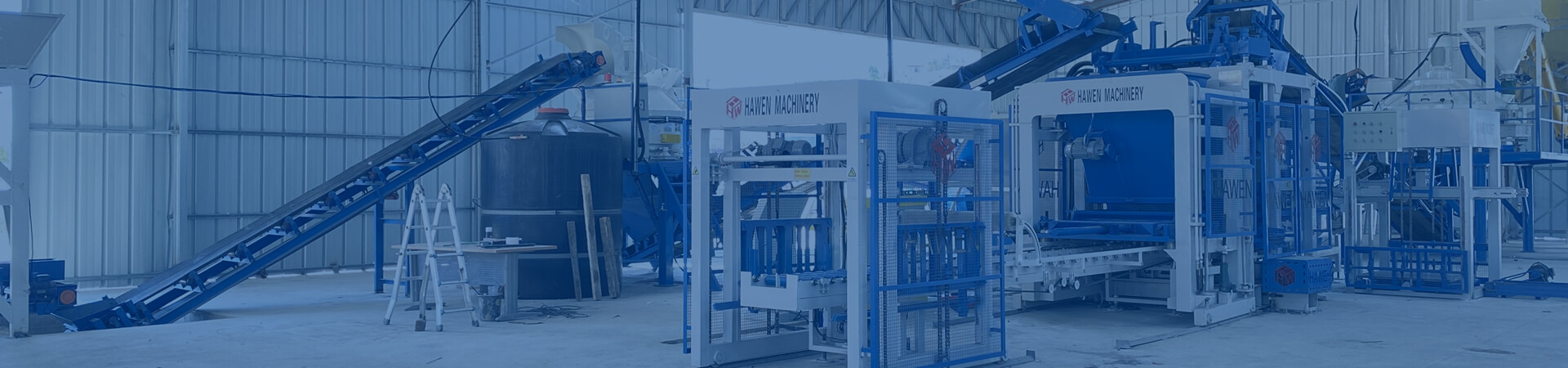
Vibration and compaction balance
Vibration controls how the material settles inside the mold. If vibration is weak or uneven, some cavities may remain loose. If vibration time is too long or poorly matched to moisture, the product may compact too much, segregate, or lose surface stability. Height control depends on balanced compaction, not simply stronger vibration.
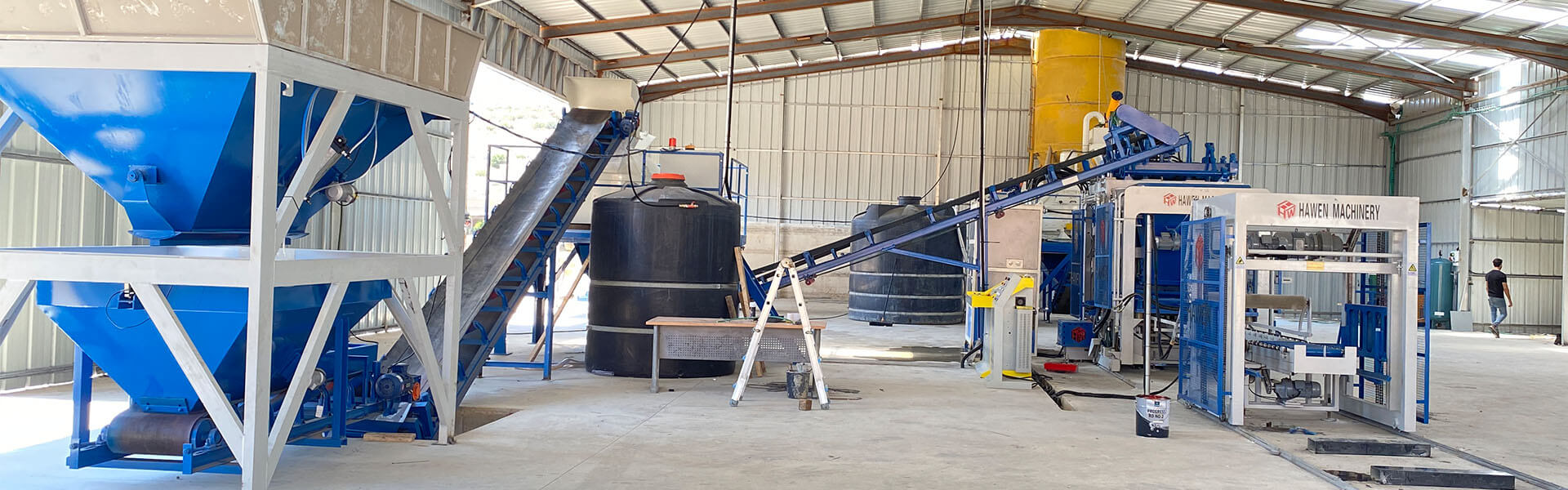
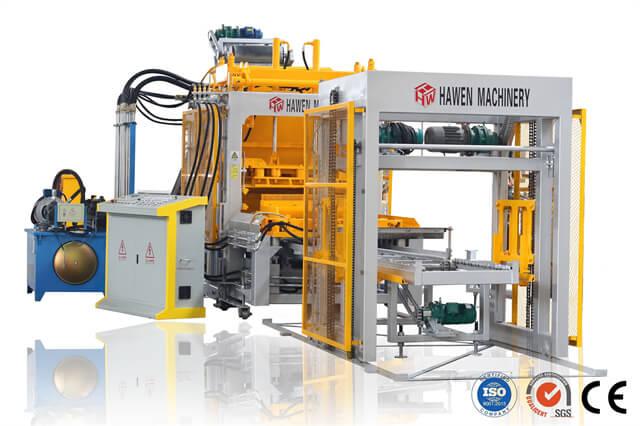
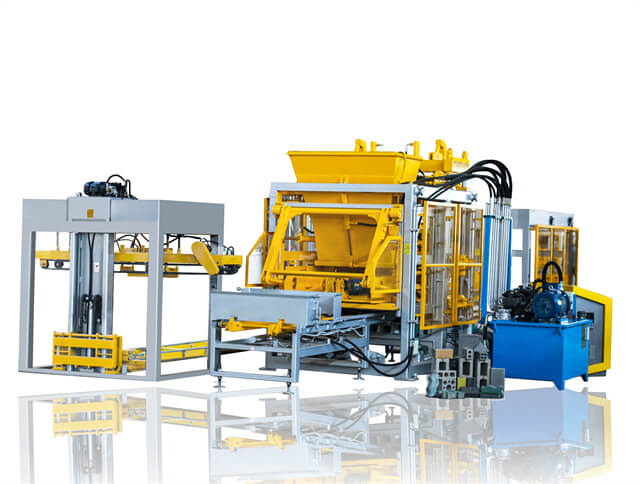
HAWEN Machinery adopts a four-shaft vibration box design and places eccentric blocks outside the housing. This reduces vibration resistance, supports uniform compaction, and helps lower unnecessary cement compensation while improving overall efficiency. For height control, uniform compaction across the mold is especially important because uneven density often appears as uneven product height.
When adjusting vibration, change one variable at a time. Record feeding time, pre-vibration, main vibration, pressing time, and final product height. If a concrete paver block machine produces stable pavers but unstable hollow blocks, the solution may be product-specific settings rather than a mechanical fault.
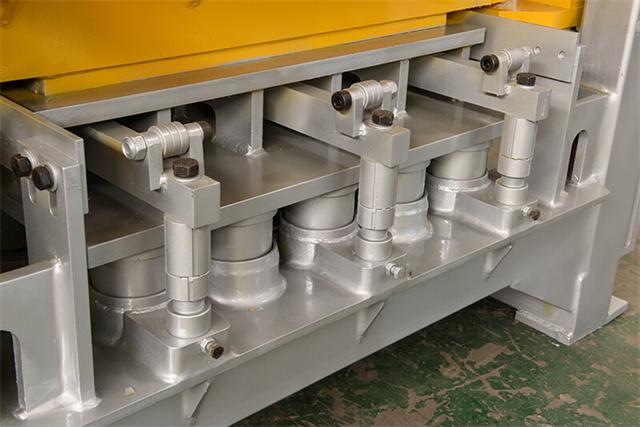
Machine Precision and Product Support
Hydraulic pressing and demoulding stability
The hydraulic system affects pressing height, demoulding stability, and cycle repeatability. If pressure response is unstable, if cylinder movement is delayed, or if guides are worn, product height may drift. A hydraulic issue can be mistaken for a mold problem because both affect the final product geometry.
In HAWEN block machines, the hydraulic station uses Japanese YUKEN proportional and directional valves with an American ALBERT hydraulic pump. This configuration supports precise motion control and dependable load response during repeated production cycles. For factories trying to control height variation, stable movement helps keep pressing and release behavior more repeatable.
Before increasing pressure, inspect oil level, oil temperature, filters, leakage, cylinder travel, valve signal, and mechanical resistance. Higher pressure is not a universal fix. If the problem is uneven filling or pallet deformation, pressure adjustment may only hide the real cause.
Mold wear and tamper head accuracy
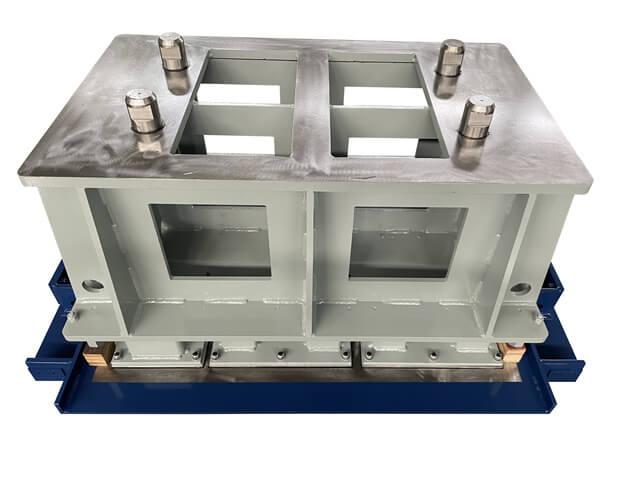
The mold and tamper head control product geometry directly. Worn shoes, damaged liners, loose bolts, inaccurate cavity dimensions, rough mold walls, or poor fit can create height variation. If one cavity produces a different height repeatedly, the mold should be inspected before changing the whole machine setup.
HAWEN Machinery designs molds compatible with leading block machine brands, including Masa, Hess, Zenith, Poyatos, Besser, Tiger, Columbia, Quadra, and Omag. The molds follow original specifications for precise fit, smooth operation, and consistent block quality across platforms. Heat treatment improves wear resistance, and hardness is checked at HRC 59-61.
A hollow block mould, interlocking paver mould, or curb stone mould should be reviewed with the product drawing. The inspection should include cavity depth, tamper shoe condition, guide movement, and fastening points. A good mold is not only a shape tool. It is a precision component inside the brick machine cycle.
Pallet flatness and product support
The pallet supports the fresh product during forming, demoulding, transfer, and early curing. A warped pallet can make one side of the product lower. A dirty pallet can affect support height. A weak pallet can bend under heavy pavers or kerbstones, creating height variation that looks like a machine problem.
A stable GMT pallet helps support fresh blocks when its size, stiffness, and surface condition match the product. The factory should remove damaged pallets from production instead of waiting for visible product rejection. For automatic lines, an automatic pallet provider also needs correct alignment so the board enters the forming area at the same position each cycle.
After demoulding, downstream handling can also change product geometry if blocks are moved too early. An automatic offline palletizing system should be matched with curing strength and pallet flow. Height control does not end when the product leaves the mold.
Control system repeatability
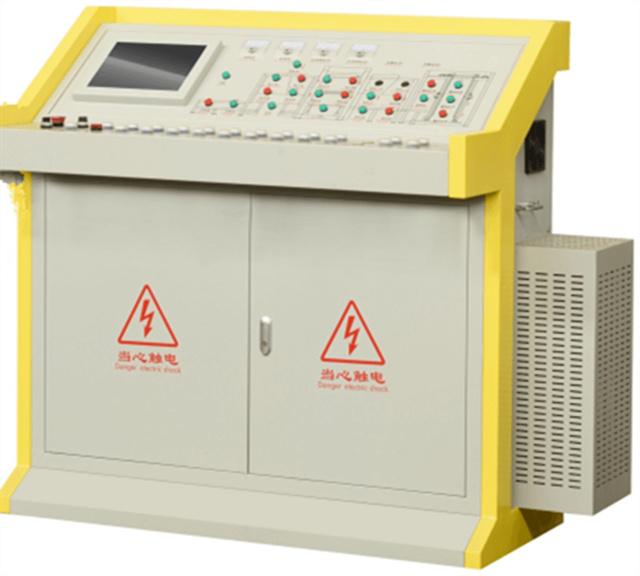
The control system keeps each cycle repeatable. Feeding, vibration, pressing, demoulding, pallet movement, alarms, and safety logic must occur in the right order. If the operator changes parameters without record, height variation becomes harder to diagnose. If sensors are dirty or misaligned, the machine may start the next movement before the previous one is fully stable.
HAWEN Machinery integrates a Siemens S7-200 PLC with an intuitive touch panel and remote monitoring capability. Through this system, the operating status of customers' block machines can be tracked in real time, operating parameters can be optimized remotely, and production quality can remain more consistent.
A solid cement block machine or cement paver brick production machine should have product settings that operators can repeat. Recipe memory and clear alarm records help the factory compare what changed when height variation appears.
Practical Factory Control
Factory checklist for height control
Height variation should be solved through a controlled sequence. First measure the pattern. Then check material feeding, moisture, mixing, vibration, hydraulic movement, mold condition, pallet flatness, and control timing. Do not adjust cement, water, vibration, and pressure all at once. If several variables change together, the factory cannot know which correction actually worked.
Production note: If the height problem appears only in one cavity, start with the mold and tamper head. If the whole pallet varies from cycle to cycle, start with material, vibration, hydraulic repeatability, and pallet condition.
| Check item | What to inspect | Why it affects height |
|---|
|





 Tel: +86-13905968794
 Email: export@hwmachines.com
 MP/WhatsApp: +86-13905968794
 Manufacturer Address:Nanan,Quanzhou City,Fujian Province,China