A concrete mixer for a block making machine plant must prepare a low-slump, semi-dry mixture that can fill the mould, compact under vibration, demould cleanly, and cure into a stable product. The mixer is not only a support machine. It directly affects cement dispersion, moisture uniformity, pigment consistency, surface texture, edge strength, and the repeatability of every block machine cycle.
The two mixer types most often compared in concrete block and paver production are twin-shaft mixers and planetary mixers. Both can be suitable, but they serve different priorities. A buyer should compare them by material behavior, batch size, color requirements, maintenance access, discharge stability, power demand, and compatibility with the selected brick machine line. This article explains how to choose between the two without relying on a simple “which one is better” answer.
Mixing Performance and Product Quality
Mixer role in block quality
The mixer prepares the material condition that the forming machine receives. If cement, water, aggregate, and pigment are not evenly distributed, the block machine may still cycle normally, but the products can show inconsistent weight, weak edges, color patches, surface cracks, or unstable demoulding. Many problems blamed on the mould or vibration system actually begin in the mixing stage.
For dry-cast concrete products, the mixture must remain cohesive without becoming too wet. It should flow into the mould cavity under controlled feeding, respond to vibration, and keep enough green strength after demoulding. A suitable mixer therefore needs both strong mechanical action and repeatable timing.
The mixer is also linked to material cost. Poor dispersion may cause operators to add more cement or water to hide inconsistency. That can increase cost and reduce process control. A balanced batching machine in block making, accurate cement supply, and a reliable mixer usually provide a better solution than over-correcting the recipe.
Production observation: During a sample video review, the most useful mixer evidence is not only whether the blades rotate. The buyer should watch discharge uniformity, wet and dry zones, mixer cleaning condition, and the first several pallets after a fresh batch enters the brick machine.
Twin-shaft mixer behavior in block plants
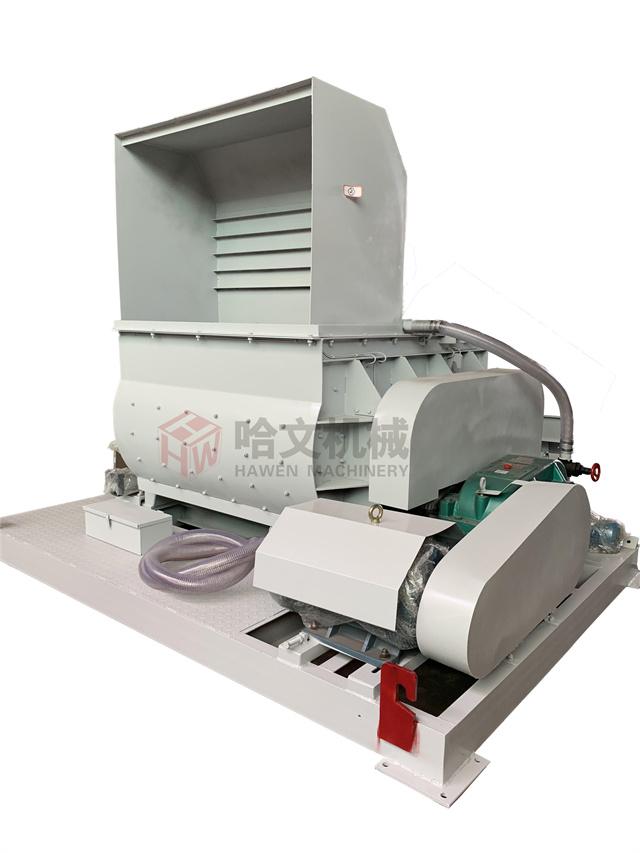
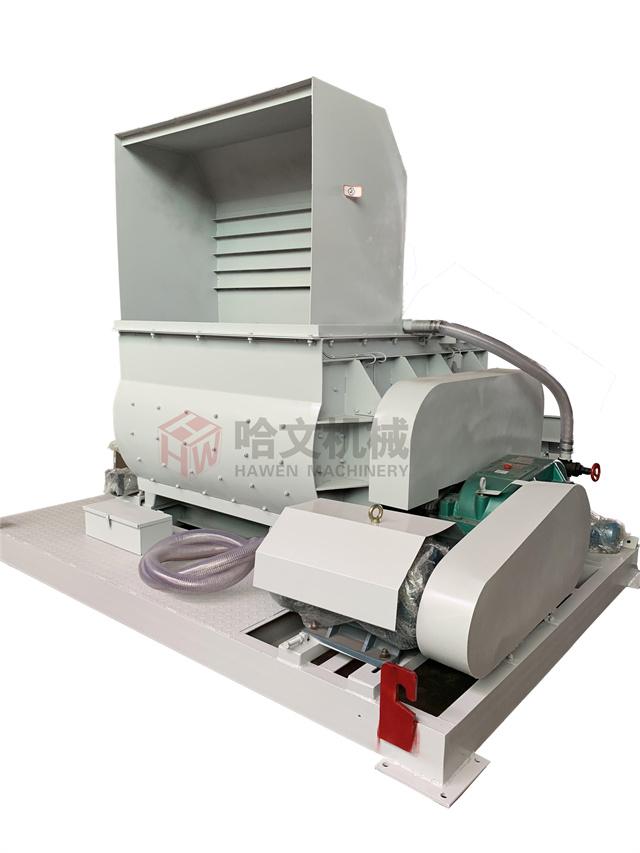
A twin-shaft mixer uses two horizontal shafts with mixing arms that create strong cross-flow and material movement. In concrete product plants, it is often selected for robust mixing, practical batch capacity, and efficient handling of aggregate-rich mixtures. It can be a good choice when the factory produces hollow blocks, solid blocks, kerbstones, and standard pavers with consistent recipes.
The advantage of a twin-shaft concrete mixer in brick making is its mechanical strength and fast material turnover. It is commonly suited to production lines where the priority is stable high-volume supply to a brick making machine rather than frequent small-batch color changes.
Buyers should still examine liner wear, blade adjustment, discharge gate sealing, cleaning access, and motor starting demand. A twin-shaft unit can perform poorly if the batch is too small for the chamber, if the blades are worn, or if material remains in dead zones after discharge.
Planetary mixer behavior in paver and colored block production
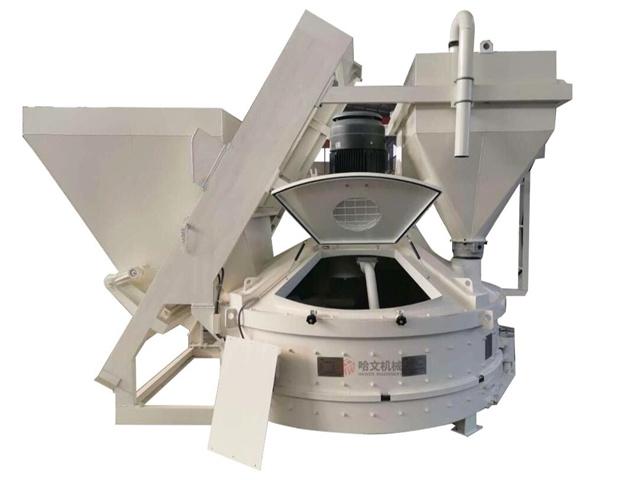
A planetary mixer uses rotating arms that move through the mixing pan while also sweeping around the chamber. This creates intensive mixing paths and can help with uniform dispersion in smaller or more controlled batches. It is often considered when the plant produces colored pavers, face-mix layers, specialty blocks, or products where surface appearance is especially important.
The planetary concrete mixer in brick making can be useful for recipes that require careful pigment distribution or precise water control. Its pan configuration can make visual inspection easier, and controlled batch discharge can support consistent feeding to the block making machine.
The limitation is that selection must match capacity and production rhythm. A planetary mixer that is too small may restrict the forming line. A mixer that is oversized for small batches may reduce mixing efficiency. Buyers should compare actual batch volume, discharge time, cleaning frequency, and the number of product changes per shift.
Dry-cast concrete comparison matrix
| Evaluation point | Twin-shaft mixer tendency | Planetary mixer tendency |
|---|
| High-volume block supply | Often strong for continuous aggregate-rich production | Possible when capacity matches the forming cycle |
| Pigment and face-mix control | Can work, but cleaning and color transition must be managed carefully | Often preferred where visual uniformity and small controlled batches matter |
| Maintenance access | Focus on shaft seals, arms, liners, and discharge gate | Focus on pan liners, arms, scrapers, and cleaning space |
| Batch-size flexibility | Best when batch size fits the chamber and line rhythm | Can be practical for specialty products and controlled runs |
| Buyer risk | Underestimating cleaning, liner wear, or start-up load | Undersizing the mixer for the main forming machine output |
Method note: The best comparison uses the buyer's actual aggregate, cement, pigment, water condition, batch size, and product mix. A general mixer description cannot replace a trial with local materials.
Selection by Plant Configuration
Selection by product type and factory layout
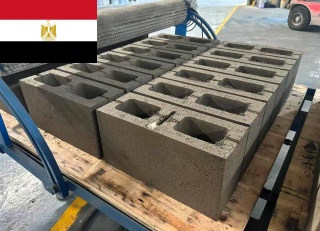
Product type is often the first filter. Hollow wall blocks and standard solid units usually emphasize steady output and repeatable density. Colored paving stones emphasize surface appearance, pigment distribution, and face-mix discipline. Kerbstones emphasize larger concrete volume and stable feeding. A single mixer choice should be tested against the products that generate the factory's main revenue.
A smaller QT4 interlocking paver brick machine may have different batch timing than a medium QT6 cement paver brick production machine. A larger QT12 hydraulic hollow block production line or QT15 automatic concrete paver block machine may require stronger synchronization between mixing, conveying, and forming.
The factory layout also matters. Long conveyor paths can allow material segregation if the mixture is not stable. Frequent product changes require better cleaning access. A plant that uses a cement silo in block making should coordinate cement feeding, weighing, and mixer loading sequence so the recipe remains repeatable.
Batching moisture and color control
The mixer cannot correct inaccurate batching. It can only distribute what enters the chamber. Aggregate moisture should be measured or controlled through a consistent method. Wet sand changes the effective water content. Unstable moisture can lead to soft edges, poor demoulding, surface color shifts, and changes in unit weight.
For colored pavers, pigment addition should be stable in both quantity and timing. The factory should define whether pigment enters before or after initial aggregate movement, whether water is added in one stage or several stages, and how long the final homogenization runs. These decisions affect visible color consistency.
When the product uses a precise interlocking paver mould or concrete block mould, inconsistent mix moisture becomes more visible because filling depth, edge sharpness, and surface density change from cycle to cycle. The mould is the final geometry; the mixer prepares the material that must occupy that geometry.
HAWEN Machinery integration points
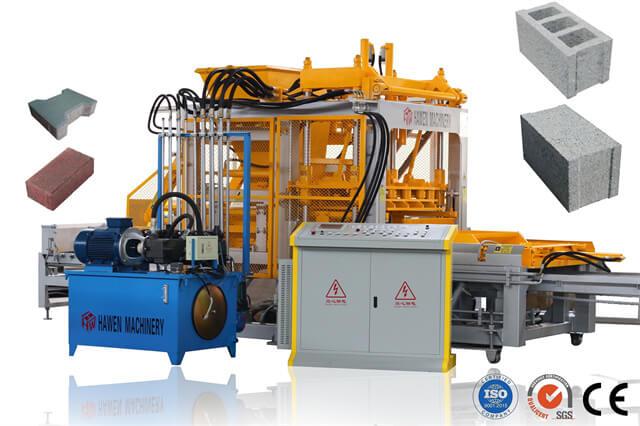
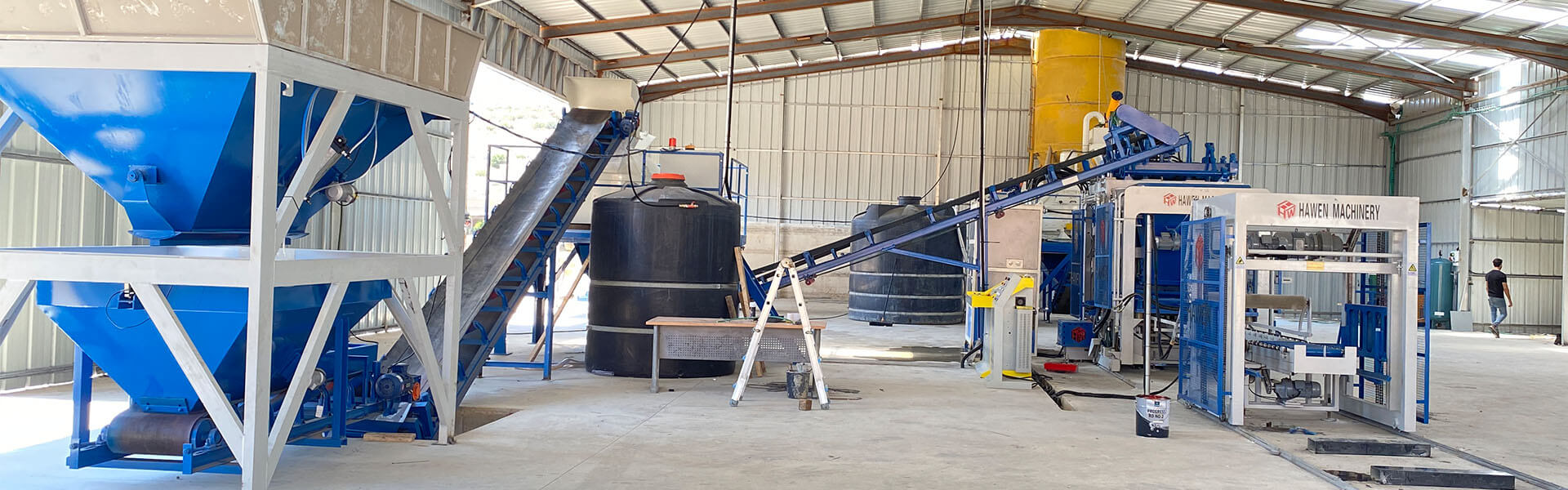
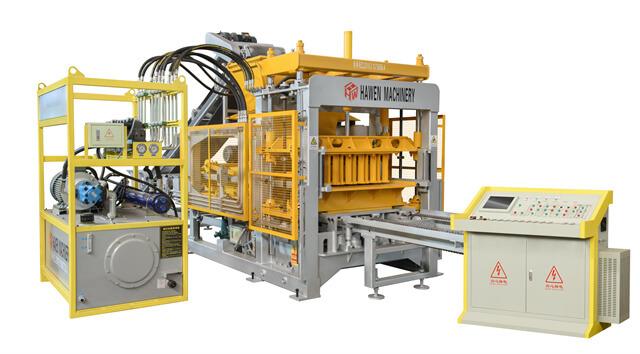
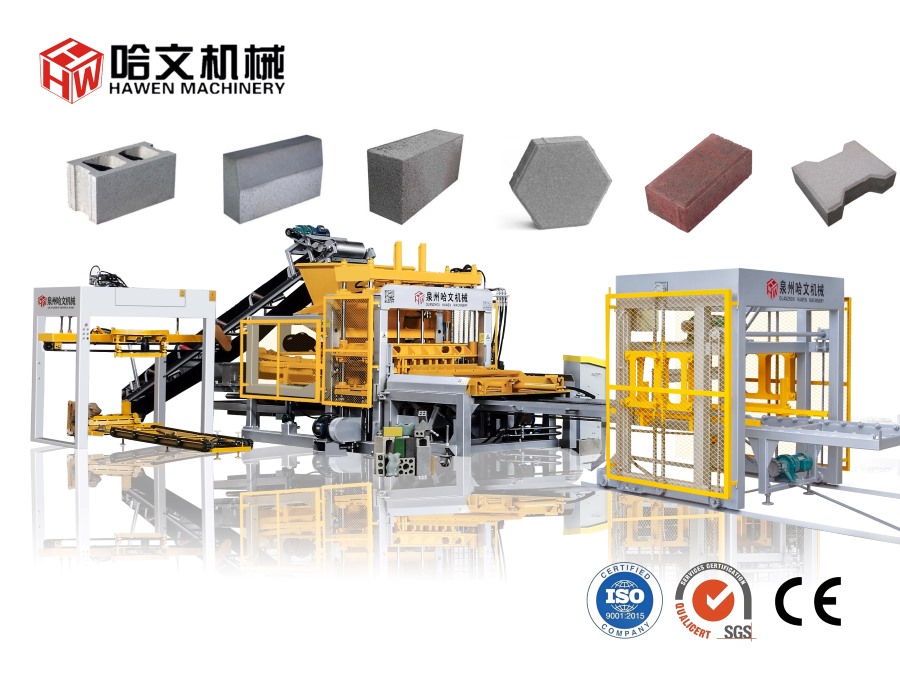
HAWEN Machinery evaluates mixer selection as part of the complete block machine plant, not as an isolated purchase. The mixer must match batching accuracy, conveyor capacity, forming cycle, pallet handling, product type, and control sequence. A strong mixer paired with undersized material feeding can still leave the brick machine waiting for the next batch.
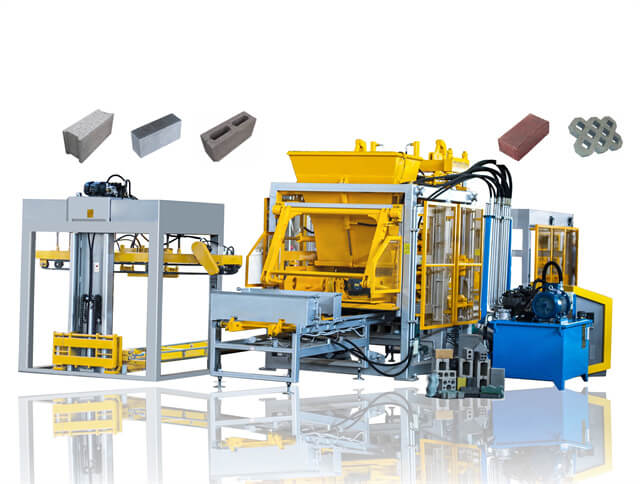
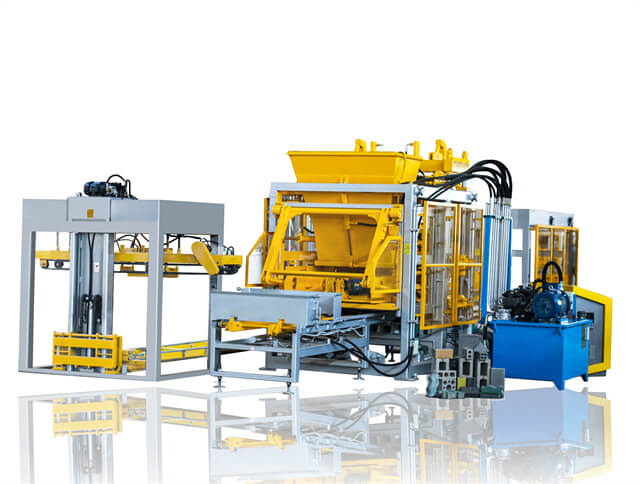
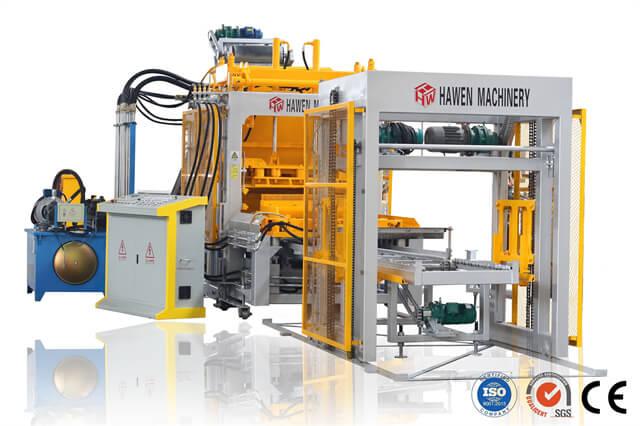
After mixing, forming quality depends on controlled vibration and hydraulic movement. HAWEN adopts a four-shaft vibration box design with eccentric blocks arranged outside the housing. This reduces resistance during vibration and supports more uniform compaction, which can help lower unnecessary cement compensation and improve overall efficiency.
For hydraulic control, HAWEN uses Japanese YUKEN proportional and directional valves together with an American ALBERT hydraulic pump. This arrangement supports stable movement and reliable load response when the forming section repeatedly presses and demoulds semi-dry concrete.
The control system uses a Siemens S7-200 PLC with a touch panel and remote monitoring capability. HAWEN can review real-time operating status and assist with parameter optimization remotely. In a mixer comparison, this matters because batching, mixing, discharge, feeding, vibration, and demoulding should be coordinated as one sequence.
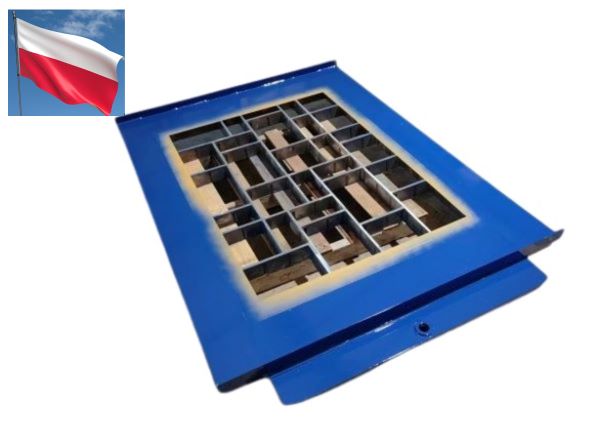
For mould supply, HAWEN designs moulds compatible with well-known platforms including Masa, Hess, Zenith, Poyatos, Besser, Tiger, Columbia, Quadra, and Omag. Heat treatment improves wear resistance, and hardness is checked at HRC 59-61. This supports stable dimensions when the mixer and brick making machine deliver repeatable material and compaction.
Operation Maintenance and Buying Checks
Maintenance cleaning and spare parts
Mixer maintenance should be evaluated before purchase. Check access to liners, arms, blades, shaft seals, scrapers, discharge gates, and lubrication points. Ask how long routine cleaning takes after colored material, wet material, or a recipe change. A mixer that is difficult to clean can cause color contamination and unplanned downtime.
Spare parts should be reviewed together with the expected material abrasiveness. Hard aggregate can accelerate liner and blade wear. Cement buildup can reduce chamber volume and change mixing behavior. A maintenance plan should include inspection intervals, wear-part stock, cleaning tools, and safe lockout procedures.
Downstream equipment also affects the mixer decision. If the plant includes an automatic pallet provider, a GMT pallet system, or an automatic offline palletizing system, the line may run with fewer manual pauses. The mixer must be able to supply material at the rhythm that automation creates.
Buyer checklist before ordering
| Question | Why it matters |
|---|
| What products will account for most of the output? | Hollow blocks, pavers, kerbstones, and face-mix products stress the mixer differently. |
| What is the required batch volume per forming cycle? | Mixer size must match the block making machine rhythm without starving or overfeeding the line. |
| How often will recipes or colors change? | Frequent changes increase the importance of cleaning access and residue control. |
| How will aggregate moisture be measured? | Moisture variation changes workability and may hide the true mixer performance. |
| Which parts are expected wear items? | Liners, blades, arms, scrapers, and seals affect long-term operating cost. |
Before final selection, request a complete line layout and material-flow explanation. A mixer should be chosen with the forming machine, conveyors, batching equipment, storage, curing, and operator workflow in view. This is especially important when comparing an entry plant with a larger QT10 automatic solid cement block machine or an upgraded automatic plant.
Conclusion
Twin-shaft and planetary mixers can both serve concrete block production, but they solve different priorities. Twin-shaft mixers often fit robust high-volume material supply. Planetary mixers can be attractive for controlled batches, colored pavers, and careful surface-quality work. The correct choice depends on product mix, batch rhythm, aggregate behavior, moisture control, cleaning demand, and the capacity of the complete brick machine line.
For buyers, the next step is not to ask which mixer is universally better. It is to send product drawings, material information, planned output, color requirements, and factory layout to the supplier, then review the mixer together with batching, forming, moulds, pallets, and curing. When mixing is treated as the beginning of product quality rather than a hidden auxiliary step, the factory gains more than uniform concrete. It gains a disciplined process that protects cement, stabilizes output, reduces avoidable defects, and turns mechanical coordination into building materials that can carry real human work for years.
FAQ
Is a twin-shaft mixer always better for a block machine plant?
No. It can be strong for high-volume aggregate-rich production, but the best choice depends on batch size, product mix, color requirements, cleaning needs, and line rhythm.
When should a buyer consider a planetary mixer?
A planetary mixer is worth considering when the plant produces colored pavers, face-mix products, specialty blocks, or smaller controlled batches where visual uniformity is important.
Can mixer choice reduce cement consumption?
It can help indirectly. Better dispersion and moisture uniformity may reduce unnecessary cement compensation, but recipe changes should still be verified by product testing.
Does the mixer determine block strength by itself?
No. Strength depends on material quality, mix design, water control, compaction, curing, and product geometry. The mixer supports consistency, but it is one part of the system.
What should be checked during a mixer trial?
Check discharge uniformity, moisture consistency, pigment spread, residue after discharge, cleaning access, batch timing, and the first products formed after the batch enters the machine.
Should the mixer be selected before the block machine?
No. Select it together with the forming machine, batching system, conveyors, moulds, and expected products. A mismatch can restrict output even if each individual machine is well built.
What information should be sent to HAWEN before choosing a mixer?
Send product types, drawings, target output, aggregate details, cement source, pigment use, moisture-control method, automation level, and factory layout. These details allow the mixer and block making machine to be matched as one production system.





 Tel: +86-13905968794
 Email: export@hwmachines.com
 MP/WhatsApp: +86-13905968794
 Manufacturer Address:Nanan,Quanzhou City,Fujian Province,China