A Beginner's Guide to the Block Manufacturing Industry
Author:HAWEN Block MachineFROM:Brick Production Machine Manufacturer
TIME:2026-05-27
The global construction sector continues to expand at a remarkable pace, particularly across emerging economies where urbanization, infrastructure renewal, and affordable housing programs are accelerating simultaneously. Against this backdrop, the concrete block industry has evolved from a small-scale manual trade into a technologically sophisticated manufacturing sector driven by automation, efficiency, and material optimization.
For newcomers, however, the industry may appear deceptively simple. Many investors assume that purchasing a block machine alone is sufficient to establish a profitable business. In reality, sustainable success in block production depends on a far broader constellation of factors, including raw material management, production planning, equipment selection, curing systems, quality control, and market positioning.
This article serves as a practical yet professional introduction to the block manufacturing industry, helping beginners understand how modern concrete block production truly operates and how to avoid costly strategic miscalculations during the early stages.
Understanding the Core of the Block Manufacturing Industry
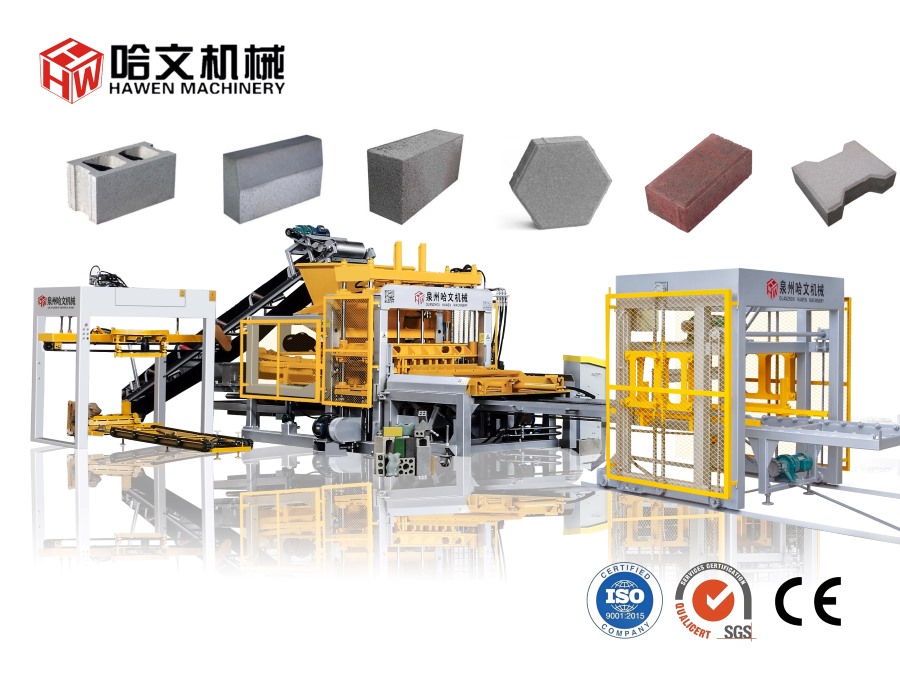
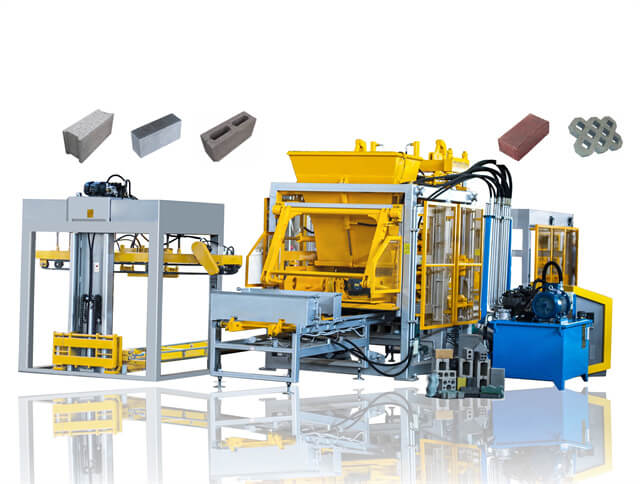
At its essence, the concrete block industry transforms cementitious materials into standardized construction products through vibration, compression, and controlled curing. These products include:
Hollow concrete blocks
Solid bricks
Interlocking pavers
Curbstones
Grass planting blocks
Retaining wall units
Decorative landscape products
Although many people casually refer to all equipment as a “brick machine,” modern production lines are far more versatile. A contemporary block making machine can manufacture multiple products simply by changing molds and adjusting operational parameters.
In mature markets, customers no longer evaluate concrete blocks merely by appearance. They increasingly prioritize:
Compressive strength
Dimensional accuracy
Water absorption rate
Surface uniformity
Long-term durability
Production consistency
Consequently, the industry has become increasingly technology-intensive rather than purely labor-intensive.
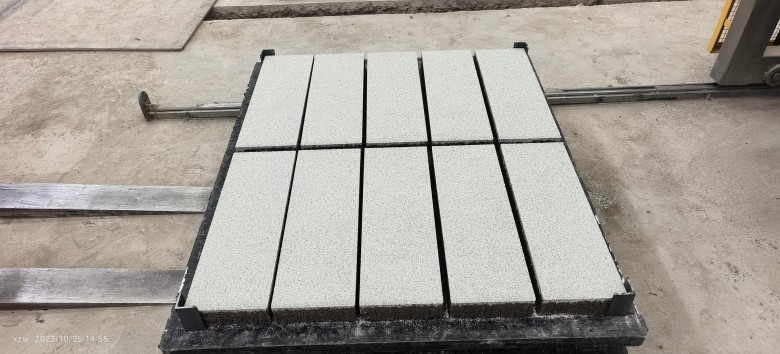
Why Equipment Selection Determines Long-Term Competitiveness
For beginners entering the sector, selecting the right block machine is arguably the most consequential investment decision.
A poorly configured brick making machine may initially appear economical. Yet low-quality vibration systems, unstable hydraulic pressure, or imprecise molds frequently lead to:
High cement consumption
Low production efficiency
Excessive maintenance costs
Cracked products
Uneven block density
Frequent operational downtime
Over time, these hidden inefficiencies erode profitability far more severely than the initial purchase price.
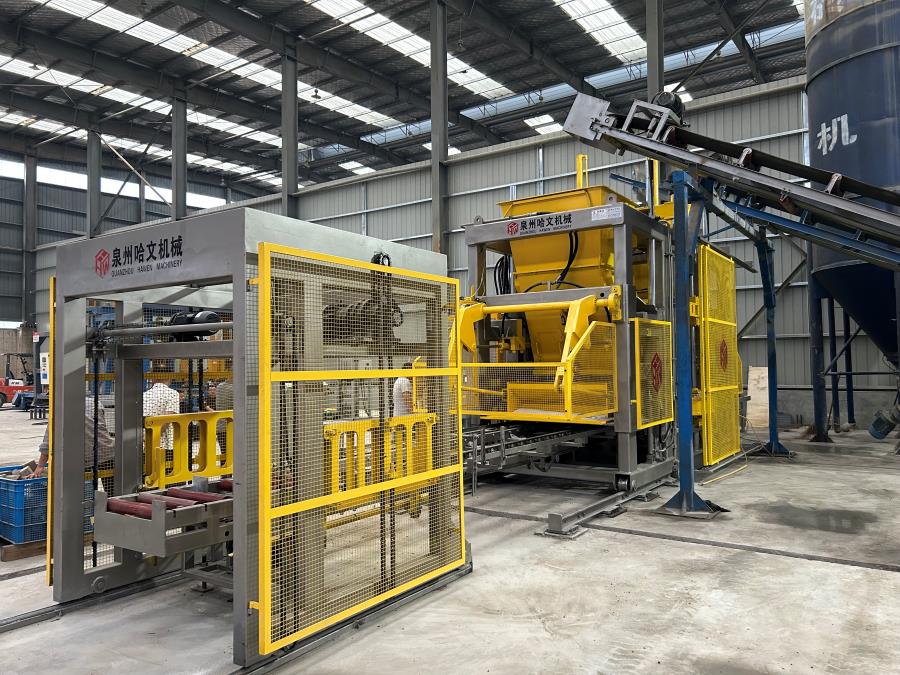
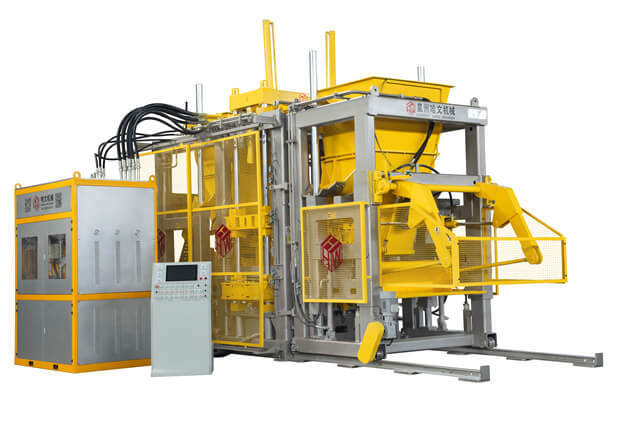
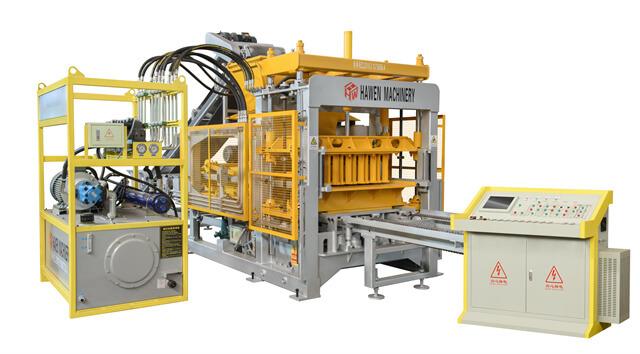
At Hawen Machinery, equipment design emphasizes operational stability and resource efficiency rather than superficial specifications alone. For example, the hydraulic system of Hawen block machines incorporates Japanese YUKEN proportional and directional control valves together with high-performance American ALBERT hydraulic pumps. This configuration delivers responsive pressure regulation, strong load-bearing capability, and dependable long-term operation under continuous industrial conditions.
Equally important is vibration technology. Hawen Machinery adopts a four-shaft vibration box structure with eccentric blocks positioned externally rather than inside the housing. This engineering arrangement minimizes vibration resistance, enhances material compaction uniformity, and significantly reduces unnecessary cement consumption while improving overall forming efficiency.
Note: In concrete block manufacturing, vibration consistency directly influences product density and structural integrity. Even minor fluctuations may result in substantial quality deviations across production batches.
Raw Materials Matter More Than Many Beginners Expect
One of the most common misconceptions among newcomers is the assumption that any sand or aggregate can produce high-quality blocks.
In practice, raw material gradation exerts a profound influence on final product performance. Poorly proportioned aggregates often create internal voids, weak compressive strength, and inconsistent surfaces.
Typical raw materials include:
Cement
Crushed stone
Sand
Fly ash
Slag
Industrial solid waste
Water
Today, many advanced block factories increasingly utilize industrial solid waste as a partial replacement for natural aggregates. This approach not only reduces production costs but also aligns with global sustainability policies and environmental regulations.
A modern block making machine must therefore possess sufficient adaptability to process varying material compositions without compromising forming quality.
Automation Is Reshaping the Industry
Traditional manual production methods remain prevalent in certain developing regions. Nevertheless, automated systems are rapidly becoming the dominant industrial standard.
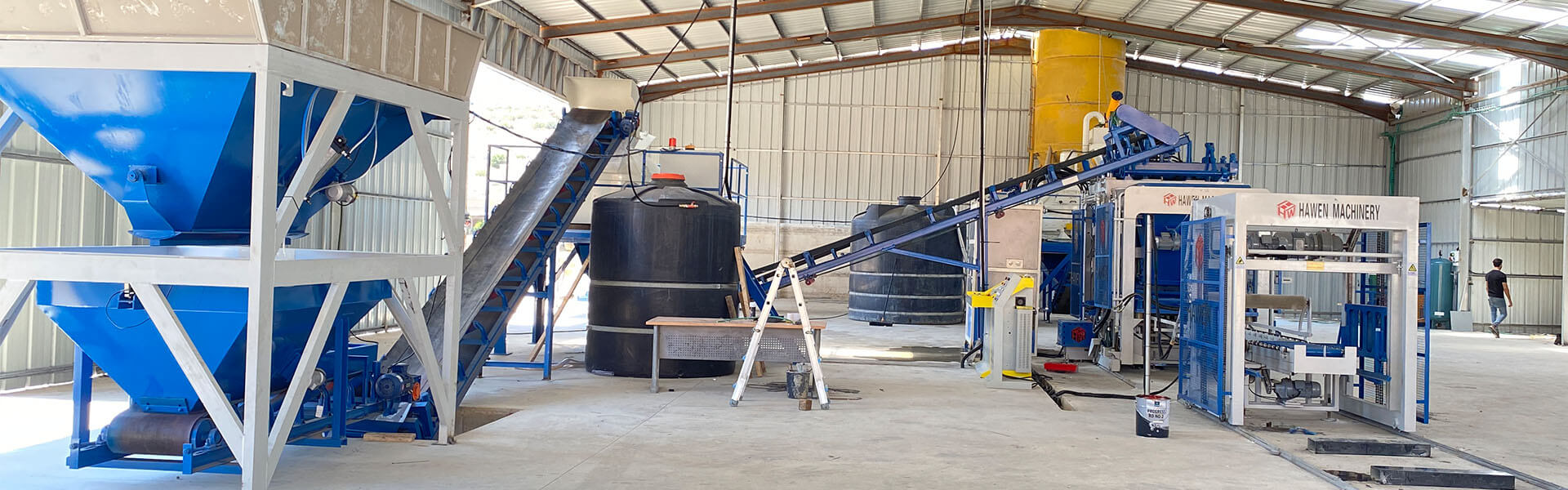
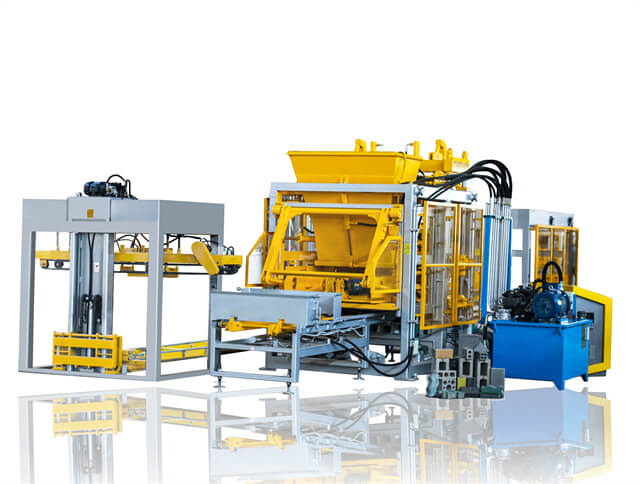
A fully automatic brick machine production line typically integrates:
Automatic batching systems
Planetary mixers
Conveyor systems
Hydraulic forming machines
Elevators and lowerators
Finger carts
Curing chambers
Automatic cubers and stackers
This integrated workflow substantially reduces labor dependency while improving production continuity and product consistency.
Hawen Machinery integrates a SIEMENS S7-200 PLC control system with an intuitive touch interface and remote monitoring functionality. Through this intelligent platform, operators can monitor the real-time status of the block machine, remotely optimize operating parameters, diagnose abnormalities efficiently, and maintain stable production quality across long operational cycles.
In today’s competitive environment, digital management is no longer an optional luxury. It has become a decisive factor in industrial scalability.
The Strategic Importance of Molds
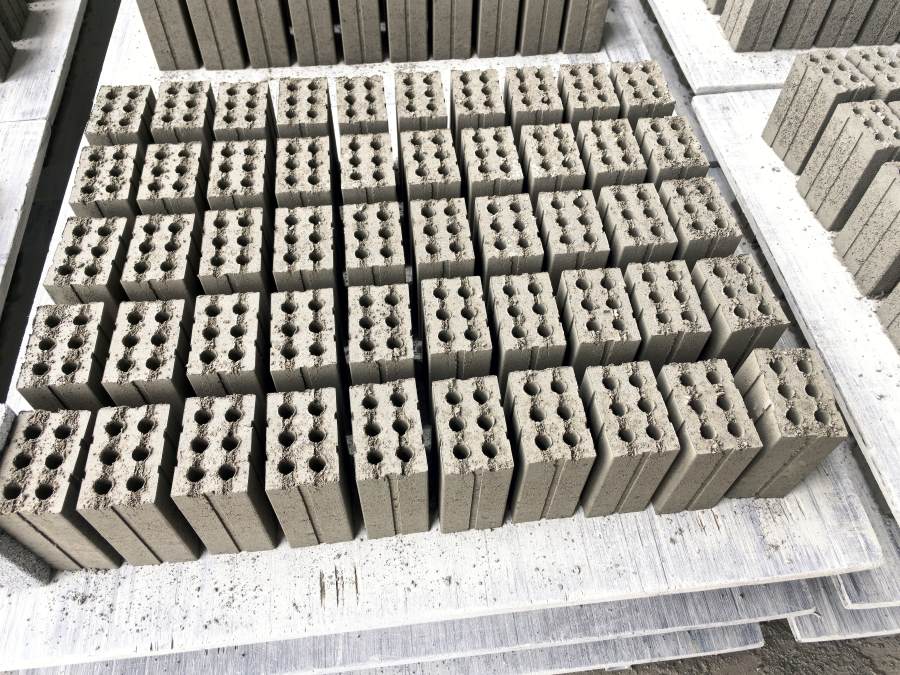
Many beginners focus exclusively on the brick machine itself while overlooking mold quality. Yet molds directly determine block dimensions, surface finish, and service life.
Inferior molds often suffer from rapid wear, inaccurate dimensions, and unstable demolding performance. These defects ultimately compromise the market reputation of the finished blocks.
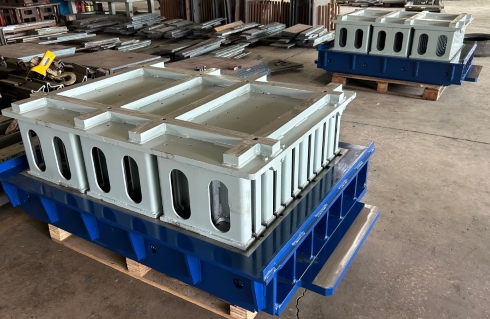
Hawen Machinery manufactures molds compatible with numerous internationally recognized block machine brands, including Masa, Hess, Zenith, Poyatos, Besser, Tiger, Columbia, Quadar, Omag, and others. By adhering closely to original technical specifications, these molds ensure precise compatibility, smooth operation, and consistently stable block quality across different equipment platforms.
To improve durability, Hawen molds undergo professional heat treatment processes, achieving hardness levels of HRC 60–62. This significantly enhances wear resistance and extends operational lifespan under high-frequency industrial production conditions.
Production Is Only Half the Business
Many factories can produce blocks. Far fewer can sell them consistently.
The block manufacturing industry is fundamentally connected to regional construction demand. Before investing in any block machine or brick making machine, beginners should conduct detailed market analysis, including:
Local construction trends
Popular block sizes
Competitor pricing
Transportation distance
Cement availability
Labor costs
Government infrastructure projects
For example, some African markets prioritize hollow blocks for affordable housing, while other regions exhibit stronger demand for paving stones and decorative concrete products.
Successful entrepreneurs do not merely manufacture products. They align production strategy with market dynamics.
The Industry Is Becoming More Sustainable
Environmental pressure is fundamentally reshaping the future of construction materials.
Governments worldwide increasingly encourage the recycling of industrial waste, reduction of carbon emissions, and optimization of cement usage. As a result, advanced block making machines capable of utilizing fly ash, slag, and construction waste are gaining strategic importance.
This transformation signifies that the future of the industry will not belong solely to factories producing the highest volume. It will belong to manufacturers capable of combining:
Operational efficiency
Product consistency
Environmental responsibility
Intelligent automation
Cost control
The concrete block industry is gradually transitioning from traditional manufacturing toward smart industrial production.
Conclusion
For beginners, the block manufacturing industry may initially seem straightforward. Yet beneath its apparent simplicity lies a complex industrial ecosystem shaped by engineering precision, material science, operational management, and market strategy.
A reliable block machine is not merely a piece of equipment. It is the operational nucleus of an entire production system. Likewise, a professional brick machine manufacturer contributes far more than machinery alone. Technical guidance, mold compatibility, automation support, and long-term operational stability ultimately determine whether a factory merely survives or genuinely prospers.
At a deeper level, concrete block production is not simply about manufacturing building materials. It is about creating the physical foundations of urban growth, infrastructure development, and human habitation. Every precisely formed block contributes, in its own modest way, to roads, schools, hospitals, factories, and homes that will endure for decades.
Industries rise and fall with economic cycles. Yet societies will always require construction, infrastructure, and shelter. For those prepared to approach this industry with patience, technical discipline, and strategic foresight, the block manufacturing sector remains not merely a business opportunity, but a long-term industrial vocation capable of shaping cities and supporting national development itself.
FAQ
1. What is the most important factor when choosing a first block machine?
Production stability is often more important than theoretical output capacity. A reliable block making machine with stable vibration, precise hydraulic control, and durable molds generally delivers better long-term profitability than a cheaper machine with frequent downtime.
2. Can beginners start with a small semi-automatic production line?
Yes. Many successful manufacturers begin with small-scale brick machine configurations and gradually upgrade toward fully automatic systems as market demand expands. The key is selecting equipment with future scalability.
3. Why do some concrete blocks crack after production?
Cracking may result from improper raw material ratios, insufficient vibration compaction, unstable curing conditions, or low cement quality. In some cases, poorly designed molds or inconsistent hydraulic pressure also contribute to structural defects.
4. Is automatic production necessary for small factories?
Not necessarily at the beginning. However, automation substantially improves labor efficiency, production consistency, and operational management. As labor costs continue rising globally, automated block machine systems increasingly provide stronger long-term competitiveness.
5. How long do concrete block molds usually last?
The lifespan depends on production volume, steel quality, and heat treatment standards. Professionally heat-treated molds with hardness levels around HRC 60–62 generally offer significantly better wear resistance and longer service life under continuous industrial production conditions.





 Tel: +86-13905968794
 Email: export@hwmachines.com
 MP/WhatsApp: +86-13905968794
 Manufacturer Address:Nanan,Quanzhou City,Fujian Province,China