Why Your Block Machine Does Not Run Smoothly
Author:HAWEN Block MachineFROM:Brick Production Machine Manufacturer
TIME:2026-05-14
In modern concrete products manufacturing, production efficiency is determined not only by output volume, but also by operational stability. A block machine that runs smoothly can maintain consistent product quality, reduce downtime, lower maintenance costs, and improve long-term profitability.
Conversely, when a brick machine begins to vibrate abnormally, operate intermittently, produce unusual noise, or suffer from unstable cycle times, the entire production line gradually loses efficiency.
For many manufacturers, machine instability is often treated as an isolated mechanical problem. In reality, however, unstable operation usually reflects deeper issues involving hydraulic coordination, vibration systems, mould precision, electrical control, material consistency, and maintenance management.
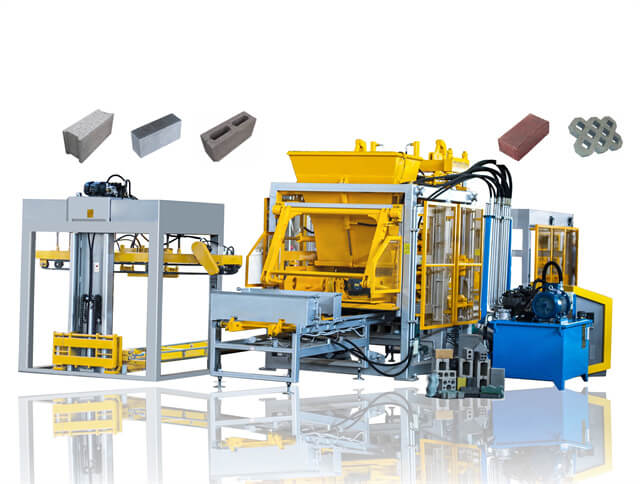
Understanding these factors is essential for any factory operating a block making machine or brick making machine under continuous industrial workloads.
1. Poor Hydraulic System Stability
The hydraulic system functions as the dynamic core of a concrete block machine. If hydraulic pressure fluctuates excessively, the entire production cycle becomes unstable.
Common symptoms include:
Irregular mould lifting speed
Delayed feeding movement
Jerking during pressing operations
Inconsistent vibration synchronization
Sudden production interruptions
In many cases, hydraulic instability originates from contaminated oil, overheating, pressure leakage, or low-quality hydraulic components.
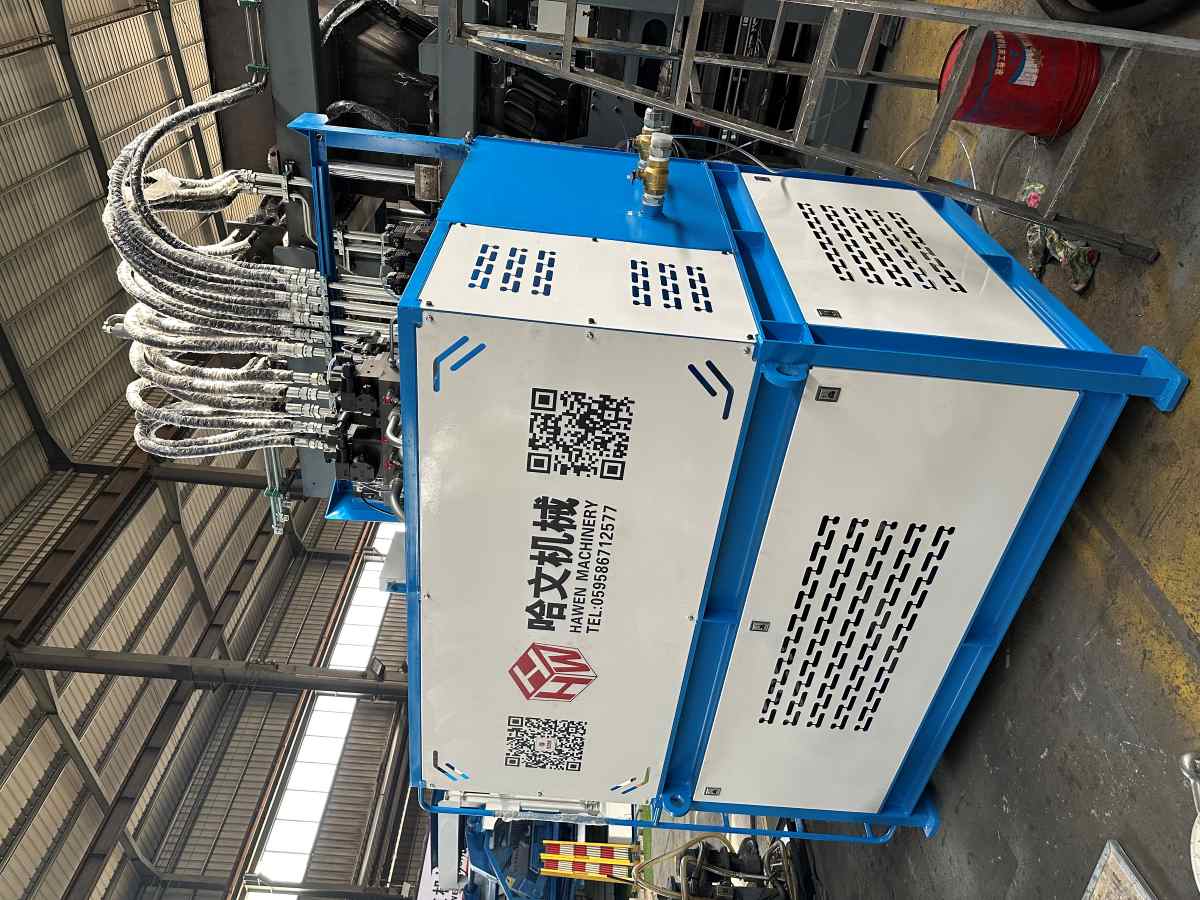
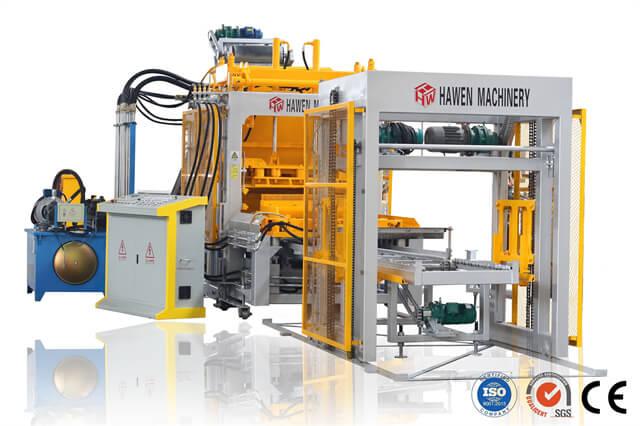
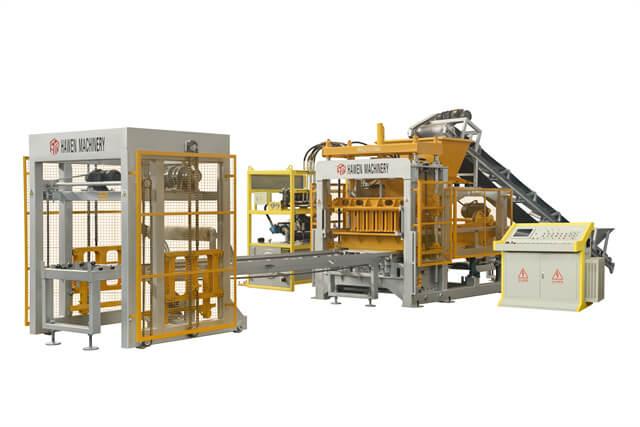
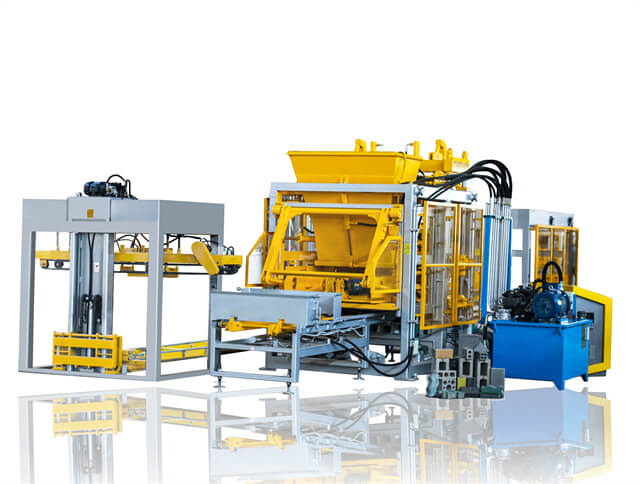
At Hawen Machinery, the hydraulic station integrates Japanese YUKEN proportional and directional control valves together with high-performance ALBERT hydraulic pumps from the United States. This combination improves flow precision, pressure stability, and long-term operational durability under intensive production conditions.
For factories operating in tropical or high-temperature regions, optional oil cooling systems help stabilize hydraulic oil temperature and reduce viscosity fluctuation during prolonged operation.
A stable hydraulic system is not simply about power output. It is about maintaining synchronized movement throughout the entire block production cycle.
2. Inconsistent Vibration Performance
Vibration quality directly affects both block density and machine stability.
When vibration force becomes uneven, excessive mechanical stress may develop inside the equipment structure. Over time, this accelerates wear on bearings, frames, bolts, and transmission components.
Some manufacturers mistakenly assume stronger vibration automatically improves block quality. In reality, uncontrolled vibration often creates the opposite effect.
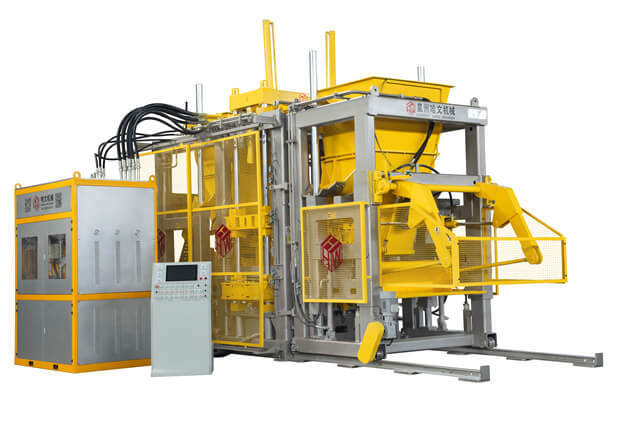
Hawen Machinery adopts a four-shaft vibration box structure with eccentric blocks positioned externally to the vibration housing. This design reduces internal resistance during operation, improves force transmission efficiency, and ensures more balanced compaction throughout the mould area.
As a result:
Equipment operation becomes smoother
Mechanical fatigue is reduced
Concrete density remains more consistent
Cement consumption can be optimized
In industrial block production, controlled vibration is far more valuable than excessive vibration intensity.
3. Worn or Misaligned Moulds
Many factories overlook the relationship between mould condition and machine smoothness.
When mould components become worn or misaligned, the block machine may experience:
Uneven pressing force
Increased demoulding resistance
Abnormal vibration transmission
Mechanical deviation during operation
This not only affects block quality but also places unnecessary strain on the machine frame and hydraulic components.
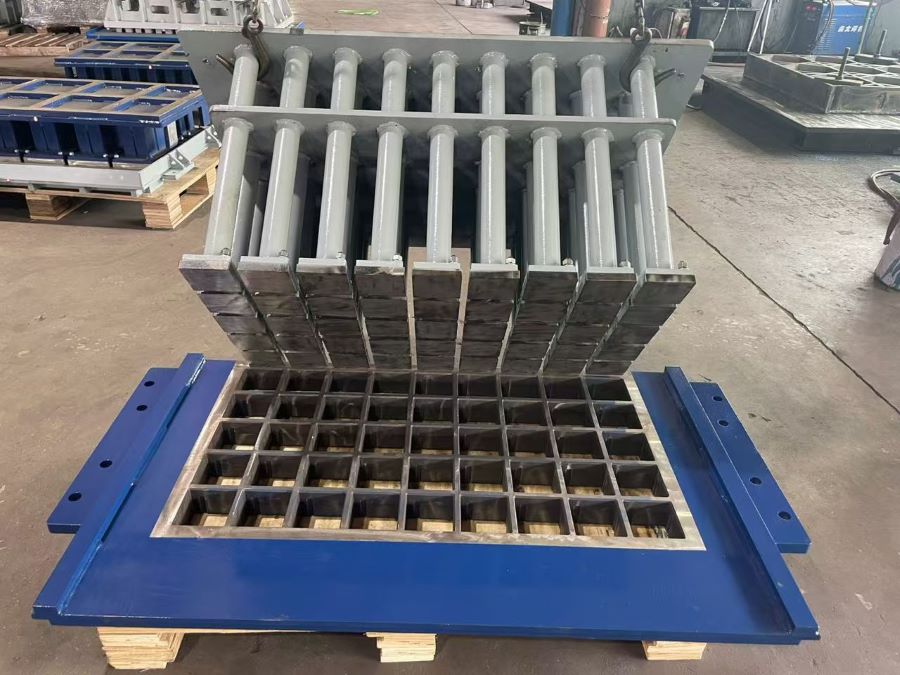
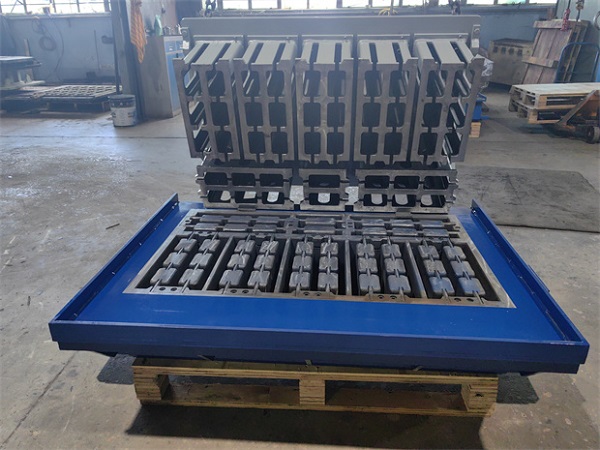
Hawen Machinery manufactures moulds compatible with leading international block machine brands, including Masa, Hess, Zenith, Poyatos, Besser, Tiger, Columbia, Quadar, Omag, and others. By following original technical specifications, the moulds achieve stable installation accuracy and smooth operational coordination across different machine platforms.
To improve durability, all mould components undergo professional heat treatment procedures. Surface hardness is carefully tested within the HRC 60–62 range, improving wear resistance while maintaining structural toughness.
A precisely manufactured mould does not merely shape concrete blocks. It stabilizes the entire production system.
4. Inadequate Lubrication and Maintenance
Even the most advanced brick making machine will gradually lose operational stability if routine maintenance is neglected.
Poor lubrication often causes:
Increased friction
Bearing overheating
Abnormal mechanical noise
Reduced transmission efficiency
Premature component wear
Dust accumulation and cement residue further accelerate deterioration.
Factories focused exclusively on short-term production frequently postpone preventive maintenance until serious breakdowns occur. Unfortunately, by that stage, repair costs are usually far higher.
A disciplined maintenance schedule remains one of the most cost-effective methods for preserving machine smoothness and extending service life.
Note: Small maintenance issues rarely remain small in high-frequency industrial environments.
5. Electrical and PLC Control Problems
Modern block making machine systems rely heavily on automated coordination between sensors, motors, hydraulic valves, and vibration units.
If the PLC system experiences unstable communication or incorrect parameter settings, machine operation may become erratic.
Typical symptoms include:
Delayed responses
Inconsistent cycle timing
Feeding interruptions
Sensor miscommunication
Unexpected alarms
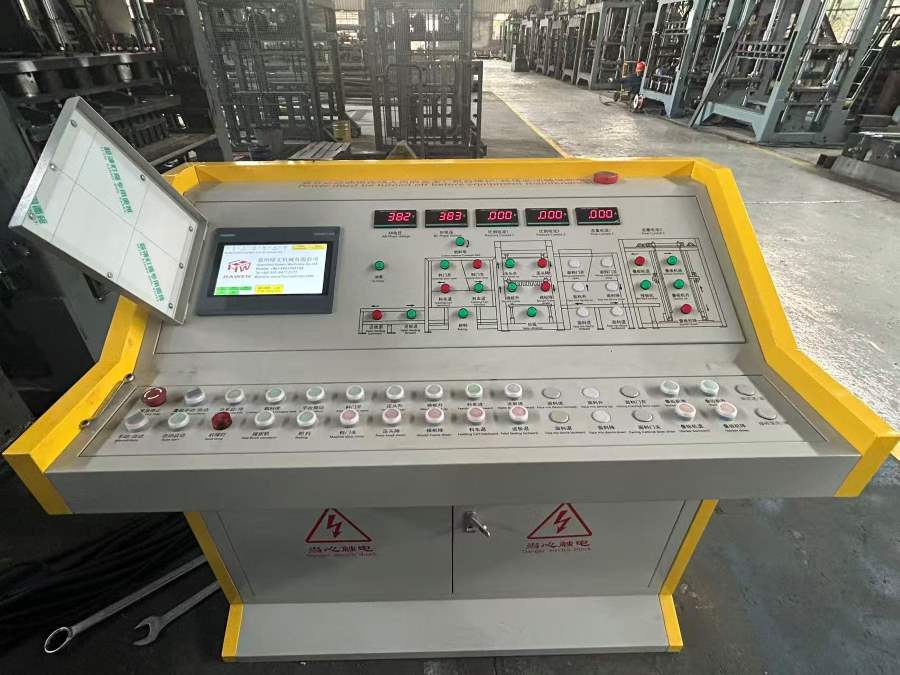
Hawen Machinery integrates a SIEMENS S7-200 PLC control system combined with an intuitive touch-screen interface and remote monitoring capability. Through this intelligent control platform, operating conditions can be monitored in real time while production parameters can be adjusted remotely for improved operational consistency.
This significantly reduces human error and improves synchronization between different production stages.
In modern automation systems, smooth operation increasingly depends on data coordination rather than mechanical power alone.
6. Unstable Raw Material Feeding
Machine smoothness is also affected by material flow consistency.
If aggregates contain excessive moisture variation or poor grading distribution, feeding resistance may increase inside the hopper and feeder system.
This can result in:
Uneven material distribution
Interrupted cycle rhythm
Increased vibration load
Reduced compaction consistency
A stable material supply process allows the block machine to maintain balanced operational rhythm throughout continuous production.
In many factories, production instability begins not inside the machine itself, but inside the raw material yard.
7. Weak Machine Foundation and Installation Problems
Improper installation remains a surprisingly common cause of operational instability.
If the foundation lacks sufficient rigidity or leveling accuracy, the machine may develop:
Structural vibration amplification
Bolt loosening
Frame stress concentration
Long-term alignment deviation
Even a high-quality brick machine cannot achieve stable performance on an unstable foundation.
Professional installation, accurate leveling, and proper anchoring are therefore critical during commissioning.
How to Improve Block Machine Stability
Factories seeking smoother machine operation should focus on systematic optimization rather than isolated repairs.
Practical measures include:
Maintaining hydraulic oil cleanliness
Monitoring vibration balance regularly
Replacing worn mould components in time
Standardizing lubrication schedules
Calibrating PLC parameters periodically
Improving raw material consistency
Ensuring proper machine installation
Operational stability is rarely achieved through a single adjustment. It is the cumulative result of disciplined engineering management.
Conclusion
A block machine does not suddenly become unstable overnight. Operational problems usually develop gradually through accumulated wear, inconsistent maintenance, uncontrolled vibration, hydraulic fluctuation, or neglected process management.
For manufacturers, smooth operation is not simply a matter of comfort or convenience. It directly influences production efficiency, product consistency, energy consumption, maintenance cost, and customer satisfaction.
In today’s increasingly competitive concrete products industry, the real advantage no longer belongs solely to factories with larger production capacity. It belongs to those capable of maintaining precision, stability, and consistency under continuous industrial pressure.
Because in block manufacturing, smooth operation is more than mechanical performance.
It is a reflection of engineering discipline.
And behind every stable production line stands a deeper principle: true manufacturing excellence is not measured by how fast a machine can run for one day, but by how reliably it can perform year after year.
FAQ
1. Why does my block machine vibrate excessively during operation?
Excessive vibration may result from unbalanced vibration systems, loose bolts, worn bearings, or improper foundation installation.
2. Can hydraulic oil temperature affect machine smoothness?
Yes. Overheated hydraulic oil changes viscosity, which can cause unstable pressure output and irregular machine movement.
3. How often should moulds be inspected?
Mould inspection frequency depends on production intensity, but regular checks for wear, alignment, and surface condition are essential for stable operation.
4. Why is PLC control important in a brick making machine?
PLC systems coordinate machine timing, feeding, vibration, and hydraulic actions. Stable automation improves synchronization and reduces operational errors.
5. Can poor raw materials affect machine stability?
Yes. Inconsistent aggregates or excessive moisture can disrupt feeding consistency and increase operational stress on the machine system.





 Tel: +86-13905968794
 Email: export@hwmachines.com
 MP/WhatsApp: +86-13905968794
 Manufacturer Address:Nanan,Quanzhou City,Fujian Province,China