Why Your Concrete Blocks Are Hard to Sell
Author:HAWEN Block MachineFROM:Brick Production Machine Manufacturer
TIME:2026-05-08
In the concrete products industry, poor sales are rarely caused by a single factor. More often, they emerge from a combination of inconsistent quality, weak market positioning, unstable production control, and inadequate differentiation. Many manufacturers invest heavily in a block machine, brick machine, block making machine, or brick making machine, yet still struggle to secure stable orders.
The paradox is striking: production capacity increases, but inventory continues to accumulate.
So why are your concrete blocks difficult to sell? The answer usually lies not in the market alone, but in the relationship between product quality, operational strategy, and customer confidence.
1. Inconsistent Product Quality Damages Trust
In construction materials trading, consistency is often more valuable than occasional high performance. Contractors and distributors expect every batch of blocks to maintain stable dimensions, compressive strength, and curing quality.
However, many small factories operating a block making machine fail to maintain process stability. Variations in moisture content, raw material grading, or vibration intensity can result in visible defects and uneven density.
Once inconsistency appears, customers begin to perceive risk.
And in construction projects, perceived risk immediately affects purchasing decisions.
2. Poor Appearance Reduces Market Competitiveness
Even when structural strength meets requirements, poor visual quality significantly weakens sales potential. Surface cracks, chipped edges, uneven coloration, and dimensional deviation create the impression of inferior manufacturing standards.
This is particularly important in paving and decorative applications, where aesthetics directly influence commercial value.
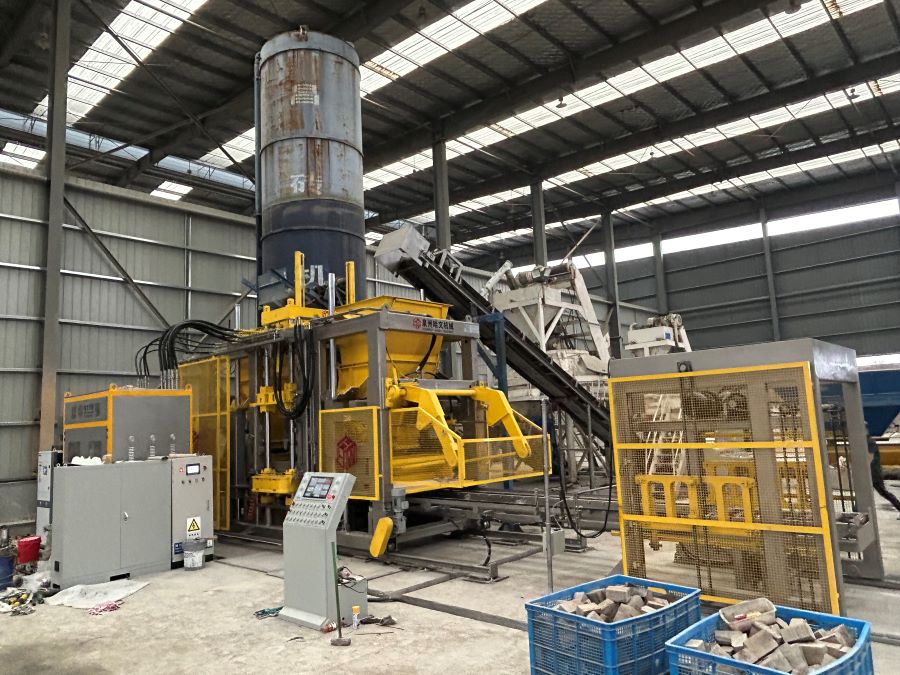
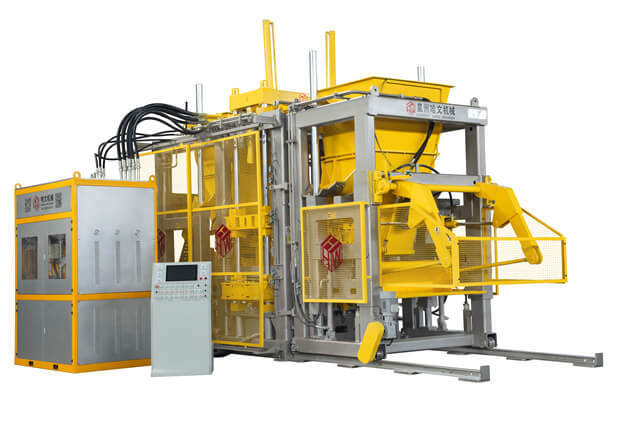
Modern brick machine production increasingly emphasizes precision molding and vibration uniformity. In some advanced systems, vibration structures are engineered to distribute compaction energy more evenly across the mold cavity, improving surface finish while reducing material waste.
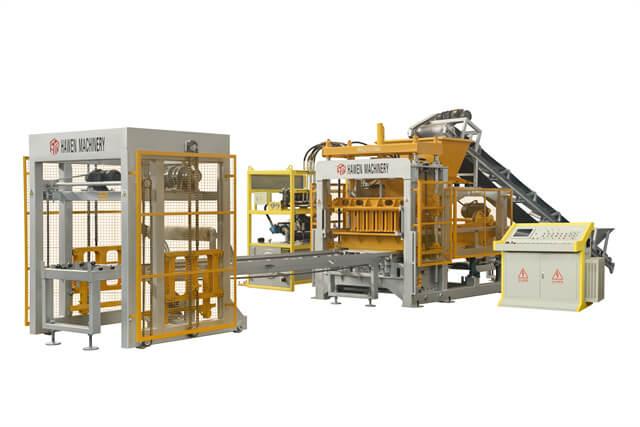
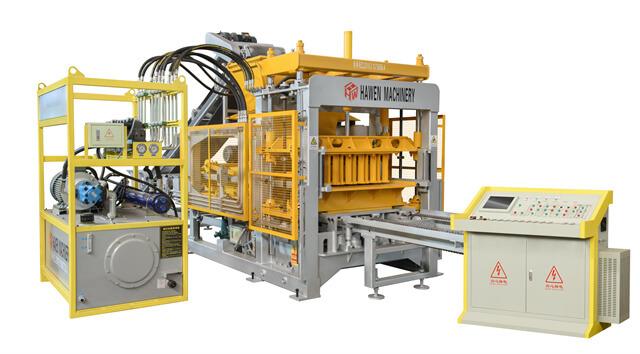
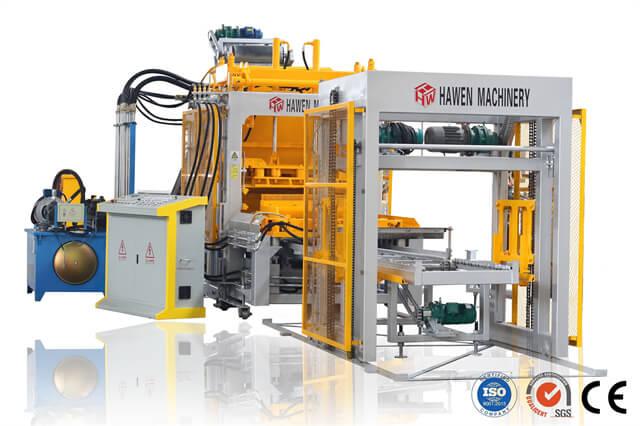
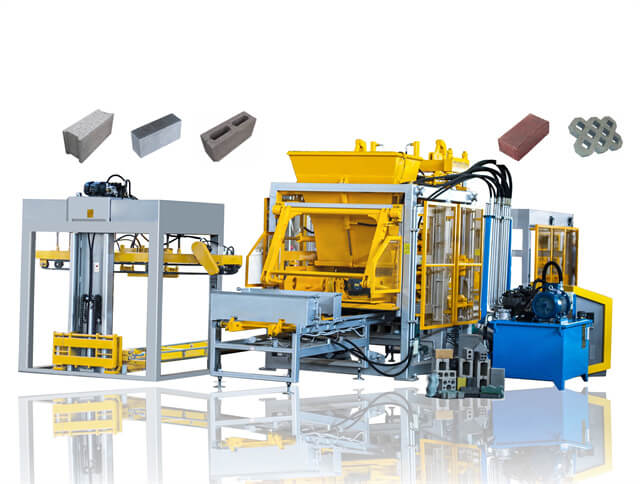
At Hawen Machinery, for example, a four-shaft vibration box arrangement with externally positioned eccentric blocks is adopted to improve compaction uniformity and operational efficiency.
3. Your Production Cost Is Too High
Some manufacturers cannot compete because their production economics are fundamentally inefficient. Excessive cement usage, unstable cycle times, and frequent downtime dramatically increase unit cost.
Ironically, many operators focus solely on machine purchase price while ignoring long-term operating efficiency.
A low-cost block machine with unstable hydraulic performance may ultimately generate higher production losses than a more reliable system.
In well-engineered hydraulic systems, precision valves and stable pumping assemblies help maintain consistent forming pressure under continuous operation. This directly improves density stability and reduces rejection rates.
4. Lack of Product Differentiation
Another major problem is homogenization. In many local markets, dozens of factories produce nearly identical hollow blocks using similar brick making machine configurations.
When products become indistinguishable, competition shifts entirely toward price reduction.
This creates a destructive cycle:
lower margins → reduced quality control → declining customer trust.
Factories that survive long term usually differentiate themselves through:
Better dimensional accuracy
Higher compressive strength
Decorative surface finishes
Faster delivery reliability
Specialized molds for local market demand
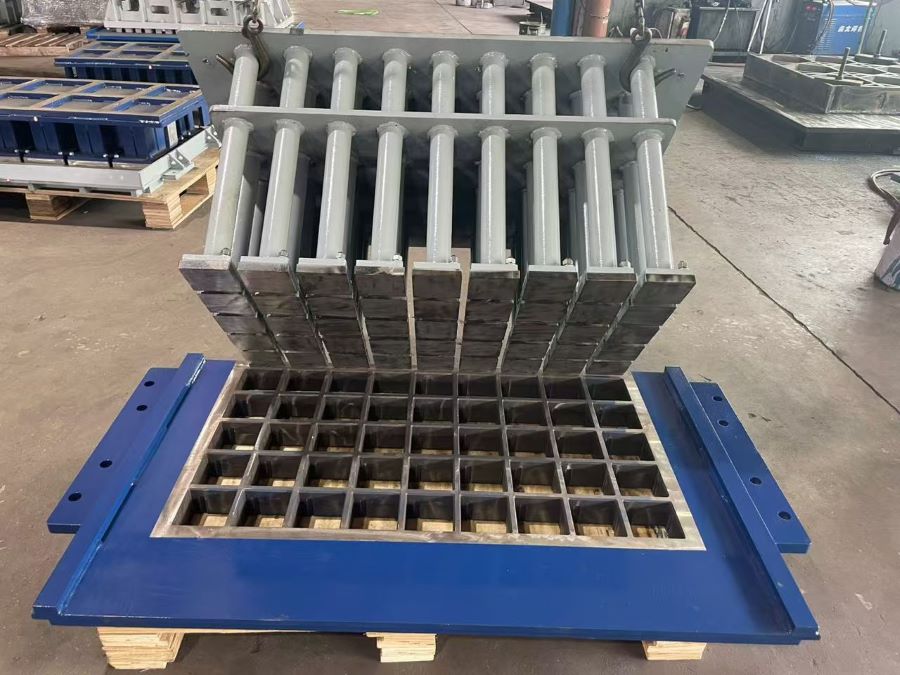
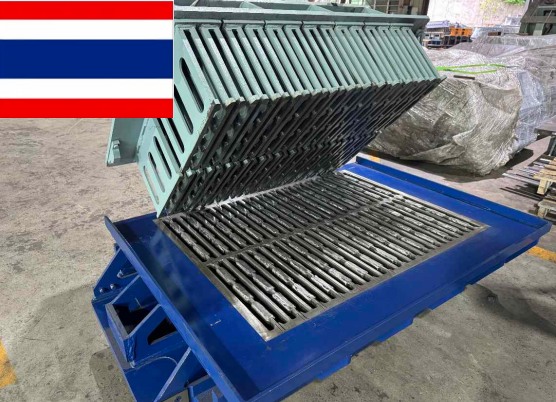
For this reason, mold quality plays a decisive role in market competitiveness.
Hawen Machinery manufactures molds compatible with major international standards including MASA, HESS, ZENITH, POYATOS, BESSER, and TIGER. These molds undergo heat treatment and hardness testing at HRC 60–62 to improve wear resistance and dimensional stability during continuous production.
5. Weak Operational Management
Many factories concentrate exclusively on production volume while neglecting operational management. Yet customers evaluate reliability, not merely output quantity.
Delayed delivery, inconsistent packaging, and poor communication can damage commercial reputation even if the blocks themselves are acceptable.
A successful block making machine operation requires coordination between production planning, maintenance discipline, logistics scheduling, and market responsiveness.
6. You Do Not Understand Local Market Demand
Some factories produce blocks based on internal assumptions rather than actual construction trends. As infrastructure standards evolve, customer preferences also change.
In certain regions, contractors increasingly prefer:
Higher-density blocks
Interlocking pavers
Better edge precision
Reduced water absorption
Customized dimensions
Factories that fail to adapt eventually lose relevance regardless of equipment investment.
FAQ: Why Concrete Blocks Fail in the Market
1. What is the biggest reason concrete blocks do not sell well?
Inconsistent quality is usually the primary cause. Customers prioritize reliability over low prices.
2. Does block appearance really affect sales?
Yes. In many markets, surface finish and dimensional accuracy strongly influence purchasing decisions.
3. Can better molds improve sales performance?
Absolutely. High-precision molds improve block consistency, surface quality, and customer confidence.
Final Perspective
Selling concrete blocks is not simply about manufacturing products—it is about manufacturing trust.
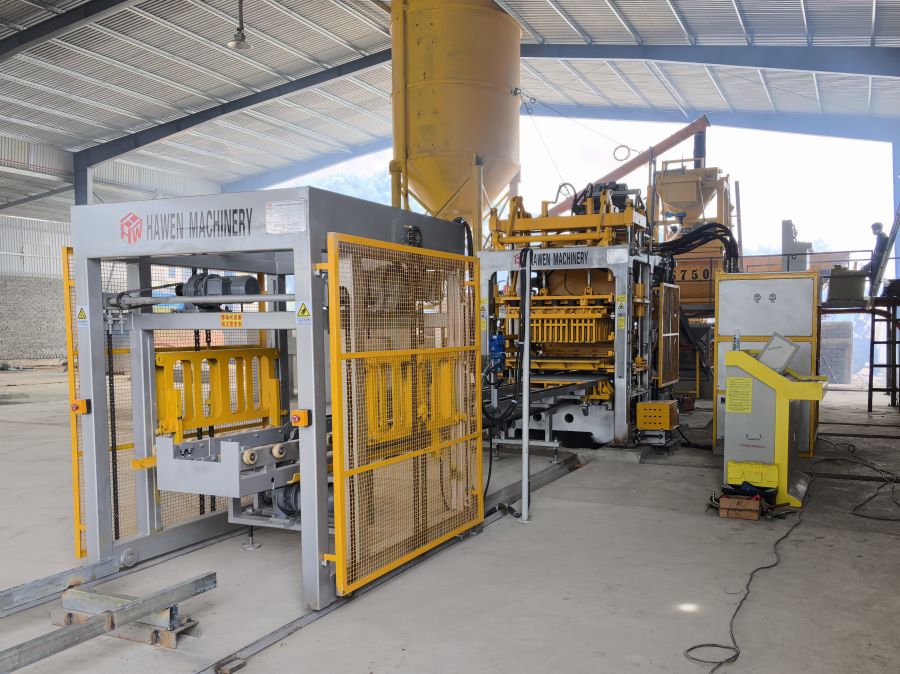
A block machine, brick machine, block making machine, or brick making machine can produce thousands of units per day. But production quantity alone does not create market value. Value emerges when consistency, durability, efficiency, and credibility converge into a product contractors can depend on repeatedly.
In the long run, customers rarely remember the cheapest supplier. They remember the supplier whose blocks arrived on time, maintained stable quality, and performed reliably after installation.
That is the deeper logic of sustainable manufacturing:
the market ultimately rewards not those who produce the most blocks, but those who produce confidence at industrial scale.





 Tel: +86-13905968794
 Email: export@hwmachines.com
 MP/WhatsApp: +86-13905968794
 Manufacturer Address:Nanan,Quanzhou City,Fujian Province,China