Entering the block machine, brick machine, block making machine, and brick making machine industry often appears deceptively simple from the outside. The process looks linear: feed raw materials, form blocks, cure, and sell. In reality, however, the business is a tightly coupled system where material science, mechanical precision, and operational discipline interact continuously. Beginners frequently underestimate this complexity, which explains why early-stage failures are so common.
1. Underestimating Process Interdependence
One of the most fundamental mistakes beginners make is treating block production as a sequence of isolated steps rather than an integrated system. In a block making machine, batching accuracy directly affects compaction behavior, while vibration quality determines final density.
When any single parameter deviates, the entire production chain is affected. This interdependence is often overlooked at the entry stage, leading to unstable output and inconsistent product quality in brick machine operations.
Typical consequence: fluctuating strength, irregular geometry, and high rejection rates.
2. Improper Equipment Selection
Many new entrants prioritize initial cost over technical suitability. They often choose low-cost or mismatched configurations of brick making machine systems without evaluating production scale, material conditions, or local demand.
However, equipment selection is not merely a purchasing decision—it is a capacity planning strategy. Undersized or poorly configured block machine systems quickly become bottlenecks under real production pressure.
Key issue: low-cost equipment often lacks long-term stability under continuous operation.
3. Lack of Process Control Knowledge
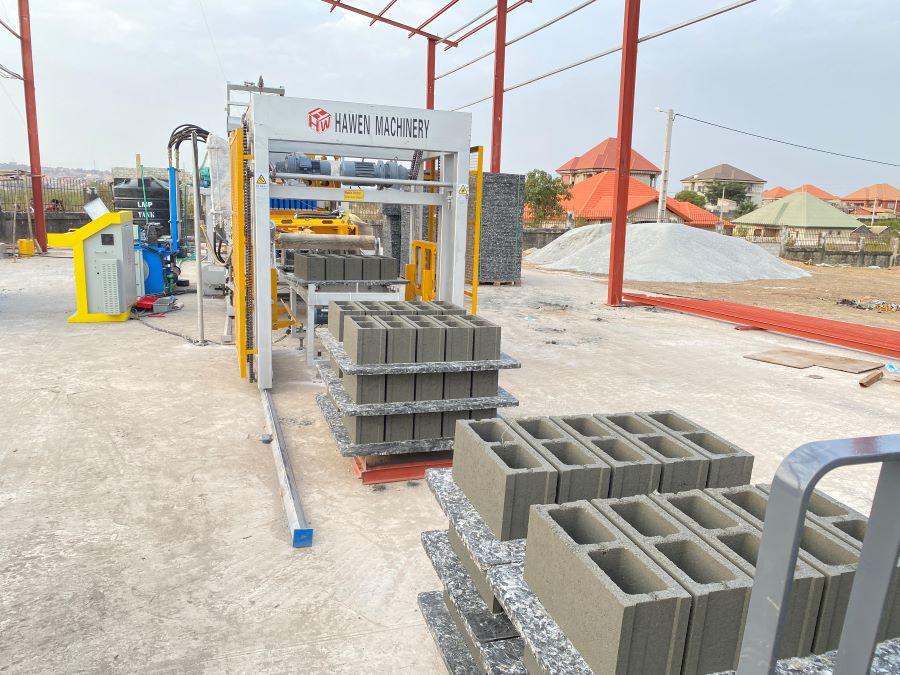
Production stability in a block machine system depends heavily on controlling multiple variables simultaneously, including moisture content, vibration frequency, and forming pressure.
Beginners often rely on visual judgment rather than quantitative control. This introduces variability that accumulates across batches. Without standardized operating parameters, even high-quality equipment cannot deliver consistent results.
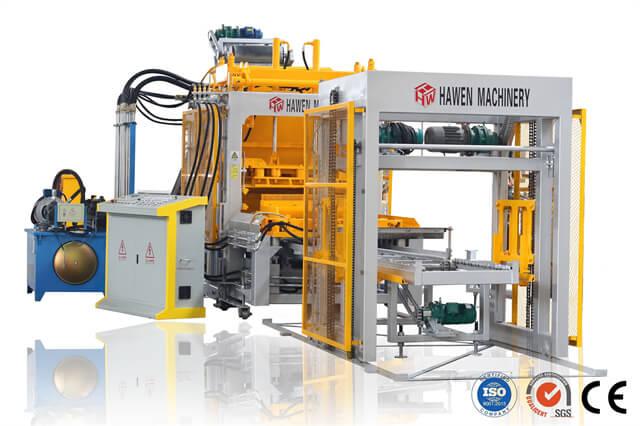
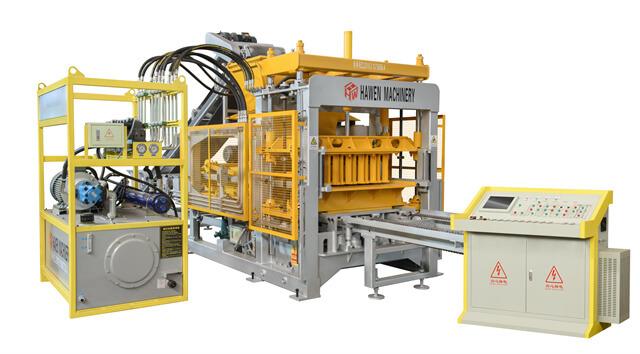
In more advanced systems, automation and PLC-based control are used to stabilize output. For instance, modern configurations may integrate real-time monitoring interfaces to ensure consistent cycle execution and parameter adjustment during operation.
4. Neglecting Maintenance Discipline
Mechanical systems in brick machine production require structured maintenance routines. Beginners frequently adopt a reactive approach—repairing only after failure occurs.
This significantly shortens equipment lifespan. Hydraulic instability, mold wear, and vibration imbalance gradually degrade production quality if not addressed systematically.
In industrial-grade setups, components such as molds are typically heat-treated and hardness-tested (often reaching HRC 60–62) to extend durability. However, even high-quality tooling requires periodic inspection and replacement planning.
5. Misjudging Market and Production Alignment
Another common issue is overestimating market absorption capacity. Beginners often invest in a block making machine line without validating demand cycles or logistics constraints.
Production capability must align with local construction demand, transportation feasibility, and storage conditions. Without this alignment, inventory pressure quickly erodes cash flow.
6. Insufficient Technical Guidance and System Integration
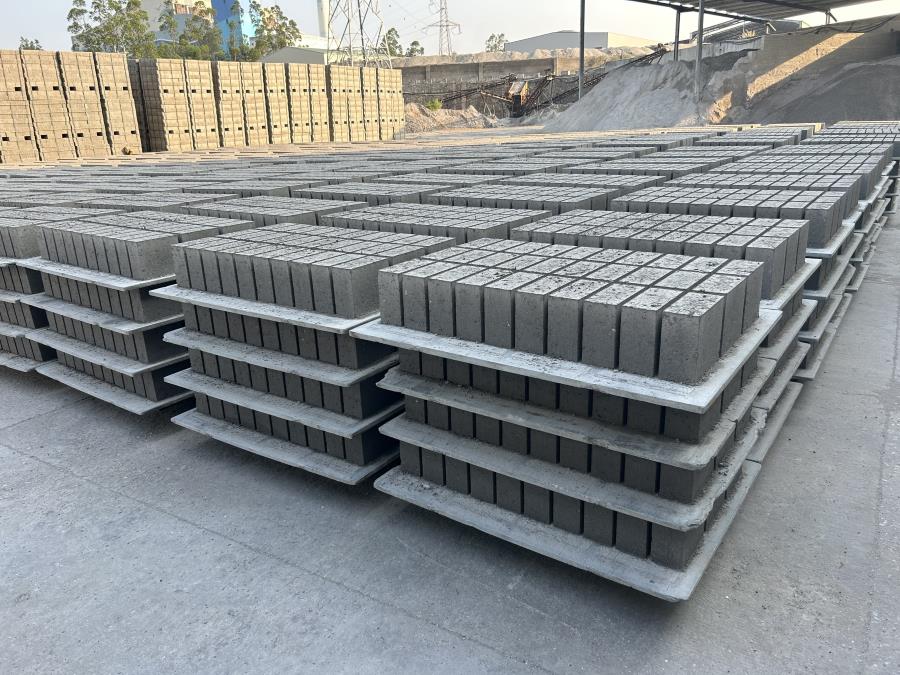
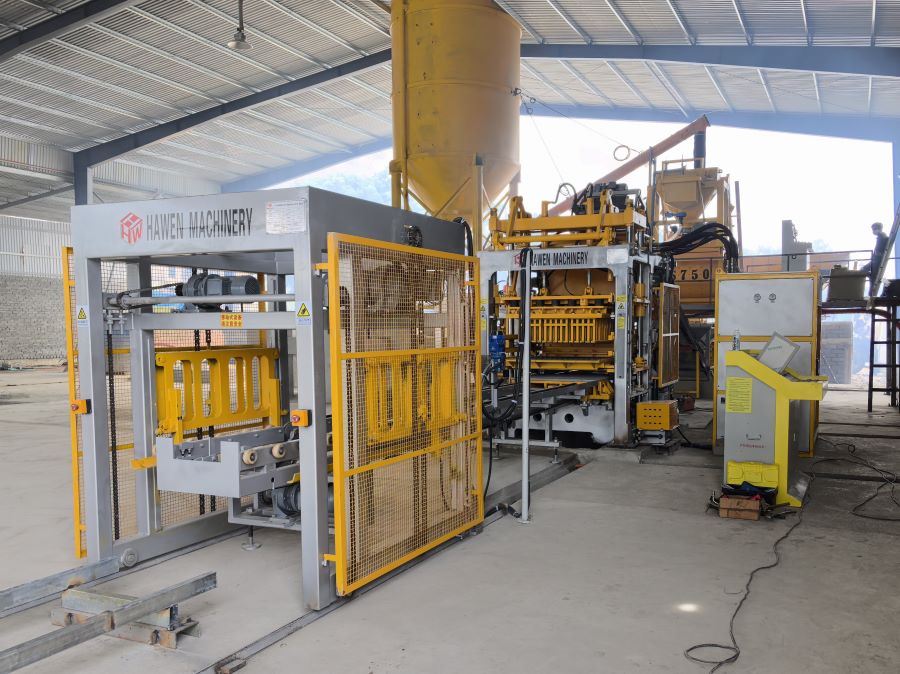
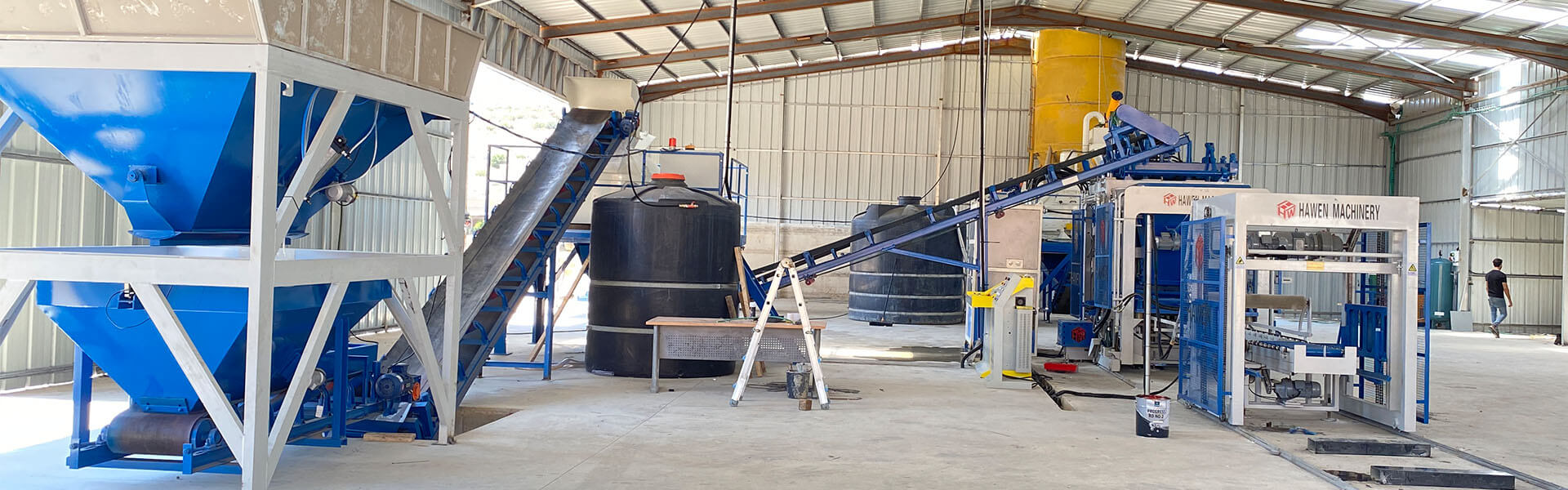
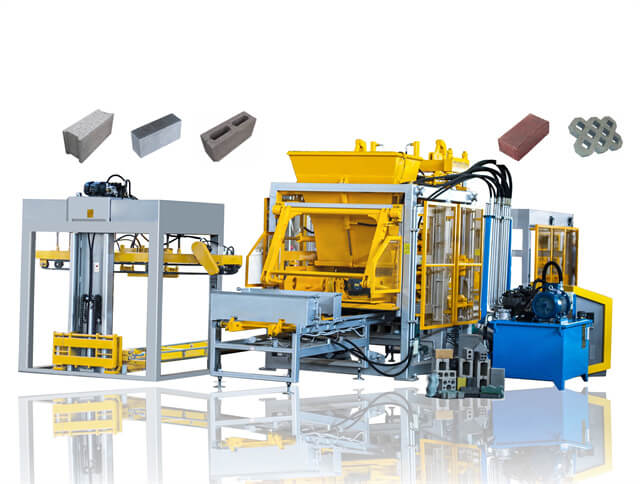
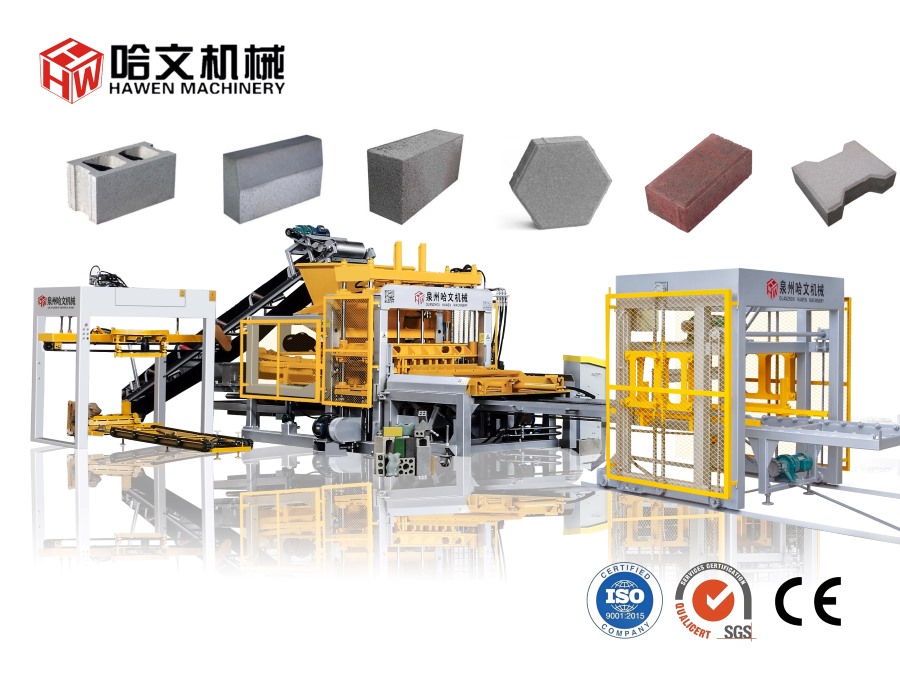
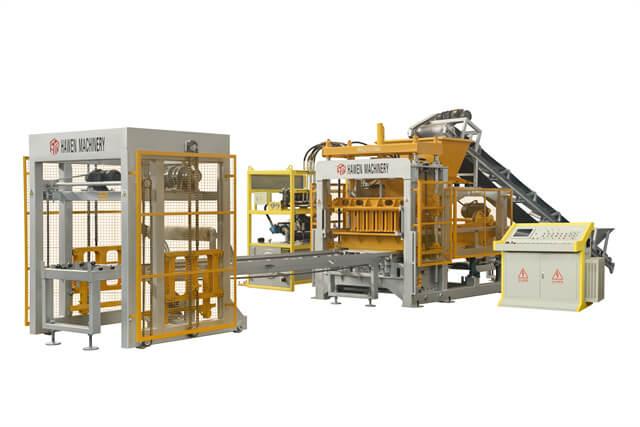
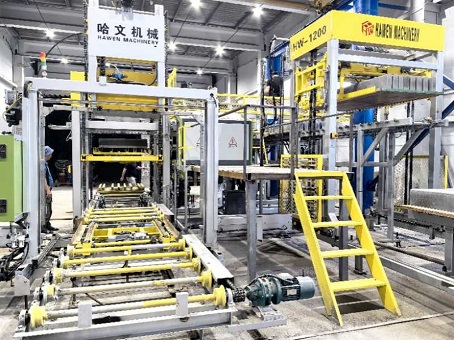
A modern brick machine line is not a standalone device but a coordinated system. It may include batching, mixing, forming, curing, and stacking modules. Beginners often fail to integrate these subsystems effectively.
In professional engineering environments, manufacturers such as Hawen Machinery emphasize system compatibility across all production stages. From mold compatibility with global standards (MASA, HESS, ZENITH, POYATOS, BESSER, TIGER, etc.) to vibration optimization and hydraulic stability design, the focus is always on holistic performance rather than isolated components.
FAQ: Beginner Challenges in Block Production
1. What is the most common beginner mistake in block production?
Failing to control material consistency and process parameters in a block machine system.
2. Do beginners need fully automated equipment?
Not necessarily, but automation in a brick making machine helps reduce human error and improve consistency.
3. Why does production quality vary even with good machines?
Because instability often comes from process control, not only equipment quality.
Final Perspective
The block manufacturing industry is not a simple mechanical venture—it is a disciplined industrial ecosystem where material behavior, machine precision, and operational logic converge. Beginners struggle not because the technology is inaccessible, but because the system demands structured thinking rather than fragmented action.
Once this systemic mindset is established, a block machine, brick machine, block making machine, or brick making machine becomes more than equipment—it becomes a controlled production architecture capable of sustained output, scalable growth, and long-term industrial value.
In the end, the difference between failure and success is rarely the machine itself. It is the ability to understand that every block produced is the result of an interconnected system working in silent coordination.






 Tel: +86-13905968794
 Email: export@hwmachines.com
 MP/WhatsApp: +86-13905968794
 Manufacturer Address:Nanan,Quanzhou City,Fujian Province,China