In concrete block manufacturing, the question of the “best mix design” is often misunderstood. There is no universal formula that applies to every factory, as raw materials, equipment conditions, and product requirements vary significantly.
However, high-performing manufacturers share one principle: the optimal mix is not the one with the highest cement content, but the one that achieves maximum density, stability, and strength with minimum resource input.
A well-designed mix balances material properties with machine performance, ensuring consistent quality, efficient production, and long-term cost control.
1. Define Performance Requirements Before Designing the Mix
The “best” mix depends on the intended application of the blocks. Structural blocks, paving stones, and lightweight units each require different properties.
Key parameters include:
compressive strength requirements
density and weight considerations
surface finish and durability
Without clearly defined targets, mix optimization becomes arbitrary and inefficient.
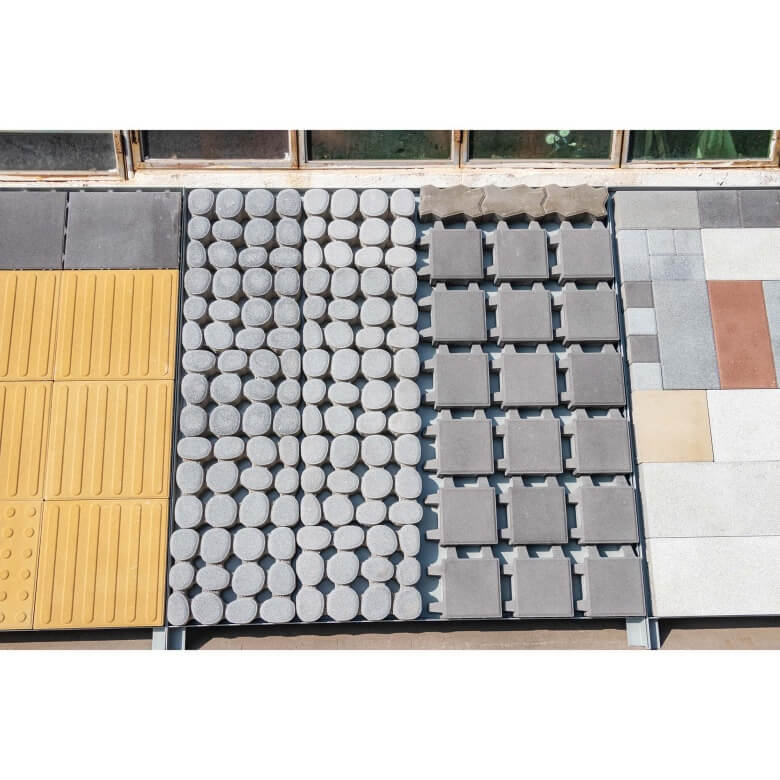
2. Optimize Aggregate Gradation for Maximum Density
Aggregate composition forms the backbone of any concrete block. Poor gradation leads to excessive voids, reducing strength and increasing cement demand.
An optimized aggregate system should:
combine coarse and fine particles effectively
minimize void spaces
improve particle interlocking
Note: Proper grading often delivers greater strength improvement than increasing cement content, while also reducing costs.
3. Maintain a Controlled Water–Cement Ratio
Water content plays a critical role in both workability and final strength. Excess water weakens the structure by increasing porosity after curing.
Best practices include:
using the lowest workable water content
maintaining consistent moisture in aggregates
avoiding fluctuations during batching
Consistency in water control ensures uniform quality across production cycles.
4. Ensure Uniform Mixing for Homogeneous Material Distribution
Even a well-designed mix will fail if it is not mixed properly. Uneven distribution of cement and water leads to inconsistent block strength.
To ensure uniformity:
maintain adequate mixing time
follow a consistent material feeding sequence
avoid overloading the mixer
A homogeneous mix is essential for predictable and repeatable results.
5. Match Mix Design with Vibration Efficiency
Mix design must be compatible with the compaction capabilities of the block machine.
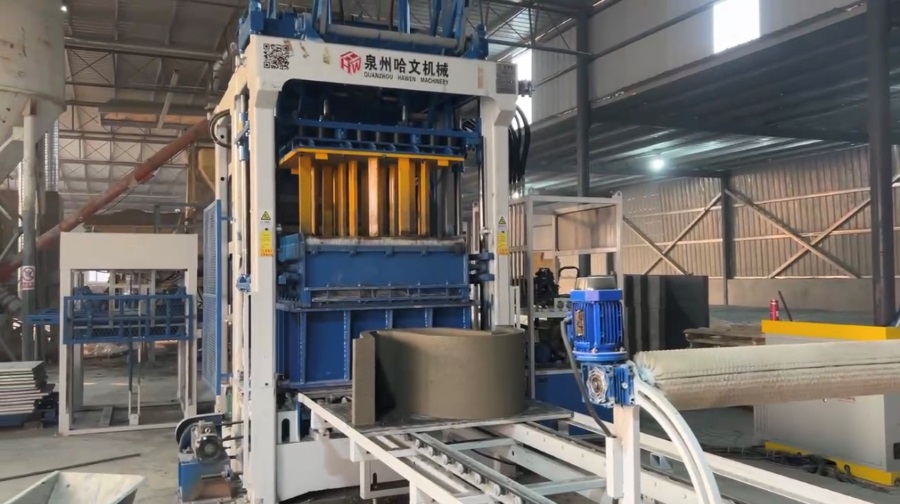
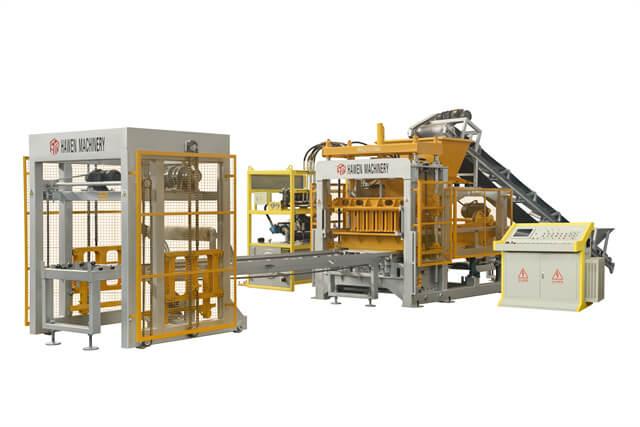
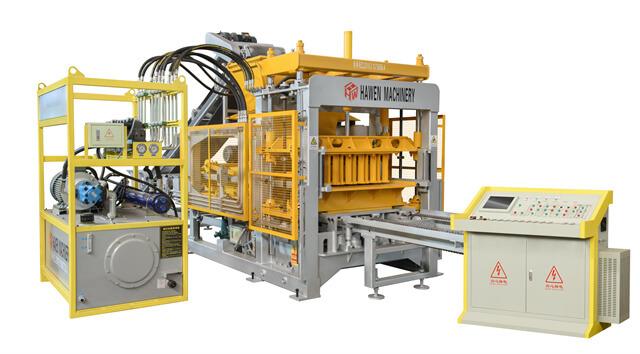
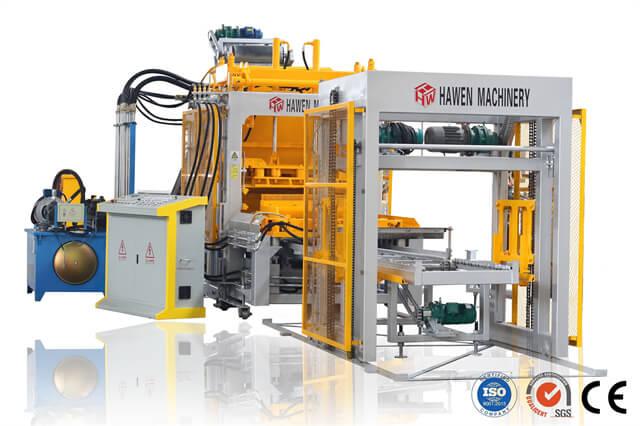
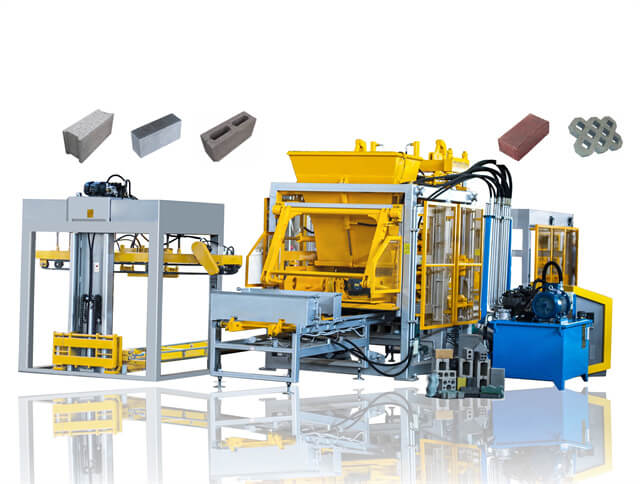
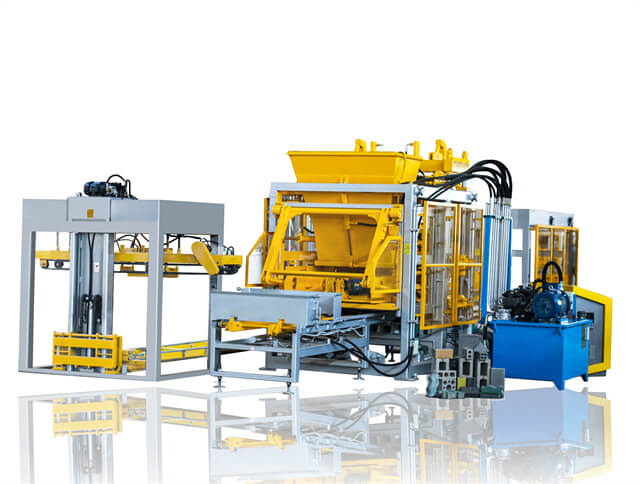
Hawen Machinery adopts a four-shaft vibration box design with eccentric blocks positioned outside the housing, which reduces resistance during vibration, ensures uniform compaction, and lowers cement consumption while improving overall efficiency.
This synergy allows:
better compaction of optimized mixes
higher density under the same energy input
reduced reliance on cement for strength
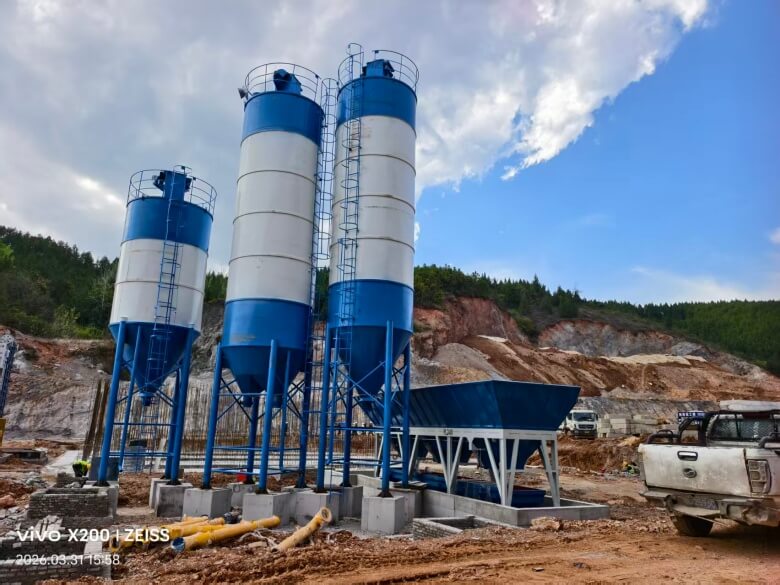
6. Stabilize Forming Conditions with Reliable Hydraulics
The effectiveness of a mix design depends on consistent forming pressure during production.
Hawen Machinery utilizes a hydraulic configuration that integrates high-response proportional and directional valves from Japan alongside durable American hydraulic pumps, delivering precise pressure control, strong load capacity, and long-term operational stability.
Stable hydraulics ensure that:
compaction force remains consistent
block density is uniform
production variability is minimized
7. Use Intelligent Control to Maintain Process Consistency
Even the best mix design can fail under inconsistent operational conditions.
Hawen Machinery integrates a SIEMENS S7-200 PLC system with an intuitive interface and remote monitoring capability. This allows operators to:
track real-time production data
fine-tune parameters accurately
maintain consistent output quality
Note: Process consistency is the bridge between theoretical mix design and actual product performance.
8. Preserve Mix Performance with High-Precision Molds
Molds play a decisive role in translating material properties into finished products.
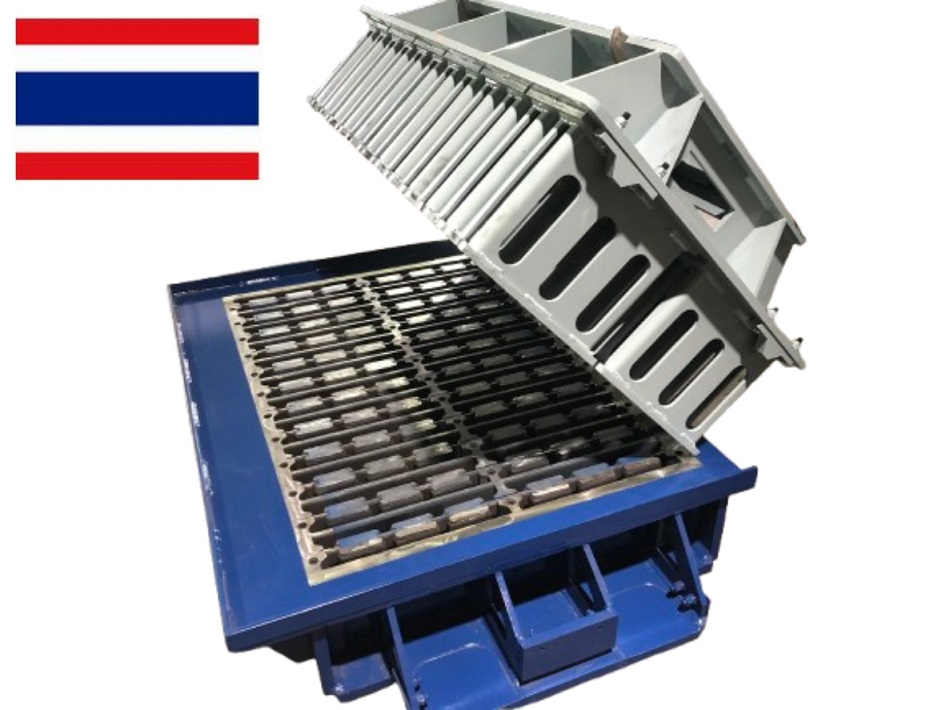
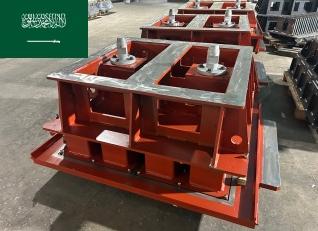
Hawen Machinery designs molds compatible with leading brands such as MASA, HESS, ZENITH, POYATOS, BESSER, TIGER, manufactured according to original specifications and subjected to heat treatment for enhanced durability.
High-quality molds ensure:
accurate dimensions
smooth demolding
consistent surface quality
9. Continuously Test and Refine the Mix
There is no static “perfect mix.” Continuous testing and adjustment are essential to adapt to changes in raw materials and production conditions.
Manufacturers should:
monitor compressive strength regularly
adjust proportions based on test results
maintain detailed production records
From Formula to System Optimization
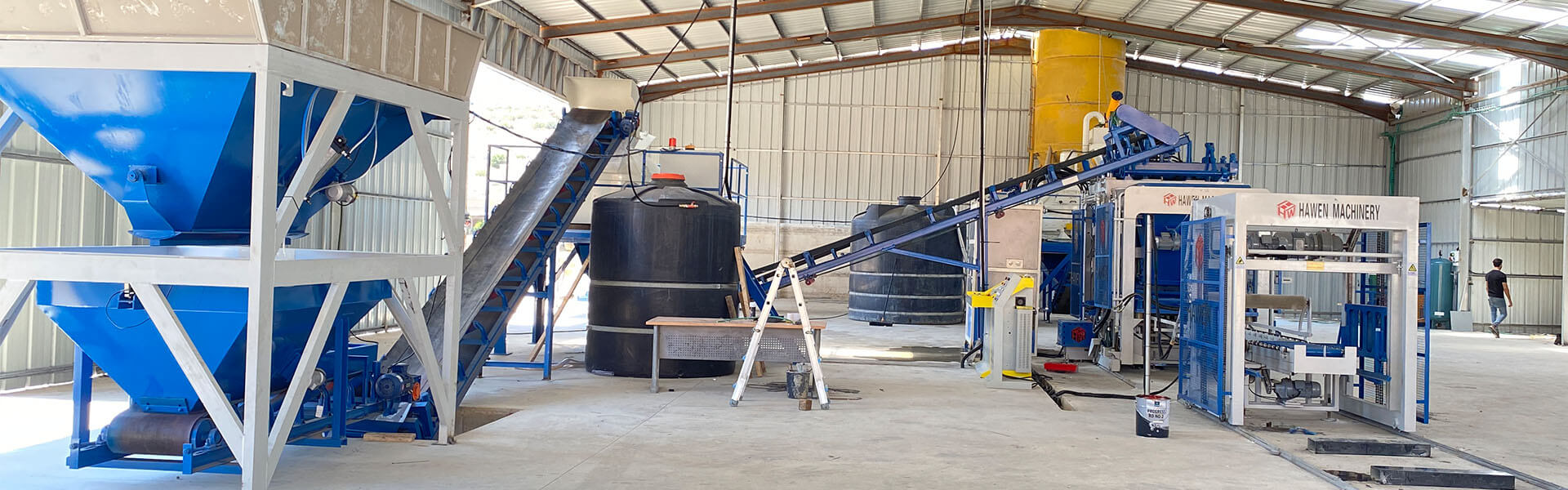
The best mix design is not defined by a fixed ratio, but by how effectively it integrates with the entire production system. True optimization occurs when materials, machinery, and process control operate in harmony.
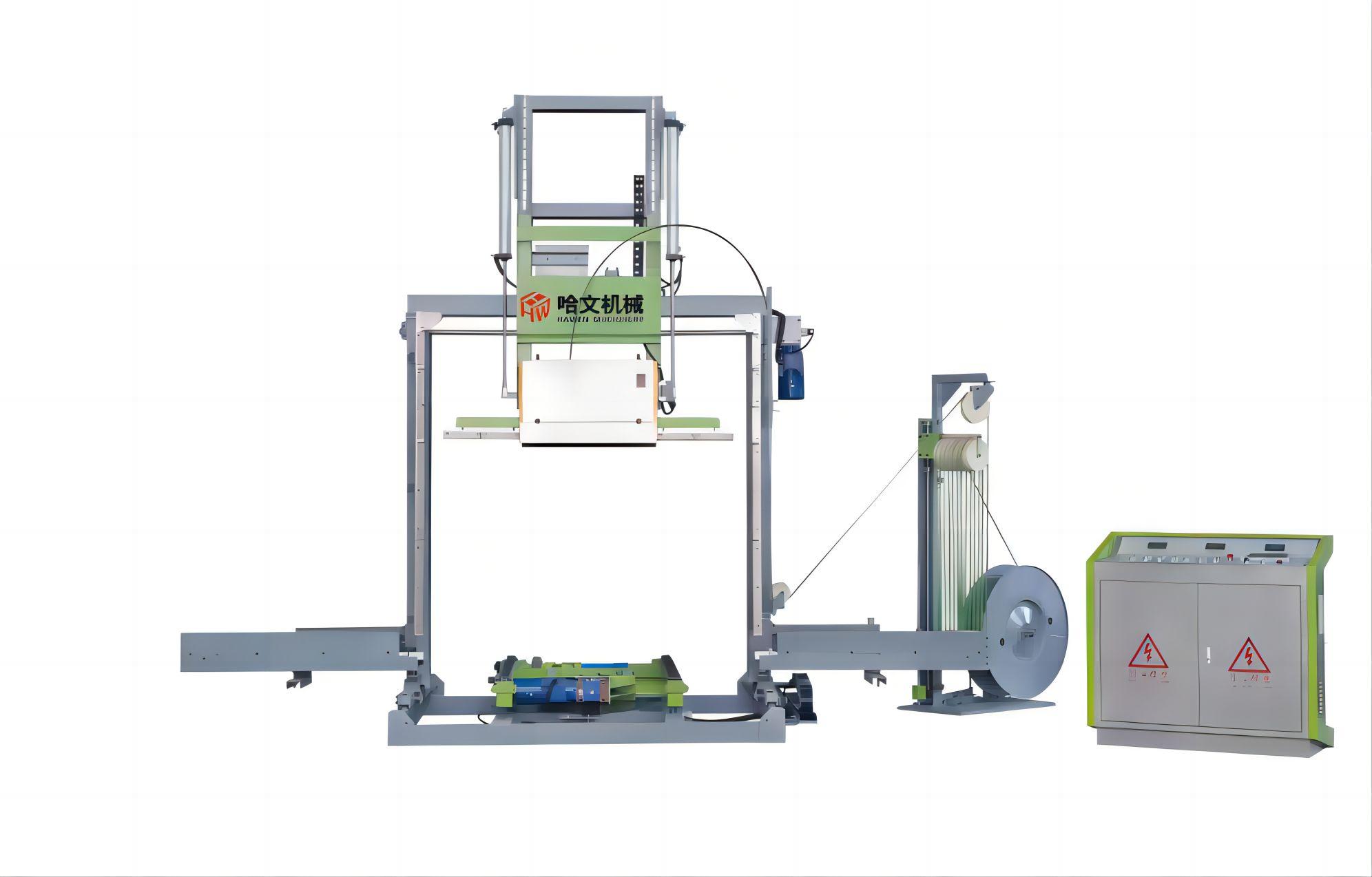
Hawen Machinery reflects this integrated approach by combining advanced vibration systems, stable hydraulic performance, intelligent automation, and precision-engineered molds. These elements ensure that a well-designed mix can consistently deliver high-strength, high-quality concrete blocks without unnecessary cost increases.
In modern manufacturing, competitive advantage is no longer achieved through material consumption, but through precision engineering and disciplined execution.
Ultimately, the “best mix” is not a formula written on paper—it is a dynamic balance achieved through continuous optimization, technical understanding, and system-level thinking, defining the future of efficient and sustainable concrete block production.
FAQ: Best Mix Design for Concrete Block Production
1. Is there a universal best mix design for concrete blocks?
No. The optimal mix depends on raw materials, machine conditions, and product requirements.
2. Can I improve strength without increasing cement content?
Yes. Optimizing aggregate grading, compaction, and water control can significantly enhance strength.
3. What is the most critical factor in mix design?
Aggregate gradation is often the most influential factor, as it determines internal density and structure.
4. How important is machine performance in mix optimization?
Very important. Proper vibration, stable hydraulics, and consistent control systems are essential to fully utilize the mix design.
5. How often should mix design be adjusted?
Regularly. Changes in raw materials or environmental conditions require ongoing adjustments to maintain optimal performance.





 Tel: +86-13905968794
 Email: export@hwmachines.com
 MP/WhatsApp: +86-13905968794
 Manufacturer Address:Nanan,Quanzhou City,Fujian Province,China