For many small block factories, improving production efficiency is not simply a matter of scaling up investment. In fact, constraints such as limited capital, manpower, and infrastructure often make large-scale upgrades impractical.
However, efficiency gains are still achievable. In most cases, low productivity stems not from insufficient capacity, but from process inefficiencies, inconsistent operations, and underutilized equipment. By optimizing these factors, small factories can significantly increase output while maintaining cost control.
1. Standardize Production Processes to Reduce Variability
In small-scale operations, inconsistency between operators and shifts is a major source of inefficiency. Variations in feeding, mixing, and machine operation lead to unstable cycle times and increased defect rates.
Establishing standardized procedures can:
reduce operational errors
stabilize production cycles
improve product consistency
Note: Even minor inconsistencies in feeding or vibration timing can accumulate into significant productivity losses over time.
2. Optimize Cycle Time Without Overloading the Machine
Many operators attempt to increase output by shortening cycle times excessively. This often leads to poor compaction, higher rejection rates, and ultimately lower effective productivity.
A more effective approach is to:
identify the optimal cycle time for each product
maintain stable machine rhythm
balance speed with quality
Efficiency should be measured not only by output volume, but by usable output.
3. Improve Compaction Efficiency Through Advanced Vibration
Compaction directly affects both block quality and production stability. Inefficient vibration results in longer forming times and inconsistent density.
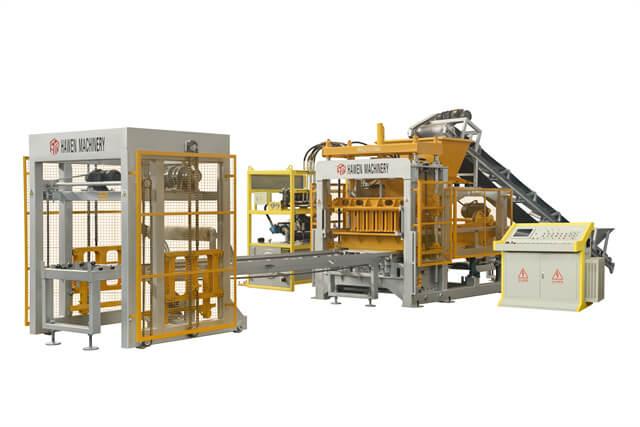
Hawen Machinery adopts a four-shaft vibration box design with eccentric blocks positioned outside the housing, which minimizes resistance, ensures uniform compaction, and reduces cement consumption while improving overall efficiency.
For small factories, this means:
faster density formation
reduced need for rework
more stable cycle performance
4. Ensure Reliable Hydraulic Operation
Hydraulic systems play a central role in synchronizing machine movements. Inconsistent pressure or delayed response can disrupt the entire production cycle.
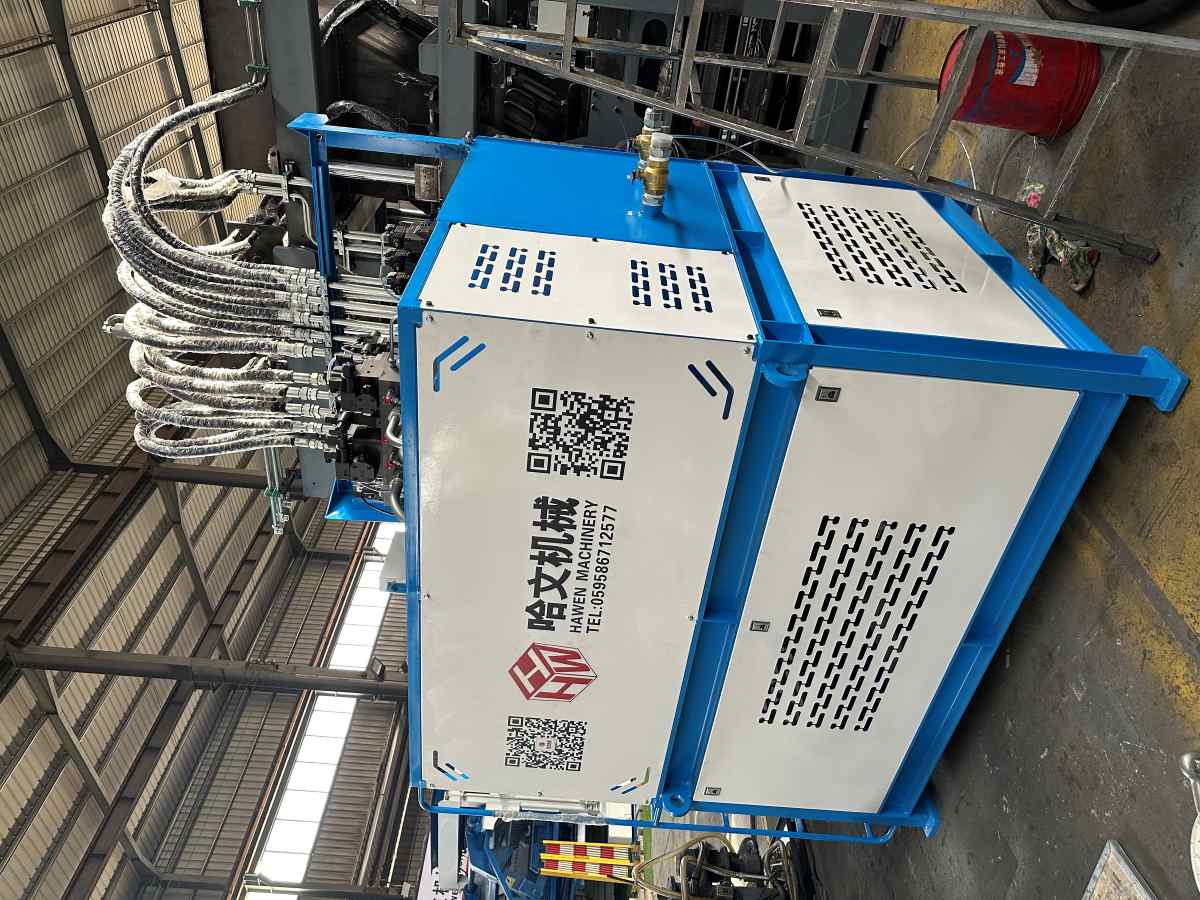
Hawen Machinery utilizes a hydraulic configuration that incorporates precision-controlled proportional and directional valves sourced from Japan, combined with robust hydraulic pumps from the United States, delivering accurate pressure control, smooth operation, and long-term reliability.
This ensures:
stable mold movement
consistent forming pressure
reduced mechanical interruptions
5. Use Intelligent Control to Minimize Human Dependency
Small factories often rely heavily on manual operation, which introduces variability and limits efficiency.
Hawen Machinery integrates a SIEMENS S7-200 PLC system with an intuitive interface and remote monitoring capabilities. This enables:
real-time tracking of machine performance
precise parameter adjustments
consistent production across shifts
Note: Automation does not replace operators; it enhances their ability to maintain stable production.
6. Maintain Mold Quality to Avoid Production Losses
Mold condition has a direct impact on both quality and efficiency. Worn or misaligned molds can cause defects, increase downtime, and reduce output.
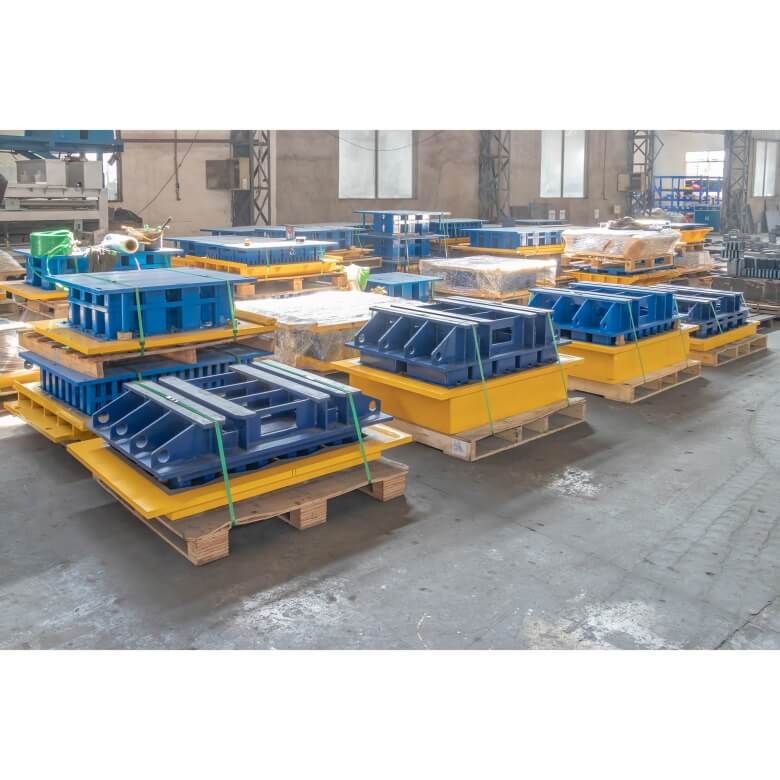
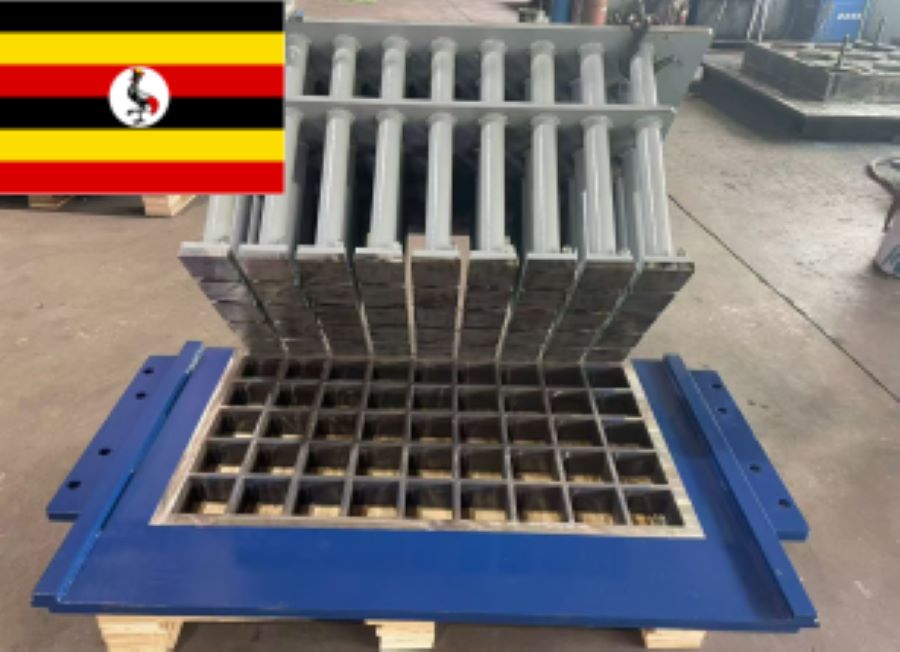
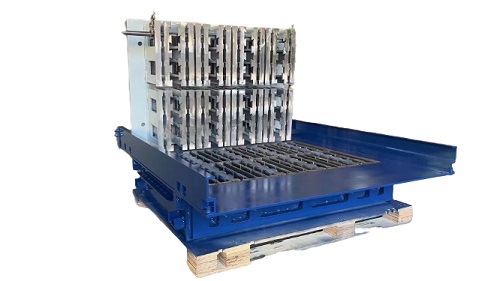
Hawen Machinery manufactures molds compatible with leading brands such as MASA, HESS, ZENITH, POYATOS, BESSER, TIGER, all produced according to original specifications and subjected to heat treatment for durability.
Regular maintenance ensures:
smooth demolding
consistent block dimensions
reduced rejection rates
7. Reduce Idle Time Through Better Workflow Design
In many small factories, machines spend a significant portion of time idle due to inefficient material handling or poor coordination.
Improving workflow can include:
optimizing raw material supply timing
reducing waiting time between cycles
organizing production layout more efficiently
Efficiency gains often come from eliminating downtime rather than increasing speed.
8. Focus on Operator Training and Discipline
Even with advanced equipment, operator performance remains critical. Lack of training leads to inconsistent operation and avoidable errors.
Investing in training can:
improve machine utilization
reduce mistakes
enhance overall productivity
From Survival to Sustainable Efficiency
For small block factories, improving production efficiency is not about competing with large-scale plants in capacity. It is about maximizing the value of every resource available.
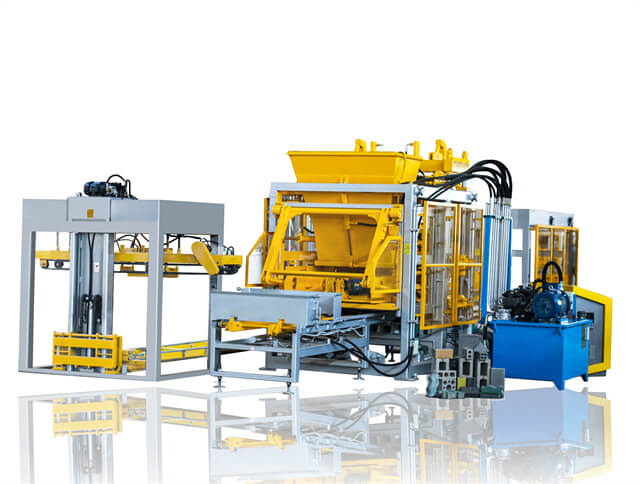
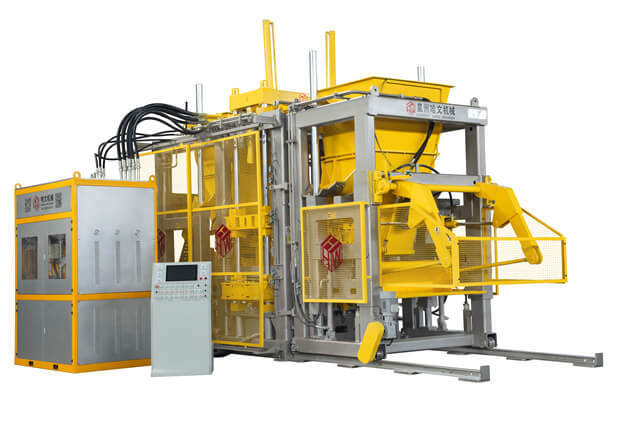
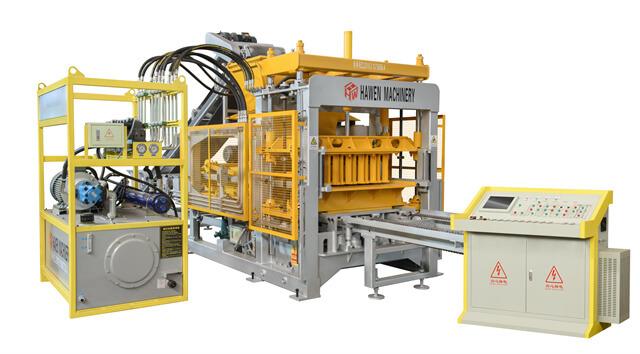
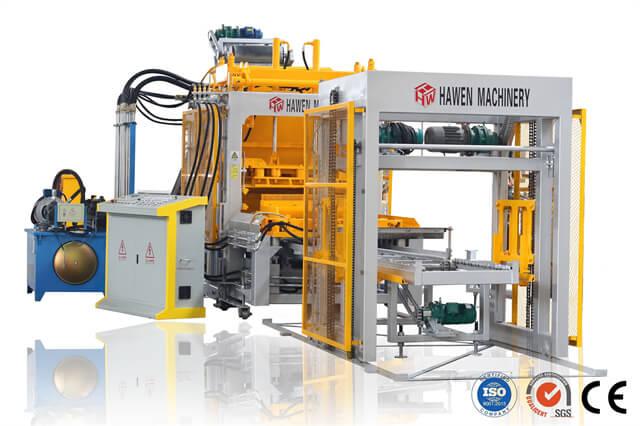
Hawen Machinery supports this transition by combining advanced vibration systems, stable hydraulic performance, intelligent control technology, and durable mold solutions, enabling even small-scale producers to achieve reliable and efficient production.
In a competitive market, the difference between stagnation and growth often lies in operational discipline and process optimization. True efficiency is not achieved by working faster, but by working smarter, more consistently, and with greater control.
Ultimately, small factories that embrace structured processes and intelligent systems will not remain small—they will evolve into highly efficient, resilient production units capable of sustained growth.
FAQ: Improving Efficiency in Small Block Factories
1. Can small factories improve efficiency without investing in new machines?
Yes. Process optimization, standardized operation, and better maintenance can significantly improve efficiency without major investment.
2. What is the most common cause of low efficiency?
Inconsistent operation and poor workflow design are often the primary causes of low productivity.
3. Does faster cycle time always mean higher output?
No. Excessively short cycles can reduce quality and increase rejection rates, lowering effective output.
4. How important is automation for small factories?
Automation helps reduce variability and improve consistency, making it highly valuable even for small-scale production.
5. How can downtime be minimized?
By improving material handling, maintaining equipment, and coordinating production steps more effectively.





 Tel: +86-13905968794
 Email: export@hwmachines.com
 MP/WhatsApp: +86-13905968794
 Manufacturer Address:Nanan,Quanzhou City,Fujian Province,China