Common Mistakes in Concrete Block Manufacturing and How to Avoid Them
In concrete block manufacturing, efficiency and quality are not accidental outcomes; they are the result of disciplined process control and engineering precision. Yet in practice, many producers—especially in rapidly expanding markets—encounter recurring mistakes that compromise product consistency, structural performance, and operational profitability.
This article identifies the most common pitfalls in block production and, more importantly, outlines practical and technically grounded solutions to mitigate them.
1. Improper Raw Material Proportioning
One of the most frequent errors lies in imbalanced mix design. Excessive cement content increases costs unnecessarily, while insufficient cement leads to weak and brittle blocks. Similarly, poor aggregate grading disrupts internal structure.
How to avoid it:
Establish a standardized mix design based on target strength and application
Regularly test raw materials for consistency
Adjust water-cement ratio carefully to maintain workability without compromising strength
Annotation: Even minor deviations in material ratios can lead to significant variability in compressive strength.
2. Inadequate Compaction During Forming
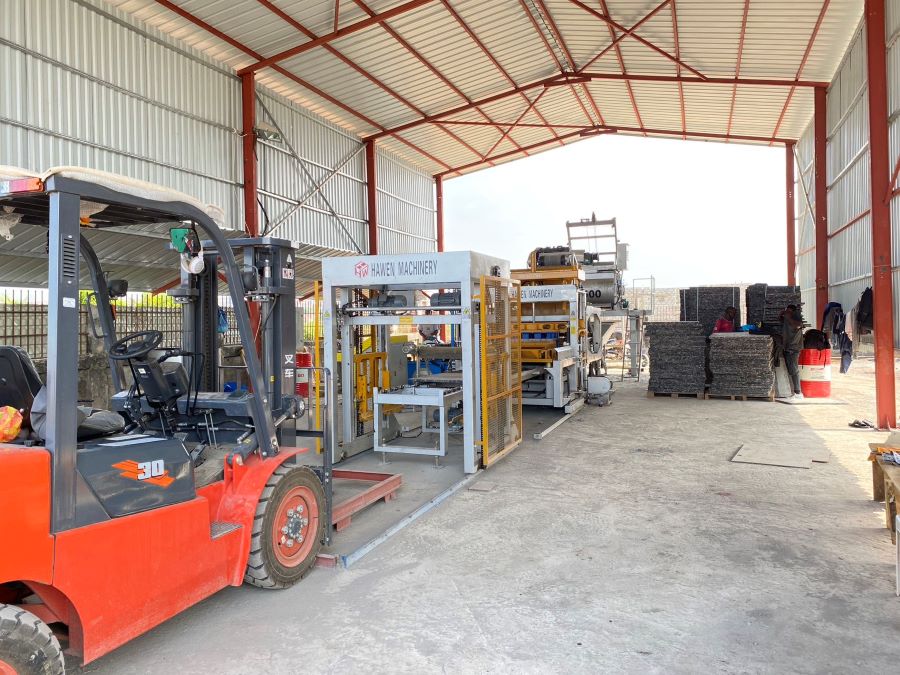
Insufficient or uneven compaction results in internal voids, low density, and reduced durability. This is often caused by outdated vibration systems or improper parameter settings.
How to avoid it:
Utilize advanced vibration systems to ensure uniform energy distribution
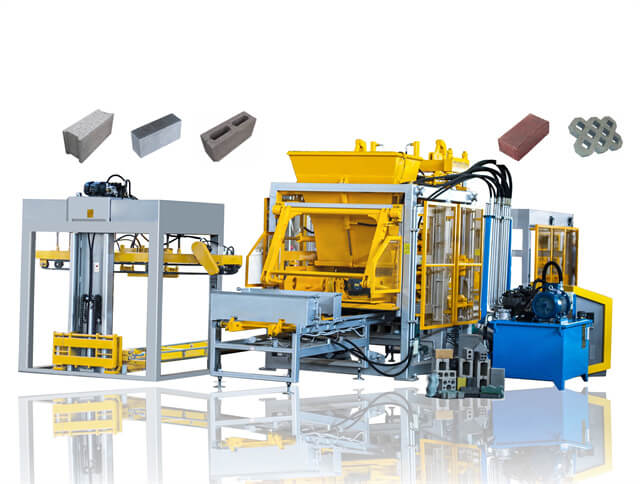
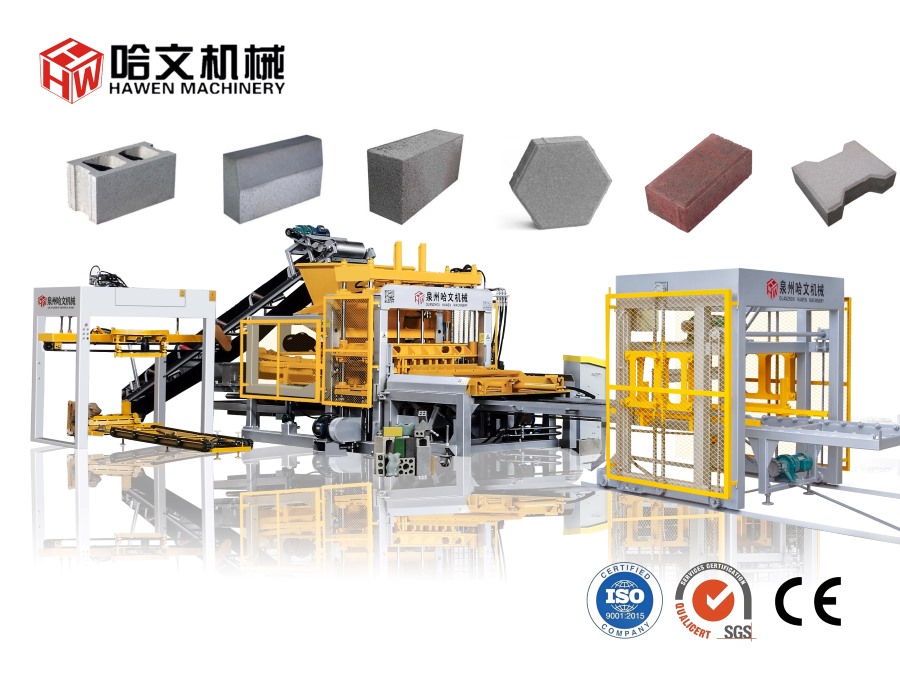
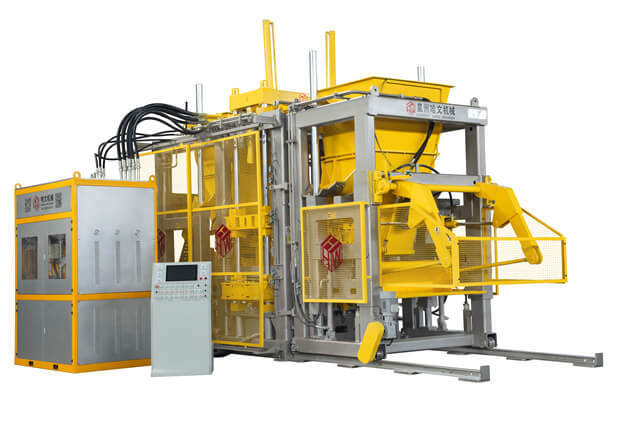
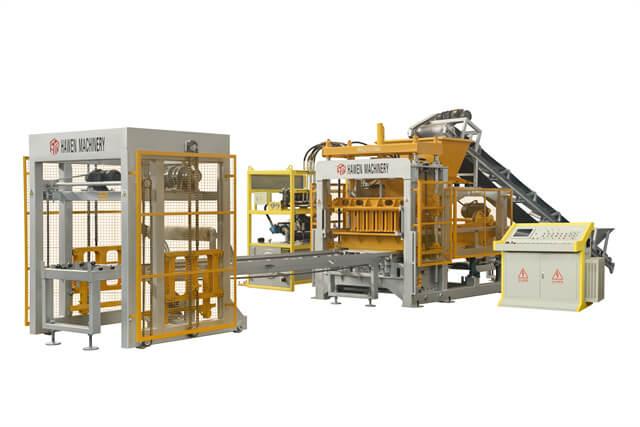
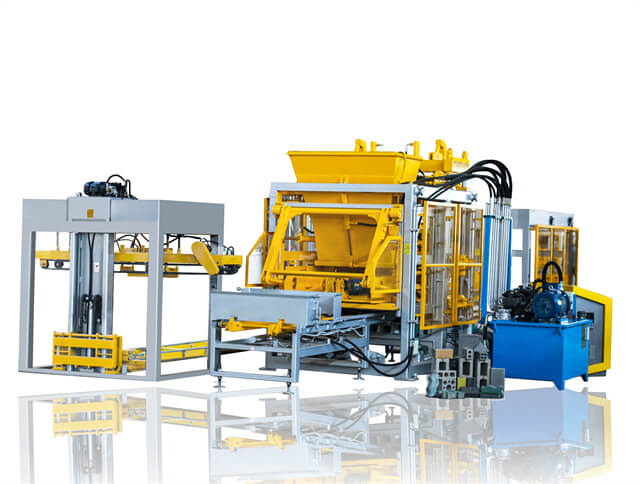
At Hawen Machinery, a four-shaft vibration box design with externally positioned eccentric blocks is adopted, reducing resistance during vibration, ensuring uniform compaction, and lowering cement consumption while improving overall efficiency
Calibrate vibration frequency and amplitude according to product type
3. Unstable Hydraulic Pressure
Fluctuating forming pressure leads to inconsistent block density and dimensional variation, particularly under high-speed production conditions.
How to avoid it:
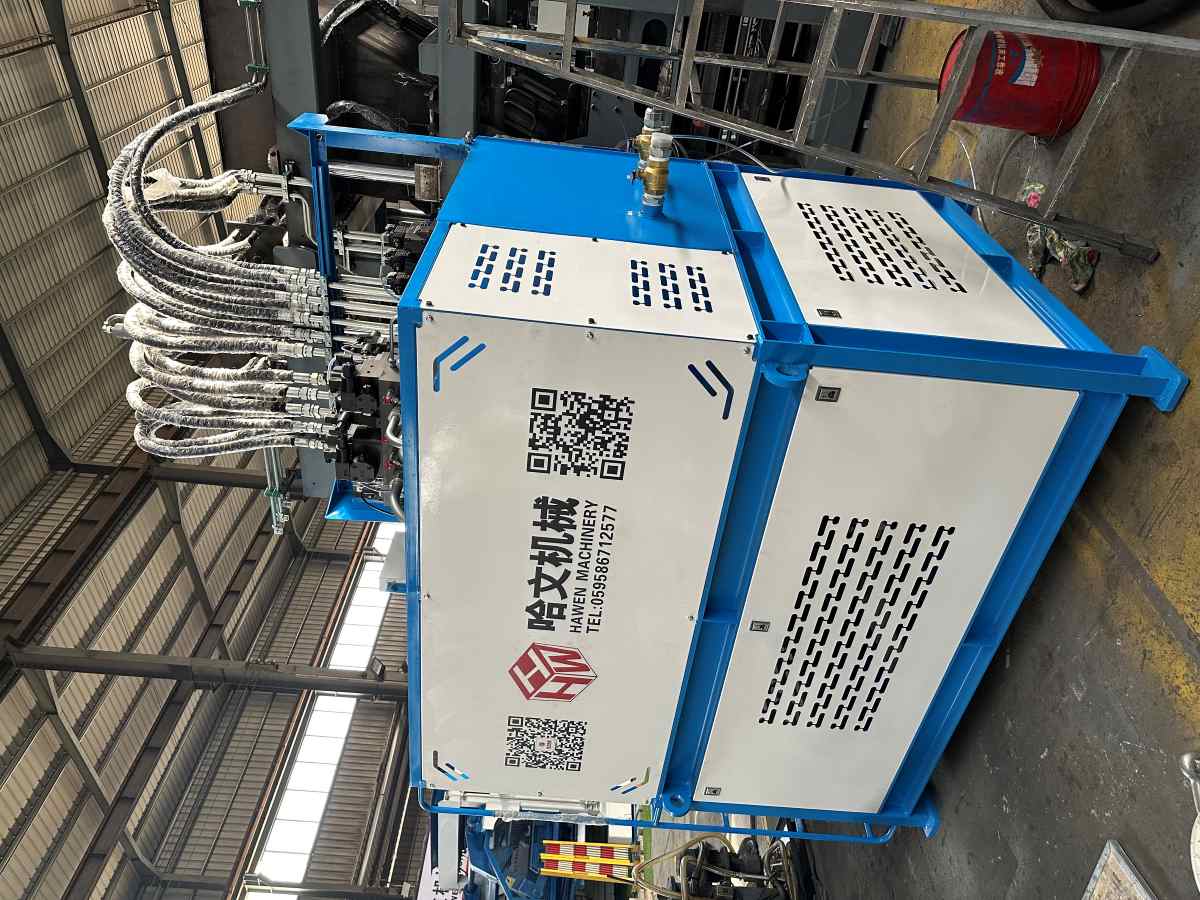
Implement a stable and responsive hydraulic system
Hawen Machinery integrates high-performance proportional and directional valves from Japan with durable American hydraulic pumps, ensuring accurate pressure control, high load capacity, and long-term operational stability
Conduct regular maintenance to prevent pressure loss or leakage
4. Poor Mold Quality or Maintenance
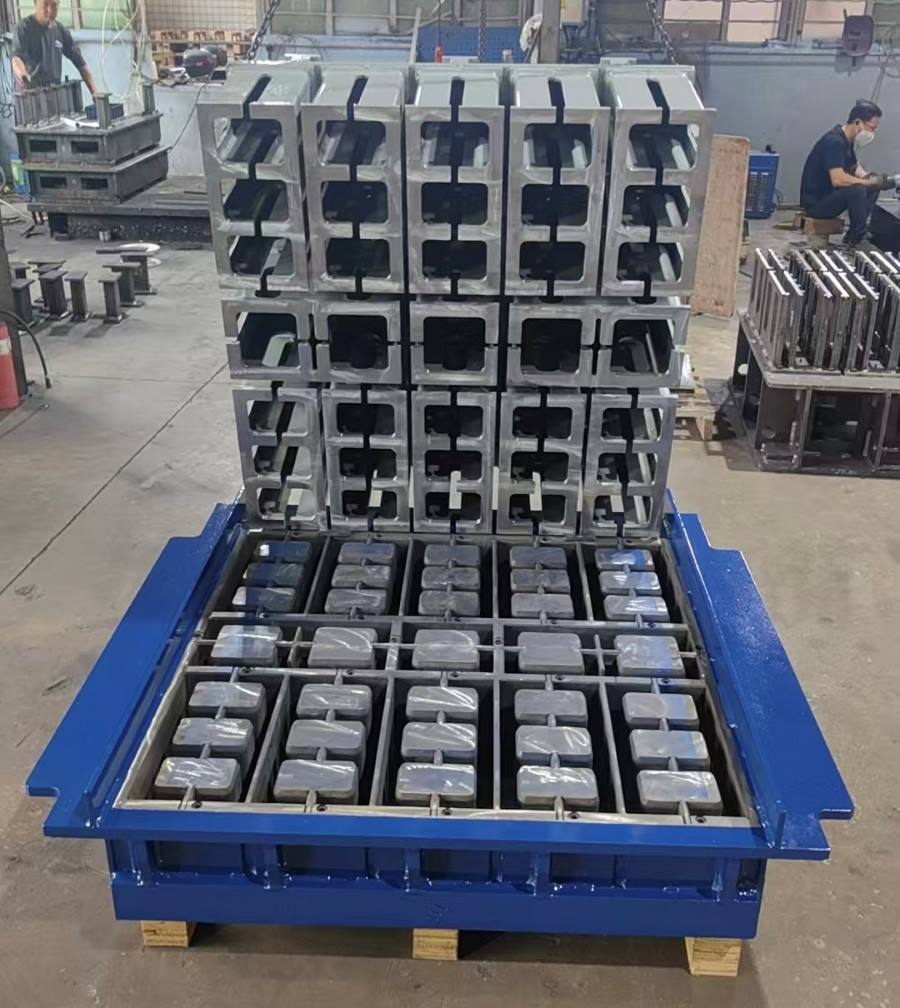
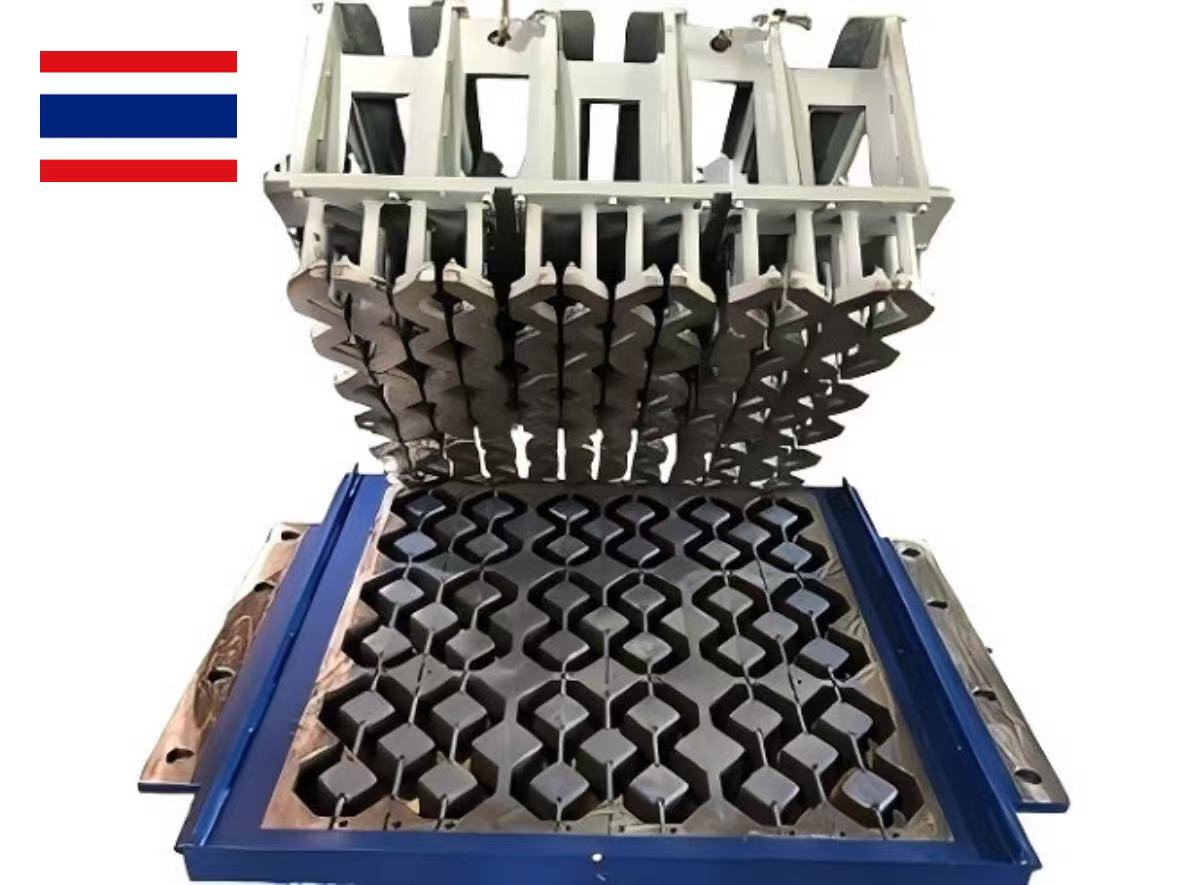
Molds directly determine the shape, size, and surface quality of concrete blocks. Worn or poorly designed molds cause dimensional inaccuracies and surface defects.
How to avoid it:
Use precision-engineered molds compatible with leading brands such as MASA, HESS, ZENITH, POYATOS, BESSER, TIGER
Ensure all molds undergo heat treatment for enhanced durability
Perform routine inspection and timely replacement of worn components
5. Lack of Process Control and Monitoring
Manual operation without systematic control often leads to inconsistent production outcomes, even when equipment is capable.
How to avoid it:
Adopt intelligent control systems for real-time monitoring
Hawen Machinery integrates a SIEMENS S7-200 PLC system with an intuitive touch panel and remote monitoring capabilities
Use data-driven adjustments to optimize production parameters and maintain consistency
Annotation: The transition from manual control to automated monitoring significantly reduces human-induced variability.
6. Inadequate Curing Conditions
Even perfectly formed blocks can fail to achieve desired strength if curing is neglected. Improper curing leads to surface cracking, reduced strength, and long-term durability issues.
How to avoid it:
Maintain appropriate humidity and temperature conditions during curing
Ensure sufficient curing time before handling or transportation
Implement controlled curing systems for large-scale production
7. Ignoring Equipment Maintenance
Neglecting routine maintenance results in gradual performance degradation, affecting vibration efficiency, hydraulic stability, and overall output quality.
How to avoid it:
Establish a preventive maintenance schedule
Regularly inspect vibration components, hydraulic systems, and molds
Replace worn parts before they impact production quality
Integrating Technology to Eliminate Errors
Modern manufacturing increasingly relies on integrated systems to minimize human error and process variability. By combining advanced vibration technology, stable hydraulic systems, intelligent PLC control, and precision molds, manufacturers can effectively eliminate the majority of common production mistakes.
Hawen Machinery exemplifies this approach, offering solutions that emphasize process stability, repeatability, and operational efficiency, ensuring that quality is not left to chance but engineered into every stage of production.
From Avoiding Mistakes to Achieving Excellence
Avoiding mistakes is only the first step. The true objective of modern block manufacturing is to build a robust, repeatable, and scalable production system where errors are systematically prevented rather than reactively corrected.
In this context, the industry is undergoing a profound transformation—from experience-based production to precision-driven, data-informed manufacturing. The companies that succeed will not be those that merely fix problems, but those that design processes in which problems rarely occur.
Ultimately, excellence in concrete block manufacturing lies in the ability to align materials, machinery, and management into a coherent system, where every parameter is controlled, every outcome is predictable, and every block reflects a standard of quality that is both measurable and dependable.
FAQ: Common Mistakes in Block Manufacturing
1. What is the most common cause of low block strength?
Improper mix design and inadequate compaction are the primary causes, often compounded by poor curing conditions.
2. How can manufacturers reduce variability in production?
By implementing automated control systems, stable hydraulic systems, and consistent vibration settings, variability can be significantly minimized.
3. How often should molds be replaced or maintained?
Molds should be inspected regularly and maintained or replaced based on wear level to ensure consistent dimensions and surface quality.
4. Can automation completely eliminate production mistakes?
Automation greatly reduces errors, but proper operation, maintenance, and quality control remain essential.
5. Why is curing often overlooked, and why is it important?
Curing is sometimes underestimated because it occurs after forming, but it is critical for achieving final strength and durability.






 Tel: +86-13905968794
 Email: export@hwmachines.com
 MP/WhatsApp: +86-13905968794
 Manufacturer Address:Nanan,Quanzhou City,Fujian Province,China