Why Modern Block Machines Are Game-Changers in Construction
Author:HAWEN Block MachineFROM:Brick Production Machine Manufacturer
TIME:2026-03-14
Why Modern Block Machines Are Game-Changers in Construction
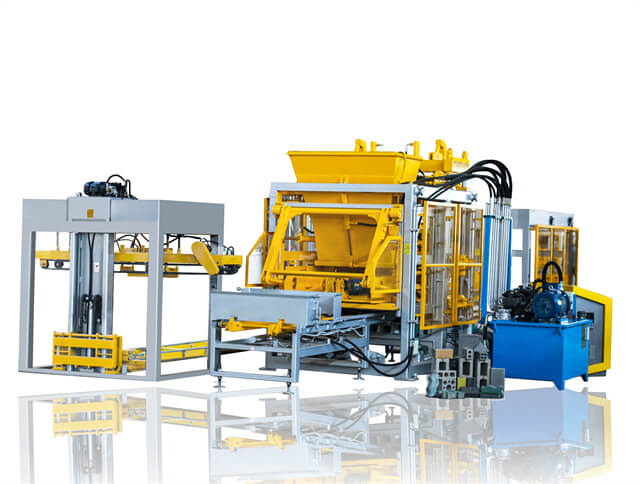
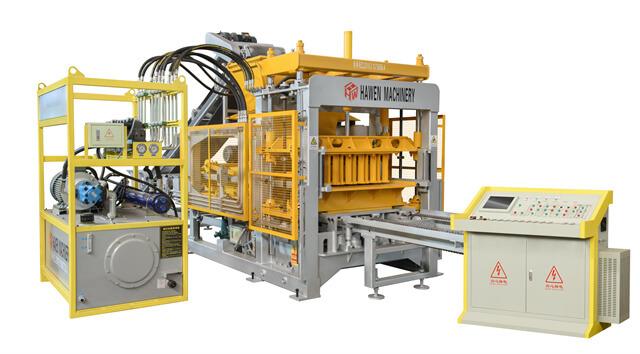
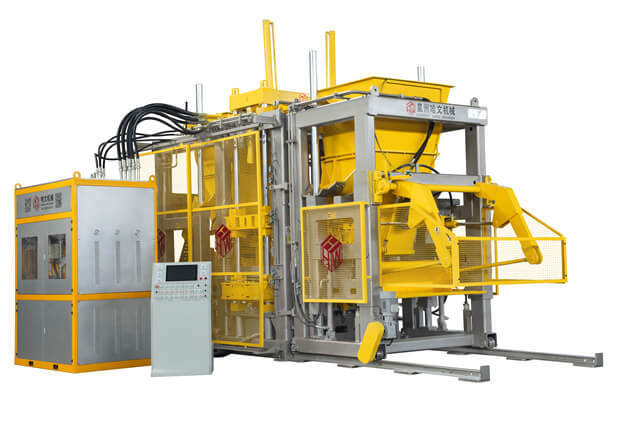
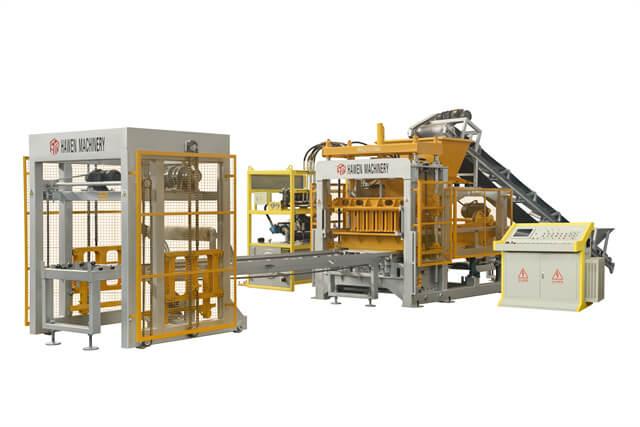
The construction industry is undergoing a profound transformation. Rapid urbanization, large-scale infrastructure development, and increasing environmental awareness have reshaped the demands placed on building materials. In this evolving landscape, modern block machines have emerged as pivotal technologies, redefining how concrete blocks and pavers are produced.
Unlike traditional systems that rely heavily on manual intervention and inconsistent processes, contemporary block machines integrate advanced engineering, automation, and material efficiency. The result is not merely faster production, but a fundamental shift in the quality, scalability, and sustainability of construction materials.
In many ways, modern block machines have become game-changers—technologies that reshape industry standards and enable manufacturers to meet the demands of modern construction.
1. Industrial-Scale Efficiency: Transforming Production Capacity
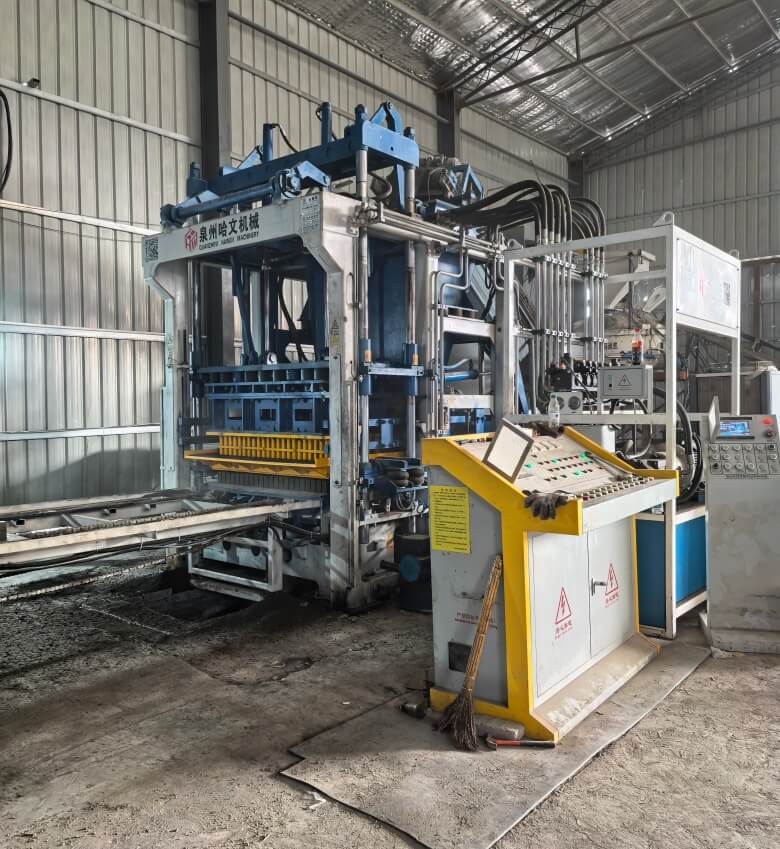
One of the most significant contributions of modern block machines lies in their ability to achieve industrial-scale productivity. Construction projects today often require millions of blocks within tight timelines. Traditional production methods struggle to meet such demand.
Automated block machines, however, operate with precise forming cycles, synchronized material feeding, and continuous pallet circulation, allowing manufacturers to produce large quantities of blocks with remarkable consistency.
This transformation is not simply about speed. High-output machines also ensure:
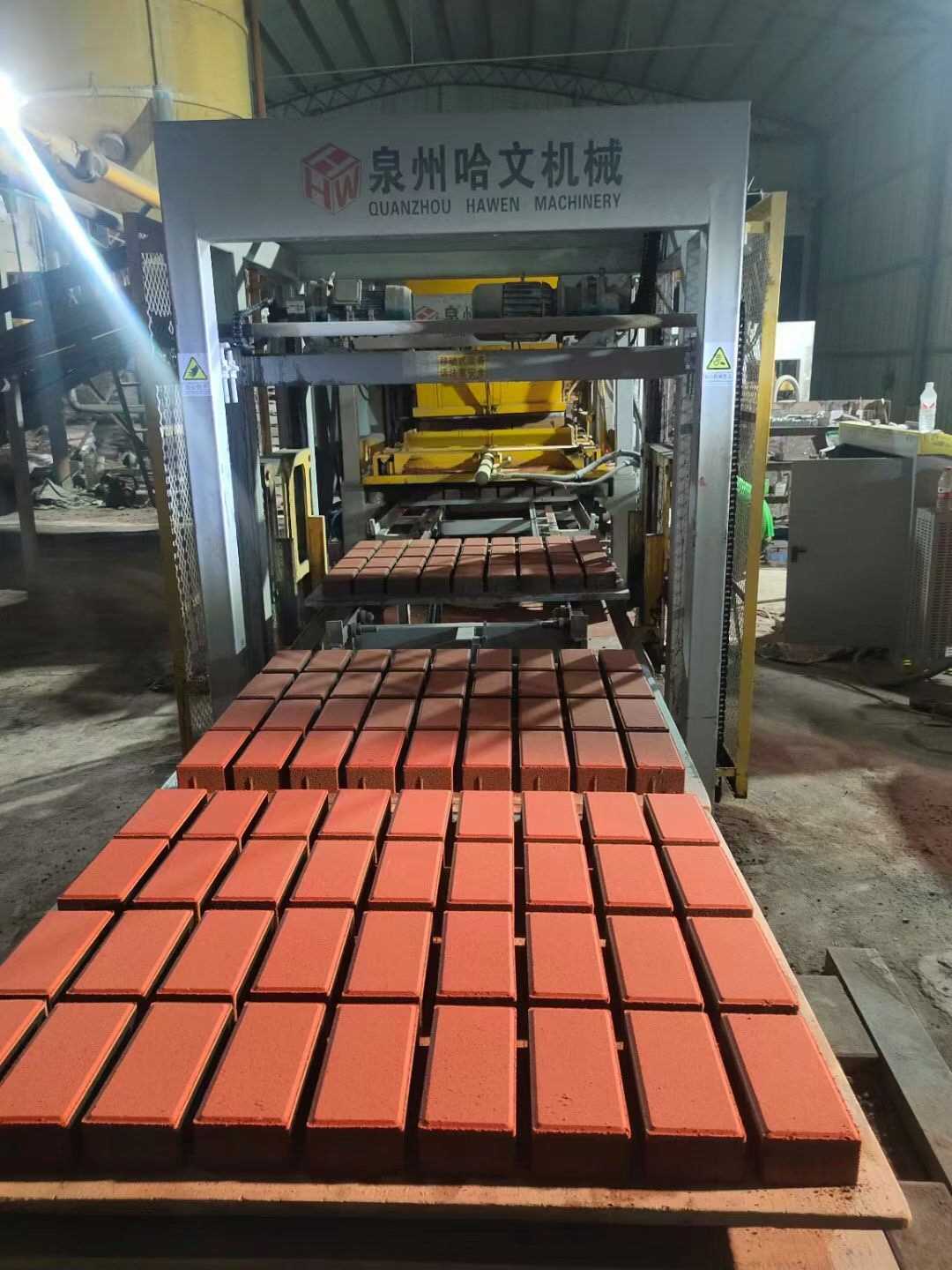
stable block dimensions
uniform density
predictable curing performance
Observation: In large infrastructure projects, consistency often matters more than absolute output. Even minor dimensional variations can complicate masonry work and reduce structural integrity.
2. Advanced Vibration Systems: Improving Structural Strength
Concrete blocks derive their strength from proper compaction of the material mixture. Achieving this consistently requires a sophisticated vibration system capable of distributing energy evenly throughout the mold.
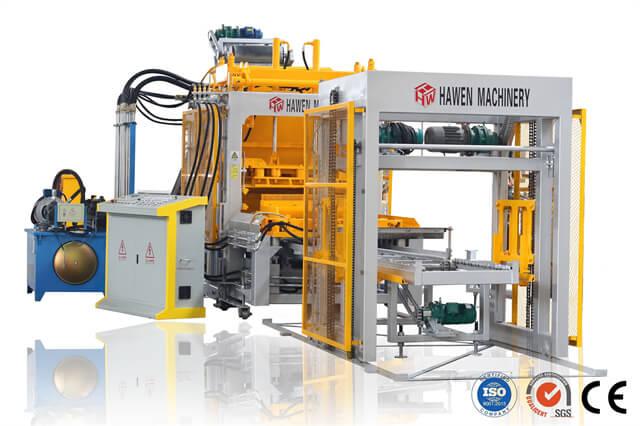
At Hawen Machinery, the vibration system is engineered around a four-shaft vibration box configuration, where eccentric blocks are installed outside the vibration housing. This arrangement reduces mechanical resistance during operation while enabling vibration energy to spread evenly across the mold surface.
Such a design provides several practical advantages:
uniform compaction across all cavities
increased compressive strength of blocks
reduced cement consumption
improved production efficiency
From an engineering perspective, effective vibration technology ensures that every particle within the concrete mixture participates in the compaction process, producing denser and more durable blocks.
3. Hydraulic Precision: Ensuring Stable Machine Operation
In high-capacity block production lines, the hydraulic system performs numerous critical tasks—mold lifting, pressing operations, pallet positioning, and material distribution. Reliability and responsiveness are therefore essential.
Hawen’s hydraulic configuration incorporates proportional and directional valves manufactured by Japan’s YUKEN together with hydraulic pumps supplied by the American brand ALBERT. This combination enables accurate pressure regulation and stable flow control under continuous production loads.
The benefits extend beyond smooth machine movement. Precision hydraulics help ensure:
consistent forming pressure
reduced mechanical stress
longer equipment lifespan
According to industrial hydraulics research, stable pressure control is essential for maintaining uniform compaction during high-speed production cycles.
4. Intelligent Control Systems: Automation in the Digital Age
Automation has become a defining characteristic of modern manufacturing systems. In block production, intelligent control platforms play a crucial role in coordinating complex mechanical operations.
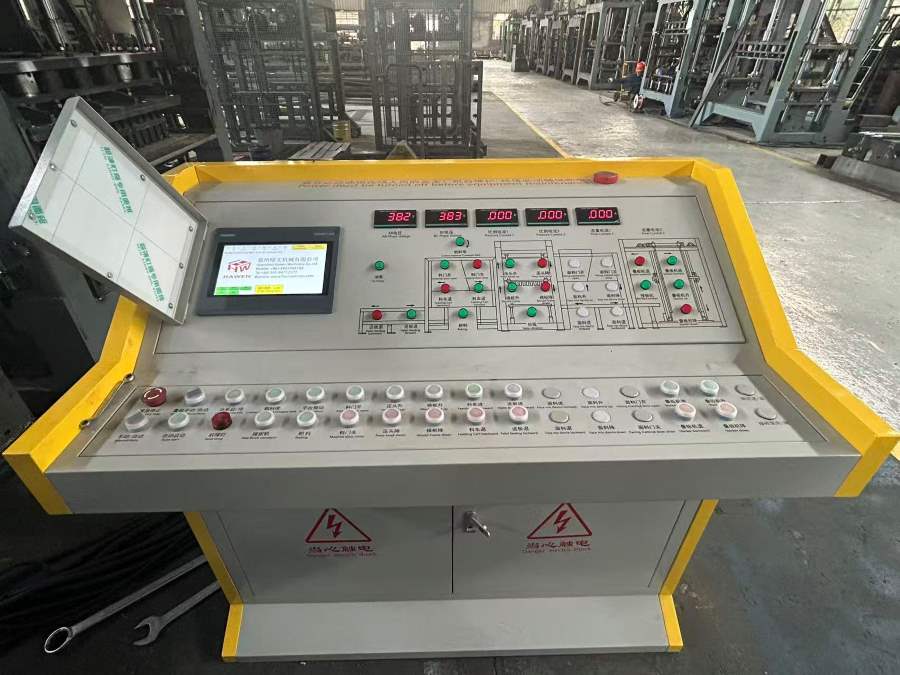
Hawen integrates a SIEMENS S7-200 PLC with a user-friendly touch interface and remote monitoring functionality. This system enables operators and engineers to observe the real-time operating status of machines installed in different locations. Production parameters can also be adjusted remotely to optimize performance.
The advantages are considerable:
real-time equipment monitoring
rapid troubleshooting and diagnostics
consistent product quality across production batches
simplified plant management
Annotation: Remote monitoring is particularly valuable for international projects, where equipment may operate thousands of kilometers away from the manufacturer.
5. Mold Engineering: Precision Determines Product Quality
While machines provide the driving force, molds ultimately determine the shape, dimensions, and surface quality of concrete blocks.
Hawen Machinery manufactures molds compatible with a wide range of globally recognized block machine brands, including MASA, HESS, ZENITH, POYATOS, BESSER, and TIGER. By adhering closely to original specifications, these molds achieve precise alignment and stable operation across different machine platforms.
To enhance durability, all molds undergo specialized heat treatment, a process that significantly improves hardness and wear resistance. This ensures that molds maintain dimensional accuracy even after extended production cycles.
In large-scale block plants, high-quality molds contribute directly to:
consistent block geometry
lower maintenance frequency
uninterrupted production schedules
6. Sustainability and Resource Efficiency
Modern block machines are not only more productive—they are also more resource-efficient.
Improved vibration systems reduce cement consumption by achieving higher compaction efficiency. Automated material handling minimizes waste, while optimized forming cycles lower energy usage.
These improvements align closely with the global construction industry's growing emphasis on sustainable building practices.
Reference: The International Energy Agency has repeatedly highlighted the importance of improving material efficiency in cement-based construction to reduce the sector’s environmental footprint.
Industry Perspective: Technology Driving Construction Innovation
The emergence of modern block machines reflects a broader trend within construction manufacturing: the transition from manual production to intelligent industrial systems.
Several factors are accelerating this transformation:
increasing global infrastructure investment
rising labor costs in many regions
stricter quality standards for building materials
the push for environmentally responsible construction
Under these conditions, automated block machines provide manufacturers with a powerful competitive advantage. They allow producers to meet rising demand while maintaining precision, reliability, and operational efficiency.
The Future of Construction Manufacturing
Modern block machines are more than tools for producing masonry units. They represent a shift toward engineering-driven construction material production, where mechanical design, digital control, and materials science converge.
At Hawen Machinery, this philosophy guides the continuous development of block manufacturing equipment. By integrating advanced vibration systems, reliable hydraulic technology, intelligent control platforms, and precision mold engineering, Hawen strives to create machines that deliver both productivity and long-term stability.
Ultimately, the true significance of modern block machines extends far beyond the factory floor. As cities expand and infrastructure projects grow increasingly complex, the reliability of construction materials becomes critical.
In this context, modern block machines are not merely equipment—they are enablers of the built environment, shaping the way buildings, roads, and cities are constructed. By making block production faster, more consistent, and more efficient, these technologies are quietly redefining the foundations of modern construction.
FAQ: Modern Block Machines in Construction
1.Why are modern block machines considered game-changers in construction?
Modern block machines dramatically improve production efficiency, product consistency, and material utilization. Their integration of automation, precision engineering, and advanced vibration technology enables manufacturers to produce high-quality blocks at industrial scale.
2.How do vibration systems influence block quality?
Vibration compacts the concrete mixture inside the mold. Efficient vibration systems ensure uniform particle distribution, which increases block density and compressive strength while reducing cement consumption.
3.What advantages do automated control systems provide?
PLC-based control systems coordinate machine operations with high precision. They allow real-time monitoring, remote diagnostics, and rapid parameter adjustments, which helps maintain stable production and reduce downtime.
4.Why is mold quality important in block manufacturing?
Molds determine the final shape and dimensions of concrete blocks. High-quality molds manufactured with precise machining and heat treatment ensure stable operation and long service life.
5.Are modern block machines environmentally friendly?
Yes. By improving compaction efficiency and optimizing production processes, modern machines can reduce cement consumption, minimize material waste, and lower overall energy usage.




 Tel: +86-13905968794
 Email: export@hwmachines.com
 MP/WhatsApp: +86-13905968794
 Manufacturer Address:Nanan,Quanzhou City,Fujian Province,China