How to Compare Different Block Machine Models
Author:HAWEN Block MachineFROM:Brick Production Machine Manufacturer
TIME:2026-02-05
How to Compare Different Block Machine Models
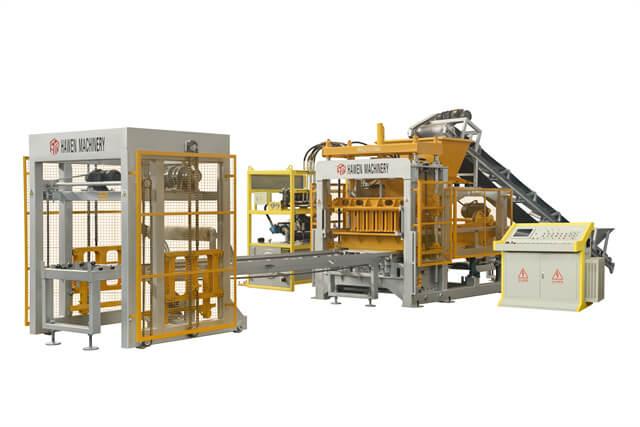
Selecting a block machine is not merely a question of price or output figures. It is a comparative decision that requires manufacturers to evaluate how different machine models perform across productivity, stability, efficiency, and long-term operational value. A structured comparison allows buyers to move beyond surface specifications and identify the model that truly aligns with their production strategy.
1. Start with Production Scope, Not Nominal Capacity
When comparing block machine models, many buyers focus first on theoretical output. While capacity figures are important, they must be interpreted in context. Different models are designed for different production scopes, including block size range, product variety, and cycle consistency under continuous operation.
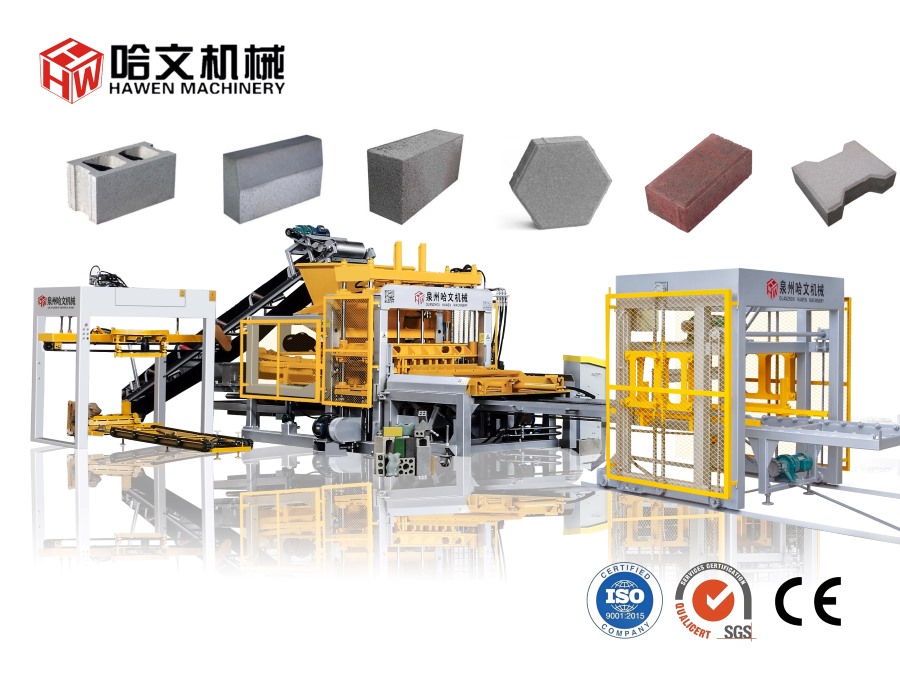
A higher-rated model may offer superior flexibility for hollow blocks, solid blocks, and pavers, while a smaller model may be optimized for a limited but stable product mix. Effective comparison therefore begins with matching machine models to actual production objectives, rather than assuming that higher capacity always delivers higher value.
 2. Structural Design and Mechanical Stability
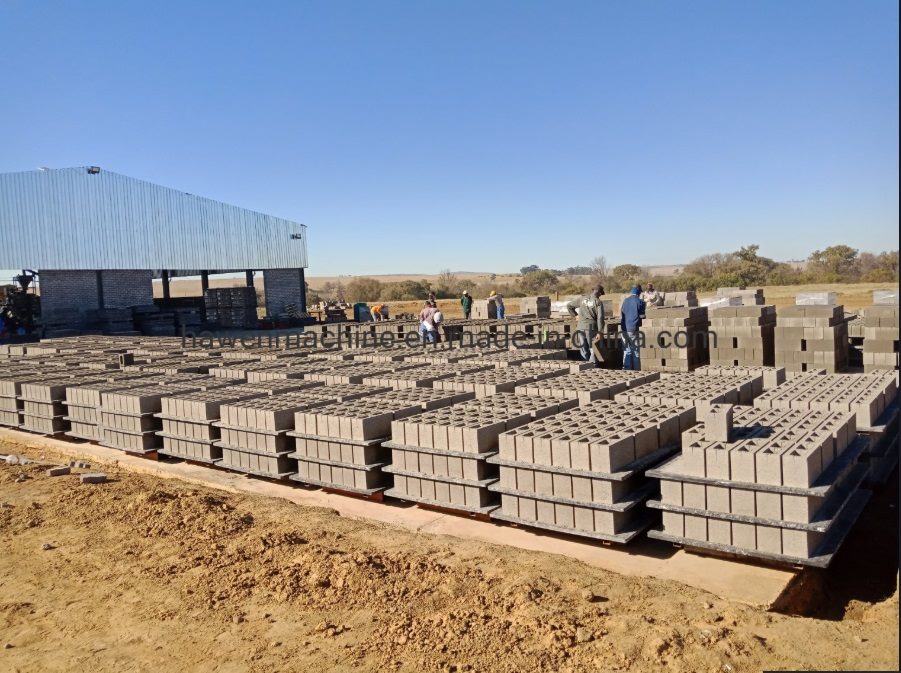
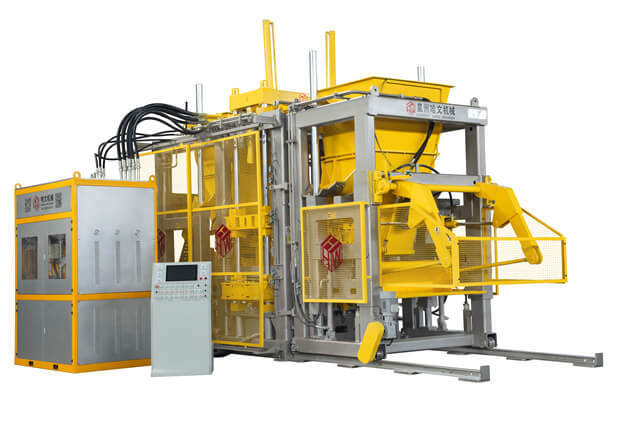
Structural integrity is a decisive differentiator among block machine models. Machines operating under constant vibration and pressing forces require rigid frames, precise machining, and rational load distribution. Variations in frame thickness, welding standards, and mechanical alignment directly influence long-term dimensional accuracy and mold life.
Higher-end models typically demonstrate better resistance to deformation and fatigue, resulting in more stable mold positioning and reduced maintenance frequency. Over time, these structural advantages translate into lower downtime and more predictable production outcomes.
3. Vibration System: The Hidden Variable Behind Block Quality
Vibration technology plays a central role in determining block density, surface finish, and cement efficiency. When comparing machine models, it is essential to look beyond vibration power and examine vibration structure and force transmission.
Hawen Machinery adopts a four-shaft vibration box design, positioning eccentric blocks outside the housing. This reduces resistance during vibration, ensures uniform compaction, and lowers cement consumption while improving overall efficiency. Models equipped with such optimized vibration systems tend to deliver higher-quality blocks with reduced material costs, particularly in high-volume production environments.
2. Structural Design and Mechanical Stability
Structural integrity is a decisive differentiator among block machine models. Machines operating under constant vibration and pressing forces require rigid frames, precise machining, and rational load distribution. Variations in frame thickness, welding standards, and mechanical alignment directly influence long-term dimensional accuracy and mold life.
Higher-end models typically demonstrate better resistance to deformation and fatigue, resulting in more stable mold positioning and reduced maintenance frequency. Over time, these structural advantages translate into lower downtime and more predictable production outcomes.
3. Vibration System: The Hidden Variable Behind Block Quality
Vibration technology plays a central role in determining block density, surface finish, and cement efficiency. When comparing machine models, it is essential to look beyond vibration power and examine vibration structure and force transmission.
Hawen Machinery adopts a four-shaft vibration box design, positioning eccentric blocks outside the housing. This reduces resistance during vibration, ensures uniform compaction, and lowers cement consumption while improving overall efficiency. Models equipped with such optimized vibration systems tend to deliver higher-quality blocks with reduced material costs, particularly in high-volume production environments.
 4. Hydraulic Station Configuration and Component Quality
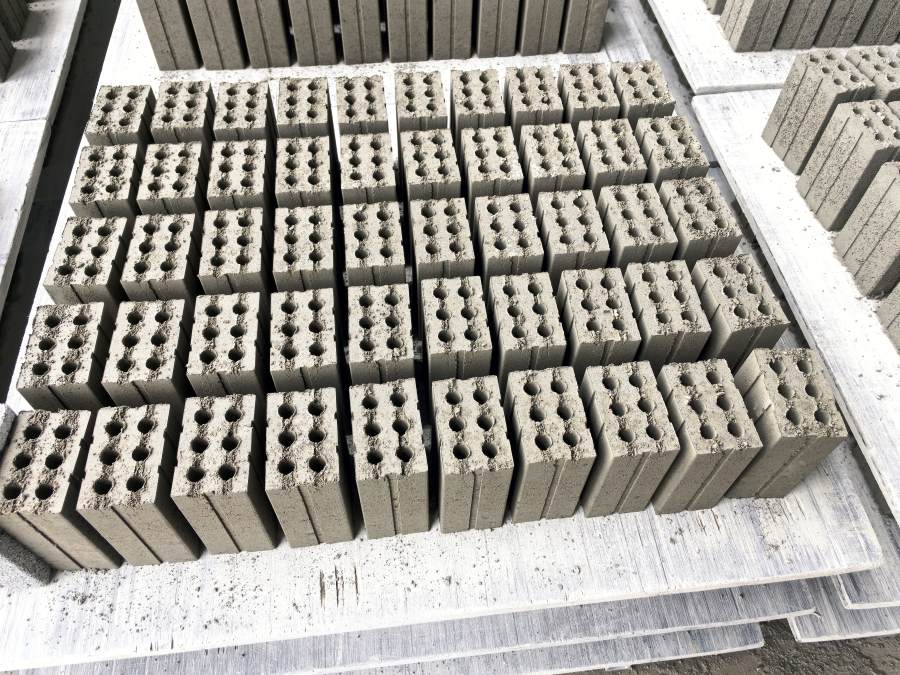
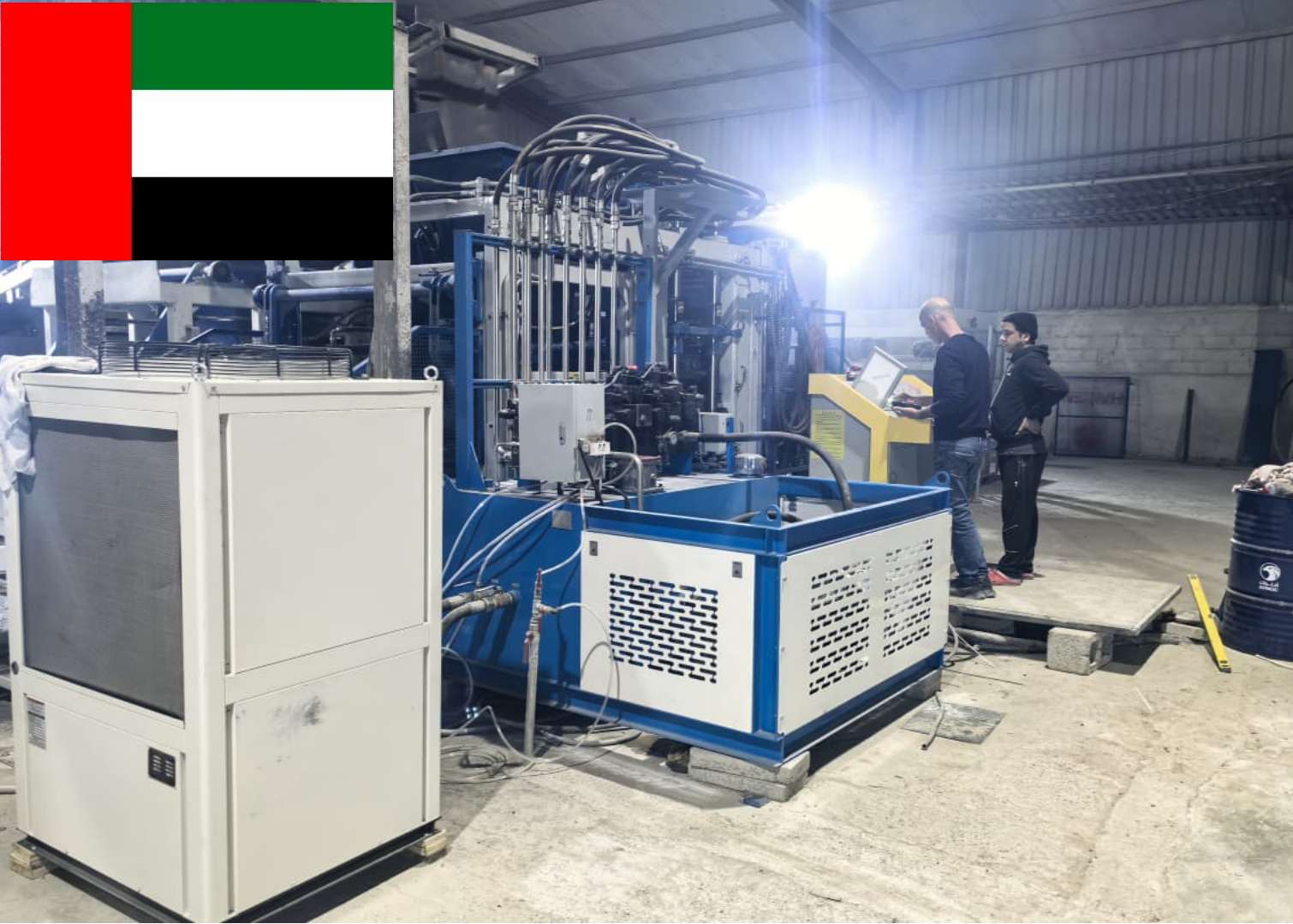
Another key comparison factor lies in the hydraulic station. While many models may appear similar on paper, differences in hydraulic components significantly affect pressure stability, response accuracy, and system durability.
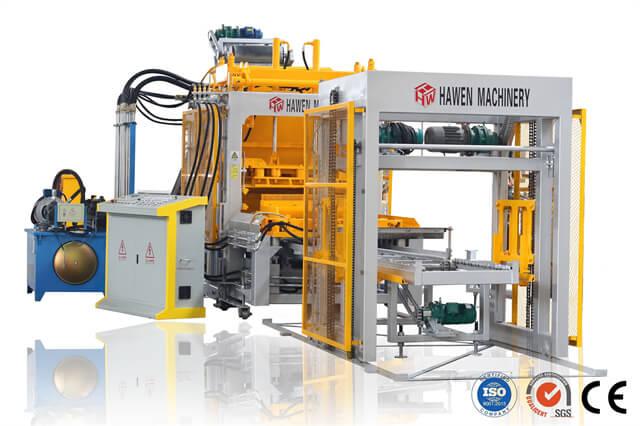
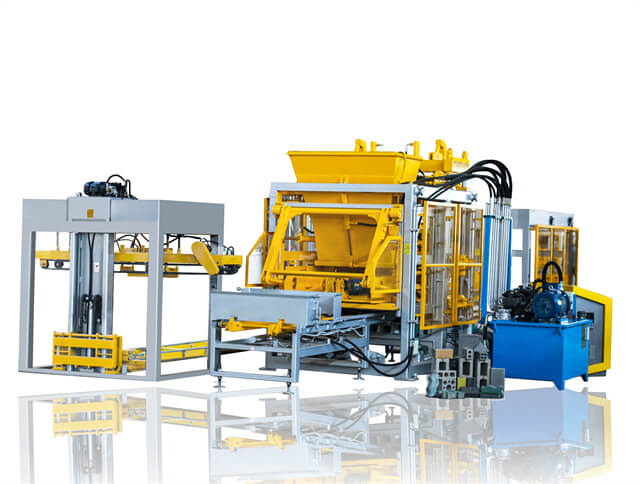
At Hawen Machinery, the hydraulic station of our block machines adopts Japanese YUKEN proportional and directional valves and an American ALBERT hydraulic pump, combining precise control with high load capacity and long-term durability. Models using premium hydraulic components typically exhibit smoother operation, shorter cycle times, and greater reliability under sustained load conditions.
5. Control System and Operational Intelligence
Modern block machine models increasingly differentiate themselves through control systems rather than mechanical complexity alone. A reliable PLC system enables accurate parameter control, repeatable production cycles, and reduced dependence on operator experience.
Hawen Machinery integrates a SIEMENS S7-200 PLC with an intuitive touch panel and remote monitoring capabilities. Through this system, we can track the real-time operating status of customers' block machines, optimize operational parameters remotely, and ensure consistent production quality. When comparing models, the presence of intelligent control and remote support capabilities often signals a machine designed for long-term operational efficiency.
6. Mold Compatibility and Platform Flexibility
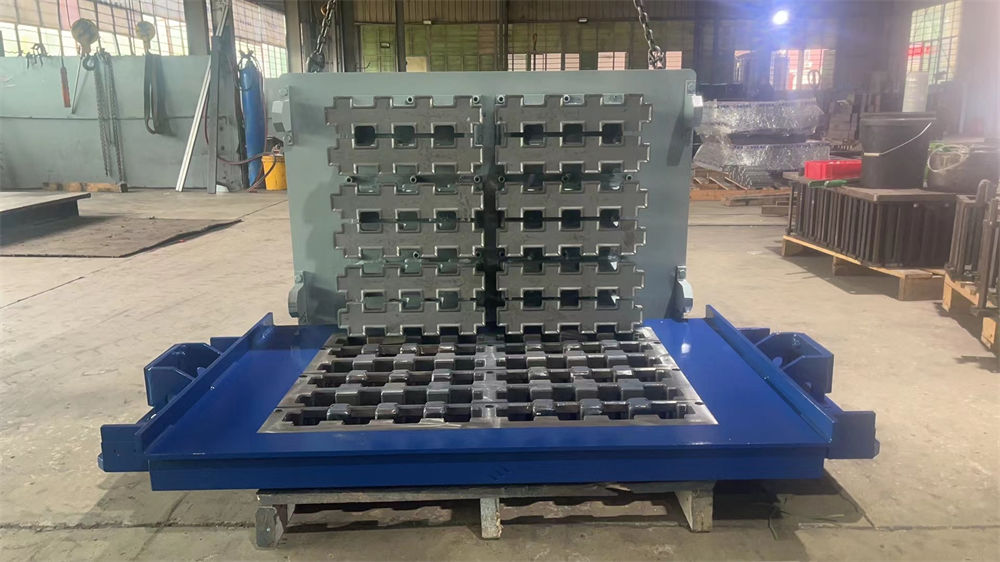
Mold quality and compatibility are frequently underestimated in machine comparisons. Different block machine models may require proprietary molds, limiting flexibility and increasing long-term costs.
Hawen Machinery designs molds compatible with leading block machine brands, including MASA, HESS, ZENITH, POYATOS, BESSER, TIGER, and others. By following original specifications, these molds provide precise fit, smooth operation, and consistent block quality across platforms. Models that support cross-brand mold compatibility offer greater adaptability and protect existing investments as production lines evolve.
4. Hydraulic Station Configuration and Component Quality
Another key comparison factor lies in the hydraulic station. While many models may appear similar on paper, differences in hydraulic components significantly affect pressure stability, response accuracy, and system durability.
At Hawen Machinery, the hydraulic station of our block machines adopts Japanese YUKEN proportional and directional valves and an American ALBERT hydraulic pump, combining precise control with high load capacity and long-term durability. Models using premium hydraulic components typically exhibit smoother operation, shorter cycle times, and greater reliability under sustained load conditions.
5. Control System and Operational Intelligence
Modern block machine models increasingly differentiate themselves through control systems rather than mechanical complexity alone. A reliable PLC system enables accurate parameter control, repeatable production cycles, and reduced dependence on operator experience.
Hawen Machinery integrates a SIEMENS S7-200 PLC with an intuitive touch panel and remote monitoring capabilities. Through this system, we can track the real-time operating status of customers' block machines, optimize operational parameters remotely, and ensure consistent production quality. When comparing models, the presence of intelligent control and remote support capabilities often signals a machine designed for long-term operational efficiency.
6. Mold Compatibility and Platform Flexibility
Mold quality and compatibility are frequently underestimated in machine comparisons. Different block machine models may require proprietary molds, limiting flexibility and increasing long-term costs.
Hawen Machinery designs molds compatible with leading block machine brands, including MASA, HESS, ZENITH, POYATOS, BESSER, TIGER, and others. By following original specifications, these molds provide precise fit, smooth operation, and consistent block quality across platforms. Models that support cross-brand mold compatibility offer greater adaptability and protect existing investments as production lines evolve.
 Conclusion: Comparing Models Means Comparing Philosophies
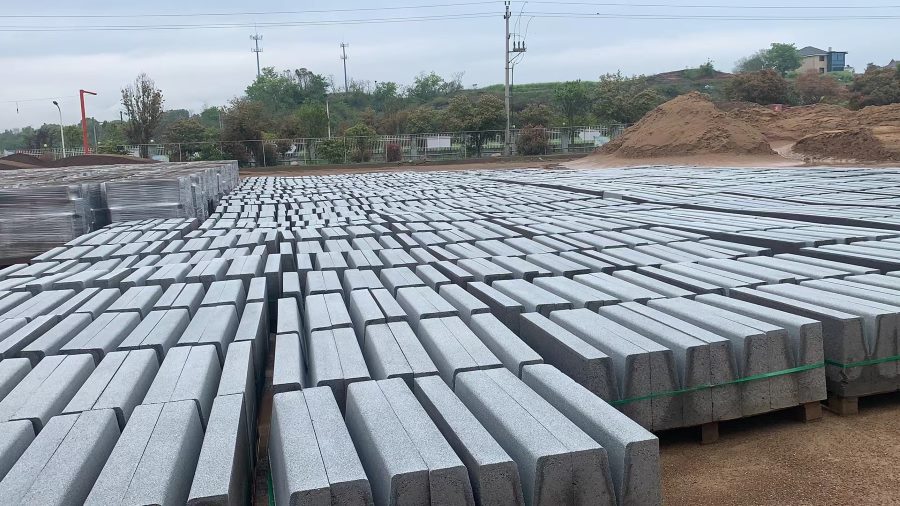
Ultimately, comparing block machine models is not about choosing the largest or most expensive option. It is about understanding how each model balances structure, vibration, hydraulics, intelligence, and adaptability. A well-chosen machine model does more than produce blocks; it stabilizes operations, controls costs, and supports sustainable growth.
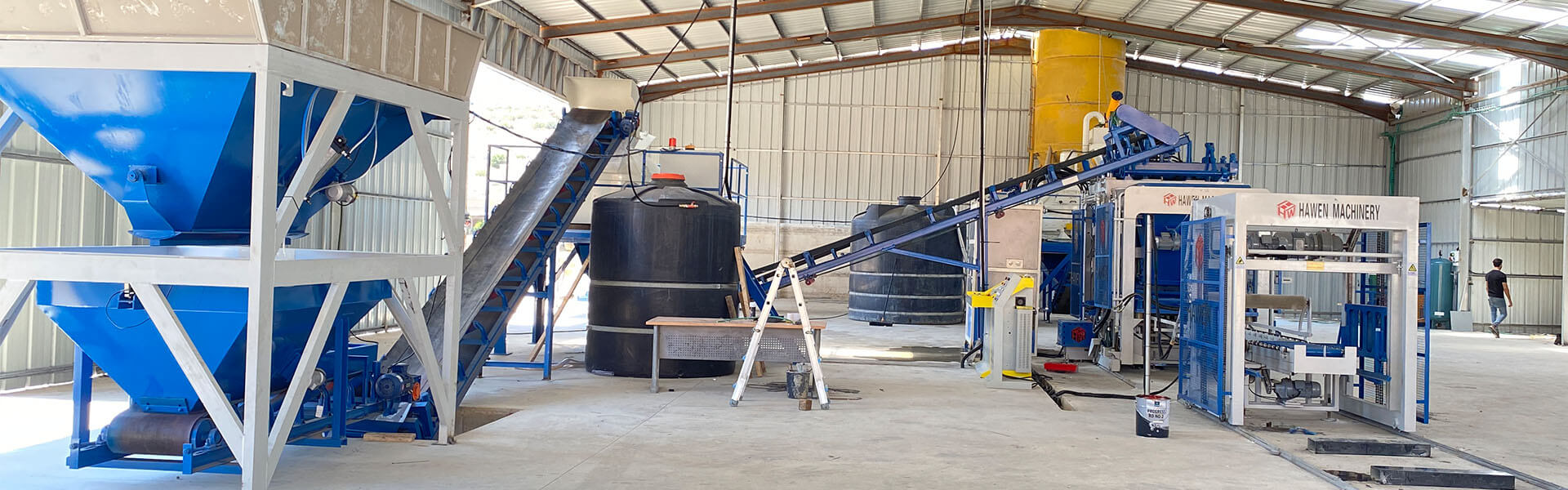
At Hawen Machinery, we believe that a block machine should function as an integrated system rather than a collection of isolated components. When mechanical design, hydraulic control, vibration efficiency, mold compatibility, and digital intelligence are aligned, the result is not just higher output, but a production platform capable of evolving with market demands. In this sense, choosing the right block machine model becomes a strategic investment—one that compounds reliability, efficiency, and industrial competitiveness over time.
Conclusion: Comparing Models Means Comparing Philosophies
Ultimately, comparing block machine models is not about choosing the largest or most expensive option. It is about understanding how each model balances structure, vibration, hydraulics, intelligence, and adaptability. A well-chosen machine model does more than produce blocks; it stabilizes operations, controls costs, and supports sustainable growth.
At Hawen Machinery, we believe that a block machine should function as an integrated system rather than a collection of isolated components. When mechanical design, hydraulic control, vibration efficiency, mold compatibility, and digital intelligence are aligned, the result is not just higher output, but a production platform capable of evolving with market demands. In this sense, choosing the right block machine model becomes a strategic investment—one that compounds reliability, efficiency, and industrial competitiveness over time.





 Tel: +86-13905968794
 Email: export@hwmachines.com
 MP/WhatsApp: +86-13905968794
 Manufacturer Address:Nanan,Quanzhou City,Fujian Province,China