What Should You Consider Before Buying a Block Machine
Author:HAWEN Block MachineFROM:Brick Production Machine Manufacturer
TIME:2026-01-30
What Should You Consider Before Buying a Block Machine
Purchasing a block machine is a capital-intensive decision that extends far beyond the simple acquisition of equipment. It shapes your production capacity, determines product consistency, and ultimately defines the economic resilience of your factory. Before committing to a purchase, manufacturers must evaluate technical configurations, system reliability, and long-term value through a disciplined and analytical lens. The following framework outlines the most critical considerations.
1. Define Production Requirements and Strategic Objectives
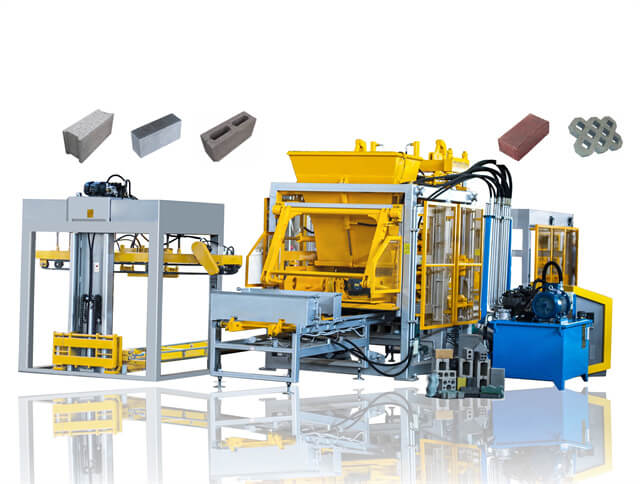
The starting point is a clear understanding of what you plan to produce and at what scale. Hollow blocks, solid blocks, paving stones, and curbstones differ significantly in mold structure, vibration demand, and pressing force. At the same time, required output—whether measured hourly, daily, or annually—must align with local market demand and future expansion plans.
A mismatch between machine capacity and market positioning often results in either chronic underutilization or operational bottlenecks, both of which erode profitability.
2. Examine Structural Design and Mechanical Robustness
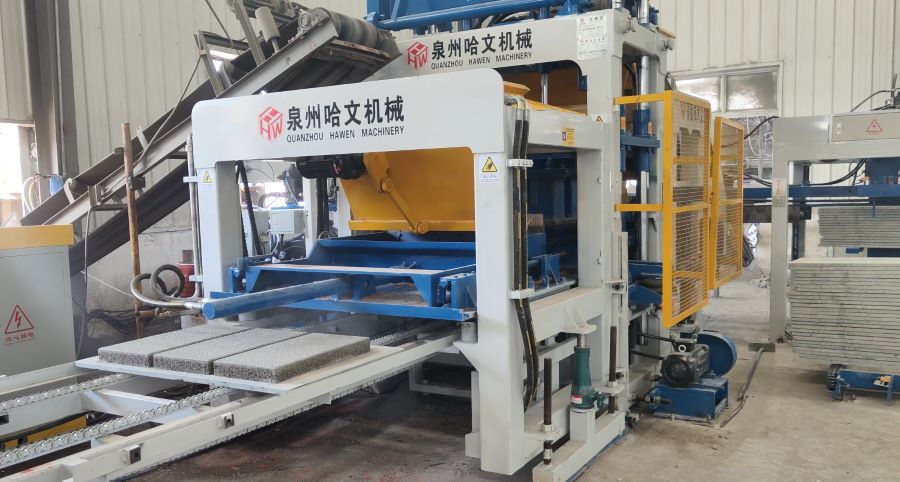
A block machine's structural integrity determines its ability to withstand continuous vibration and cyclic loads. High-rigidity steel frames, precision machining, and rational stress distribution are essential for maintaining dimensional accuracy over long service periods.
Machines with weak structural design may initially appear cost-effective, yet they frequently suffer from deformation, unstable mold alignment, and accelerated wear—hidden costs that surface over time.
 3. Analyze the Vibration System: Density Begins Here
Vibration technology lies at the heart of block quality. Effective vibration promotes optimal particle rearrangement, minimizes internal voids, and allows producers to reduce cement dosage without compromising compressive strength.
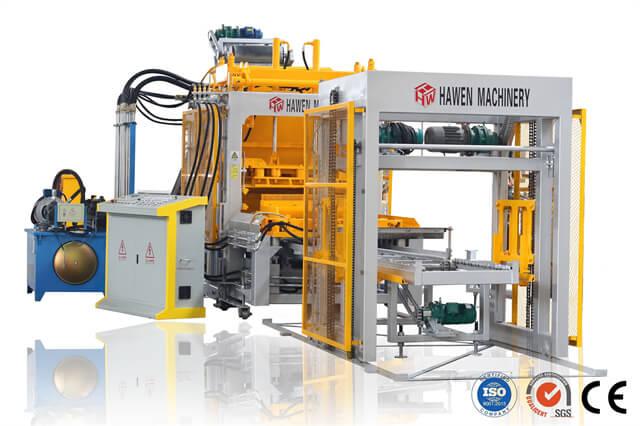
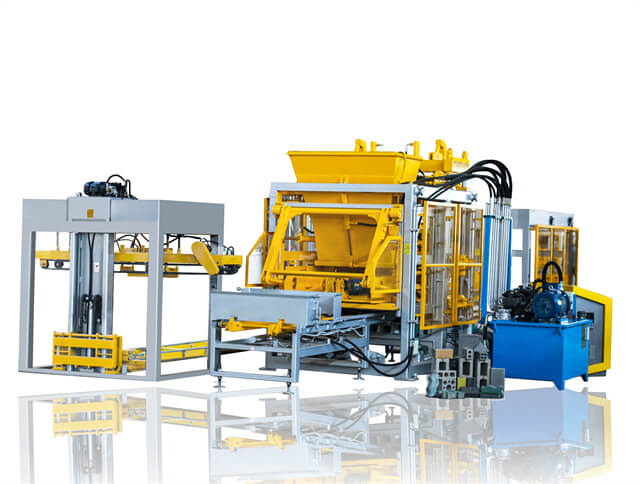
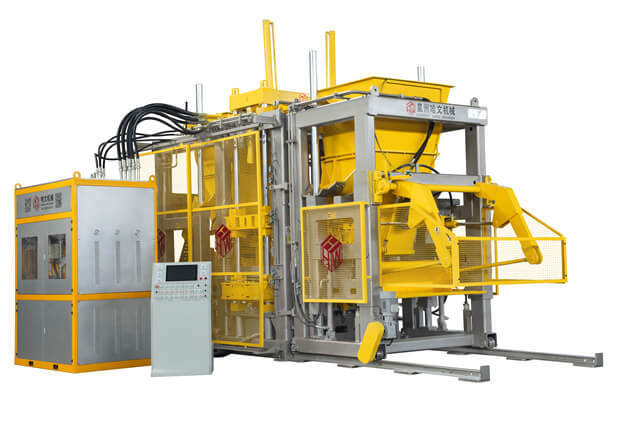
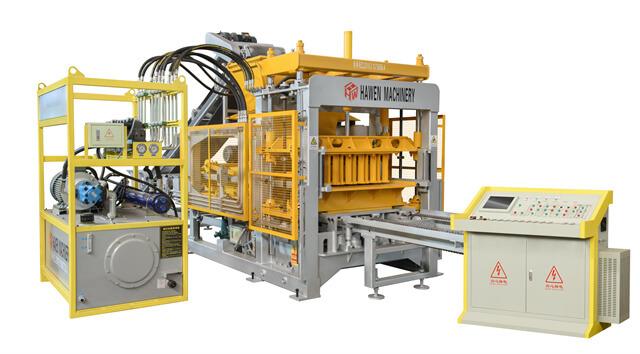
Hawen Machinery adopts a four-shaft vibration box design, positioning eccentric blocks outside the housing. This reduces resistance during vibration, ensures uniform compaction, and lowers cement consumption while improving overall efficiency.
Such a configuration not only enhances block density but also improves energy efficiency and prolongs component lifespan.
4. Evaluate the Hydraulic Station and Core Components
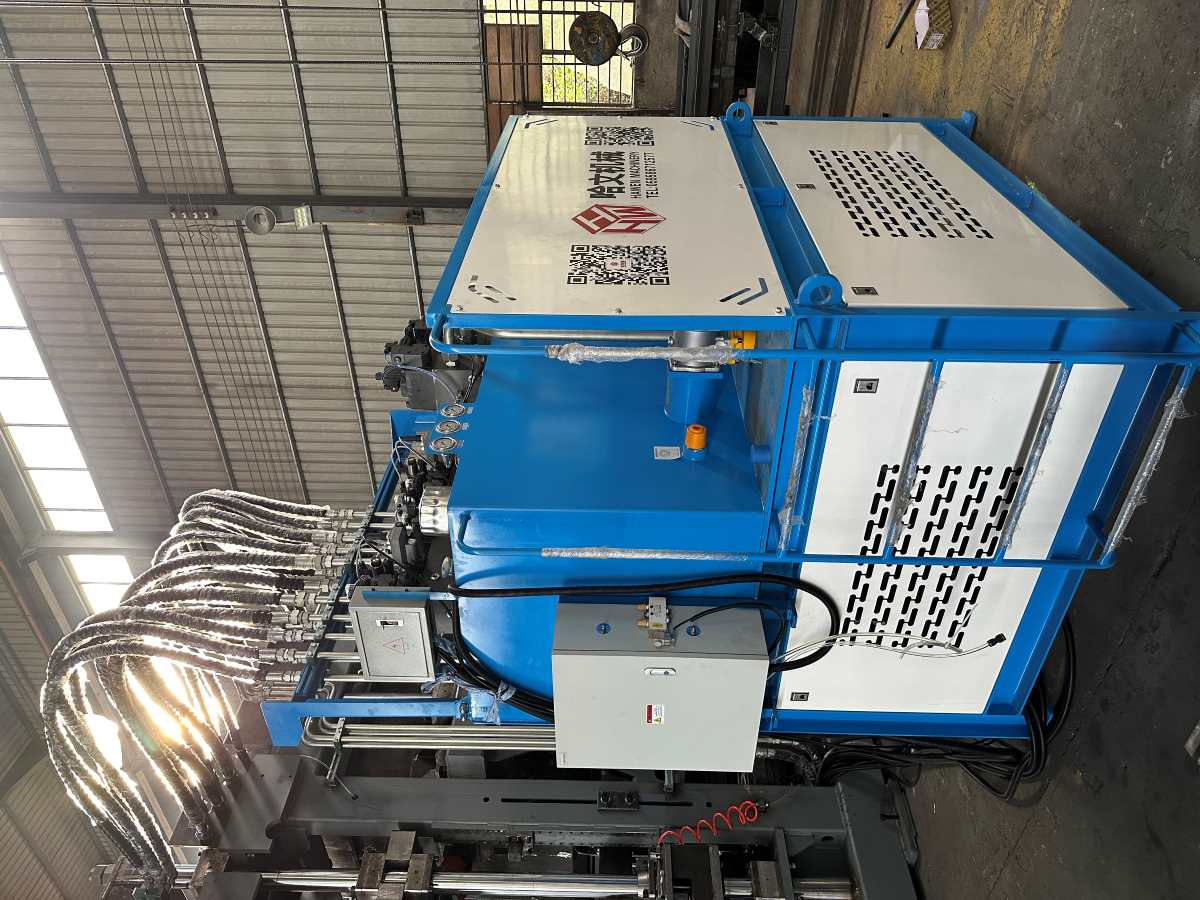
The hydraulic station governs pressing force, motion stability, and cycle repeatability. Its performance is highly dependent on component selection and system integration. Inferior hydraulic components often lead to pressure fluctuation, overheating, and unpredictable downtime.
At Hawen Machinery, the hydraulic station of our block machines adopts Japanese YUKEN proportional and directional valves and an American ALBERT hydraulic pump, combining precise control with high load capacity and long-term durability.
This configuration ensures stable output under high-load conditions while maintaining responsive and accurate control.
3. Analyze the Vibration System: Density Begins Here
Vibration technology lies at the heart of block quality. Effective vibration promotes optimal particle rearrangement, minimizes internal voids, and allows producers to reduce cement dosage without compromising compressive strength.
Hawen Machinery adopts a four-shaft vibration box design, positioning eccentric blocks outside the housing. This reduces resistance during vibration, ensures uniform compaction, and lowers cement consumption while improving overall efficiency.
Such a configuration not only enhances block density but also improves energy efficiency and prolongs component lifespan.
4. Evaluate the Hydraulic Station and Core Components
The hydraulic station governs pressing force, motion stability, and cycle repeatability. Its performance is highly dependent on component selection and system integration. Inferior hydraulic components often lead to pressure fluctuation, overheating, and unpredictable downtime.
At Hawen Machinery, the hydraulic station of our block machines adopts Japanese YUKEN proportional and directional valves and an American ALBERT hydraulic pump, combining precise control with high load capacity and long-term durability.
This configuration ensures stable output under high-load conditions while maintaining responsive and accurate control.
 5. Consider the Control System and Digital Intelligence
Modern block production increasingly relies on intelligent control rather than manual intervention. A reliable PLC system enhances operational precision, reduces human error, and enables consistent replication of production parameters.
Hawen Machinery integrates a SIEMENS S7-200 PLC with an intuitive touch panel and remote monitoring capabilities. Through this system, we can track the real-time operating status of customers' block machines, optimize operational parameters remotely, and ensure consistent production quality.
Such digital transparency transforms block manufacturing from experience-driven operation into data-driven management.
6. Assess Mold Quality and Cross-Brand Compatibility
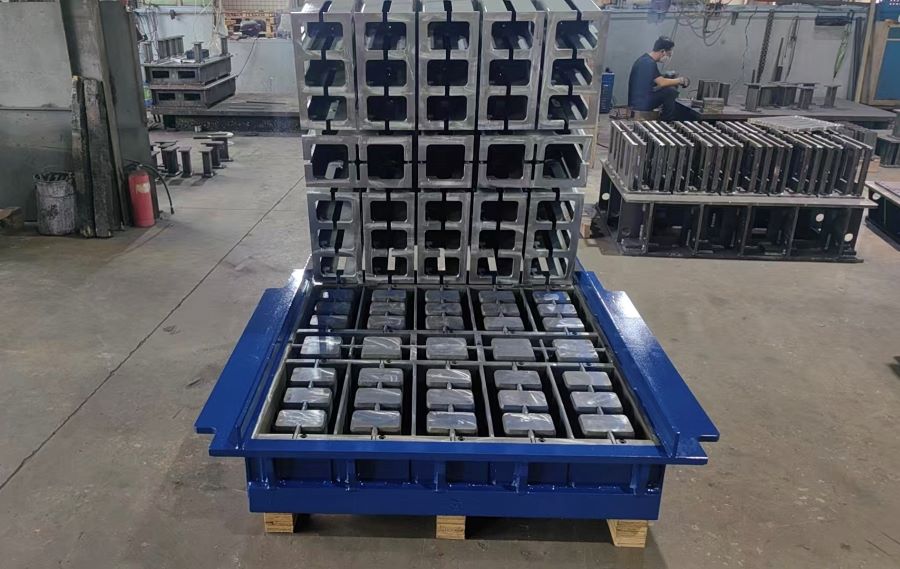
Molds directly shape product geometry and surface finish, making them a decisive factor in block quality. Precision machining, wear resistance, and dimensional consistency are non-negotiable.
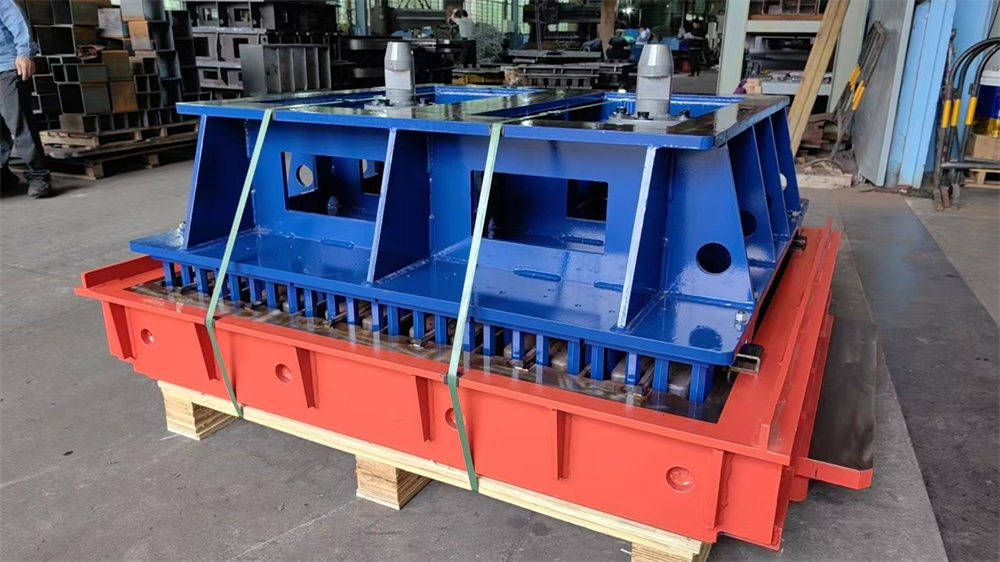
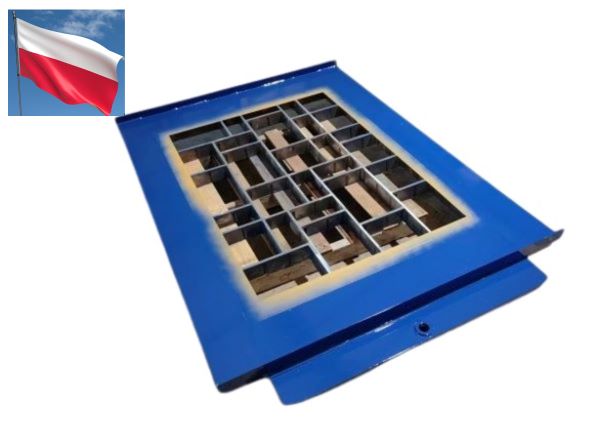
Hawen Machinery designs molds compatible with leading block machine brands, including MASA, HESS, ZENITH, POYATOS, BESSER, TIGER, and others. By following original specifications, these molds provide precise fit, smooth operation, and consistent block quality across platforms.
This compatibility not only protects existing investments but also offers flexibility for future upgrades or line integration.
5. Consider the Control System and Digital Intelligence
Modern block production increasingly relies on intelligent control rather than manual intervention. A reliable PLC system enhances operational precision, reduces human error, and enables consistent replication of production parameters.
Hawen Machinery integrates a SIEMENS S7-200 PLC with an intuitive touch panel and remote monitoring capabilities. Through this system, we can track the real-time operating status of customers' block machines, optimize operational parameters remotely, and ensure consistent production quality.
Such digital transparency transforms block manufacturing from experience-driven operation into data-driven management.
6. Assess Mold Quality and Cross-Brand Compatibility
Molds directly shape product geometry and surface finish, making them a decisive factor in block quality. Precision machining, wear resistance, and dimensional consistency are non-negotiable.
Hawen Machinery designs molds compatible with leading block machine brands, including MASA, HESS, ZENITH, POYATOS, BESSER, TIGER, and others. By following original specifications, these molds provide precise fit, smooth operation, and consistent block quality across platforms.
This compatibility not only protects existing investments but also offers flexibility for future upgrades or line integration.
 7. Look Beyond Price: Total Cost of Ownership
The purchase price represents only a fraction of the machine's true cost. Energy consumption, cement efficiency, spare-part durability, maintenance frequency, and technical support responsiveness all accumulate over the machine’s lifecycle. A rational buyer evaluates return on investment, not merely initial expenditure.
Conclusion: A Machine Is a Choice of Philosophy
Buying a block machine is, at its core, a choice about how you intend to compete. It reflects whether you prioritize short-term savings or long-term stability, manual dependence or intelligent control, imitation or engineering substance.
At Hawen Machinery, we believe a block machine should be more than a production tool; it should be a disciplined system where mechanics, hydraulics, vibration, molds, and digital intelligence converge. When these elements are aligned, a block machine does not simply produce blocks—it produces confidence, scalability, and sustainable industrial value.
7. Look Beyond Price: Total Cost of Ownership
The purchase price represents only a fraction of the machine's true cost. Energy consumption, cement efficiency, spare-part durability, maintenance frequency, and technical support responsiveness all accumulate over the machine’s lifecycle. A rational buyer evaluates return on investment, not merely initial expenditure.
Conclusion: A Machine Is a Choice of Philosophy
Buying a block machine is, at its core, a choice about how you intend to compete. It reflects whether you prioritize short-term savings or long-term stability, manual dependence or intelligent control, imitation or engineering substance.
At Hawen Machinery, we believe a block machine should be more than a production tool; it should be a disciplined system where mechanics, hydraulics, vibration, molds, and digital intelligence converge. When these elements are aligned, a block machine does not simply produce blocks—it produces confidence, scalability, and sustainable industrial value.





 Tel: +86-13905968794
 Email: export@hwmachines.com
 MP/WhatsApp: +86-13905968794
 Manufacturer Address:Nanan,Quanzhou City,Fujian Province,China