Why Do Empty Production Pallets Keep Jamming Before the Concrete Block Machine?
Author:HAWEN Block MachineFROM:Brick Production Machine ManufacturerTIME:2026-11-10
MENU
Repeated empty-pallet interruptions can reduce the output of an otherwise ready concrete block production line. The mixer may have material available and the forming machine may be prepared for another cycle, yet production pauses because the next pallet has not reached its required position. Restarting the sequence again and again without understanding the interruption can hide a developing problem rather than resolve it.
The word "jam" is often used for several different conditions. A pallet may be physically obstructed, fail to separate from a stack, stop during transfer, or remain stationary because the receiving equipment has not provided the required permission. These situations need different technical questions, even when they produce the same visible production delay.
This guide focuses on empty production pallets before forming. It does not address fresh blocks sticking to pallets, cured-product unloading, or downstream block stacking. It explains how plant personnel can organize observations for a qualified review without prescribing mechanical adjustments, sensor settings, or procedures for entering or clearing equipment.
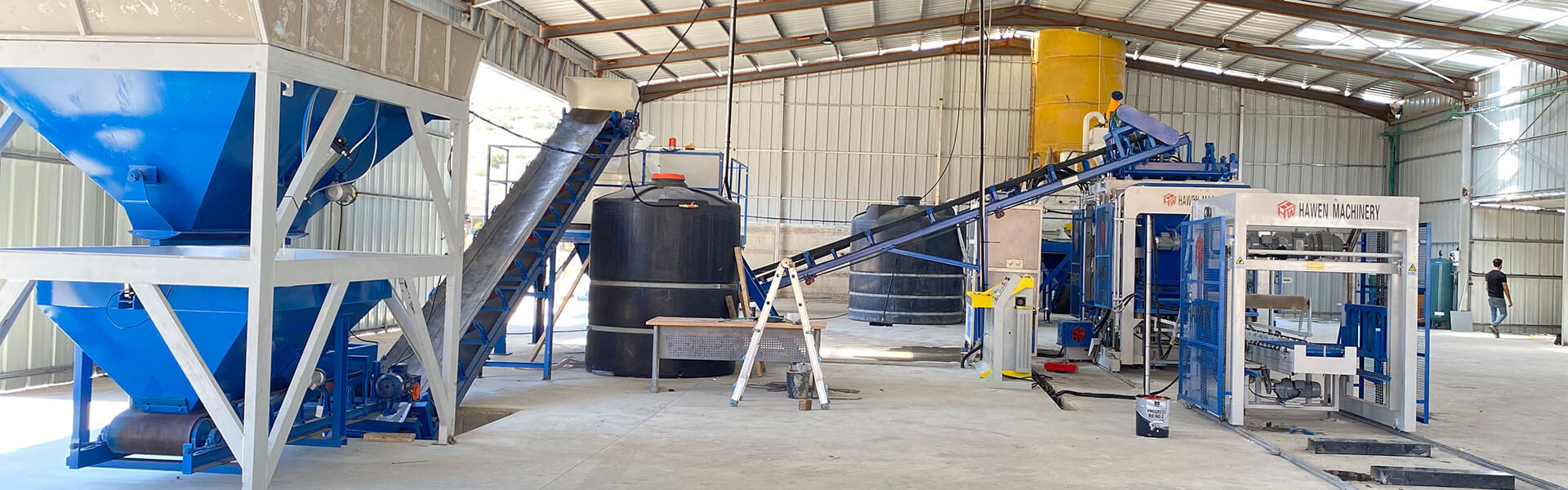
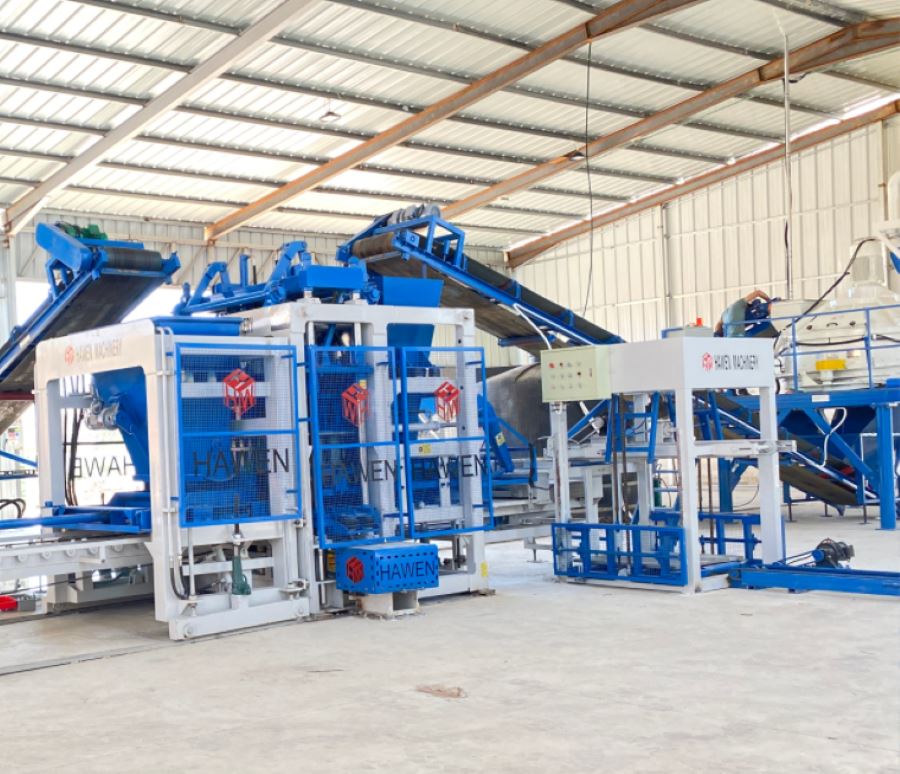
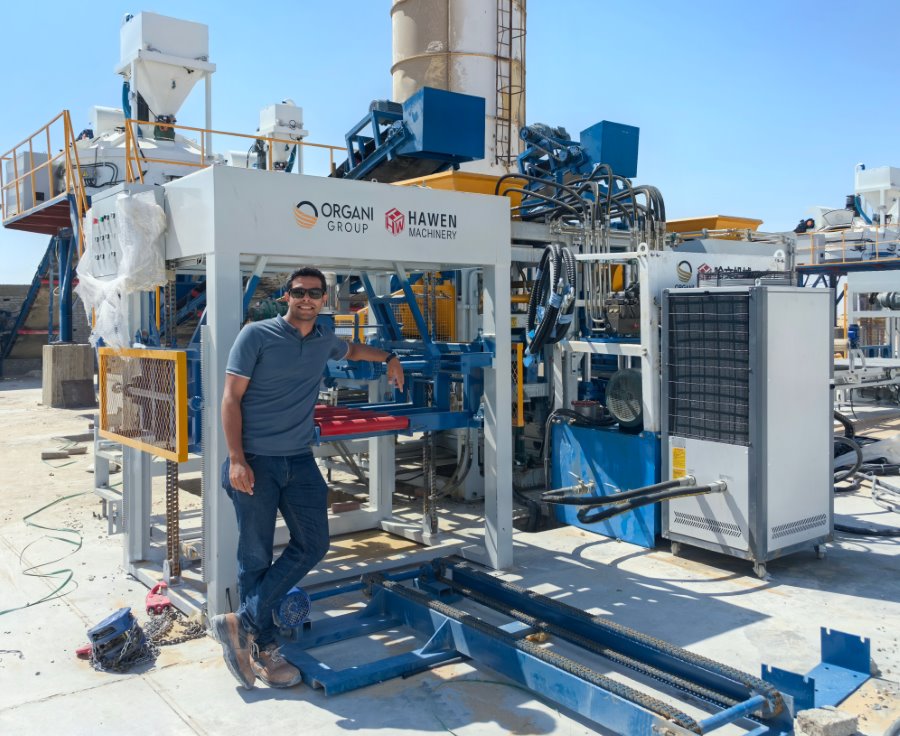
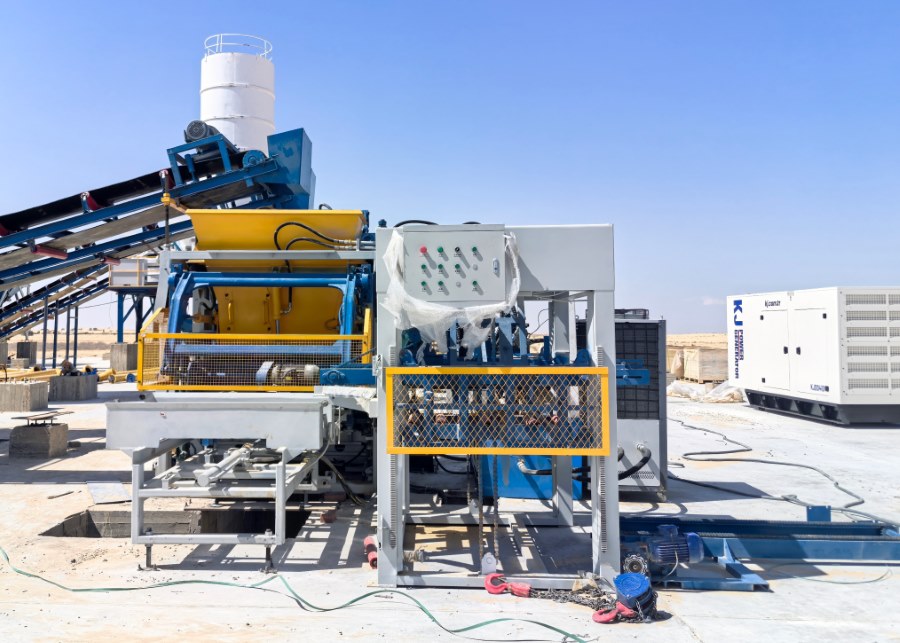
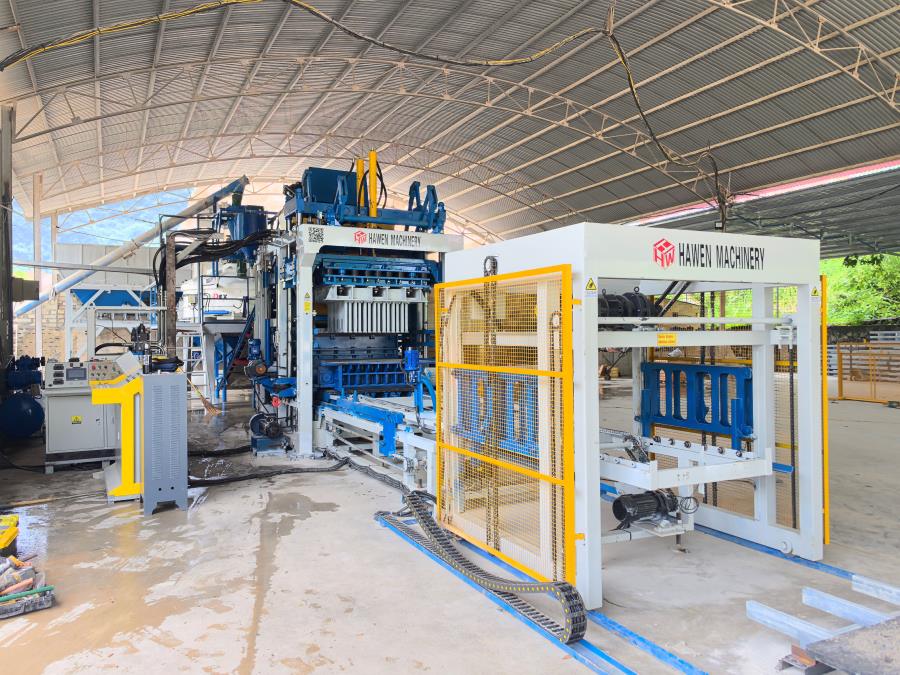
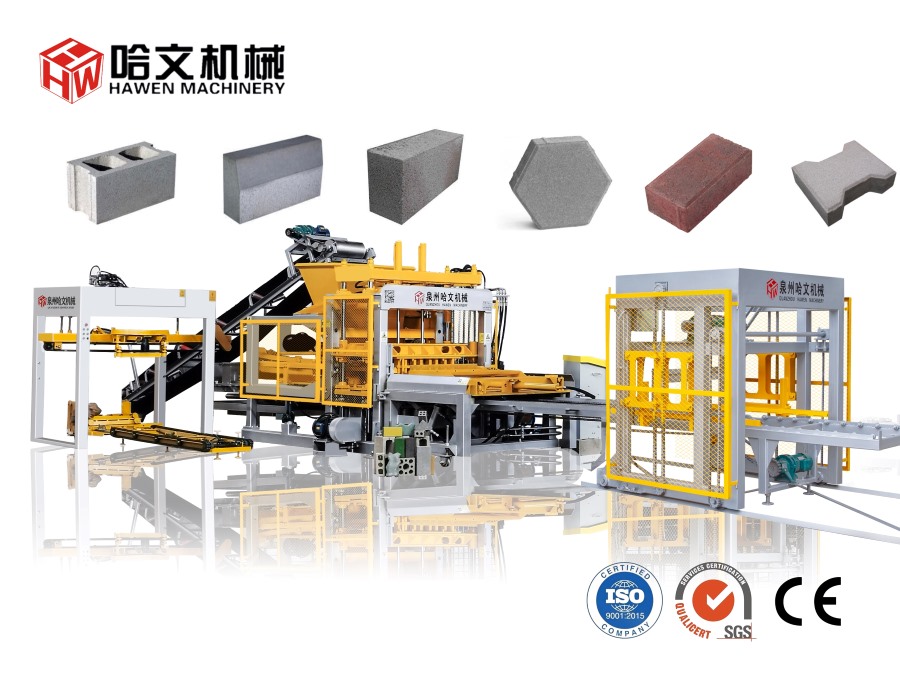
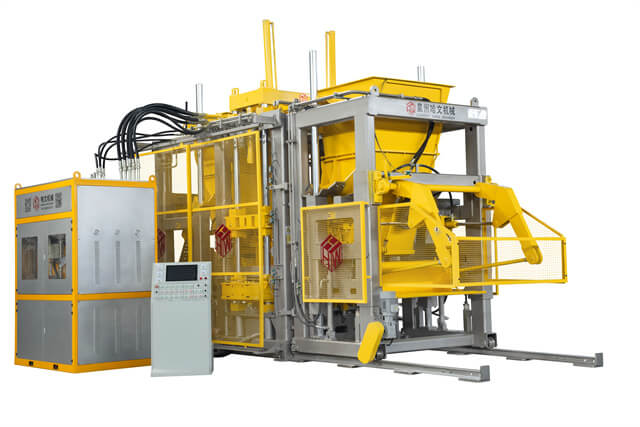
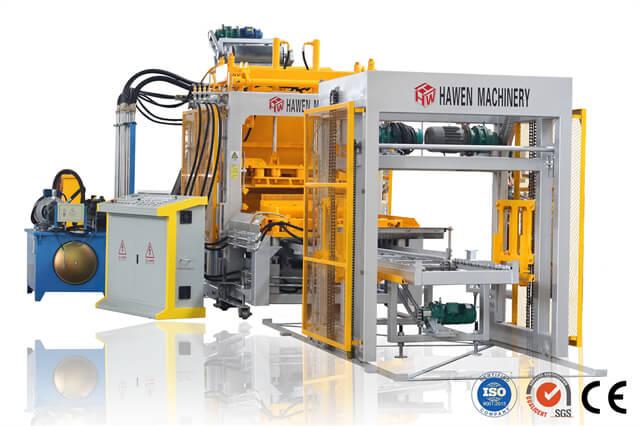
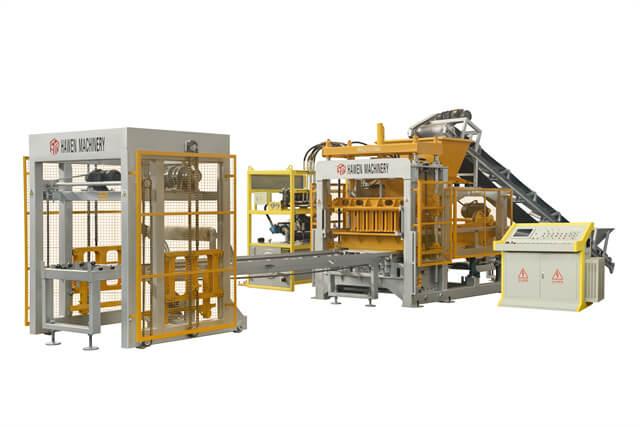
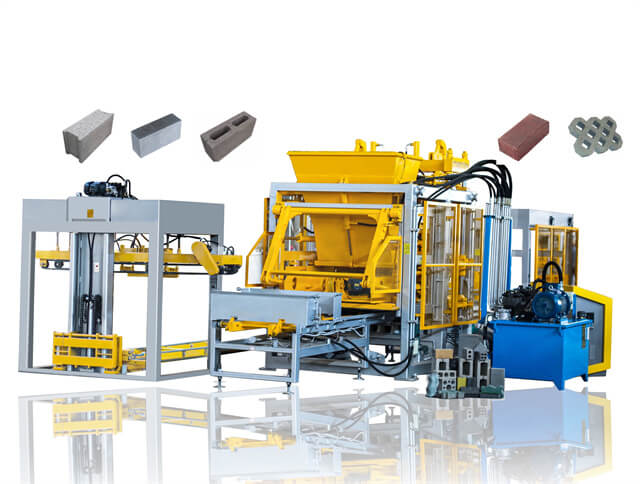
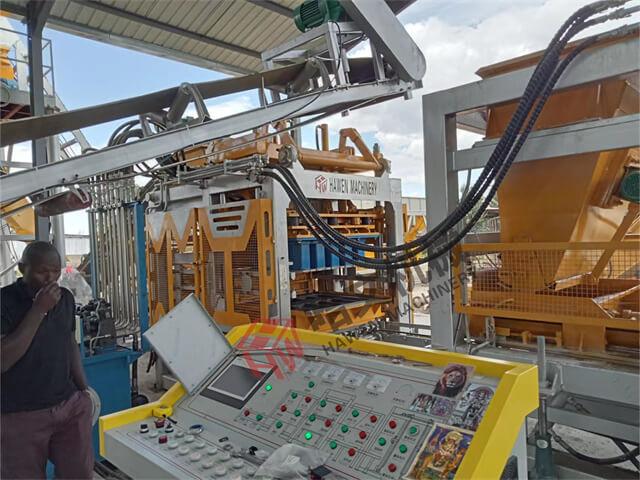
An automatic pallet provider belongs to a complete empty-pallet supply route. These equipment photographs illustrate the arrangement, not a documented fault.
Identify Where Empty-Pallet Feeding Actually Stops
Map the installed route from pallet storage to the forming machine. Identify the loading position, separation stage, transfer equipment, and receiving interface. Equipment arrangements vary, so use the applicable plant drawing and supplier documentation. A general reference to the pallet feeder may describe several connected devices rather than one clearly identified machine.
Record the exact stage at which the interruption becomes visible. Does the next pallet remain inside the storage arrangement? Does it begin moving and stop at a transition? Does it reach the receiving area without the sequence completing? An identified stopping location helps the technical reviewer distinguish a loading issue from a transfer or receiving-condition problem.
Describe what is physically observed without turning it immediately into a diagnosis. A pallet that does not move is not necessarily trapped. A pallet arriving at an angle does not automatically prove that the provider itself is misaligned. Separate the observation, the equipment indication, and any suspected explanation in the event record.
Keep the operating context with the symptom. Record the product being made, the pallet type, the selected equipment configuration, and whether the interruption followed replenishment, a changeover, maintenance, or normal repeated operation. A symptom reported without this context can lead the supplier to investigate a different situation from the one occurring at the plant.
Compare Interrupted Pallets with Normally Fed Pallets
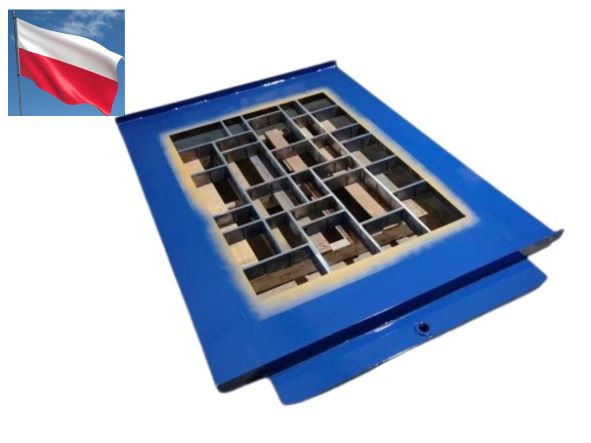
Confirm that the pallets involved belong to the specification approved for the installed equipment. Nominal length and width are only part of that identification. The responsible technical team may also need the relevant thickness, construction, condition, and interface information. Do not assume that pallets are interchangeable because they carry the same general material description.
Use the plant's approved inspection arrangements to compare interrupted pallets with pallets that move normally. Preserve identification where practical. Look for documented differences in condition or visible damage rather than assuming that every interruption has the same cause. A consistent association can guide further investigation, but it should not be presented as proof without an appropriate review.
Distinguish nominal dimensions from present condition. A pallet may have the correct original specification while showing damage or changes that require assessment. Conversely, a pallet that appears straight in a photograph has not necessarily been verified against the applicable requirements. Measurements and acceptance limits should come from the responsible reviewer and relevant supplier information.
Check whether different pallet groups have been mixed in routine circulation. A change in supply source, construction, or specification can become difficult to trace once identification is lost. If interruptions cluster around a particular group, keep that evidence available for review. Do not resolve uncertainty by informally sorting pallets according to appearance alone and then declaring the remaining stock approved.
Pallet identification and operating context help distinguish a recurring material-interface problem from an isolated interruption.
Review Stack Loading and Single-Pallet Separation
Identify whether interruptions occur during ordinary feeding or immediately after the storage arrangement is replenished. The timing matters. An event that repeatedly follows loading may deserve a different investigation from an event occurring after many normal transfers. Record the loading reference and subsequent sequence where the plant's approved records make this possible.
Review the replenishment arrangement against the supplier's instructions. The responsible team should confirm the intended pallet presentation, permitted loading conditions, and operating boundary. This article does not specify stack quantities or loading positions. Those details depend on the actual provider, pallets, and installation rather than a universal rule for concrete block plants.
Where the installed equipment separates individual pallets from a stored group, identify what happens at that stage. Record whether one pallet begins to move, whether the expected separation is completed, and which indication or event precedes the interruption. Do not describe an apparent separation issue as a confirmed mechanical fault before the applicable sequence has been reviewed.
Discuss the symptom using the supplier's component names. A storage device, lifting arrangement, separating mechanism, and transfer device may perform different functions within an automatic offline palletizing system or pallet supply arrangement. A support request that identifies the relevant stage is more useful than a general instruction to make the whole unit feed faster.
Observed Pattern
Evidence to Retain
Question for Technical Review
Interruptions follow replenishment
Loading reference, pallet group, and first affected sequence
Does the loading arrangement match the approved operating conditions?
A pallet stops at a transition
Exact stopping location, orientation, and receiving-equipment state
Is the restriction associated with the transfer interface?
One pallet group is repeatedly affected
Pallet identity, specification, condition records, and comparison events
Which verified differences distinguish that group?
No movement occurs without visible contact
Displayed status, available event records, and receiving conditions
Is the sequence waiting rather than physically obstructed?
An interruption follows maintenance
Work record, configuration changes, and restart observations
Does the current arrangement match the authorized configuration?
Check the Transfer Interface Before Blaming the Provider
Follow the pallet route beyond the provider outlet. A pallet may leave one device correctly and encounter a problem at the next stage. Identify the actual equipment boundary and preserve the sequence of events. Otherwise, a downstream restriction can be reported repeatedly as a provider fault simply because that is the name operators associate with empty-pallet supply.
Provide the technical reviewer with the applicable layout and interface information. The relationship between connected equipment should be assessed against the approved installation, not an assumed arrangement from another factory. Any inspection of supports, guides, transfer components, or receiving positions should be undertaken by authorized personnel using the required safe procedures.
Record relevant visible conditions from approved observation points. Examples include a consistent stopping location, an unusual pallet orientation, visible damage, or an obstruction reported during an authorized inspection. These observations help organize the review but do not justify improvised clearance work. Operators should not reach into moving equipment or enter a hazardous area to obtain a better photograph.
Keep maintenance history connected to the event timeline. If the symptom appeared after work on connected equipment, document what was changed and when the new behaviour began. That timing can be useful evidence without proving causation. Avoid assuming that every recent maintenance activity caused the interruption or that an unchanged provider cannot be involved in a new interface problem.
Review the provider and receiving equipment as connected stages rather than treating the outlet as the end of the investigation.
Separate Mechanical Obstruction from Control Waiting
A stationary pallet can indicate a waiting state rather than physical resistance. The configured sequence may require a receiving condition, a position confirmation, or another operating permission before continuing. The exact conditions must be identified from the applicable documentation or by the supplier and authorized controls personnel. Do not infer the full sequence from one short interface message.
Record the displayed status and available event information at the time of the interruption. Keep timestamps consistent where records from several devices are compared. An event log can support investigation, but a command or indication is not automatically proof that the corresponding physical movement occurred as expected. The technical reviewer needs to understand what each recorded item represents.
Never bypass protective devices, position confirmations, or operating interlocks to test whether production becomes faster. Such a change can conceal the original condition and create another risk. If the equipment is waiting for a required state, the responsible team should determine why that state is not being established through an authorized investigation.
Preserve observations before repeated resets remove useful context, where this can be done within the site's procedures. Record the symptom, messages, pallet identity, and relevant operating conditions. A history containing only the number of restarts is less informative than a smaller set of well-identified events that shows where and under what conditions feeding stopped.
Verify Recovery Across Representative Production Conditions
After an authorized corrective action, verify the result under the conditions relevant to the original symptom. A successful empty movement does not necessarily demonstrate reliable feeding of the intended pallet group. Likewise, a few normal transfers may not address a problem that previously occurred after replenishment or during a particular product configuration.
Define the review with the responsible technical team. Record what was changed, which conditions were evaluated, and what evidence supports returning the equipment to ordinary service. This article does not prescribe a universal number of verification cycles. The appropriate scope depends on the identified problem, corrective action, equipment instructions, and plant procedures.
Check the receiving outcome as well as the absence of a visible stop. A useful recovery delivers the correct pallet through the configured route without creating another interruption or an unresolved positioning concern. Do not declare improvement solely because the provider moves faster. Stable feeding should support the complete forming sequence under its approved operating conditions.
Update the relevant records after the review. Retain the identified cause where established, corrective work, verified configuration, and any revised inspection or purchasing requirements. If pallet specifications or maintenance activities were involved, communicate the applicable requirements to those responsible for replenishment and future supply. A technical finding has limited long-term value if the original condition is recreated through routine purchasing or loading.
Continue to distinguish recurrence from a new symptom. Another feeding interruption may look familiar while occurring at a different stage or involving a different pallet group. Use the previous record as a reference, not as an automatic diagnosis. This approach helps the plant build useful maintenance knowledge without turning every later stoppage into an assumption about the same cause.
Recovery should be verified through the receiving and forming interface, not only at the pallet provider outlet.
Any inspection, clearance, adjustment, or interlock-related work on pallet feeding equipment should be carried out by trained personnel following the machine manual and site safety procedures. Where a cause cannot be confirmed from observation and records, refer the case to the supplier or qualified service engineers.
FAQ
Does every empty-pallet interruption mean a pallet is physically jammed?
No. The sequence may be waiting for a required operating condition. Identify the stopping stage, equipment status, and available evidence before describing the event as a mechanical obstruction.
Can pallets with the same nominal size be mixed freely?
Not automatically. Confirm the approved specification and relevant condition requirements for the installed equipment. Nominal dimensions alone do not establish that different pallet groups are equivalent for the actual feeding arrangement.
Should the feeding speed be increased to prevent repeated interruptions?
Not without an appropriate technical review. A speed change may fail to address the cause or introduce another problem. Authorized personnel should identify the condition and evaluate any proposed adjustment against the supplier's instructions.
What information should be sent to the equipment supplier?
Provide the machine and provider identities, pallet information, exact stopping location, relevant operating state, messages, maintenance history, and clearly referenced observations. Separate confirmed facts from suspected explanations.
Is one successful restart enough to close the investigation?
Not necessarily. Verification should address the conditions in which the interruption occurred and the corrective action taken. Follow the review scope established by the responsible technical team rather than relying on an isolated normal transfer.
Conclusion
Repeated empty-pallet interruptions should be investigated by identifying the actual stopping stage and separating physical obstruction from control waiting. Connect the observations with the pallet group, replenishment conditions, transfer interface, and recent maintenance history. Keep the provider and forming-machine receiving stage within the same review boundary.
Before changing settings or purchasing replacement components, give the responsible technical team evidence that distinguishes the possible explanations. After corrective work, verify the complete feeding outcome under representative conditions and preserve the findings. Reliable improvement comes from resolving an identified condition, not simply making repeated restarts or faster movements part of normal production.
Planning an empty-pallet supply route or reviewing an existing one? Share your pallet type, installed equipment configuration, stopping stage, and operating conditions so the technical team can assess the case against your actual layout. You can also review the concrete block machine catalog for related production equipment.




 Tel: +86-13905968794
 Email: export@hwmachines.com
 MP/WhatsApp: +86-13905968794
 Manufacturer Address:Nanan,Quanzhou City,Fujian Province,China