Concrete Block Machine Layout Drawing Review Checklist
Restarting a concrete block plant after an extended shutdown is a planning task as well as an operating task. The team needs to know what was left incomplete, what changed while the plant was idle, and which checks must be completed before routine production resumes. A coordinated readiness review prevents a scheduled order from becoming an improvised restart instruction.
This article covers general restart planning for forming, mixing, and handling equipment. It is not an energization, maintenance, or safety procedure. Use the supplied equipment instructions and applicable site requirements, with authorization from the responsible personnel.
Key principle: A calendar date does not prove the plant is ready. Restart readiness should be reconstructed from records, confirmed through authorized checks, and documented before normal scheduling resumes.
Reconstruct the equipment status at shutdown
Review the last shift record, maintenance work, and open technical items. Identify whether equipment was stopped normally, isolated for work, or left awaiting a component or decision. A calendar date does not establish that the conditions preventing operation have been resolved.
Confirm the intended restart product, tooling, and production reference. If the previous run involved an unresolved quality observation, keep that information visible. The incoming team should not discover an old hold or temporary setup only after making fresh units.
Where the shutdown reason, isolation status, or outstanding work is unclear, confirm it with the responsible maintenance and production personnel before any restart decision.
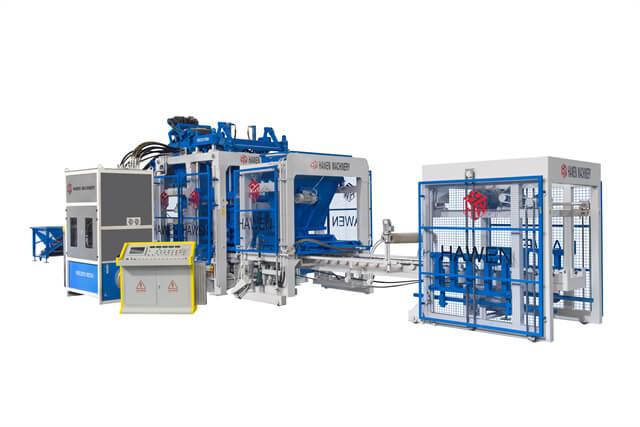
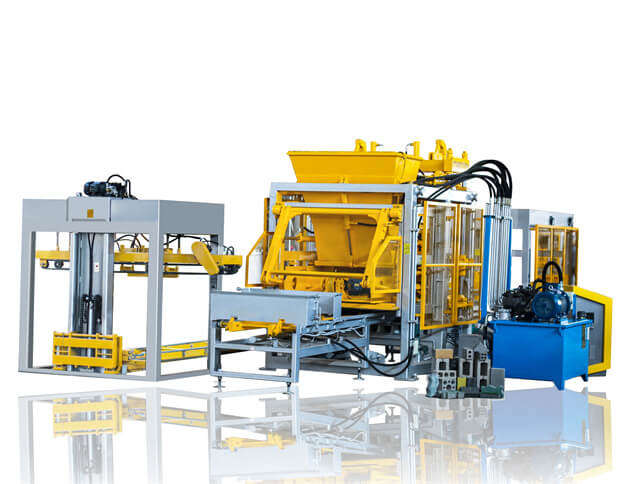
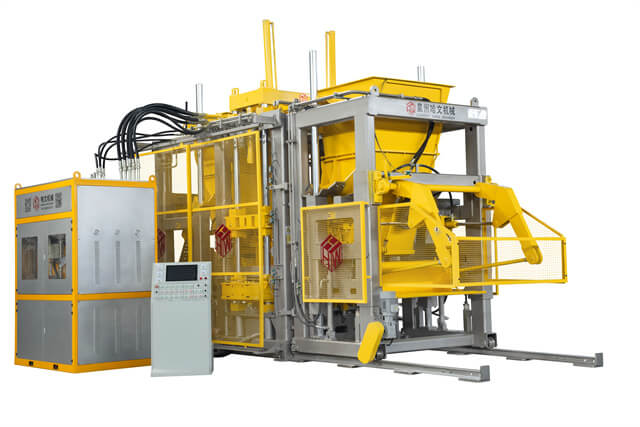
Forming-machine reference: establish the current equipment status before scheduling a restart.
Confirm the completion of maintenance and preparation
Have the responsible teams review completed work, outstanding items, and the documents needed for operation. Follow the manufacturer's inspection and servicing requirements for the actual shutdown circumstances. Do not infer a universal checklist from a different machine or substitute an informal inspection for required technical verification.
Review the materials intended for the new production period through the plant's quality procedures. Identify storage-related concerns or changes in supply that need assessment. A previously approved recipe does not by itself confirm that all materials now available are unchanged.
| Readiness topic |
Decision to document |
| Outstanding work |
What remains open, and who authorizes the next stage? |
| Product and materials |
Which approved requirements apply to the restart run? |
| Pallets and receiving capacity |
Can the route support the planned initial production? |
| First-product review |
What evidence permits continuation into routine production? |
Review pallet circulation and downstream receiving space
Count suitable boards ready for use and identify those held for inspection or cleaning. Check the planned curing locations and the finished-product handling route. A forming machine ready to operate can still be constrained by unavailable boards or an occupied receiving area.
Coordinate staff and responsibilities across the route. Identify who manages material supply, first-product inspection, and product movement. If a team has changed during the shutdown, review its training needs rather than assuming that equipment familiarity has transferred automatically.

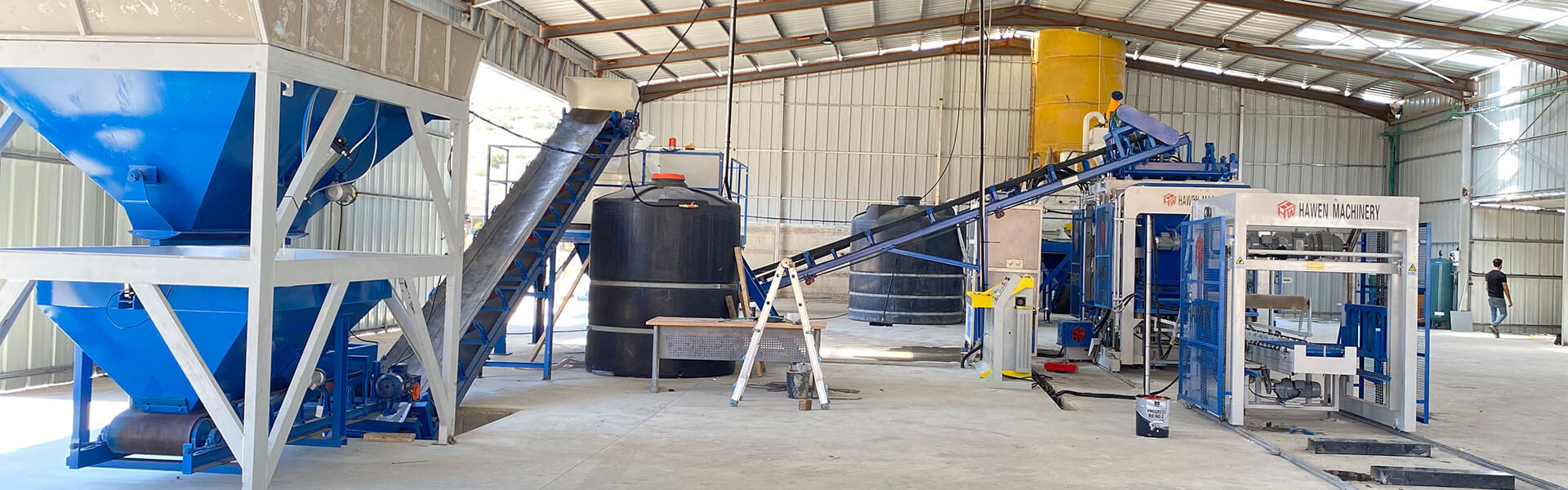
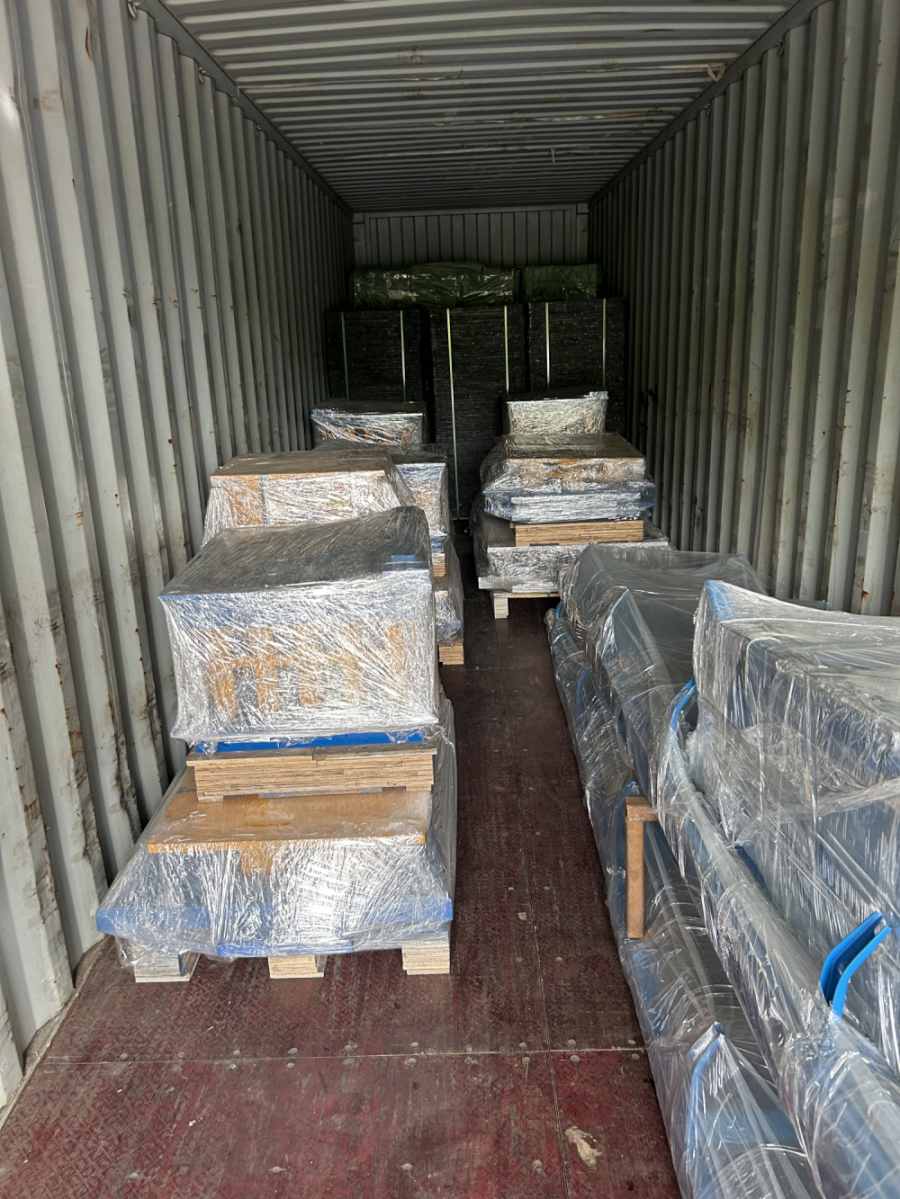
Line-layout reference: coordinate upstream supply, forming, and receiving capacity.
Use the approved first-production assessment
Conduct the restart under the established operating procedure and review representative initial products before extending the run. Record product identity, material reference, inspection observations, and authorized adjustments. Where tests or release checks are required, apply the relevant criteria.
A good-looking fresh unit does not establish every finished-product requirement. Keep curing, later inspection, and release responsibilities in the plan. If an unexpected condition appears, follow the plant's escalation process rather than making several undocumented changes to recover output quickly.
Record restart findings and the next shift's actions
Distinguish completed readiness checks from observations that still need monitoring. Give open actions an owner and retain the conditions of the first run. This makes the next shift's work continuous with the restart review rather than a new investigation.
A useful planning observation is whether the team can explain what evidence allows routine scheduling to resume. If the answer is simply that the machine moved, the review has probably not addressed product approval and the complete route. Define the decision before the production deadline arrives.

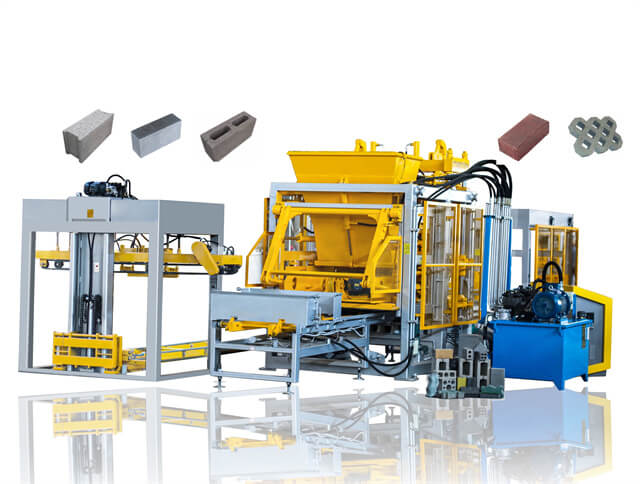
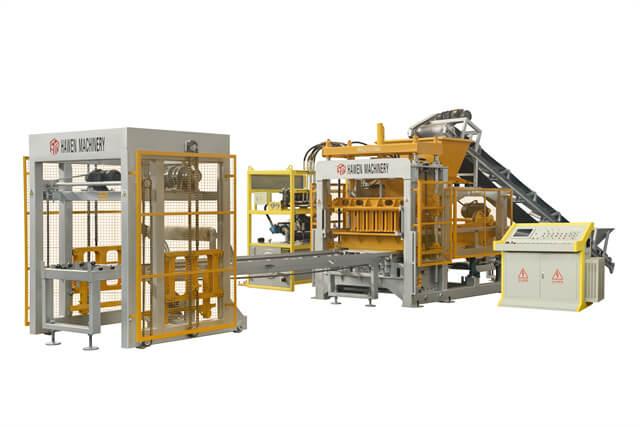
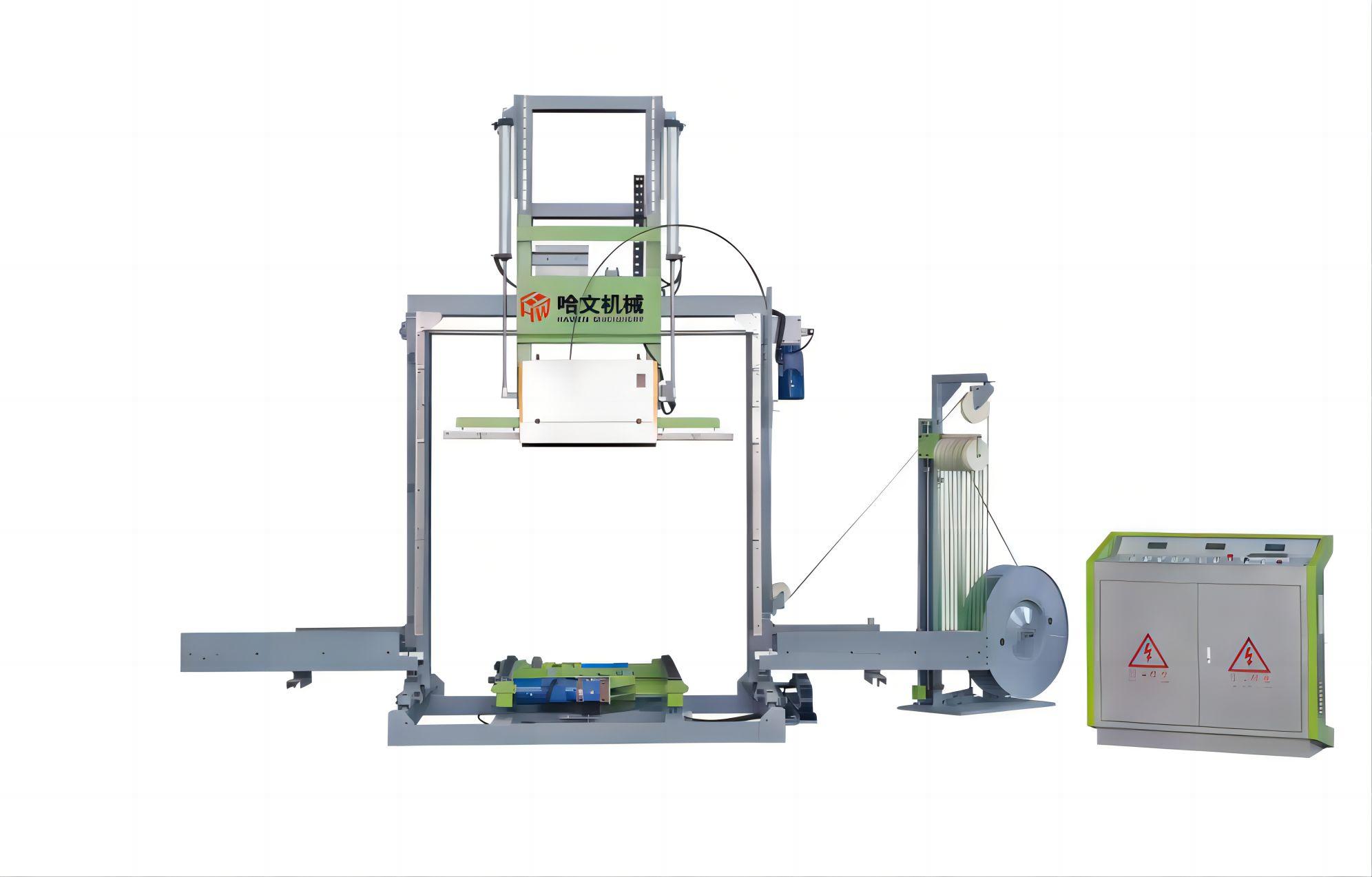
Cuber-system reference: include downstream equipment in readiness coordination. Images do not document a restart procedure or authorization.
Whether the plant is restarting or being planned from scratch, a clear set of inputs shortens the technical review. Gather the following before requesting configuration or quotation support, and mark any item that still needs confirmation from sales, engineering, or the site team.
-
Block specification: intended block type (hollow block, solid block, paver, curbstone, slab, or interlocking block), dimensions, and any drawing or sample reference.
-
Mix and material requirements: aggregate and cement conditions, storage arrangements, and the approved mix reference for the restart run.
-
Equipment and configuration: forming machine model, mould set, mixer and batching arrangement, and the handling or palletizing route in use.
-
Pallets and curing: pallet type and quantity, curing locations, and finished-product receiving capacity.
-
Factory and utilities: available installation space, layout constraints, and the power and utility conditions the site can supply.
-
Output planning: the initial production target and the evidence the team will use to release routine scheduling.
-
Quality checks: first-product inspection criteria, required tests, and release responsibilities.
Model numbers, output figures, power values, mould counts, and pallet sizes should be confirmed against the current equipment documentation and the site's own requirements. Do not carry a figure from a previous project into a new plan without verification.
FAQ
Can the last production setup simply be reused? Confirm its current approval and relevant conditions through the plant's procedure.
Does this article replace the manufacturer's restart instructions? No. It describes coordination questions, not equipment operating steps.
What should be handed over after the initial run? Preserve product identity, reviewed observations, open issues, and responsibility for follow-up.
Conclusion
Plan the restart from the documented shutdown status through equipment readiness, material confirmation, and first-product review. Coordinate the whole route and preserve open actions. The responsible teams can then decide when the plant is ready for routine production using the appropriate procedures and evidence.
Preparing a restart or planning a new block production line? Share your intended block type, forming and handling configuration, pallet route, and site constraints with our team so the relevant technical questions can be reviewed before scheduling. You can also review the concrete block machine layout drawing review checklist or the block plant expansion planning review for related planning context.






 Tel: +86-13905968794
 Email: export@hwmachines.com
 MP/WhatsApp: +86-13905968794
 Manufacturer Address:Nanan,Quanzhou City,Fujian Province,China