A photograph of decorative paving can communicate an attractive surface, but it rarely defines a manufacturing requirement on its own. Lighting, camera distance, moisture and later finishing operations can change the appearance. Buyers ordering custom paver tooling should agree how the desired texture will be described and reviewed before approving a design.
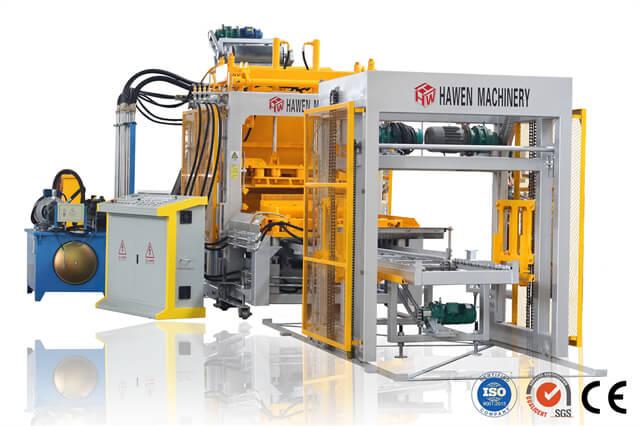
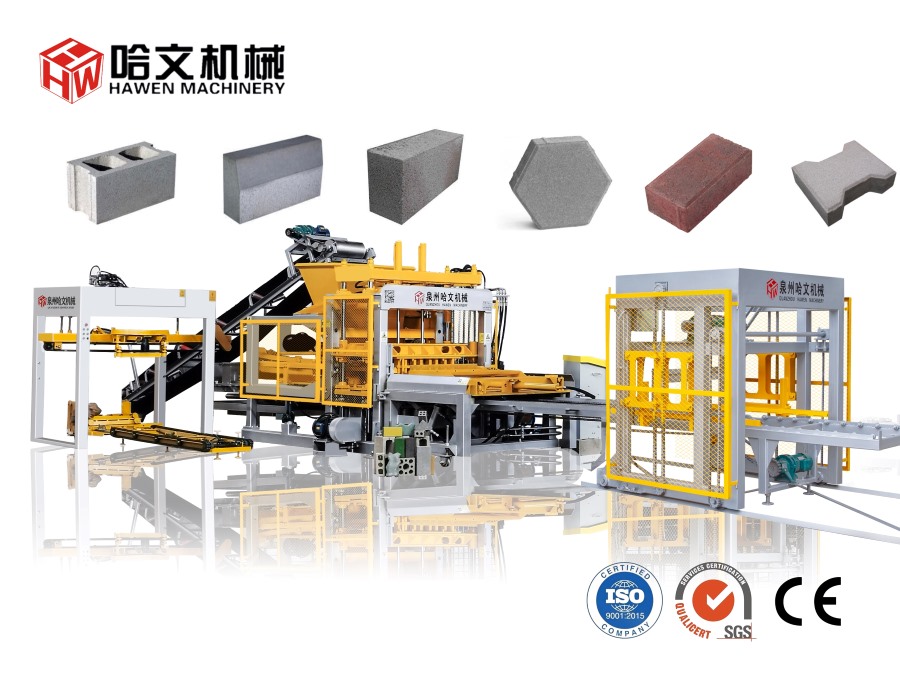
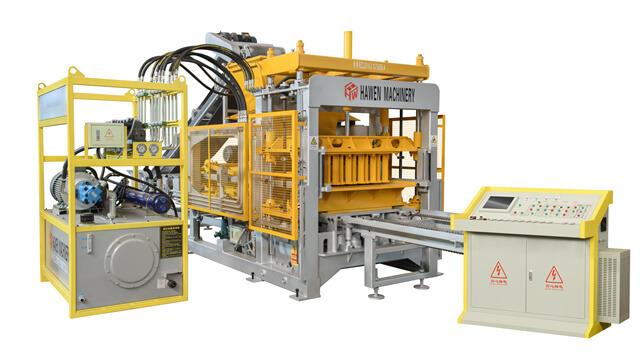
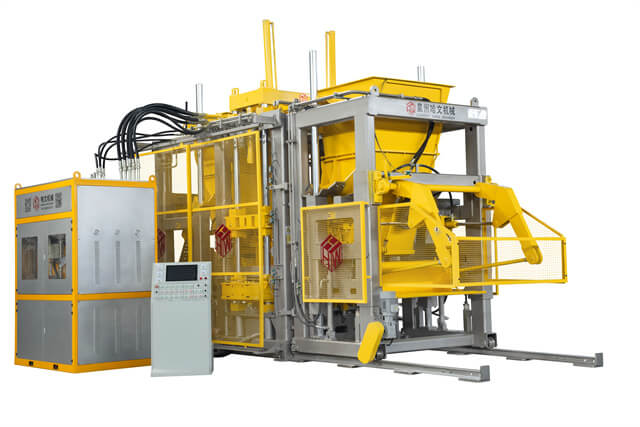
Hawen Machinery's public range includes interlocking paver moulds and paver-making equipment. The following guide concerns appearance confirmation for a specific product project. It does not promise that any photographed finish can be reproduced by a mould alone, nor does it establish slip resistance or other product performance from appearance.
Define a usable reference for the concrete paver surface
Give the reference an identity and explain what it demonstrates. A sample may illustrate roughness, a pattern or general color, but those are different requirements. Mark which characteristics the buyer wants to retain and which are only background information. Include product drawings separately so the appearance reference does not become an unreliable source of dimensions.
Where available, provide an identified physical sample as well as photographs. A close view can show detail, while an overall view explains how the surface looks across the unit. Record the condition of the sample and avoid silently changing references during drawing review.

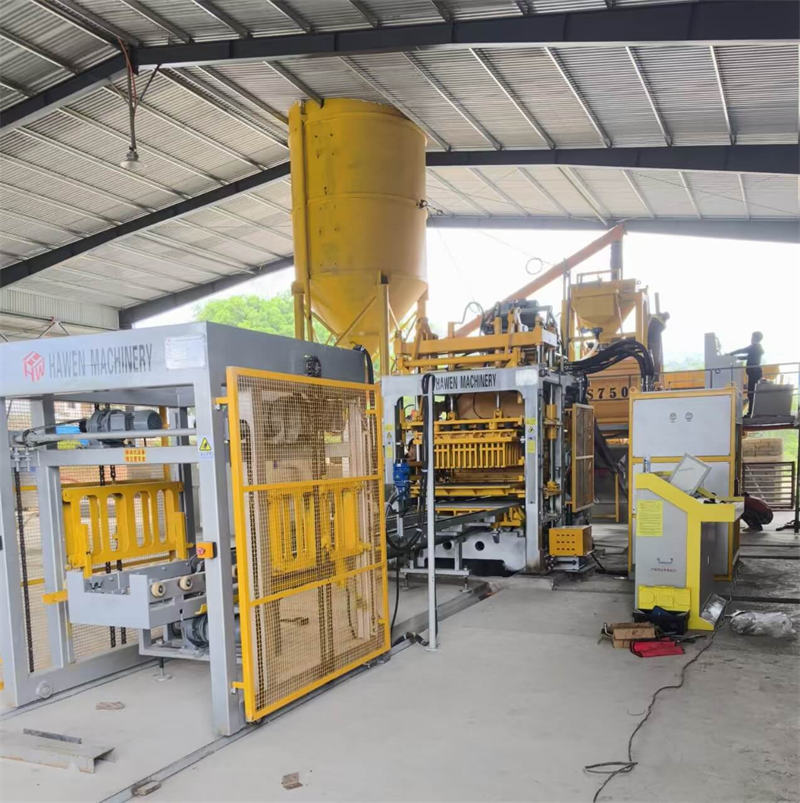
Paver mould reference: define appearance separately from the dimensional tooling requirements.
Identify which manufacturing step creates the finish
Ask the supplier how the intended texture relates to the proposed production route. Mould geometry, concrete materials, forming conditions and subsequent treatment can contribute different features. A finished pavement image does not show which of those stages was used.
Clarify equipment scope accordingly. If additional treatment is needed, identify whether it is included, separately supplied or outside the project. Avoid attributing a surface effect to a tooling feature without a technical review of the actual process.
| Appearance question | Confirmation needed |
|---|
| What is the reference? | An identified sample or image with the required features explained. |
| How is it produced? | The relevant tooling, materials and finishing stages. |
| When is it inspected? | The agreed product stage and comparison conditions. |
| What variation is acceptable? | A project-specific acceptance basis and responsible reviewer. |
Compare sample surfaces under consistent conditions
Agree the inspection stage and viewing arrangement. Compare samples in equivalent surface conditions rather than judging one wet unit against a dry reference. Keep photographs consistent enough to support discussion, and acknowledge where a camera cannot reliably communicate a feature.
Check more than the most favorable unit in a demonstration. Ask how the agreed review will account for normal production variation. If a sample is rejected, describe the observed difference and connect it to the reference; a broad comment such as not decorative enough gives the technical team little basis for action.
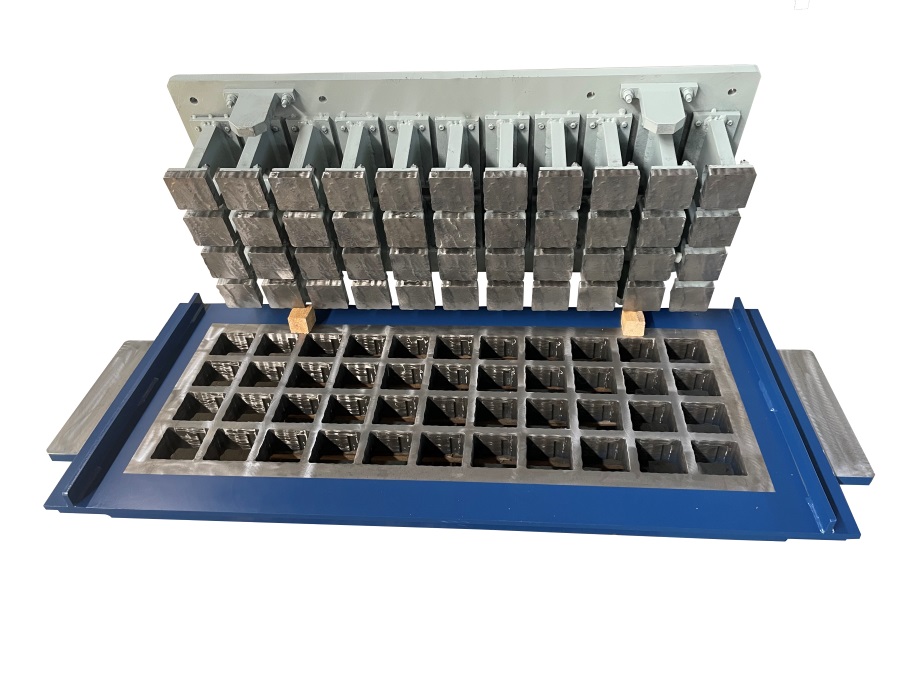
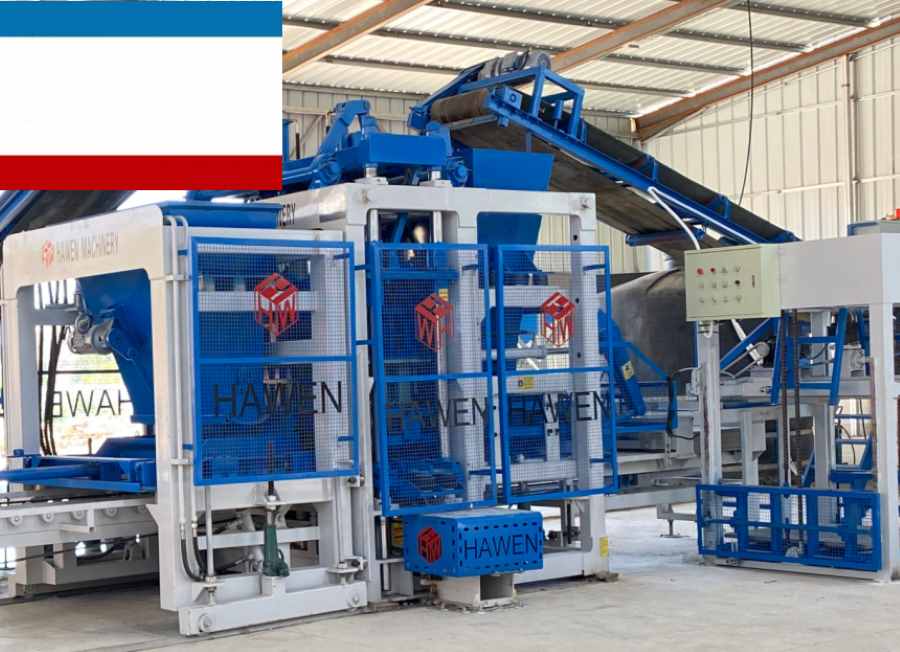
Product-specific mould reference: different designs need their own sample and appearance review.
A useful sample-review observation is whether both parties can identify the same difference without referring to a promotional adjective. A labelled reference and consistent comparison conditions make that discussion more productive than repeated changes to photographs.
Document what the buyer has actually approved
Record the product reference, drawing revision, sample identity, inspection stage and approval status. Distinguish approval of geometry from approval of appearance. If either remains conditional, state what evidence is still needed and who will review it.
Keep appearance approval separate from product performance verification. A textured surface is not proof of compliance with a slip-resistance, strength or durability requirement. Use the applicable specifications and testing arrangements for those decisions rather than drawing conclusions from texture alone.
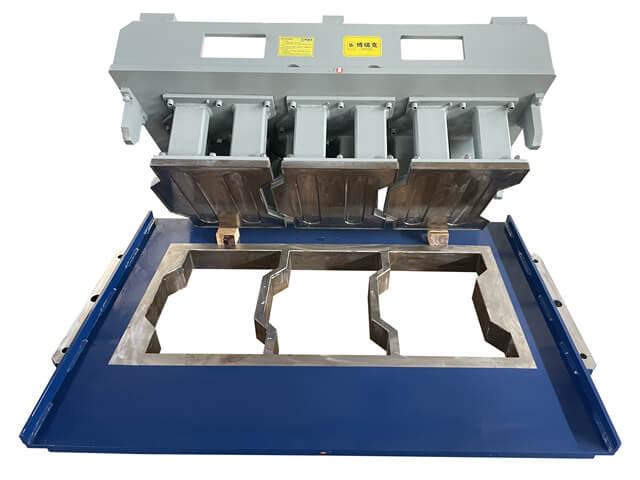
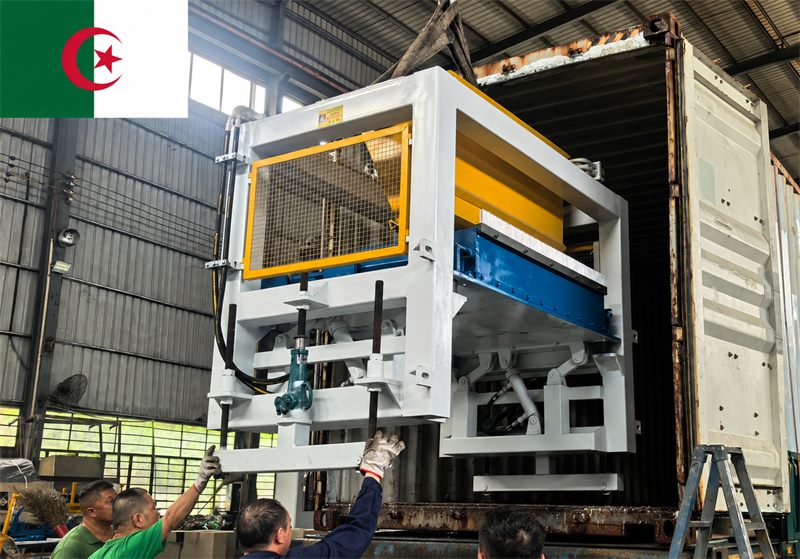
Tooling reference: preserve the approved product and sample records. Images illustrate mould types, not a guaranteed surface result.
FAQ
Can a photograph define the complete finish? It can support discussion, but identified samples and process information may be needed.
Does the mould create every decorative effect? No. Materials and subsequent treatment can also contribute to appearance.
Does a rough appearance establish slip performance? No. Evaluate performance using the applicable specification and testing method.
Conclusion
Approve decorative paver texture through identified references, a defined process and consistent sample comparison. Record geometry and appearance decisions separately, then verify performance through the relevant checks. Buyers can use this evidence to resolve expectations before committing to a custom tooling project.




 Tel: +86-13905968794
 Email: export@hwmachines.com
 MP/WhatsApp: +86-13905968794
 Manufacturer Address:Nanan,Quanzhou City,Fujian Province,China