A paving collection can contain several sizes that work together visually but are consumed in very different quantities. Before ordering a mixed-size paver mould, the buyer should compare the installed pattern with the number of each unit produced per cycle. A layout that fits the production board may still create an inventory imbalance.
This guide concerns production planning for custom concrete paver tooling. It does not prescribe a paving structure, establish product performance or confirm that a particular arrangement suits a specific machine. The supplier must review the actual drawings and equipment interfaces.
Calculate demand from the installed paving pattern
Give every paver size an identifiable product reference. Use a dimensioned pattern plan to count how many of each size occur in a repeatable section. Keep piece count separate from surface area: equal areas of a large and a small unit do not require equal quantities of pieces.
State whether the pattern represents typical orders or only one option in a larger collection. Include complementary units if they belong to the sales programme. The purpose is to give the mould designer a real demand basis rather than a list of attractive shapes with no relationship to expected sales.

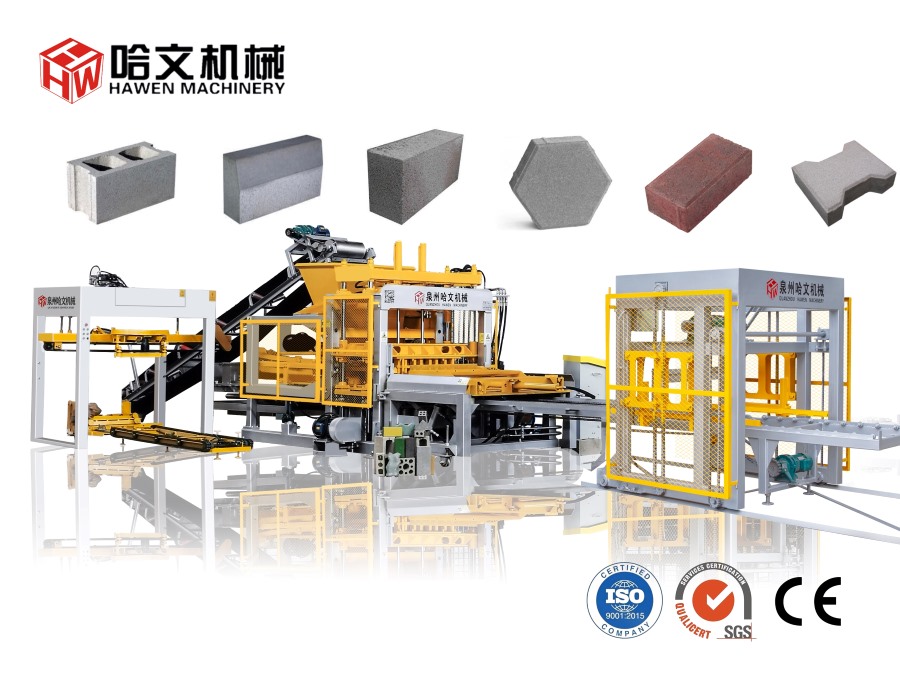
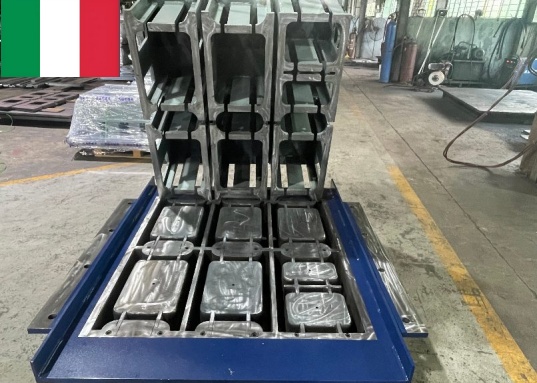
Paver tooling reference: confirm the unit family and demand proportions before approving a layout.
Compare pattern demand with the proposed cavity count
For each product, record pieces per cycle and pieces required by the order. Dividing required pieces by pieces per cycle gives a theoretical cycle requirement for that product. If several products share a mould, the largest requirement determines the cycles needed to complete the order, while the other products may accumulate as surplus.
For illustration only, imagine an order requiring 200 large units and 600 small units. A hypothetical mould producing two of each per cycle needs 300 cycles to complete the small-unit requirement, producing 600 large units in the process. The resulting 400 extra large units show an imbalance, not a machine fault. These invented quantities explain the planning method and are not a proposed mould specification.
| Planning input | Decision supported |
|---|
| Pieces by product in a pattern | The relative demand for each size. |
| Cavity count by product | The quantity generated by each forming cycle. |
| Order mix over time | Whether surplus can reasonably serve another order. |
| Packing arrangement | How products reach the customer in the intended proportions. |
Choose between shared tooling and separate production runs
A shared layout may simplify one aspect of production while increasing sorting or stock requirements. Separate tooling or runs may offer quantity flexibility but introduce changeovers. Compare these alternatives using the actual sales programme, tooling scope, handling requirements and available storage rather than assuming one arrangement is universally more efficient.
Account for accepted products rather than theoretical pieces alone. Holds or losses affecting one size can alter the usable set balance. Use the plant's quality records to understand actual availability and avoid making unsupported forecasts about yield before the process is established.
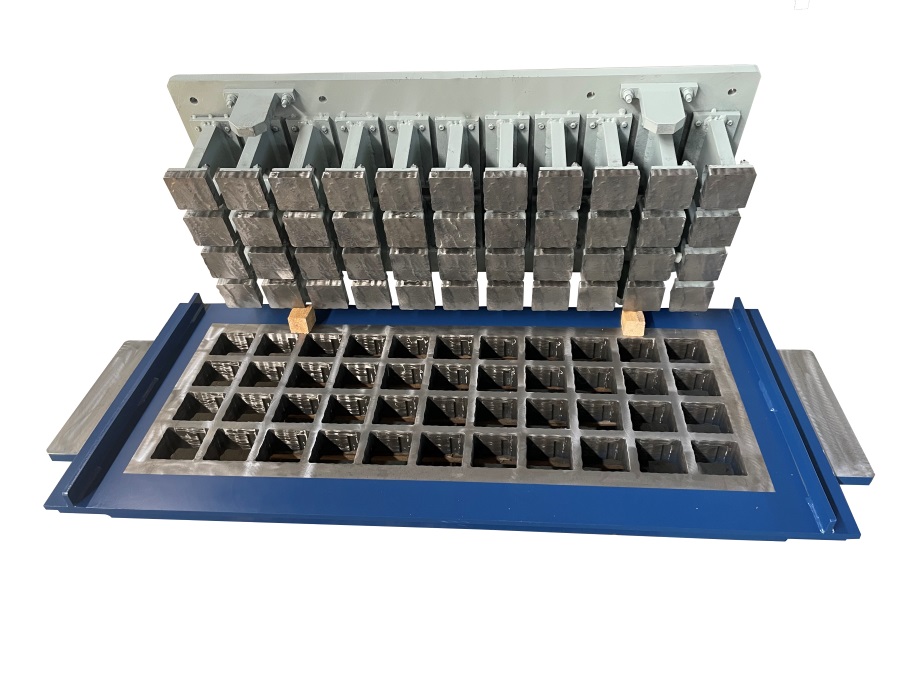
Product-specific mould reference: physical board fit and commercial quantity balance are separate questions.
A useful quotation-review observation is whether a proposed cavity layout is accompanied by its output split. A total piece count can obscure an unsuitable mix of sizes. Ask for the quantity of every product reference and compare it with an actual order before approving manufacture.
Confirm machine fit and finished-pack proportions
Provide the machine model, pallet dimensions and available interface drawings for technical evaluation. A mathematically attractive output ratio does not prove that the corresponding cavity arrangement can be manufactured or used on the intended machine. The final proposal must resolve both production demand and technical feasibility.
Review how units are grouped, identified and packed. If the sales offer is a mixed set, define the set contents and any sorting operation. Confirm whether existing handling equipment supports the arrangement. Retain the approved product references through packing so an apparently complete pack does not contain the wrong proportions.
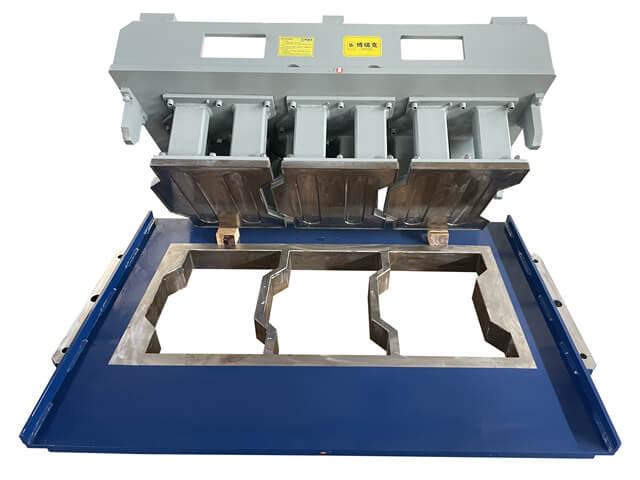
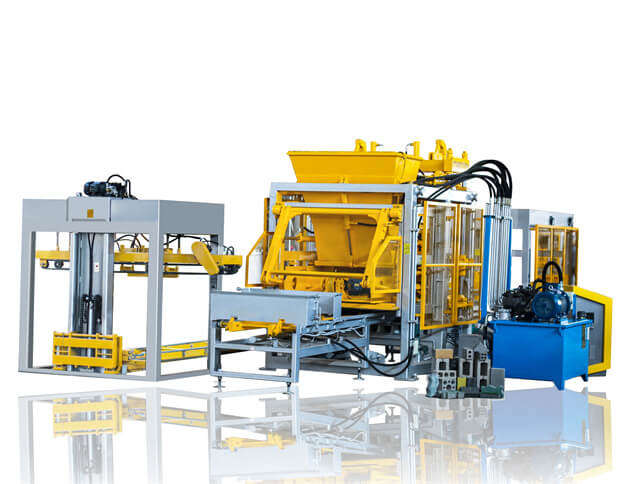
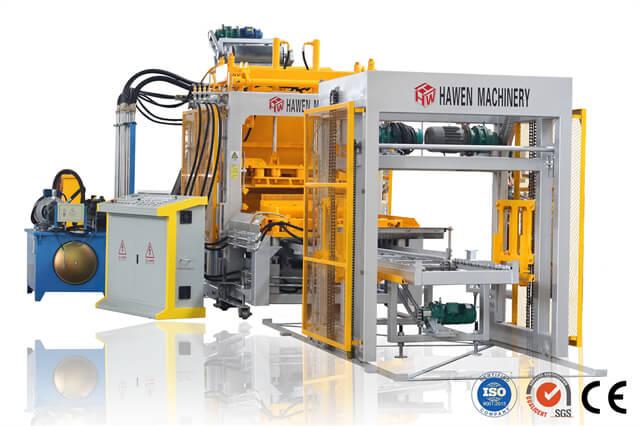
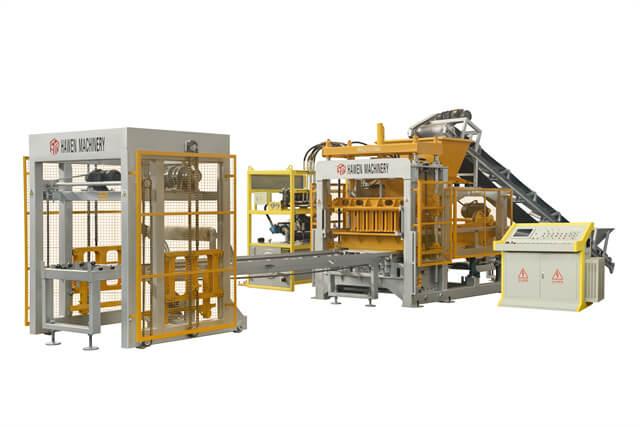
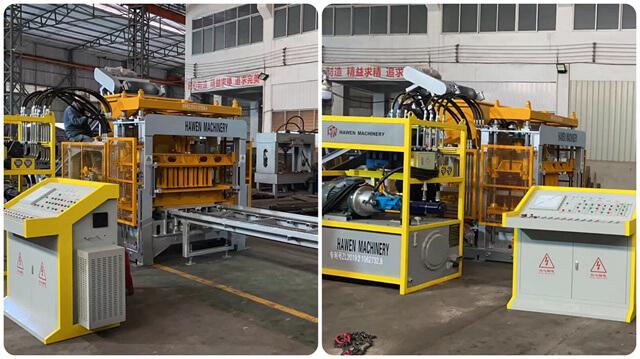
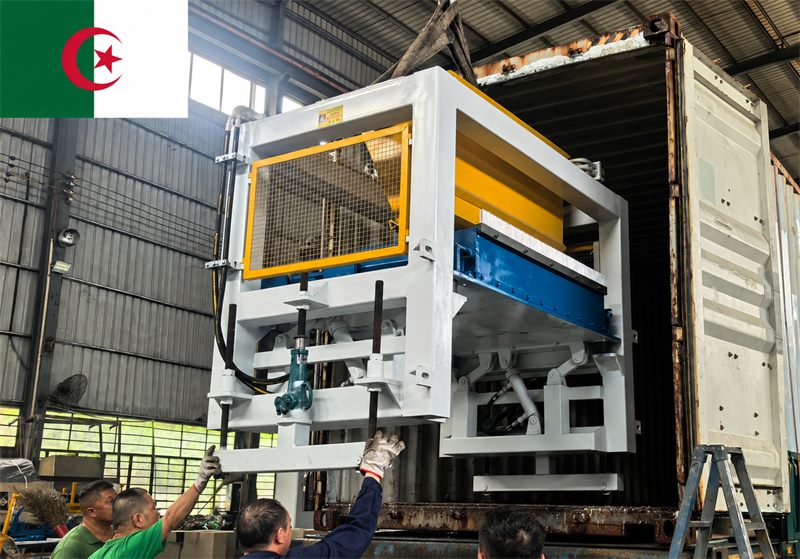
Interlocking-paver mould reference: approve the product drawings and output split together. Images illustrate tooling types, not the hypothetical layout in this article.
FAQ
Does equal pavement area mean equal piece counts? No. Counts depend on each unit's dimensions and the pattern arrangement.
Is maximum total cavity count always the best layout? No. Product proportions, technical feasibility and handling requirements also matter.
What should buyers send with the drawings? Include pattern quantities, expected order mix, machine information and intended packing method.
Conclusion
Evaluate a mixed-size paver mould through both physical layout and demand balance. Count the products required by the pattern, compare them with per-cycle output and assess the resulting inventory and packing work. Confirm technical feasibility before turning that planning exercise into a mould order.




 Tel: +86-13905968794
 Email: export@hwmachines.com
 MP/WhatsApp: +86-13905968794
 Manufacturer Address:Nanan,Quanzhou City,Fujian Province,China