When a concrete product concern appears after curing or dispatch, the plant needs to know which production conditions relate to the affected units. A traceability system provides that connection. It does not have to begin with complicated software, but it needs a consistent definition of a batch and a way to preserve identity through forming, curing, inspection and packing.
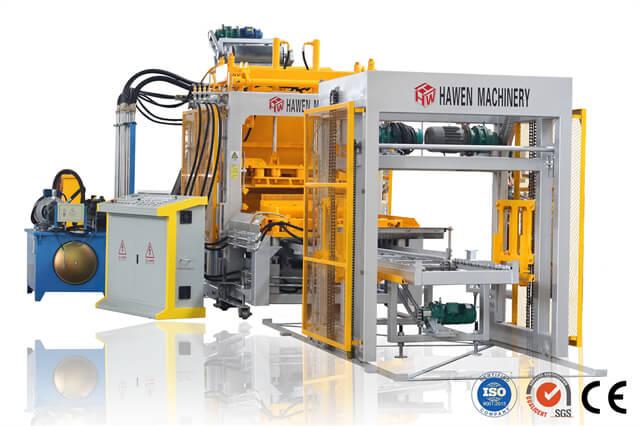
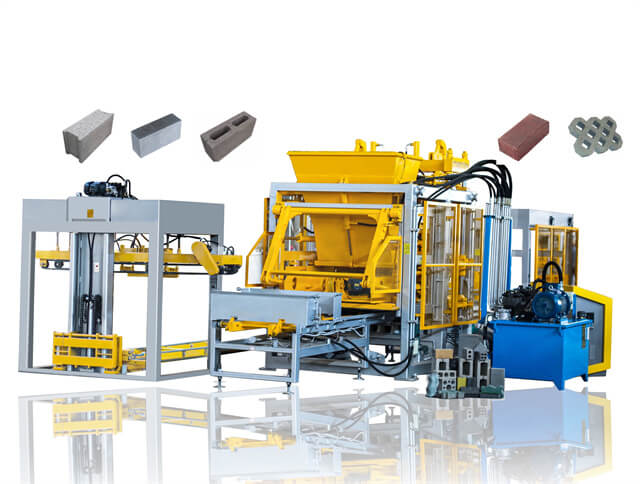
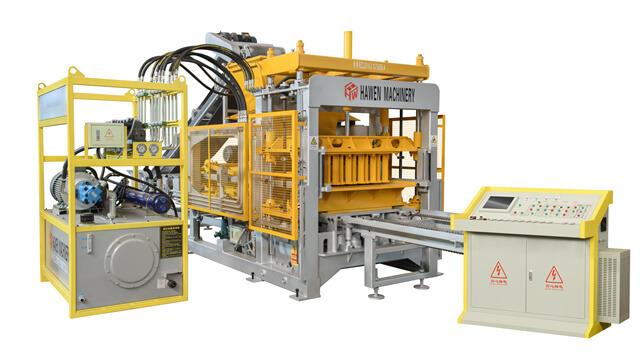
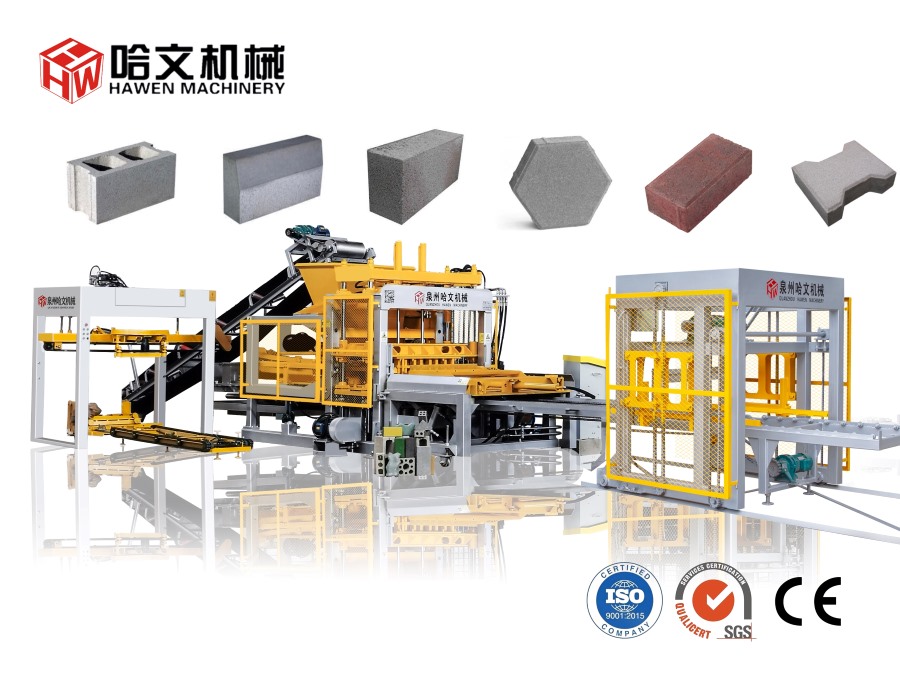
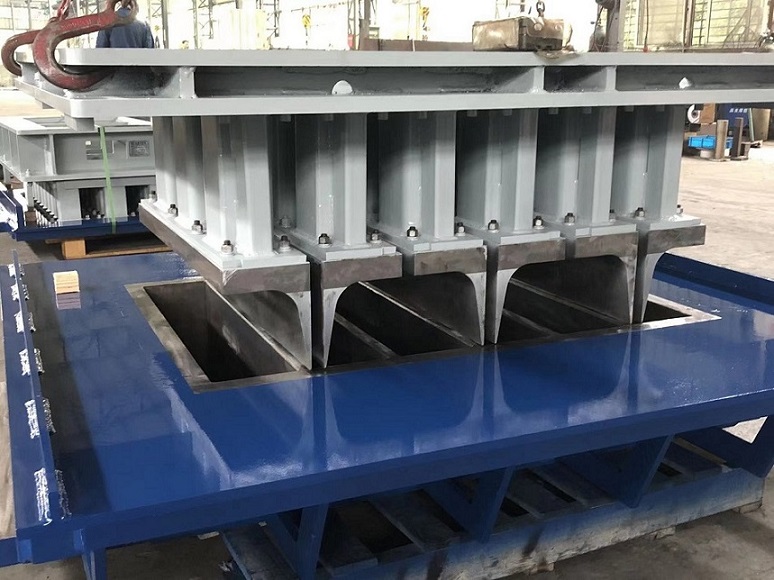
Hawen Machinery's public range includes forming machines, moulds and offline palletizing equipment. Those stages create useful points for reviewing product identity. This article describes a general plant-management approach; it does not claim that any particular machine automatically records all the information discussed.
Define the production batch before choosing labels
Decide which units belong together for the plant's quality and release decisions. The batch definition may reflect the product, production period, material reference or another controlled boundary. Avoid choosing a definition so broad that it conceals meaningful changes or so narrow that staff cannot maintain it reliably.
Assign a unique reference and state when a new one begins. Product changes, relevant material changes and interruptions requiring investigation should have a defined treatment. The aim is to make later questions answerable, not to collect every possible detail without a clear use.
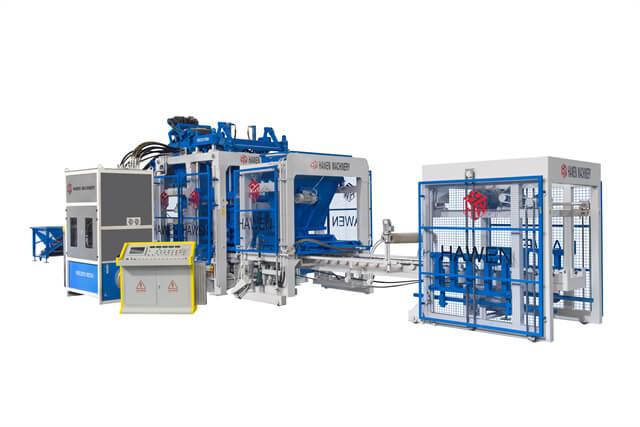
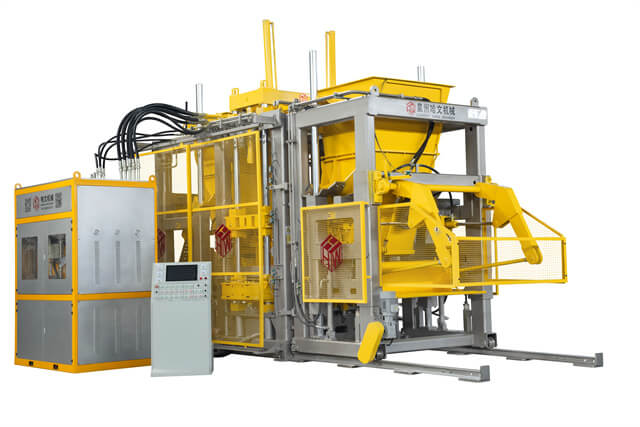
Forming-machine reference: connect production identity to the product and operating period.
A useful forming record identifies the product drawing or specification, mould reference, production period and material or recipe reference used by the plant. Add the first-product approval and significant observations. Where the plant records settings, preserve their context rather than assuming a number means the same thing across different products.
Keep records factual. Describe an observed edge defect or interruption and the action taken instead of assigning an unverified cause. Controlled observations allow the maintenance, production and quality teams to review the same event without relying on conflicting recollections.
| Record stage | Identity to preserve |
|---|
| Forming | Batch, product, mould and relevant material references. |
| Curing | Batch location, entry information and hold or release status. |
| Packing | The link between source batches and finished packs. |
| Dispatch | Released pack identity and the corresponding order or shipment record. |
Keep batch identification visible through curing
Identify where each batch is located and how its status is shown. If boards or groups are moved, update the location record. A label that stays in the original position while the product moves creates apparent traceability without a dependable connection.
Separate identity from acceptance. Knowing the production time does not establish handling readiness or product compliance. The release decision must follow the plant's quality procedure and relevant requirements. Held material should remain distinguishable so it is not unintentionally combined with released stock.
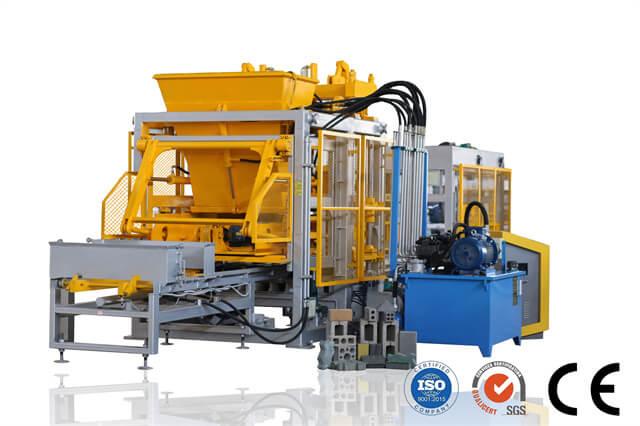
Production-line reference: review every handoff at which product identity could be lost.
A useful commissioning exercise is to select one identified batch and follow it through the proposed route. Ask each responsible person how they know its product and status. If the answer depends on remembering which group arrived first, improve the method before higher production volume makes the gap harder to manage.
Link source batches to finished packs and dispatch
Packing may combine units that no longer retain their original board arrangement. Define how source batch information is linked to the completed pack. If batches are intentionally combined, preserve that relationship instead of assigning a new label that removes the production history.
Record the connection between released packs and customer orders using the plant's normal dispatch process. This allows a later quality review to identify relevant stock and records. It does not automatically prove the cause of a reported issue; transport, storage and installation conditions may also need investigation.
Keep the system proportionate and reviewable. Use consistent identifiers, clear ownership and a planned record-retention approach. Software can help only if the underlying handoffs are defined and staff can carry them out during routine work.
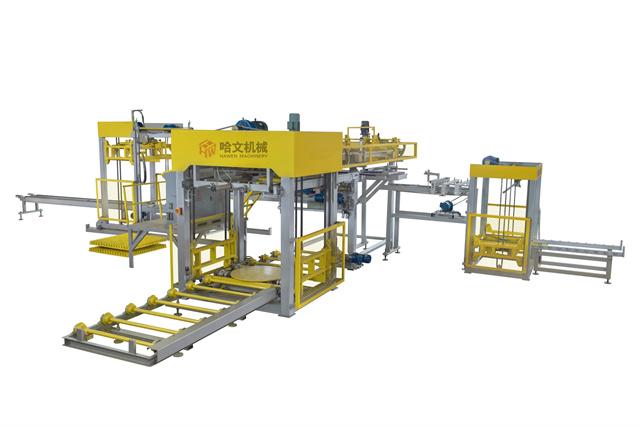
Offline cuber reference: preserve the connection between source products and finished packs. Equipment images do not imply built-in traceability software.
FAQ
Does traceability require specialized software? Not necessarily. A consistent manual method can be a starting point if identity and status remain reliable across handoffs.
Does a batch number prove product compliance? No. It links records; compliance and release require the relevant checks.
Where is identity commonly lost? Review transfers, curing relocation, mixed groups and packing, where the original arrangement may change.
Conclusion
Build concrete product traceability around real handoffs. Define the batch, connect forming records, preserve curing status and link source units to dispatch packs. Test the method by following one batch through the plant and resolve any point where identification depends on memory.





 Tel: +86-13905968794
 Email: export@hwmachines.com
 MP/WhatsApp: +86-13905968794
 Manufacturer Address:Nanan,Quanzhou City,Fujian Province,China