A concrete brick may leave one production stage in an orientation that does not suit the required finished stack. For a plant considering automatic cubing, the important question is how the incoming unit becomes a repeatable layer or pack without introducing unnecessary handling. A brick tilting device may be part of the solution, but its suitability depends on the product and the surrounding equipment.
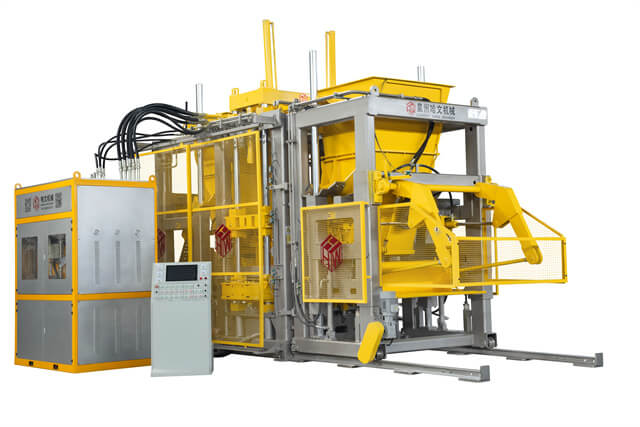
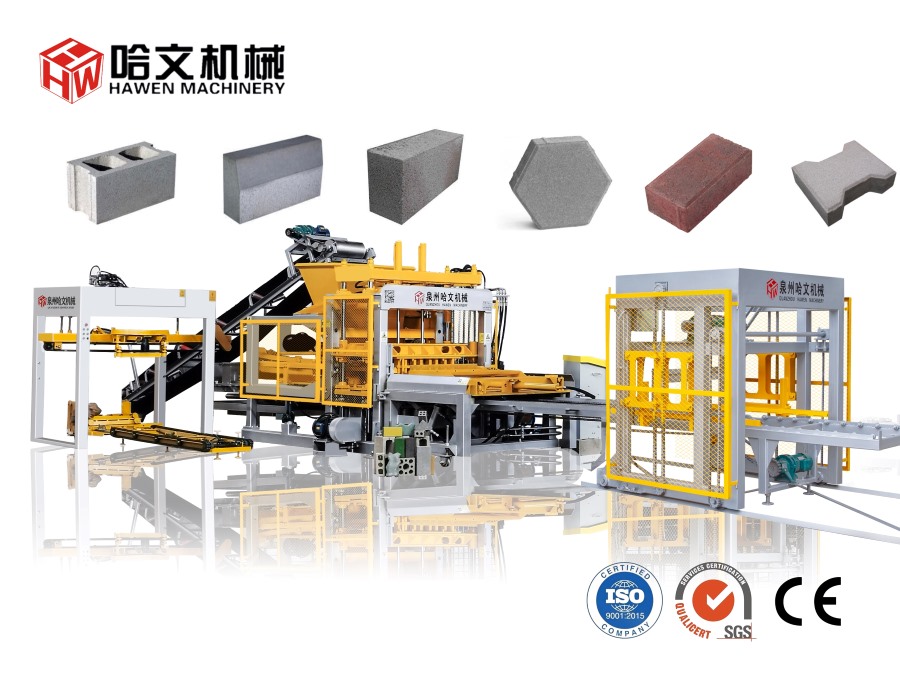
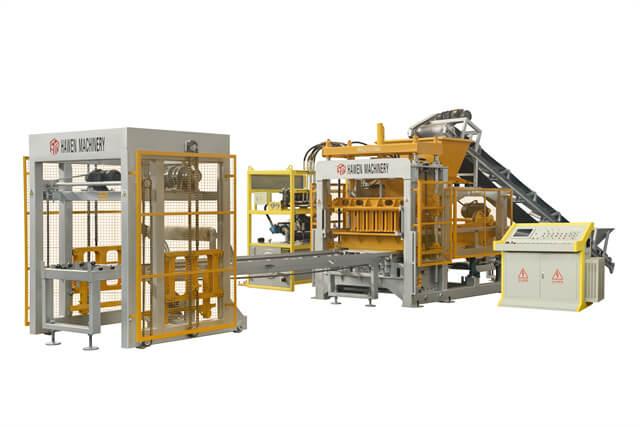
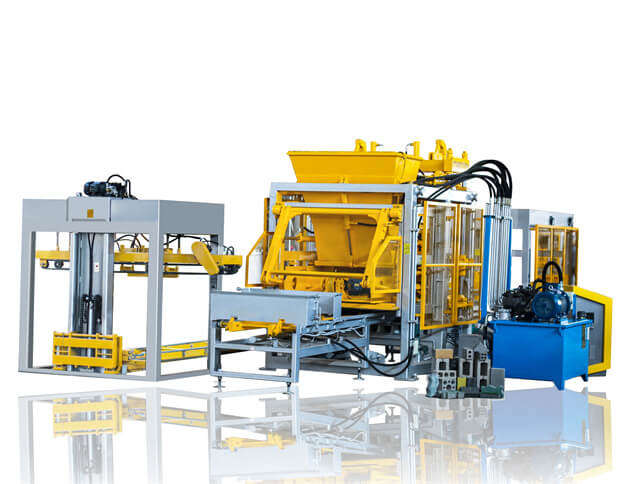
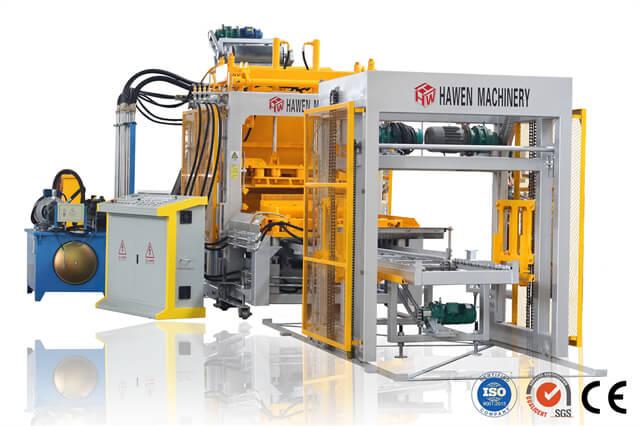
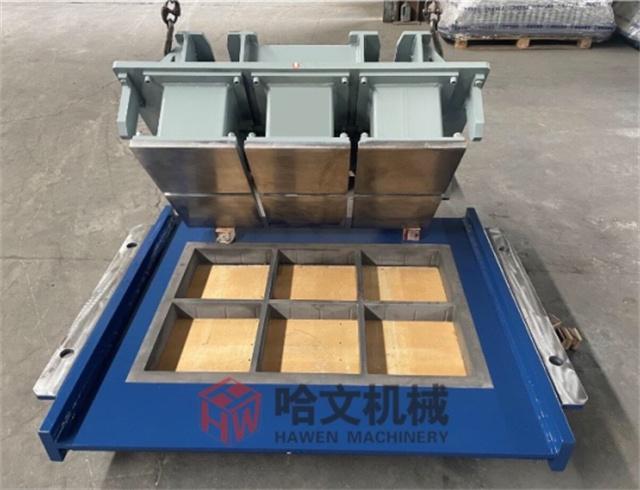
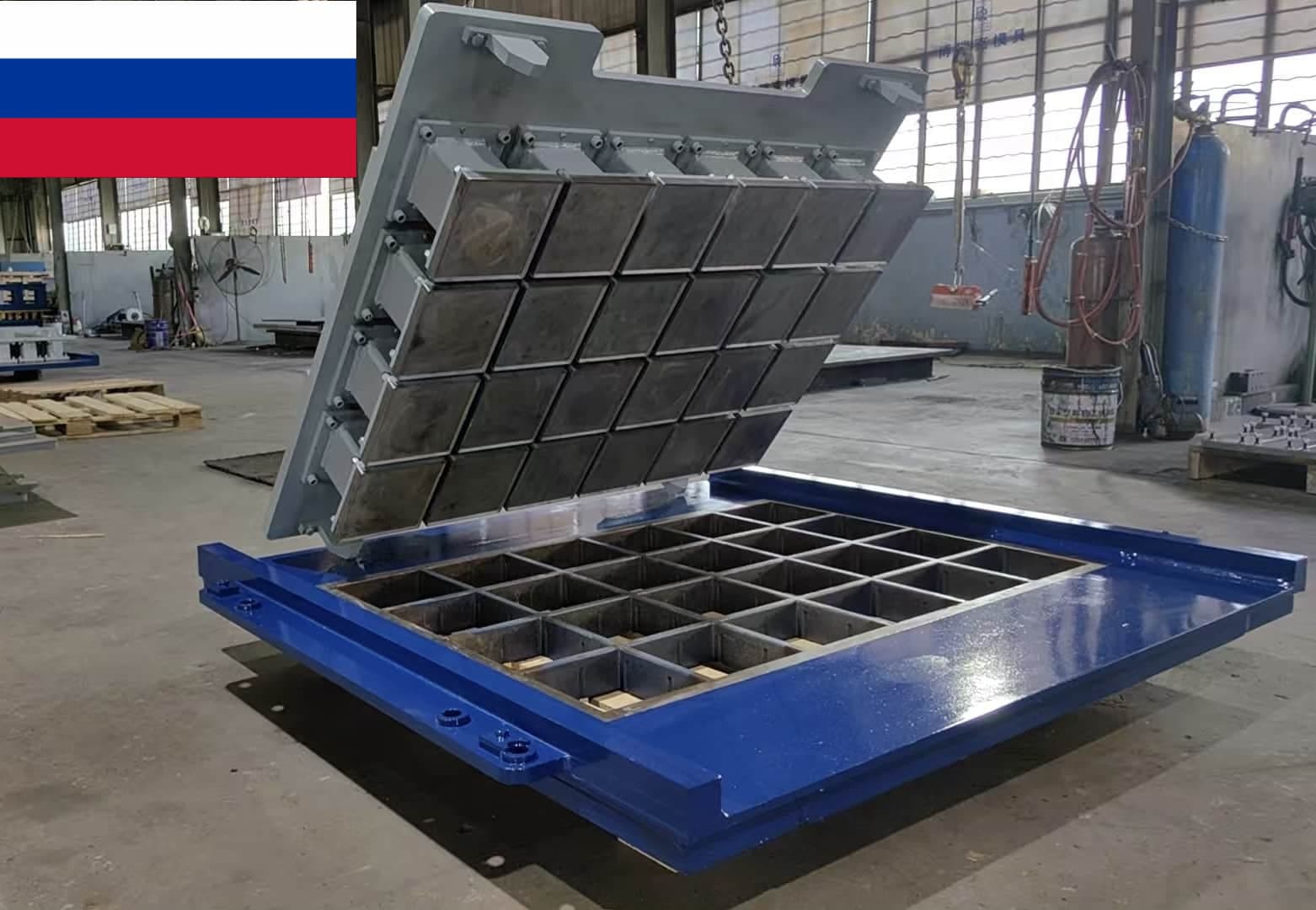
Hawen Machinery lists automatic offline palletizing equipment in its public product range. This article provides general buyer guidance for discussing an orientation-changing stage before cubing. The photographs illustrate the equipment category; they do not establish that a particular installation includes a tilting device or supports every brick format.
Define the incoming two-hole brick orientation
Describe the brick as it actually arrives at the proposed handling station. Identify its dimensions, holes, direction of travel, support surface and arrangement on the incoming board or conveyor. Use drawings and a continuous process video where available. The phrase two-hole brick alone does not define how it should be held, turned or grouped.
Then define the required outgoing position. Include the finished layer pattern and the next handling stage. A useful interface description shows both states so the supplier can discuss the transformation between them. Avoid prescribing a mechanism solely because a similar device appears in another plant's video.
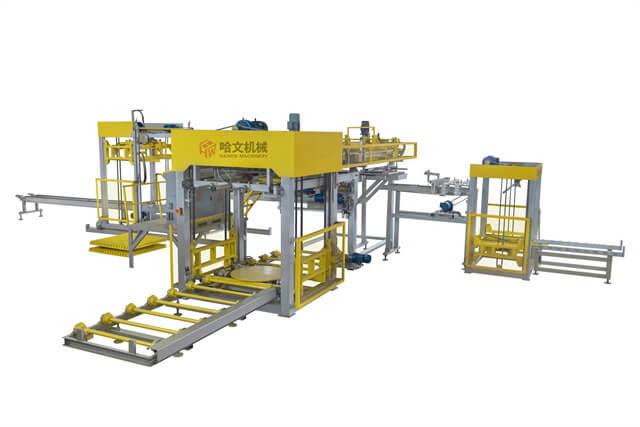
Offline palletizing equipment reference: define incoming and outgoing product arrangements before selecting an orientation-changing stage.
Specify the tilting-to-cubing sequence and responsibility boundaries
Map the proposed sequence from product arrival to completed pack. Identify where units are separated, turned, grouped, transferred and stacked. Ask which tasks are included in the equipment proposal and which depend on existing plant equipment. This prevents a buyer from assuming that a quoted cuber automatically includes every upstream preparation operation.
If servo control is proposed, ask what motion or adjustment it controls and how product changes are managed. A servo label does not by itself confirm compatibility, cycle performance or gentle handling. The supplier's technical proposal should connect the control arrangement to the intended product and sequence.
| Buyer input | Decision it supports |
|---|
| Incoming brick position | The orientation change required before grouping. |
| Product geometry and condition | Review of the proposed support and handling method. |
| Layer and pack pattern | The output arrangement required by the cuber. |
| Arrival and dispatch schedule | Capacity, staging and replenishment requirements. |
Review brick condition, contact points and format changes
The handling method needs to suit the product at the stage where turning occurs. Confirm that release for handling follows the plant's quality procedure. Do not infer readiness from a universal curing duration or assume all products can tolerate the same contact arrangement. Discuss representative samples and the checks needed for the specific unit.
For several product formats, define the changeover range rather than treating one successful trial as evidence for all sizes. Ask which adjustments are automatic, which require operator work and which need different parts. The answer helps the buyer understand the practical cost of product variety.
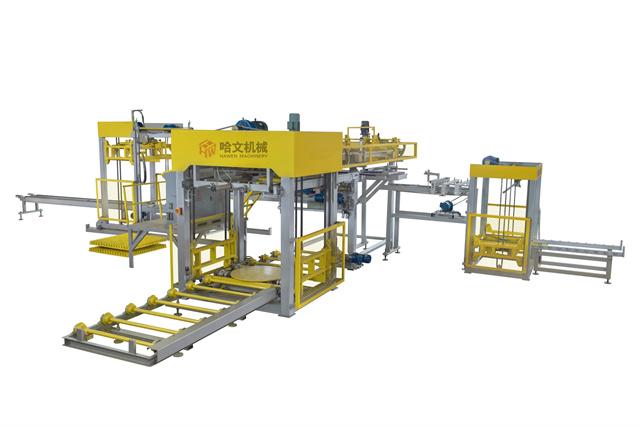
Cuber-system reference: review product handling and format changes within the proposed equipment scope.
Compare the full turning and grouping cycle
Measure the work performed over a complete handling sequence. Turning one unit quickly does not establish the output of a station that also waits for arrival, forms a group, transfers a layer and clears the discharge point. Request a capacity discussion tied to the actual incoming arrangement and finished pack.
Include normal interruptions and staging. A backlog can arise if the turning station feeds a cuber faster than completed packs can be removed. Conversely, an upstream shortage may leave the equipment idle. Clarify how the system responds to incomplete groups and how operators manage a rejected product through the approved procedure.
A useful layout-review observation is whether a technician can point to the intended location for an incomplete group. If the answer is an aisle or an undefined temporary space, exception handling has not been fully planned. Resolve this during layout review rather than during a stoppage.
Agree trial observations for orientation, damage and stack consistency
Use an identified product and agreed pack pattern during the acceptance run. Observe arrival, turning, grouping, transfer and removal of the completed stack. Record product condition before and after the relevant steps so a defect is not automatically attributed to the last machine in the sequence.
Include the intended product-change routine if several formats are important to the business plan. Confirm operator roles, supplied documentation and access for inspection and maintenance. Installation and servicing must follow the equipment instructions and applicable site requirements.
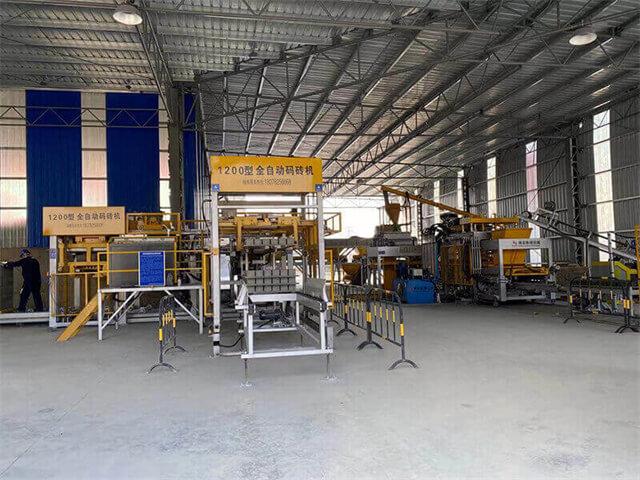
Palletizing equipment reference: evaluate the complete route through to the finished stack, not one isolated motion.
FAQ
Does every two-hole brick need a tilting device? No. The need depends on its incoming position and the required downstream arrangement.
Does servo control guarantee compatibility? No. Review the complete mechanism, product geometry, configuration and trial evidence.
What information helps a supplier evaluate the project? Provide product drawings, incoming orientation, process footage, required pack patterns and the existing equipment layout.
Conclusion
Select brick tilting equipment by defining the product transformation and its connection to cubing. Confirm handling conditions, format changes and the complete operating sequence. An agreed trial should then verify the intended orientation and stack arrangement under representative conditions before the project is accepted.




 Tel: +86-13905968794
 Email: export@hwmachines.com
 MP/WhatsApp: +86-13905968794
 Manufacturer Address:Nanan,Quanzhou City,Fujian Province,China