An offline palletizing system should be evaluated as a link between cured-product handling and dispatch. Its value depends on more than the movement of a single group of blocks. The plant needs to define what arrives, how products are arranged, what finished pack is required and how operators handle exceptions.
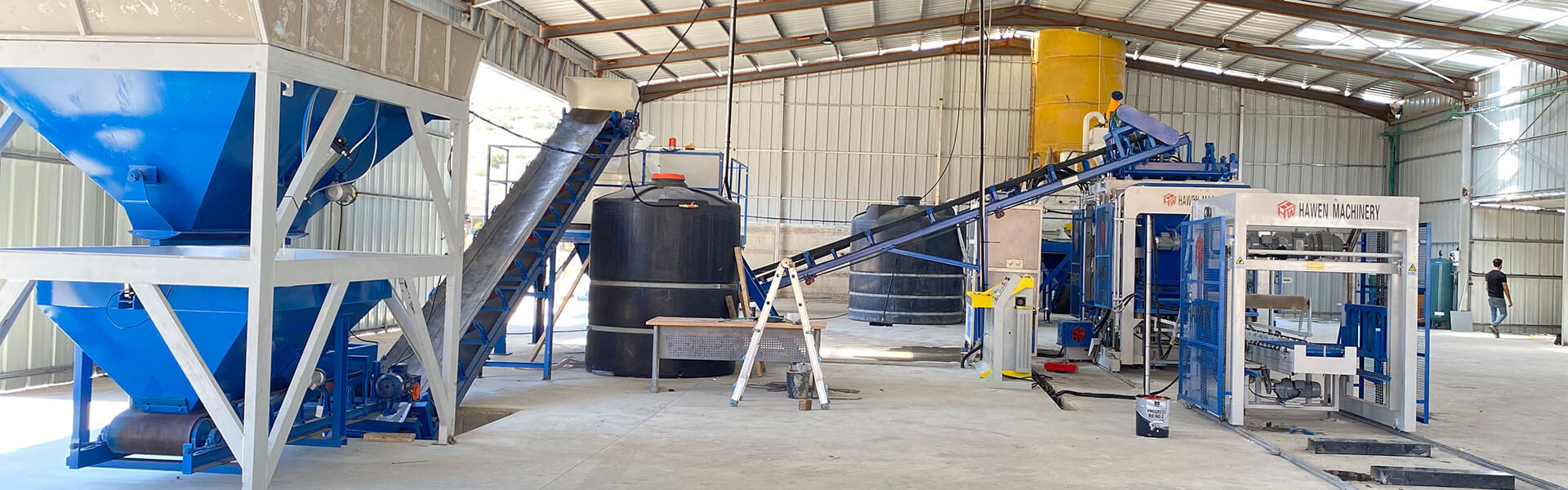
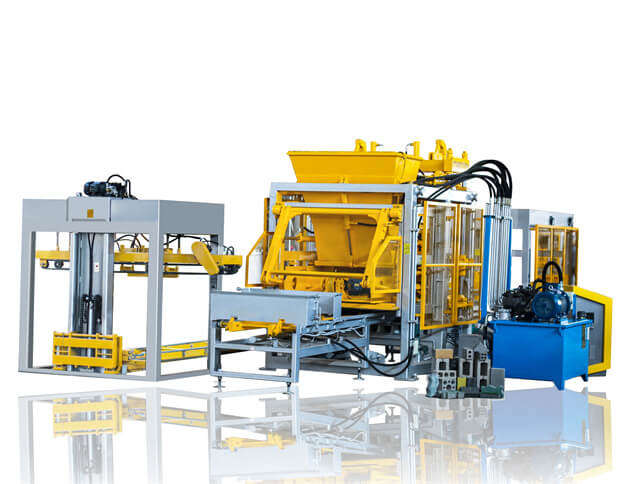
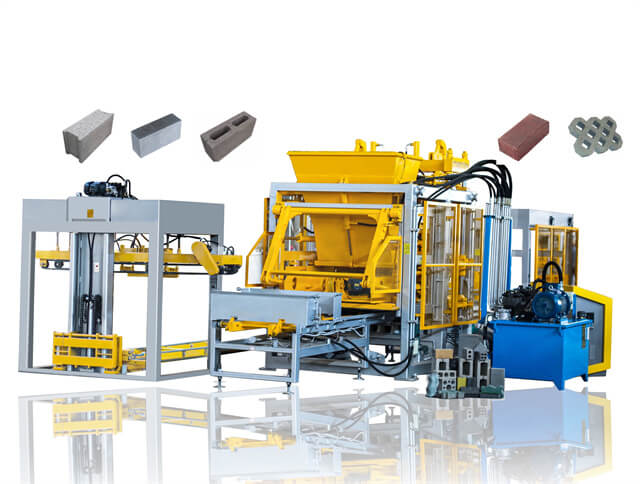
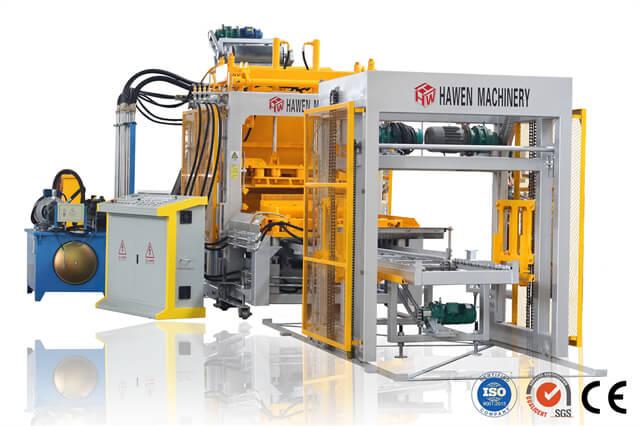
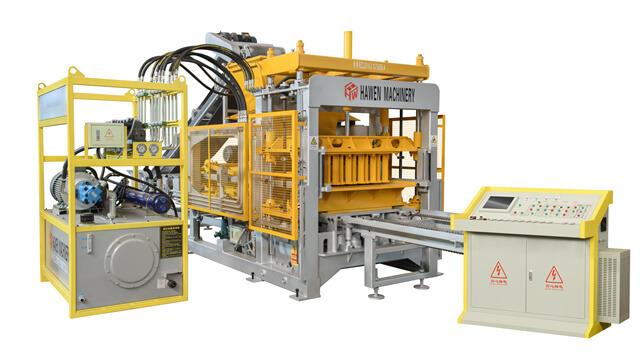
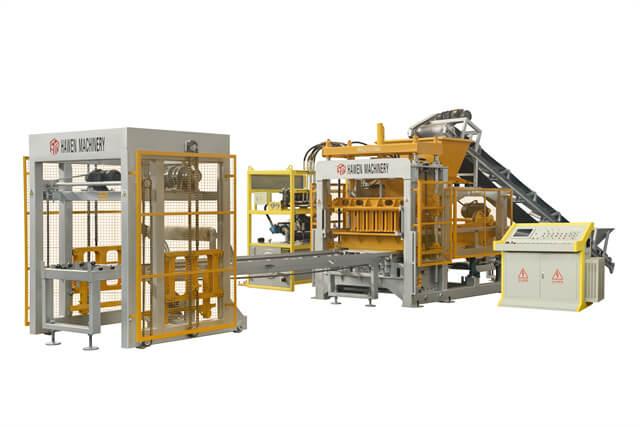
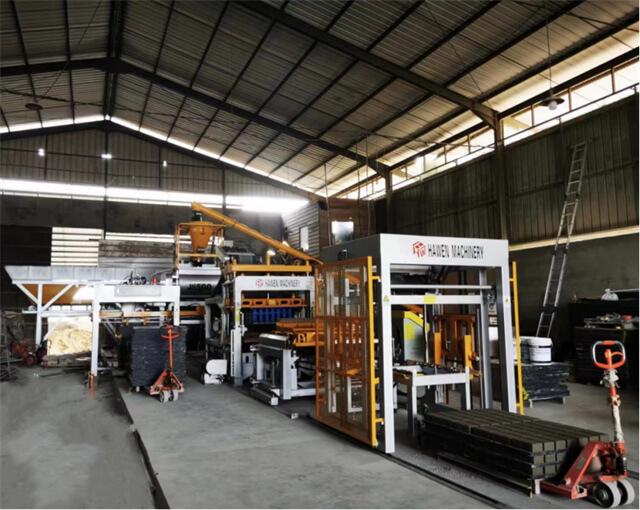
Hawen Machinery's public catalogue includes an automatic offline palletizing system alongside its block-making equipment. This establishes palletizing as part of the company's product scope, but a specific project's compatibility and performance must be confirmed through its proposal and technical documents. The following framework supports that discussion without assuming a universal configuration.
Define where cured-product palletizing begins
Identify the exact input condition. Are cured units arriving on production boards, in existing groups or through another handling stage? Describe their orientation, product variety and inspection status. The supplier needs this information to determine the proposed equipment boundary; the term offline alone does not describe every included task.
Separate fresh-product stacking from finished-product pack formation. The two operations occur at different stages and may have different handling requirements. When discussing automation, name the operation and its input and output rather than relying on a broad term such as stacker.
Specify block geometry and finished pack patterns
Provide drawings or dimensioned information for each product family. Include the required pack arrangement, orientation and any transport-pallet requirement. Identify whether different products will use different patterns and how frequently changes are expected. A system reviewed around one rectangular block should not be presumed suitable for every paver or kerbstone without further confirmation.
| Input to define | Integration decision |
|---|
| Product geometry | Review the intended handling and grouping method. |
| Finished pack pattern | Agree what constitutes an acceptable completed pack. |
| Incoming schedule | Check workload and buffer needs across a shift. |
| Exception handling | Define how rejected or incomplete groups leave the process. |
Discuss product condition at the handling stage. Release for palletizing should follow the plant's quality procedure and the handling method's requirements. Do not assume that every cured batch is equally ready for every operation merely because a fixed time has elapsed. The plant must define the relevant acceptance and release responsibilities.
Balance incoming batches, palletizing and dispatch
Compare the arrival schedule with the work the system must complete. Cured products may be released in batches rather than at the forming machine's average rate. Describe peaks, shift changes and planned product changes. A simple hourly flow plan can reveal whether staging is needed before or after palletizing.
Follow the completed pack into dispatch. Confirm the route, handling equipment, packaging tasks where applicable and storage positions. If completed packs cannot leave the discharge point, the palletizing stage can stop even when its own equipment is available. Assign responsibility for each connection and keep buyer-supplied work visible in the proposal.
A practical site-review question is where an incomplete or rejected group will go. If the answer is an aisle or an undefined corner, the layout needs further work. Providing a planned exception route helps operators maintain order without improvising during a stoppage.
Verify product changes and operating access
Request an agreed acceptance sequence using representative products and pack patterns. Observe arrival, grouping, handling and removal of the completed pack. Include the relevant product-change routine and check how operators identify the active setup. Record the outcome against the agreed scope rather than an assumed output figure.
Review access for inspection, cleaning and maintenance as part of installation planning. Operating and servicing procedures must follow the supplied instructions and applicable site requirements. Confirm training roles and the documents needed at handover so that plant staff understand normal operation and the escalation path for an abnormal condition.
FAQ
Does offline palletizing mean the same configuration for every plant? No. Define the actual incoming products, handling tasks and finished-pack requirements.
Can the forming-machine output alone size this stage? It is one input. Batch release, product changes, staging and dispatch also affect the workload.
What should be demonstrated before acceptance? The agreed product route, pack patterns, change routine and handling of relevant exceptions using representative conditions.
Conclusion
Review offline palletizing as an integrated material-flow stage. Define its boundaries, confirm products and pack patterns, account for arrival peaks and provide a route for completed packs and exceptions. These inputs give buyers a clear basis for comparing proposals and planning a useful acceptance run.





 Tel: +86-13905968794
 Email: export@hwmachines.com
 MP/WhatsApp: +86-13905968794
 Manufacturer Address:Nanan,Quanzhou City,Fujian Province,China