A recycled-concrete delivery is not a single, predictable commodity. Its origin, demolition method, separation quality, crushing route, and screening history determine whether a plant can qualify it for masonry. A laboratory result from one stockpile says little about a later load if the source has changed. The useful question is therefore not simply whether recycled aggregate can enter a block mix. It is how a manufacturer can identify an acceptable stream, detect drift, and keep each approved lot connected to the units made from it.
This factory guide treats recycled concrete aggregate (RCA) as a controlled incoming material. It covers supplier declarations, receiving inspection, contamination screening, particle characterization, trial design, traceability, and release criteria. Published studies by Barman and colleagues (2026) and Dafedar and colleagues (2024) show that RCA masonry products can be investigated successfully, but their specific feedstocks and laboratory conditions do not establish a universal replacement percentage. A responsible plant validates its own source against the destination product specification.
Characterize and batch each aggregate stream separately before adjusting a production recipe.
1. Establish exactly what the supplier calls RCA
Recycled concrete aggregate should originate from hardened concrete that has been processed into an aggregate fraction. It should not be grouped without distinction with reclaimed asphalt, crushed masonry, soil-rich demolition debris, or mixed construction waste. Ask the supplier to describe the incoming structures, selective demolition practices, separation steps, crushing stages, screening cuts, and any blending performed after processing. These details help explain why two materials sold under the same commercial name may behave differently in a plant evaluation.
Create a material identity sheet before requesting a production quotation or laboratory trial. Include supplier, source site or source class, processing facility, product fraction, stockpile code, delivery date, and declared changes. Define the intended masonry unit separately: geometry, application, governing specification, and required performance evidence. A sample is meaningful only when its identity and destination product are both clear.
2. Build a receiving gate for source and contamination
Inspect deliveries against a written receiving protocol. The protocol can distinguish acceptable concrete fragments from materials that require quarantine, additional sorting, or rejection. Screen for gypsum board, wood, plastics, asphalt, glass, metal, soil, and visible masonry where the agreed source definition excludes them. Record the observation by load and photograph unusual inclusions. A quick visual check cannot certify chemical composition, but it can prevent an obviously mixed delivery from silently entering an approved stockpile.
Take increments from multiple positions or loads according to a defined sampling plan; a convenient surface scoop may not represent the full stockpile. Identify the sampler, date, lot, location, and compositing method. If a supplier blends several sources, require a declaration of the blend and a change-notification process. The incoming gate should also state who may release a quarantined load and what additional evidence is needed.
A controlled mixing sequence helps reveal how recycled aggregate changes water demand and distribution.
3. Characterize particle fractions before recipe decisions
Request a grading curve for each supplied fraction and compare it with the plant's approved aggregate envelope. Record the test method and sample preparation, then inspect whether the submitted curve is representative of the delivered lot. Report fines using the method required by the project or applicable aggregate specification. A single percentage cannot distinguish harmless mineral fines from clay-active material or other deleterious particles; investigate the nature of a suspect fraction instead of treating all dust as equivalent.
Measure absorption and moisture using consistent conditioning and calculation procedures where those values are needed for mixture design. RCA may contain adhered mortar and porous particles, so total water behavior can differ from natural aggregate. Keep test conditions explicit: as-received, saturated-surface-dry, or oven-dry basis. The batching system can repeat a validated recipe, but it cannot correct an unrepresentative sample or an outdated material declaration.
4. Separate material approval from mixture optimization
Use a documented control batch made with the current approved aggregates. Define the RCA fraction, replacement basis, grading, source lot, and conditioning before preparing trial batches. Keep unit geometry, cementitious materials, curing regime, sampling method, and test age aligned with the control wherever possible. If several variables must change, use a planned matrix and record the reason; informal simultaneous adjustments make it difficult to identify whether a result came from the feedstock or from a recipe change.
Research is useful for identifying questions, not for bypassing local validation. Barman et al. report a specific study of RCA masonry blocks, while Dafedar et al. compare different recycled aggregate conditions. Their findings should be read with their source materials, proportions, specimens, and methods in view. Do not transfer a headline ratio to a different quarry, city, cement, unit design, or standard. Set acceptance limits with the responsible engineer and label each trial specimen with its aggregate lot and recipe revision.
Assess green handling and cured performance before accepting an RCA trial for regular output.
5. Preserve chain of custody through the trial
Assign a unique code to the aggregate lot, sample container, laboratory report, trial batch, and finished specimens. Record the delivered mass, stockpile location, date, and any screening or blending performed after receipt. Keep the original supplier declaration with the test record. If material is moved between piles, update the location history rather than allowing an old label to follow a physically different stream. These basic records make later comparisons possible when a source changes.
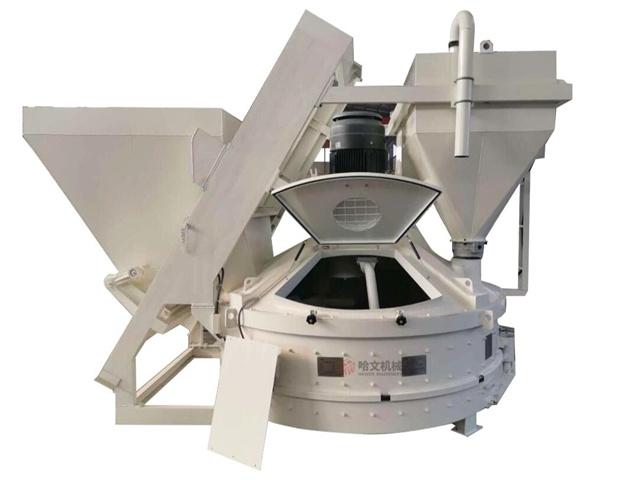
For trial batching, verify scale status, bin identity, recipe revision, and actual discharged quantities. Preserve a retained sample when practical and mark it with the same lot code. A planetary mixer or twin-shaft mixer should be evaluated using the plant's chosen sequence and the qualified feedstock. The purpose is controlled comparison, not simply producing one visually acceptable pallet.
6. Verify the process on the intended production line
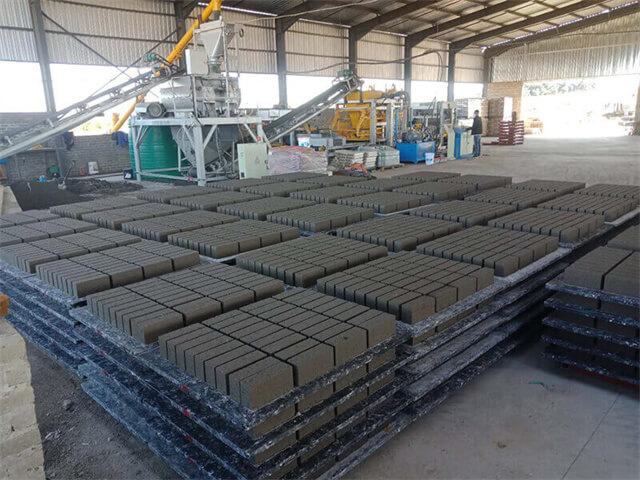
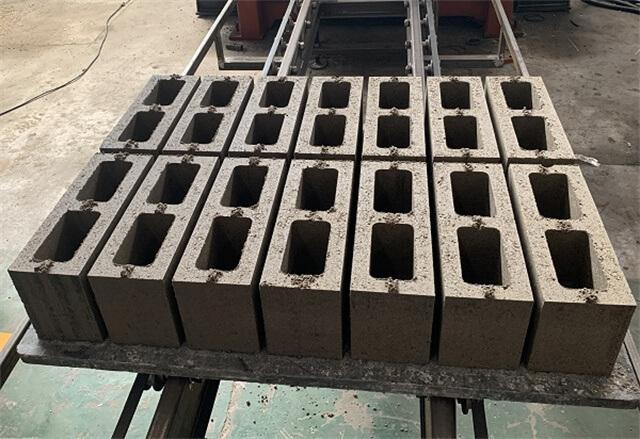
After the feedstock and mix plan are defined, produce a controlled trial on the intended equipment. Record fill consistency, cavity differences, green-unit stability, handling damage, and the settings used. Sample locations across the pallet or production sequence so the assessment reflects the full run. This stage verifies that a laboratory-qualified material can be processed with the actual feeder, press, pallet, mold, and curing arrangement; it does not replace finished-unit testing.
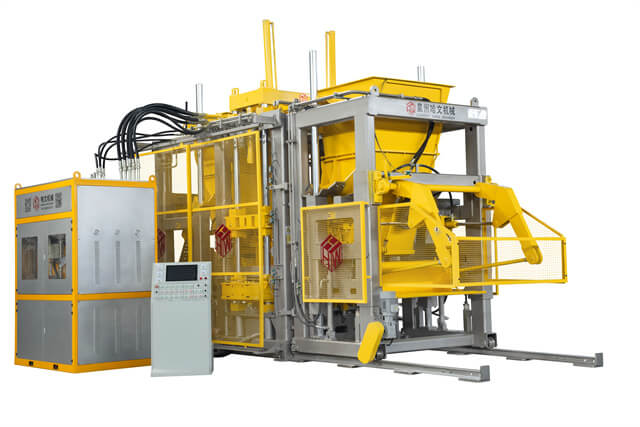
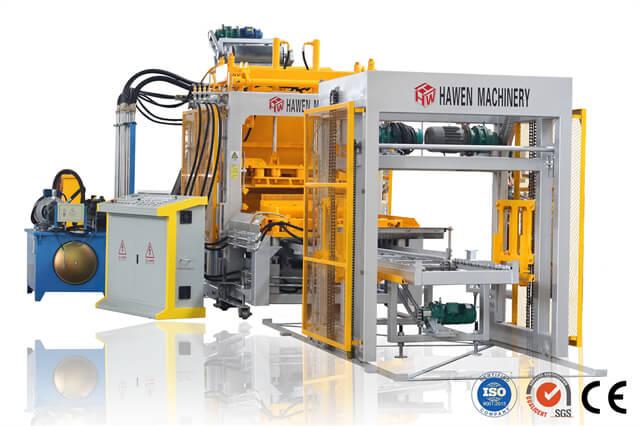
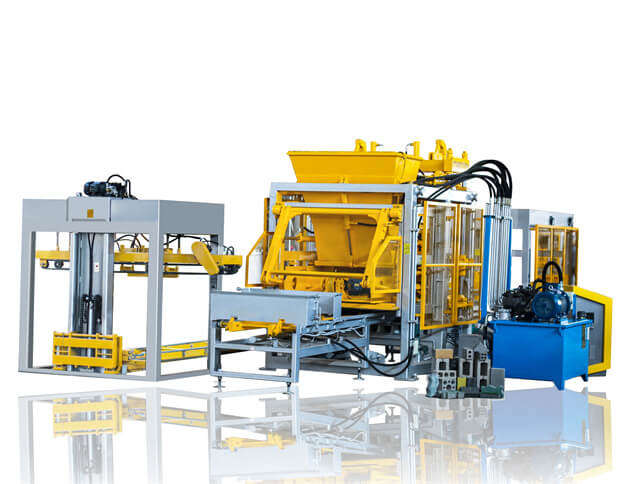
Hawen Machinery uses a four-shaft vibration-box design with eccentric blocks positioned outside the housing. The layout reduces resistance within the vibration assembly and supports uniform compaction, with the potential to lower cement consumption when the mix and product are properly optimized. A hollow-block line or solid block machine should be evaluated using the approved RCA lot and production recipe. Avoid changing machine settings to conceal an incoming material that has not met its acceptance definition.
7. Decide what evidence qualifies the finished unit
Write the release criteria before reviewing results. Depending on the product and destination, the program may include dimensions, density, absorption, compressive strength, or exposure-specific durability properties. Follow the required specimen selection, conditioning, test method, and reporting format. Keep individual results as well as averages, since a passing mean can conceal outliers. Link every report to the manufacturing date, trial batch, aggregate lot, curing record, and unit configuration.
A journal article may use a specimen geometry, regional specification, or laboratory procedure unlike the commercial unit under review. Its results cannot substitute for the destination market's product standard. Ask the project engineer or qualified laboratory to confirm the governing edition and sampling method. If a test is outside the acceptance range, preserve the lot identity and investigate whether the issue follows one source fraction, one batch, or a broader production change before authorizing further use.
8. Set release, retest, and change-control rules
The approval document should define the supplier and source class, grading limits, sampling frequency, contamination response, permitted processing, trial recipe, finished-unit tests, and lot-release authority. State which changes trigger requalification: a new demolition source, crusher or screen adjustment, supplier blending, unexplained grading shift, or a failed product test. Establish a fallback material plan so production does not pressure staff to accept an unverified load. Any environmental or cost statement should use measured transport, processing, rejection, cement, and energy data for the declared boundary.
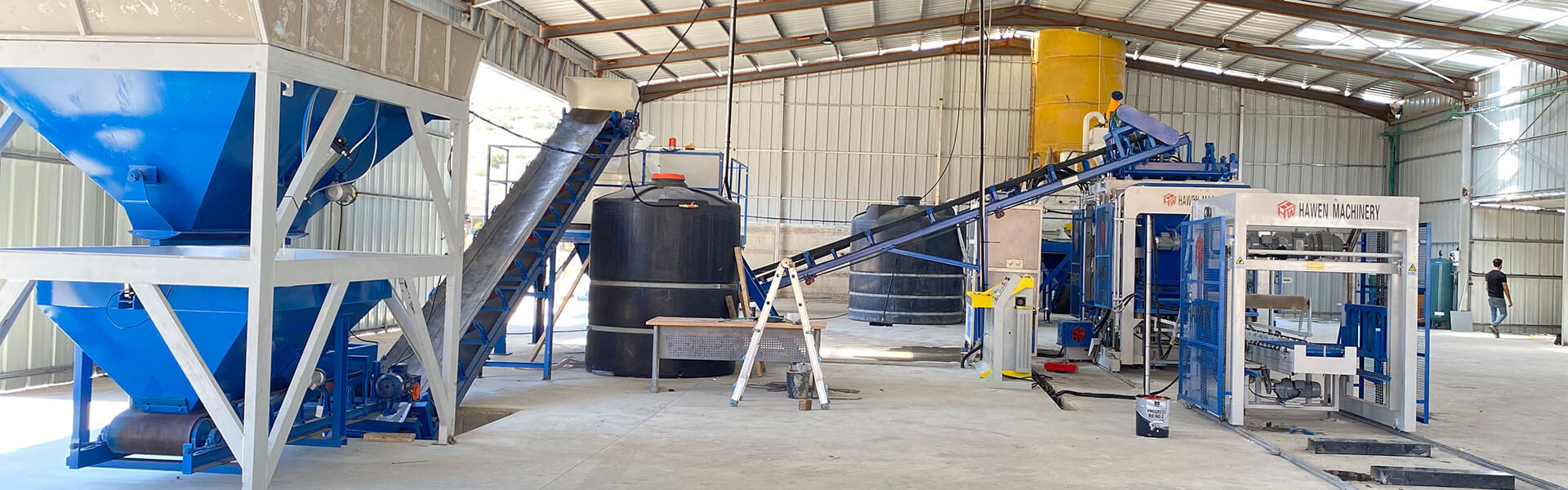
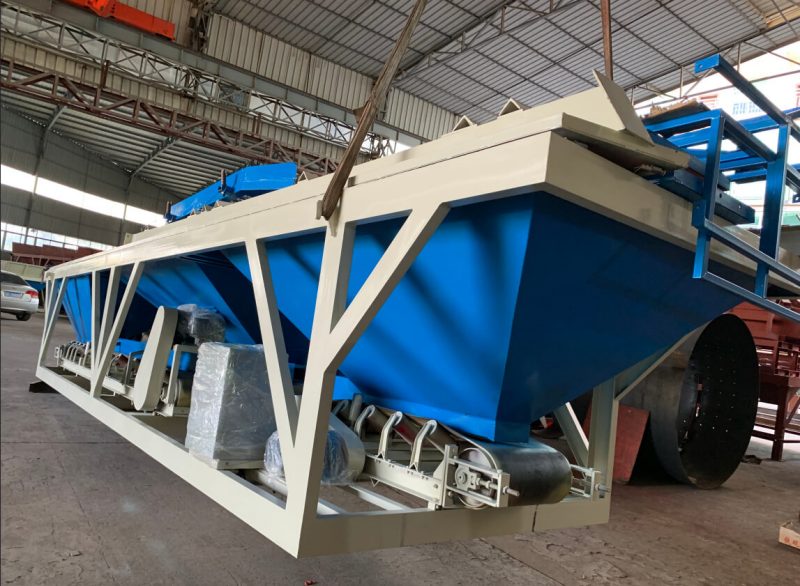
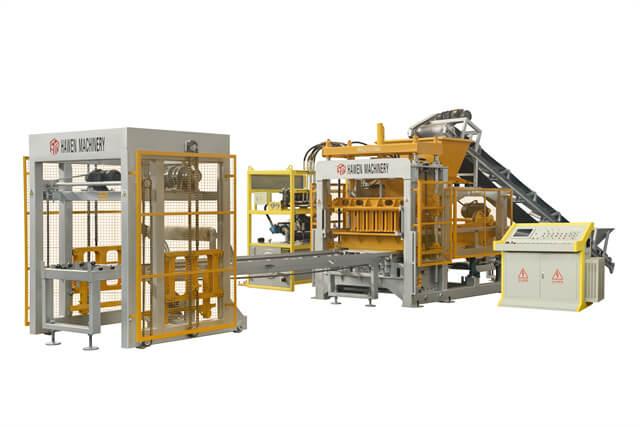
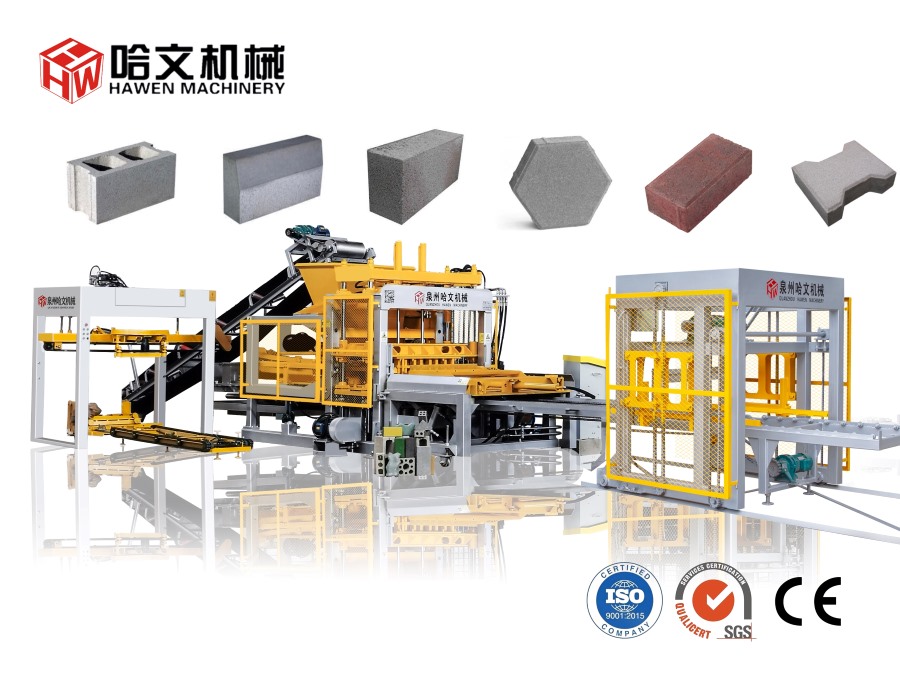
Hawen Machinery can review a QT15 automatic block machine, QT8 brick machine, or QT6 brick making machine together with a batching system, concrete mixer, and cement silo. Molds can be made compatible with Masa, Hess, Zenith, Poyatos, Besser, Tiger, Columbia, Quadra, and Omag platforms; heat treatment improves wear resistance, with hardness tested at HRC 59-61. Confirm the unit drawing and qualification plan before specifying equipment or tooling.
Action checklist
Identify the recycled source and keep distinct lots traceable from delivery through test specimens.
Characterize grading, fines, moisture, absorption, bulk density, and visible contaminants using agreed methods.
Compare an approved control mix with clearly defined trial batches; state whether replacement is by mass or volume.
Record batch weights, machine settings, pallet positions, green-unit observations, and curing conditions.
Release the material only after representative cured units meet the destination specification and durability requirements.
Recycled aggregate becomes a responsible production choice when the factory can explain exactly what enters the mixer, what changes on the machine, and what evidence supports the finished unit. Careful qualification turns an uncertain waste stream into a controlled material option. The strongest result is not a headline replacement percentage; it is a repeatable block, a transparent record, and a process that knows when a new batch is ready for production.
FAQ
Can recycled concrete aggregate be used in concrete blocks? Yes, provided the source is suitable and the finished units pass the applicable product requirements. Results depend on feedstock, mix, forming, curing, and test method.
Is recycled concrete aggregate the same as mixed demolition waste? No. RCA should be distinguished from unsorted construction waste and from recycled brick or asphalt. Source separation and contamination control matter.
Can a factory use a published RCA replacement percentage directly? No. Published proportions are tied to specific materials, specimen types, mixtures, and standards. Establish a local trial program.
Why can RCA change water demand? Adhered mortar and pores can affect absorption and surface moisture, changing the effective water available during mixing and forming.
What should be tested in an RCA block trial? At minimum, follow the applicable specification for unit dimensions, density, absorption, strength, and any required durability properties.
Does an automatic block machine need a special RCA mold? Not necessarily. Confirm the approved unit geometry and machine-mold interface, then validate filling, compaction, demolding, and green handling with trial batches.
Does using recycled aggregate automatically reduce a block's carbon footprint? No. Compare actual transport, processing, cement use, energy, rejects, and the declared product boundary before making an environmental claim.





 Tel: +86-13905968794
 Email: export@hwmachines.com
 MP/WhatsApp: +86-13905968794
 Manufacturer Address:Nanan,Quanzhou City,Fujian Province,China