A quality report can show that one product has a higher reject rate than another while comparing two different things. One shift may count every pallet with a damaged unit as rejected, while another counts only the individual units removed. A paver mould can produce a different number of pieces per cycle from a hollow-block mould. If the report does not define its counting basis, the apparent difference may reflect the method rather than the production condition.
Reject-rate comparison should begin with a clear question: are managers measuring rejected pieces, pallets that contain any defect, inspected samples, or material that cannot be sold under the original product specification? These measures can all be useful, but they do not share the same denominator or answer the same operational question. Combining them under one percentage can obscure where a factory should act.
This guide explains how a concrete product factory can compare hollow blocks, interlocking pavers, solid blocks, and kerbstones using consistent records. It focuses on production and inspection reporting rather than setting acceptance limits. The actual product specification, test methods, and release decisions must follow the factory's approved quality process and the requirements applicable to the intended product.
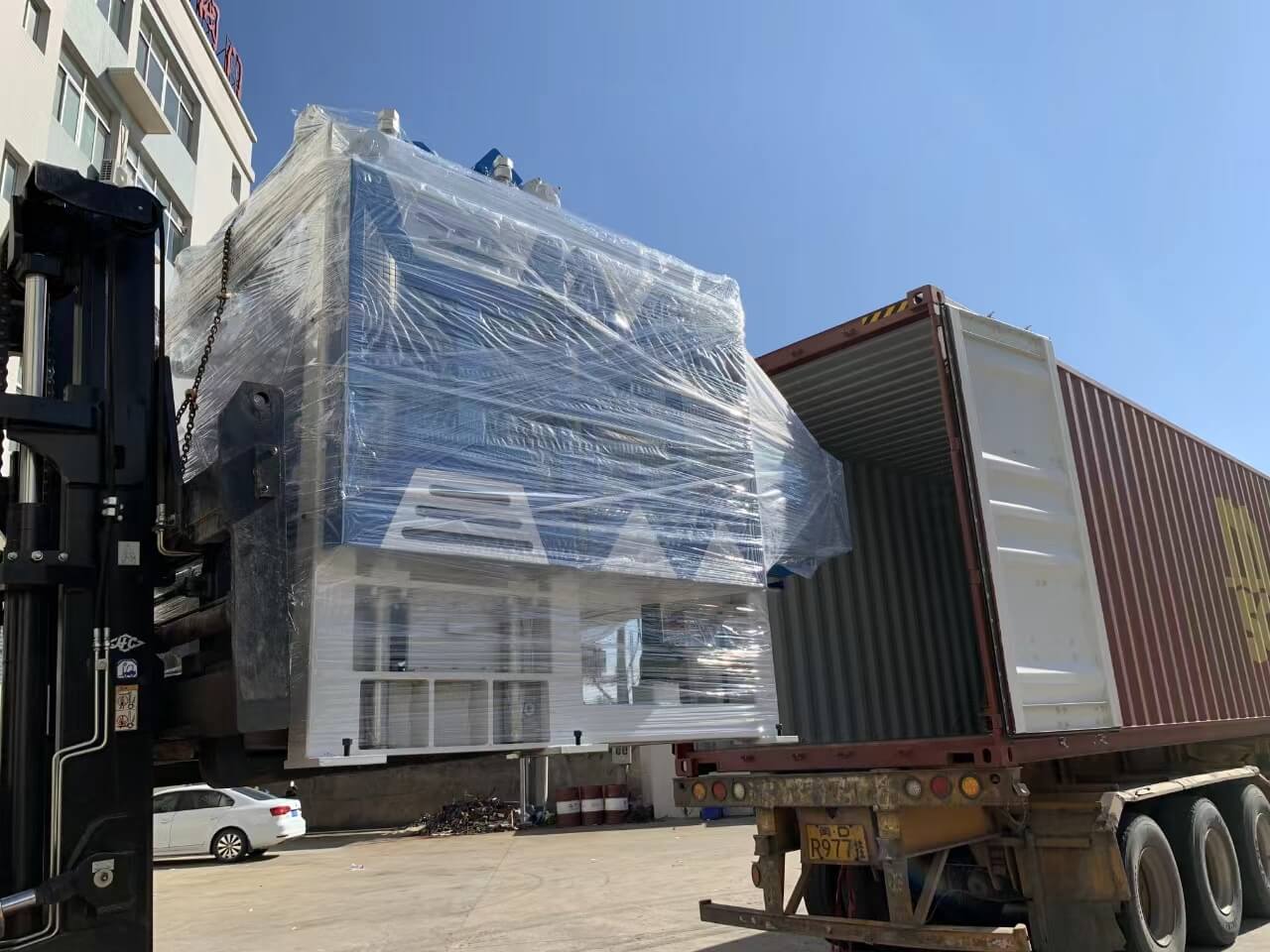
A multi-product line needs counting records that identify the product and mould layout used during each run.
Separate Rejected Pieces from Affected Pallets
A rejected-piece count records how many individual units received a final rejected disposition under the defined procedure. An affected-pallet count records how many pallets contained the condition being tracked. A pallet with one chipped unit and a pallet with several chipped units may each contribute one affected pallet, even though their rejected-piece counts differ. Preserve the distinction instead of describing both figures as rejected output.
Both measures can support useful reviews. Affected pallets can show how widely a problem occurs across the forming sequence or handling process. Rejected pieces can show the quantity removed from the specified product stream. If a defect repeatedly appears in one mould position, the pallet measure and the position record may be more informative for diagnosis than a total piece percentage alone.
Record the actual quantity formed when it differs from the intended mould layout. Trial production, incomplete forming, or an approved operating arrangement may not produce the normal number of complete units on every pallet. The factory should define how these cases are counted. Multiplying all recorded cycles by the nominal pieces per mould can give a misleading total if incomplete cycles are included without explanation.
Do not convert an affected pallet directly into a full pallet of rejected pieces unless the factory's actual disposition rejects the entire pallet. That decision may be justified in a particular case, but the record should state it. The inspection observation, number of affected units, and final disposition are separate pieces of information.
Use the Same Inspection Stage and Lot Boundary
Compare products at the same inspection stage. A green-product check after forming does not measure the same condition as an inspection after curing, cubing, or transport. A unit can leave the machine intact and be damaged later. If one product is checked immediately and another is checked only before dispatch, their reported rates have different opportunities to include handling damage.
Keep separate stage records when the factory needs to understand where damage appears. Identify forming observations, green transfer observations, post-curing inspections, and final release checks using the plant's actual process. Where the same unit moves through more than one stage, keep enough identity to avoid counting it as a new rejected unit at every observation. A later inspection can update its record without multiplying the final rejected quantity.
Define the product lot or production period used for each calculation. The denominator and rejected quantity must refer to the same group. Do not compare today's rejected pieces with yesterday's output merely because final inspection takes place after curing. Connect the inspection result to its source lot and state whether the report follows production date, inspection date, or dispatch date.
Treat incomplete inspection openly. If part of a lot remains on hold or has not yet been assessed, identify that quantity as pending. An interim rate based on inspected units can be useful, but it should be labelled as an inspected-cohort result rather than the final outcome for the whole production lot.
Choose a Denominator That Matches the Question
The denominator must match the purpose of the measure. For a final piece-rejection measure, use the relevant quantity of assessed pieces belonging to the defined lot and stage. For an affected-pallet measure, use the pallets assessed under the same conditions. For a sample-inspection measure, use the sampled units and state the sampling method. These results should not be placed in one column without their basis.
Piece reject rate (%) = rejected pieces / assessed pieces in the same defined cohort * 100.
Affected-pallet rate (%) = pallets with the tracked condition / pallets assessed in the same defined cohort * 100.
These expressions describe counting ratios; they do not define a product acceptance rule or a statistical sampling plan. The quality team should decide which result is suitable for each decision. A sample proportion, for example, should not automatically be presented as an exact full-lot rejection rate when the remaining products have not been inspected in the same way.
Record quantities consistently when units are held, recounted, transferred between lots, or inspected again. A correction should leave a visible reason and reference to the original entry. Avoid changing a denominator simply to match a desired percentage. If the factory changes its reporting method, identify the effective date and preserve the distinction when comparing older results.
Intentionally removed test specimens should have an identified treatment in the quality records. Products consumed by an approved destructive test are not automatically production rejects. Record why they left the normal product stream and apply the factory's defined accounting rule so routine testing is not mistaken for an increase in manufacturing defects.
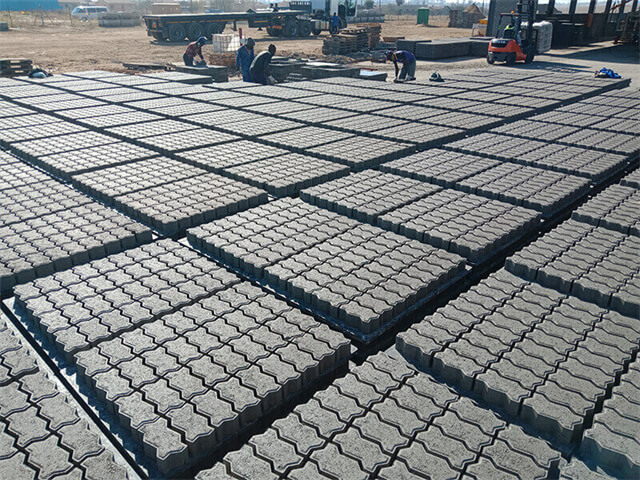
Inspection results should stay connected to the source lot when products move from forming into curing.
Keep Defect Severity and Disposition Separate
An observed condition and a final disposition are different. An operator may notice an edge chip, surface variation, incomplete filling, or a dimensional concern. The quality process determines whether the unit is accepted, held for assessment, rejected, or handled under another approved disposition. Do not count every observation as a final reject if the decision has not been made.
Use product-specific defect definitions while keeping the reporting structure consistent. A surface requirement for an appearance-sensitive paver may differ from the applicable requirement for another concrete product. Consistent reporting does not require identical acceptance criteria for every product. It requires clarity about the criteria used and the category assigned to the observation.
Define how multiple observations on one unit are recorded. The factory may track several defect categories for diagnostic purposes, but one rejected piece should contribute one piece to the final rejected quantity. If a unit has both a surface concern and a damaged edge, adding the category counts together can exceed the actual rejected-piece total. State whether a diagnostic table allows multiple observations.
Where products are redirected to another approved grade or purpose, retain the original product specification and final disposition in the record. Such products may no longer qualify as first-choice output for the original order, even if they are not discarded. Keep that distinction visible rather than using a broad accepted label that conceals the change.
Compare Hollow Blocks, Pavers, and Kerbstones Fairly
Compare each product against its own stable baseline before building a combined factory number. Product geometry, mould layout, appearance requirements, and handling arrangements can differ. A change in the share of products being manufactured can change the overall percentage even if each product's own rate stays similar. A combined result therefore needs a product breakdown to remain interpretable.
State whether a summary is weighted by piece quantity, product mass, production time, or another defined basis. Those measures answer different questions. Piece weighting can be appropriate for counting units, while it does not describe the same physical quantity across a small paver and a larger kerbstone. If management wants a material-loss measure, define the material basis separately instead of presenting it as the piece reject rate.
Do not simply average product percentages when the assessed quantities differ. Retain the numerator and denominator for every product and calculate the intended combined measure from those underlying quantities. The report should still show the separate product results so a mixed number does not hide a recurring problem in a smaller production run.
Include the relevant setup context when comparing runs. Product code, mould identity, recipe reference, inspection stage, and handling route help explain whether the comparison is like for like. Avoid attributing a difference to a machine model before reviewing those variables. A report can identify a trend without establishing its technical cause.
| Reporting measure | Consistent counting basis | Question it helps answer |
|---|
| Rejected pieces | Individual units with the defined rejected disposition. | How much assessed output failed the applicable product requirement? |
| Affected pallets | Pallets containing the tracked condition, counted once per defined event. | How widely does the condition occur across production pallets? |
| Sample observations | Units inspected under the identified sampling method. | What did the selected sample show, within that method's limitations? |
| Pending products | Units awaiting inspection or a final decision. | Which part of the production outcome remains unresolved? |
| Redirected output | Units assigned to a documented alternative disposition. | What quantity no longer belongs to the original specified product stream? |
Audit Counting Records Before Reviewing Machine Performance
Audit a small selection of actual lot records before relying on a new reporting format. Start with the physical product or package identifier, retrieve its production quantity, and follow the inspection and disposition entries. Check that partial pallets, held products, repeated observations, and test specimens have been treated according to the written rule.
A quality-reporting review should ask whether two supervisors would calculate the same result from the same records. If one includes all affected pallets and the other counts only rejected pieces, the definitions need clarification. Resolve that issue before using the report to compare shifts, establish improvement priorities, or discuss production performance with an equipment supplier.
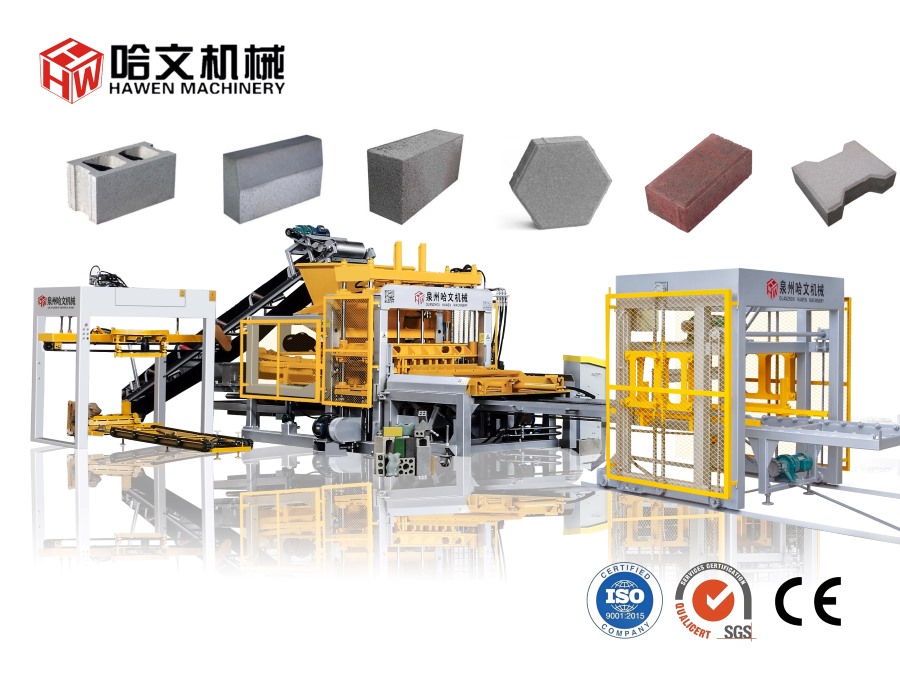
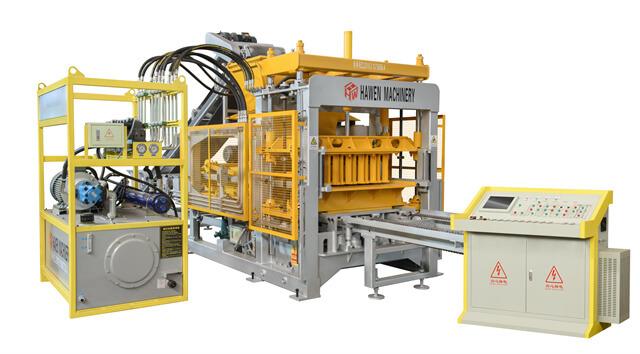
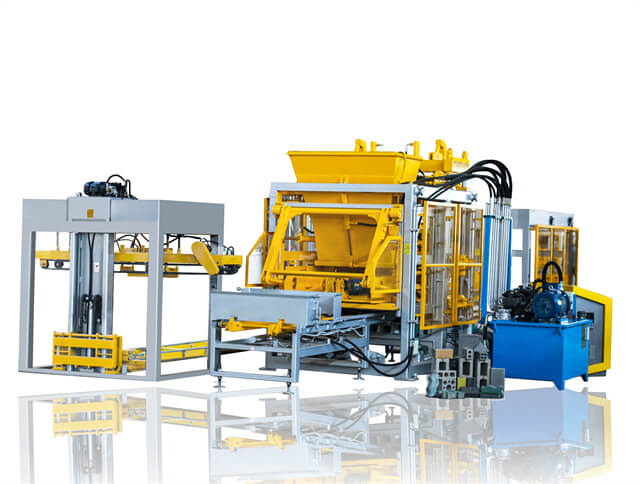
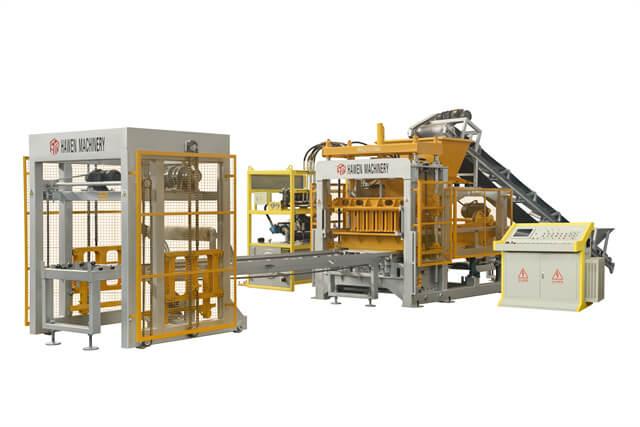
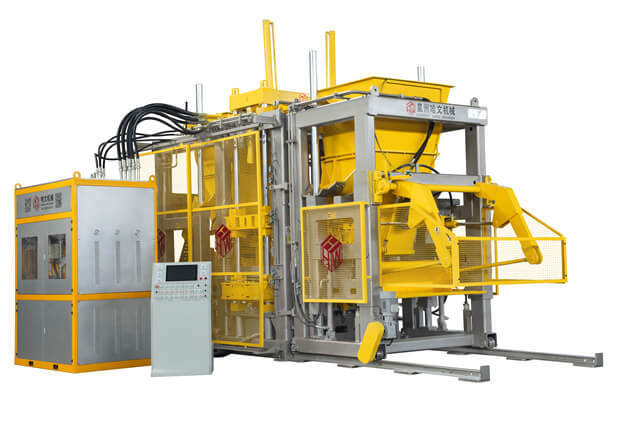
When comparing an automatic concrete block and paver production line, confirm what the supplied counters actually record. A cycle counter, a pallet count, and a verified accepted-piece quantity are not interchangeable. Ask how incomplete cycles and product changes are represented, and identify which inspection information still requires a separate factory record.
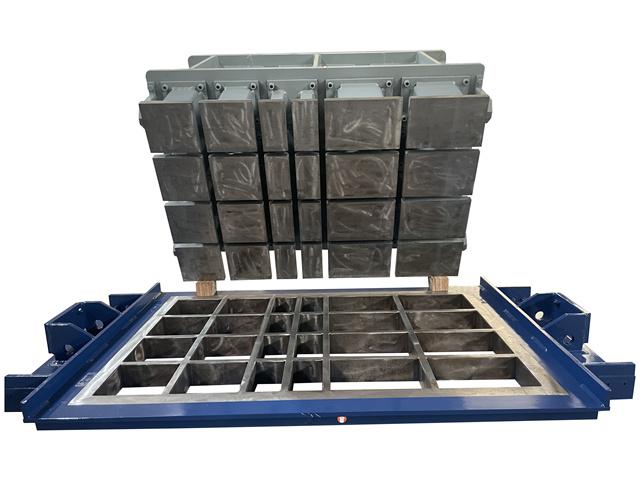
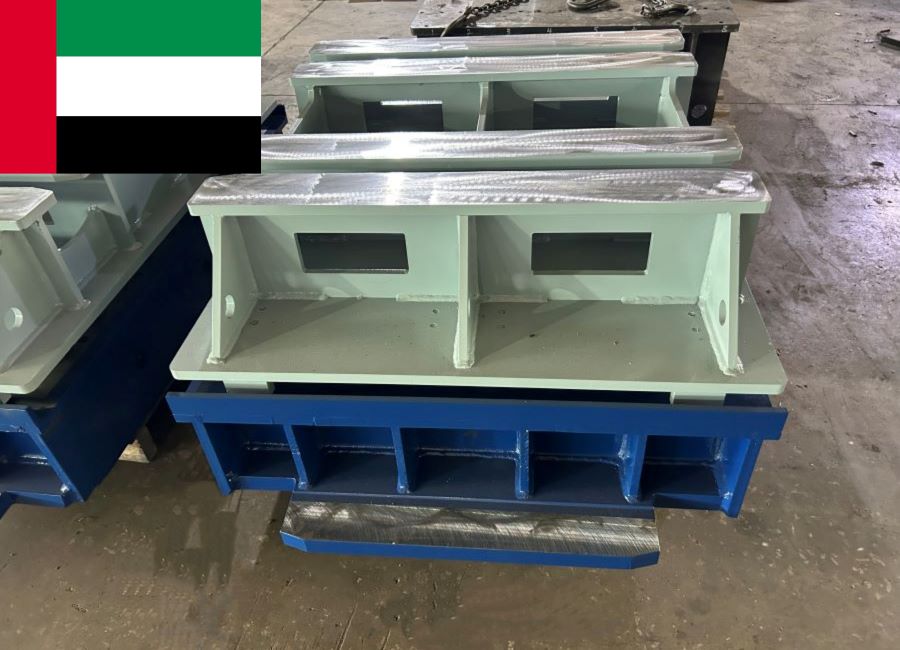
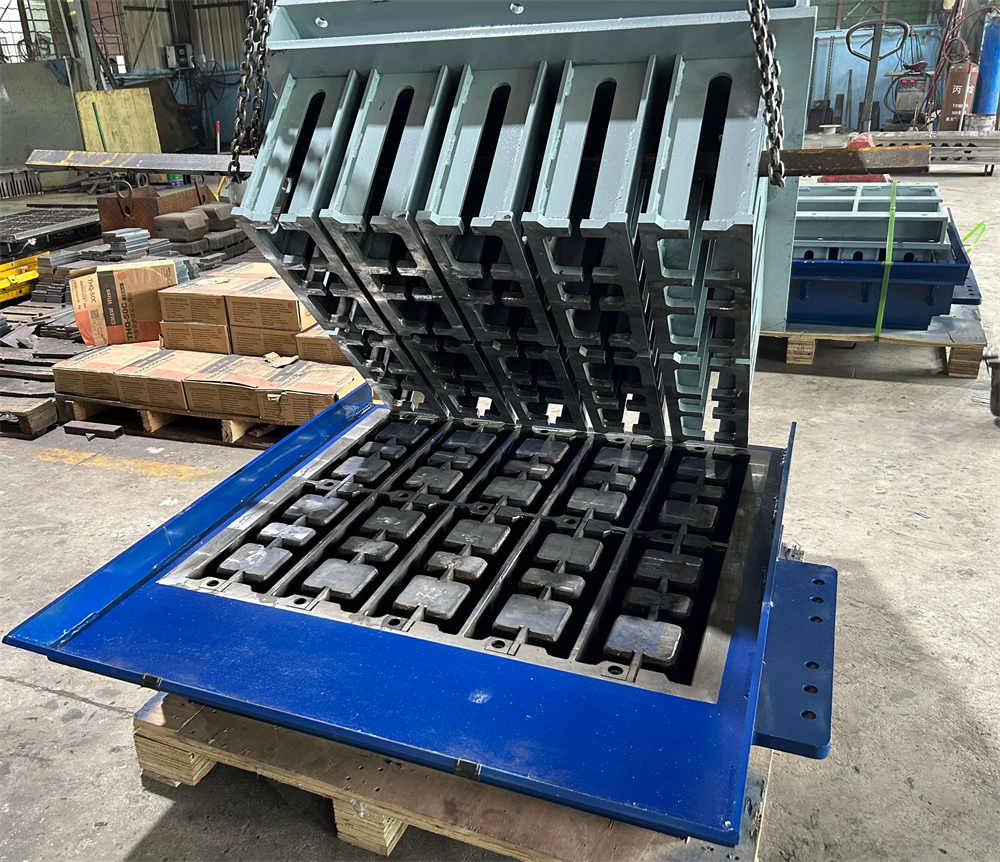
Different product tooling can produce different unit quantities per cycle; keep the actual product and mould reference in the counting record.
FAQ
Does one damaged block make the whole pallet a reject?
Not automatically. Record the affected pallet and the actual unit dispositions separately, following the factory's applicable quality procedure.
Can green-product and final-dispatch reject rates be compared directly?
They assess different stages. Identify the inspection boundary and compare like stages, or show the stage results separately.
Should held products be counted as rejected?
Keep them identified as pending until the defined disposition is decided. Label any interim measure clearly.
Can defect-category totals exceed the rejected-piece total?
Yes, if multiple observations are recorded on one unit. Explain that method and avoid treating the summed observation counts as a unique rejected-piece quantity.
Is a machine cycle counter enough to calculate the factory's reject rate?
No. Confirm what the counter measures and connect it with actual product quantities, inspection records, and final dispositions.
Conclusion
Reliable reject-rate comparison requires consistent piece and pallet counts, matched inspection stages, clear lot boundaries, and explicit treatment of held or redirected products. Keep defect observations separate from final disposition and retain the underlying quantities behind every percentage.
Before comparing products or evaluating equipment performance, test the reporting rule against actual lot records. Confirm that the result answers the intended question and that another trained reviewer can reproduce it. This gives production managers and buyers a clearer basis for investigating differences instead of reacting to a percentage whose counting method is uncertain.





 Tel: +86-13905968794
 Email: export@hwmachines.com
 MP/WhatsApp: +86-13905968794
 Manufacturer Address:Nanan,Quanzhou City,Fujian Province,China