A hot vibration bearing is a symptom, not an oil-level instruction
When a block machine vibration assembly runs hotter than usual, adding lubricant can feel like the quickest response. That response is only justified when the correct inspection shows that lubrication is insufficient and the equipment procedure calls for replenishment. Extra lubricant is not a general cooling treatment, and the wrong intervention can make diagnosis harder.
The important question is what has changed: operating duty, lubricant quantity, lubricant identity, drive condition, recent maintenance, or the measurement itself. A useful maintenance record connects the temperature observation with those conditions instead of simply recording that the housing felt hot.
This article provides a decision framework for maintenance teams and equipment buyers. It does not prescribe a lubricant grade, refill quantity, bearing clearance, or shutdown temperature. Those values belong to the specific vibration assembly and its manufacturer-approved service information.
Identify the vibration box, motor bearings, and separate lubrication points
A machine may have an enclosed eccentric-shaft assembly, separate vibrators, or another vibration arrangement. Some installations combine a servo drive with a mechanical box; others use a different force-generation layout. The motor description alone does not identify how every bearing is lubricated.
Start with the lubrication chart and component identification. Distinguish the vibration-box oil system from any separately greased bearing and from the machine's hydraulic reservoir. A nearby filling point does not establish that two components share the same oil, service interval, or fluid specification.
Mark each approved inspection and filling location in the service record. Where the drawing and installed equipment disagree, ask the supplier to resolve the discrepancy before adding anything. A generic instruction to lubricate the machine is not specific enough for maintaining a vibration system.
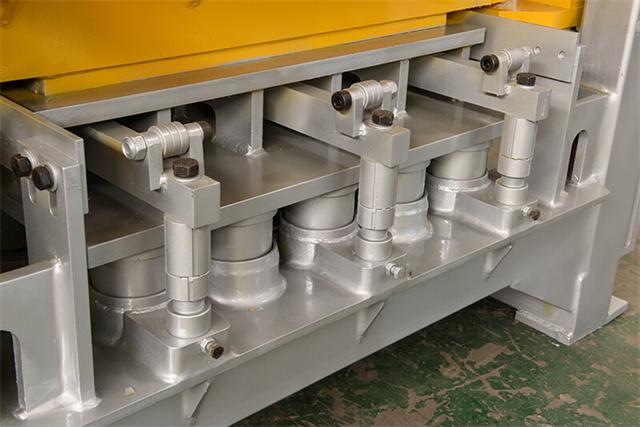
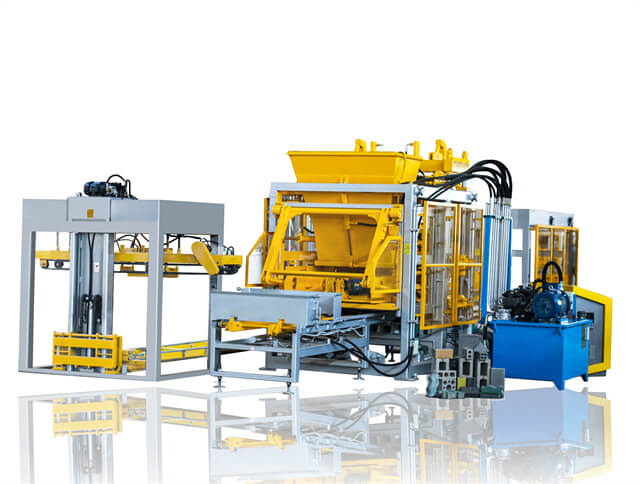
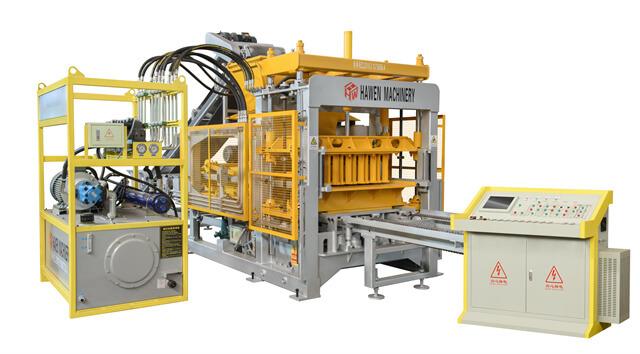
Identify the actual vibration assembly and its lubrication instructions before deciding whether oil or grease is required.
Why excess oil or grease can create additional heat
Lubrication helps separate moving surfaces, but the rotating parts also move through lubricant. Excessive oil immersion or too much grease can increase churning resistance and heat generation. The relationship is therefore not simply more lubricant equals lower temperature.
The correct quantity depends on the bearing arrangement, speed, housing, and lubrication method. An oil-bath arrangement and a circulating system must not be judged by the same improvised filling rule. Likewise, a grease point needs its specified replenishment method, not an arbitrary number of strokes from an unfamiliar gun.
After recent service, check the documented amount and method before assuming that a hot bearing needs another addition. Excess is one possible explanation, not a diagnosis based on temperature alone. Do not drain or vent a running assembly, and do not remove covers to watch the lubricant while components are moving.
Lubricant identity matters more than the colour of the oil
Confirm the exact approved product or specification from the service information. Container labels, purchase records, and the last maintenance entry are more useful than a visual guess. Fluids with a similar appearance are not necessarily interchangeable, and different lubrication points may have different requirements.
Keep transfer containers identified and reserved for their intended use. A container previously used for another fluid creates uncertainty even when it appears empty. Where mixed or unidentified lubricant is suspected, obtain a supplier-approved correction procedure instead of trying to dilute the uncertainty with another top-up.
Do not choose a thicker or thinner product solely to change the displayed temperature. Lubricant selection must protect the bearing under its operating conditions, not merely produce a lower surface reading. Record an approved substitution explicitly so that later maintenance does not unknowingly reverse it.
Compare temperature at the same location and operating condition
A temperature reading needs context. Record the measuring location, instrument, elapsed operating time, ambient condition, product, and vibration duty. A reading taken immediately after startup should not be compared directly with one taken late in a demanding production run.
Use the same accessible measurement point and the instrument's approved method. Surface readings can be affected by surface finish and measurement technique; they are not automatically the internal bearing temperature. Never reach past a guard or touch a hot housing to decide whether it is acceptable.
Ask the supplier for the installed system's warning and stop criteria and the action associated with each. A rapid abnormal rise, an alarm, or accompanying unusual noise deserves the response specified for that equipment. Do not continue production merely to complete a temperature chart when the stop criteria have been reached.
An oil-level check must follow the stated inspection condition
The level indication is meaningful only when read in the condition specified by the manufacturer. The instruction may define machine position, stopped condition, settling time, and other prerequisites. Confirm these details rather than treating a moving or foaming indication as a reliable filling target.
A low reading also calls for an explanation. Record leakage evidence and recent servicing so that repeated replenishment does not conceal a persistent loss. Clean surrounding areas using the approved method after isolation, then inspect without opening unnecessary contamination paths.
If the indication is unclear or the level device is damaged, stop improvising and arrange a proper inspection. Do not fill to the top of an opening as a substitute for a missing mark. Obtain the correct component information and restore the specified means of checking the level.
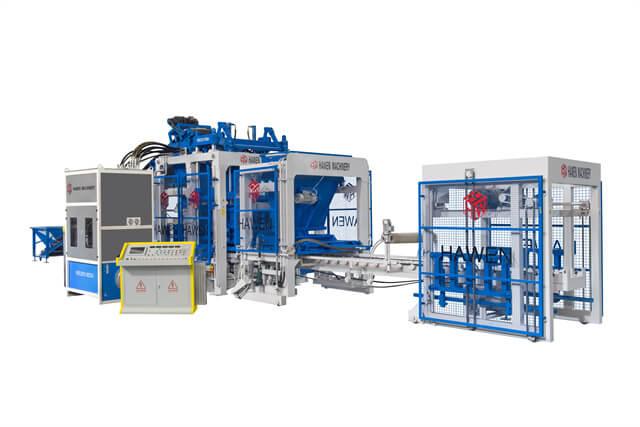
Maintenance planning should identify safe access to the vibration assembly within the complete machine layout.
Drive loading and recent repairs also belong in the investigation
Temperature may change for reasons other than lubricant quantity. Review recent belt, coupling, bearing, seal, or mounting work against the approved assembly instructions. A new component does not prove that installation conditions are correct, and adding oil cannot correct a mechanical assembly error.
Where the vibration unit uses a belt drive, have qualified personnel verify its condition and tension by the specified method. Where a coupling is fitted, review the applicable alignment requirements. Do not transfer adjustment values from another machine simply because the components look similar.
Compare production duty before and after the symptom appeared. A different product recipe or a changed vibration sequence can alter operating conditions. That comparison helps the technical team decide which measurements are relevant; it does not authorize operators to change eccentric weights, shaft timing, or protected drive parameters.
Use service history to select the next check
A short, accurate history is often more useful than repeated unrecorded adjustments. The following table organizes observations for a technical discussion. None of the entries identifies a cause without further inspection, and all work must follow isolation and access requirements.
| Observation | Record first | Next review |
|---|
| Temperature rises after lubricant service | Product identity, amount, method, and previous condition | Correct quantity and service procedure |
| Oil level falls repeatedly | Inspection condition and replenishment history | Leakage source and level indication |
| Temperature changes after drive repair | Replaced parts and assembly records | Drive setup and mechanical installation |
| One location becomes hotter than its usual trend | Consistent readings and operating duty | Location-specific inspection by qualified personnel |
| Noise or alarms accompany the rise | Alarm text and safe observations | Required shutdown response and supplier diagnosis |
Prepare a clean service task before opening the assembly
Concrete production is a dusty environment, so service preparation matters. Verify the lubricant and replacement parts, protect clean tools and openings, and plan how removed material will be contained. Do not open an assembly until the team has the information and materials needed to complete the task correctly.
Apply the machine's energy-isolation procedure, including relevant stored energy and mechanically secured components. Allow hot parts to reach a safe service condition. An emergency stop is not a replacement for the required isolation and verification process.
Keep the work record specific: component identity, lubricant product, quantity where applicable, reason for service, and technician. If contamination or damage is suspected, preserve samples or removed parts according to the supplier's instructions. A quick cleanup that discards all evidence can make a recurring fault harder to resolve.
Verify the result after service without changing several variables
After the assembly is closed and guards are restored, follow the authorized restart procedure. Confirm that the relevant checks and release steps have been completed before production resumes. Any test run must remain within the manufacturer's permitted conditions.
Repeat measurements using the established observation method and record the operating duty. Do not judge the correction from a single early reading or from a different product run without noting the difference. Check whether the original symptom, leakage, or alarm has changed, not only whether the housing seems cooler.
Avoid combining a lubricant change, a drive adjustment, and a recipe change unless the repair procedure requires them together. When several actions are necessary, document them separately. That record prevents the next maintenance team from interpreting an uncertain result as proof that one particular oil solved the problem.
Request a lubrication schedule with the block machine quotation
When comparing a block making machine with a vibration system, request the lubrication-point list and service access requirements alongside the production specification. Buyers need to know how routine maintenance will be performed in the proposed factory layout, not just whether the machine has a vibration box.
Ask for approved lubricant identification, inspection conditions, replenishment instructions, service intervals, and the process for approving locally available substitutes. Confirm which information is supplied with the machine and which component manuals remain necessary. This is particularly important when the plant will operate far from the supplier's service base.
Include spare-part identification and maintenance training in the handover discussion. The useful question is whether the local team can identify the correct component, recognize an abnormal condition, and contact support with adequate evidence. A claim of easy maintenance should be supported by accessible service points and clear instructions.

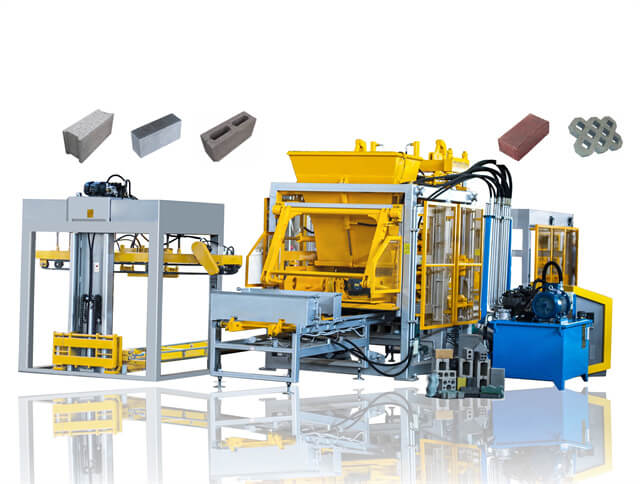
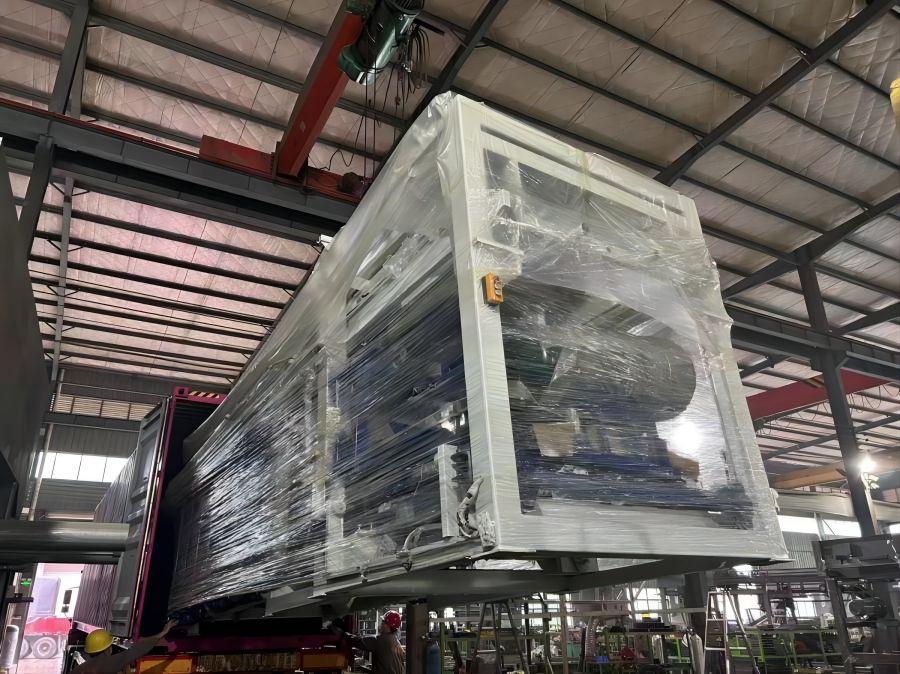
Ask for component-specific service information; a general equipment photograph cannot establish lubricant type or refill quantity.
FAQ
Should lubricant be added whenever a bearing feels hot? No. Use the specified measurement and inspection process. A temperature symptom does not establish a shortage, and excess lubricant can create additional resistance.
Can hydraulic oil be used in the vibration box? Only if the manufacturer explicitly approves that fluid for that assembly. The hydraulic reservoir and vibration lubrication arrangement must be identified separately.
Does servo vibration remove the need for lubrication maintenance? No general conclusion follows from the word servo. Identify the actual motor, bearing, and mechanical arrangement and follow the relevant service instructions.
What information should be sent to the supplier? Provide machine and assembly identification, consistent temperature records, operating duty, alarm details, lubricant identity, and recent maintenance history. Include photographs taken only from safe locations.
Conclusion
Reliable vibration-system maintenance starts with identifying the assembly and following its lubrication requirements. Investigate a temperature change with consistent measurements and a clear service history instead of automatically adding oil or grease. Buyers should obtain the lubrication schedule, component information, safe-access plan, and diagnostic support requirements before acceptance. These details turn a vague maintenance promise into a procedure the production team can actually use.







 Tel: +86-13905968794
 Email: export@hwmachines.com
 MP/WhatsApp: +86-13905968794
 Manufacturer Address:Nanan,Quanzhou City,Fujian Province,China