A concrete block machine can stand still for several different reasons. It may be waiting for mixed material, unable to transfer a filled pallet, interrupted by an equipment fault, or intentionally stopped for a product change. Recording every event as a machine breakdown hides those differences. The resulting report may direct maintenance work toward the forming machine even when the repeated constraint is upstream material supply or downstream handling.
Downtime codes give operators a consistent language for describing stops. They are not a substitute for diagnosis, and an alarm message does not always establish a root cause. Their value comes from separating observed operating conditions, retaining uncertainty where necessary, and connecting each event with the action that restored production. A short, understandable code list can be more useful than an elaborate system with inconsistent entries.
This article explains how a block factory can organize stop records across batching, mixing, forming, pallet transfer, and handling. The method is intended for production supervisors, maintenance coordinators, and buyers reviewing line integration. It does not prescribe universal equipment thresholds or promise a particular output improvement. Each plant should define its measurement boundaries and operating procedures before comparing its reports with another factory.
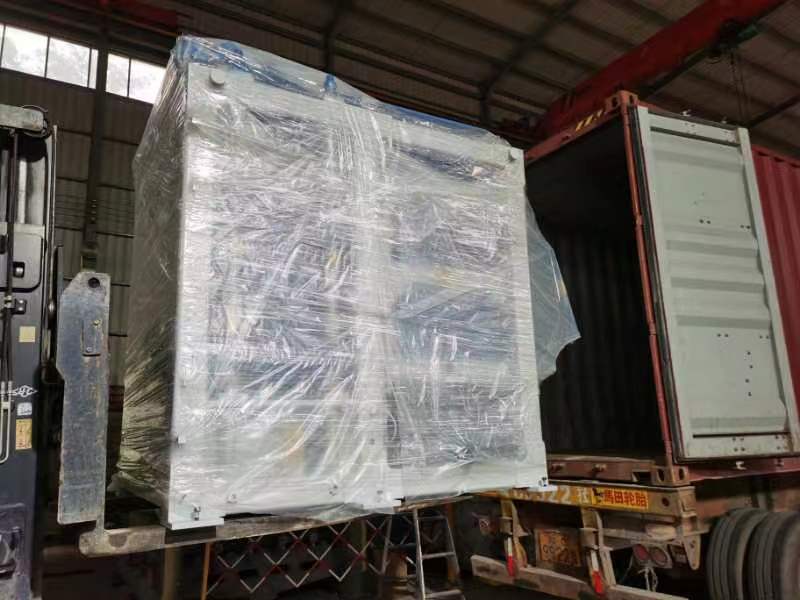
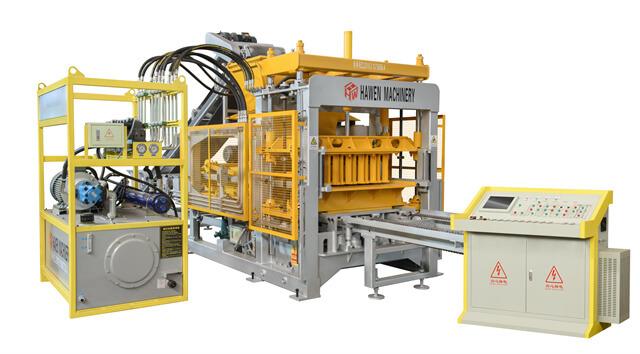
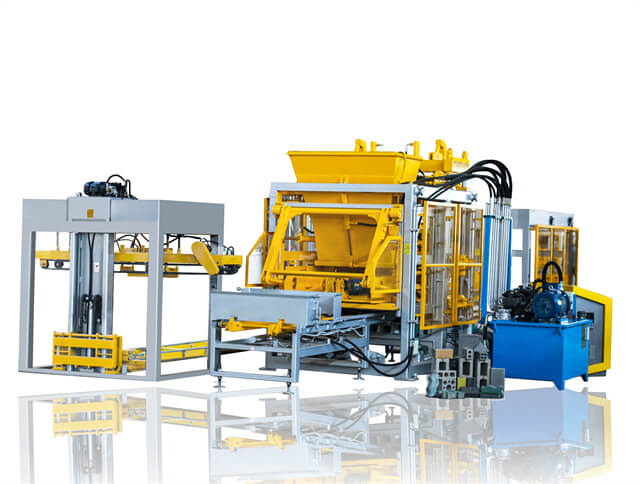
A line stop can originate in material preparation, forming, pallet circulation, or downstream handling; the visible stopped machine is not necessarily the source.
Set Clear Start and End Points for Line Stops
Define what counts as a recorded stop before creating the code list. A normal machine cycle contains movements and waiting periods that belong to the approved sequence. Those periods should not automatically be treated as downtime. The plant needs a clear rule for identifying an interruption to the intended production cycle and for deciding whether very short repeated interruptions are recorded individually or summarized under another method.
Choose consistent event boundaries. One practical approach is to start the record when the line can no longer continue the scheduled product sequence and end it when the required operation resumes under the plant's defined condition. The actual rule may differ by equipment arrangement. Write it down so the duration does not depend on whether an operator considers the first restart attempt or the first accepted product to be the end.
Keep planned activities identifiable. Mould changes, cleaning, approved maintenance, breaks, and scheduled inspections should not be mixed with unexpected equipment faults. A planned label does not mean that an event is unimportant. A planned changeover that regularly takes longer than expected still deserves review. Record the category and compare it with the applicable plan rather than removing it from all reports.
Separate Mixer Starvation from Pallet Blockage
Material starvation describes a condition in which the forming process cannot receive the material it needs at the expected point in the sequence. It does not identify the reason for the missing material. The cause may involve batching, mixer readiness, transfer equipment, an empty bin, or a coordination issue. Record the observed condition first, then add a more specific reason when the investigation supports it.
Check the sequence from upstream to downstream. Was the required batch prepared? Was the mixer available to discharge? Did the transfer conveyor deliver material? Was the forming machine ready to receive it? The useful information is the first stage unable to meet the next stage's requirement. A conveyor stopped because no material arrived is different from a conveyor that received material but could not move it.
Downstream blockage is the opposite flow condition: the forming stage is ready to continue but cannot release or transfer production because the next stage is unavailable. Depending on the line, this may involve a transfer conveyor, pallet stacker, handling arrangement, or an occupied receiving location. Keep it separate from a lack of empty pallets. Both can stop production, but the actions required to address them may be different.
Empty-pallet availability deserves its own clearly defined entry when it is a recurring constraint. Record whether the immediate problem was insufficient supply at the machine, a pallet-provider interruption, or a delay elsewhere in the circulation process. Do not assign the event to the pallet provider solely because that is where the operator first noticed the shortage. The provider may simply have run out of available pallets.
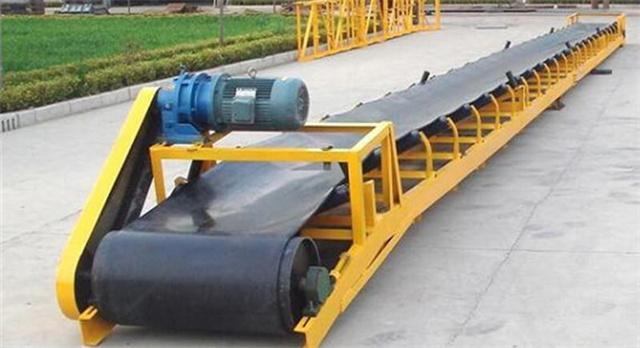
Conveyor observations should distinguish missing incoming material from a confirmed transfer-equipment problem.
Distinguish Confirmed Machine Faults from Symptoms
A confirmed equipment fault requires evidence beyond the fact that a machine stopped. Record the component or subsystem identified through the factory's maintenance process, and preserve the relevant alarm or work-order reference where available. Operators should report observations such as an interrupted movement, unusual noise, or a displayed alarm. They should not be expected to turn every observation into a technical diagnosis.
Separate the initial reason from the reviewed cause. An operator may select a provisional code when production stops and maintenance may later confirm another cause. Preserve both entries with the review history. Otherwise, the final report can hide how the event was first detected, and a corrected code may look like an unexplained alteration. The purpose is accurate understanding, not assigning responsibility to an individual.
Some alarms describe a consequence rather than the originating problem. A timed movement may fail to complete because of a mechanical obstruction, a sensor condition, an interrupted supply, or another issue identified during inspection. Record the displayed message accurately, but do not assume that its wording alone identifies the failed component. Follow the manufacturer's and site's procedures for diagnosis, isolation, and restart.
Provide an unknown or pending-review code. It is better to retain an unresolved event than to force it into a confident but unsupported fault category. Assign an owner for the review and decide which events require further investigation. Repeated unknown entries are useful evidence that the code list, training, or diagnostic process needs improvement.
Build a Short Downtime Code List Operators Can Use
Begin with a small set of operational categories and add detail only where it helps a decision. For example, material waiting, empty-pallet supply, downstream blockage, confirmed equipment fault, quality hold, planned changeover, and pending review may provide an understandable first level. The plant can then add equipment-specific subcodes for recurring issues. Avoid creating a separate code for every alarm before the team has established how those alarms relate to production events.
Write a short definition for each code and identify where its boundary ends. A material-waiting code should explain whether it includes a batching interruption or whether that issue has a separate subcode. A quality-hold code should state that production was stopped for investigation or a release decision, without presenting the hold itself as the root cause. These definitions prevent different shifts from using the same label for unrelated situations.
Use the same definitions across shifts and review sample entries with the operators. Ask staff to classify an actual recorded stop and explain why they chose the code. Differences in the explanations reveal ambiguous wording. Resolve those differences before relying on a report to compare shifts or equipment. A dashboard can display precise-looking numbers even when the underlying classifications are inconsistent.
| Suggested category | Observed condition | Evidence to retain |
|---|
| Material waiting | The forming sequence requires material that has not arrived. | Batch readiness, mixer status, and transfer-stage observations. |
| Empty-pallet supply | The machine cannot receive a suitable empty pallet. | Supply location, provider status, and circulation constraints. |
| Downstream blockage | Production cannot transfer into the next handling stage. | Receiving-stage availability and the reason the route is occupied. |
| Confirmed equipment fault | Inspection identifies an equipment condition requiring correction. | Component identity, alarm reference, maintenance findings, and recovery action. |
| Quality hold or planned activity | Production is intentionally interrupted under an identified procedure. | Hold decision or plan reference, scope, and release or completion condition. |
| Pending review | The observed stop is recorded but its cause remains unresolved. | Initial observations, assigned reviewer, and subsequent findings. |
Record Product, Mould, and Recovery Conditions
Attach enough production context to make the event comparable. Useful fields include date, start and end time, line identity, product, installed mould, active recipe reference, initial code, reviewed code, and recovery action. The record can reference another form or work order instead of repeating all its contents. Keep the identifiers consistent so production and maintenance staff can retrieve the same event.
Record what actually restored operation. Replenishing material, clearing a receiving location, replacing a component, correcting a setup under an approved procedure, and restarting without a confirmed cause are different outcomes. A restart alone does not establish that the cause has been removed. If the event returns shortly afterward, link the recurrence according to the plant's reporting rule rather than treating each attempt as an unrelated success.
Do not use event counting to justify unsafe intervention. Operators must follow the manufacturer's instructions and the factory's isolation and restart procedures. The time recorded in a report should never create pressure to bypass protective equipment or release held products prematurely. The code system describes production history; it does not authorize maintenance work or override operating procedures.
Turn Stop Records into Maintenance and Layout Decisions
Review duration, frequency, and production context together. A small number of long events can require a different response from many short interruptions. Compare similar products and operating arrangements where possible, and state how planned activities and unresolved events are included. Do not present a line-wide waiting problem as forming-machine reliability simply because the forming machine supplies the easiest counter to read.
A maintenance-review observation is to check the relationship between the stop location and the corrective action. If records repeatedly show the forming machine waiting but recovery requires replenishing a material bin, the review should involve material supply and coordination. If downstream locations are repeatedly occupied, investigate handling flow and the receiving arrangement. The evidence should guide the responsible team rather than an equipment label chosen at the moment of interruption.
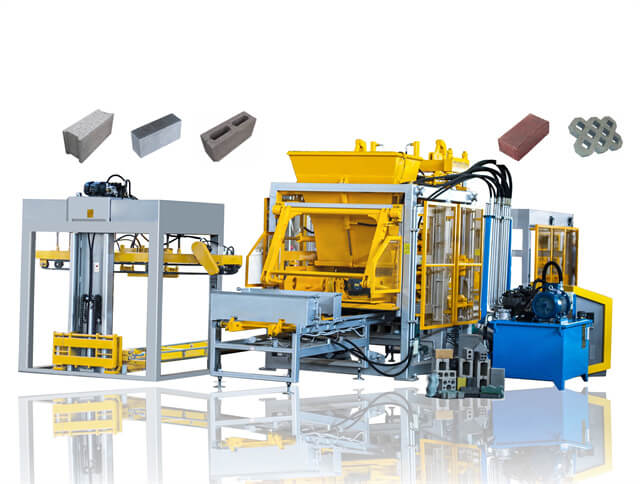
When comparing an automatic concrete block and paver production line, buyers should ask which status signals and event records are available on the quoted configuration. Confirm whether the system records machine alarms, line waiting conditions, or both. Agree how manually entered reasons are added and reviewed. A control display should not be described as a complete downtime-analysis system unless its actual functions support that description.
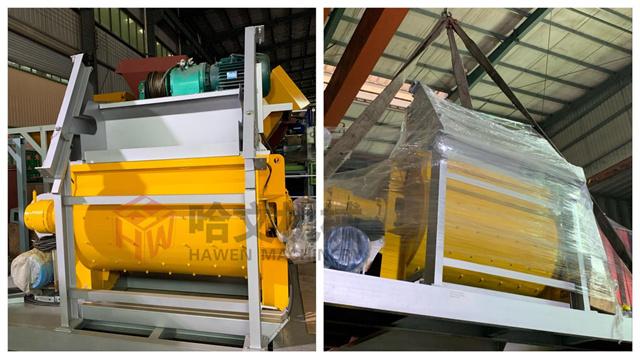
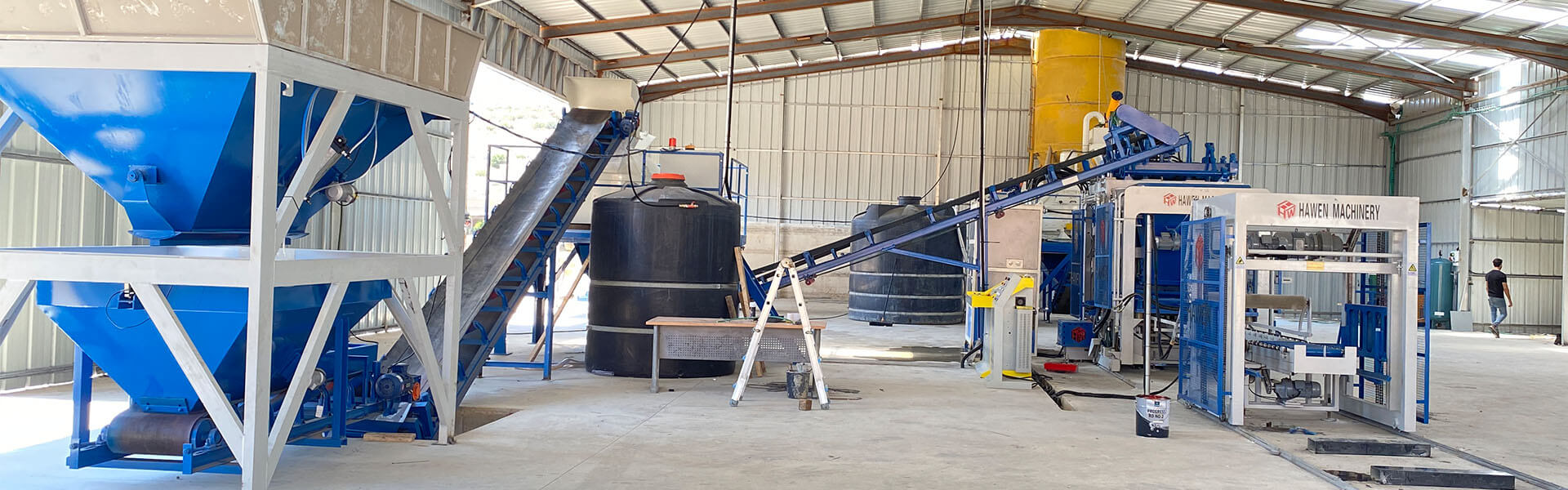
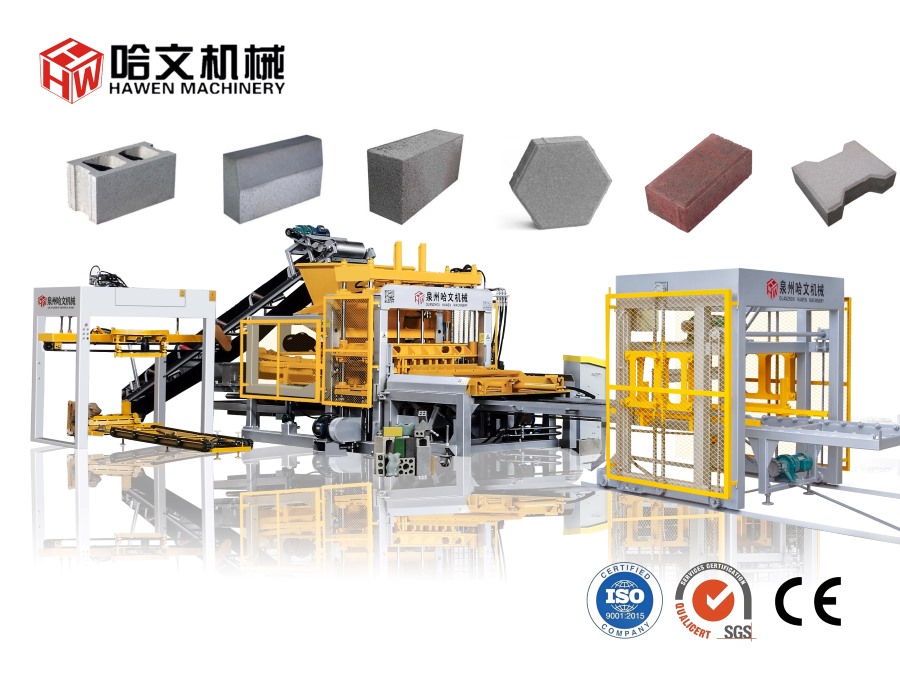
Reviewing the complete line helps identify whether a repeated stop belongs to material preparation, forming, or product handling.
FAQ
Is every block machine alarm a breakdown code?
No. Record the alarm as observed evidence, then classify the event using the applicable procedure and confirmed findings. An alarm can describe a consequence of a condition elsewhere.
Should planned mould changes appear in the report?
Yes, as an identifiable planned category when they fall within the chosen reporting scope. Compare them with the plan rather than mixing them with unexpected faults.
What if the operator cannot identify the cause?
Use a provisional or pending-review code, retain the observations, and assign the appropriate reviewer. Avoid forcing uncertainty into an unsupported diagnosis.
Can one event receive more than one reason?
It can have an initial reason, a reviewed cause, and contributing conditions. Define which entry is used for the main duration report so the same time is not counted twice.
Conclusion
Useful downtime codes separate material starvation, pallet supply, downstream blockage, confirmed equipment faults, planned activities, and unresolved events. Define start and end boundaries, preserve initial observations, and connect each stop with its reviewed cause and recovery action. Keep the list understandable enough for consistent use across shifts.
Before accepting a new reporting arrangement, trace several actual events from the operator's entry to the maintenance or production decision. Confirm that the records distinguish where the line stopped from why it stopped. That check gives a plant manager or buyer a practical basis for improving line coordination and specifying useful monitoring functions.






 Tel: +86-13905968794
 Email: export@hwmachines.com
 MP/WhatsApp: +86-13905968794
 Manufacturer Address:Nanan,Quanzhou City,Fujian Province,China