A color name or finish photograph is not a reliable production acceptance standard. Concrete masonry uses cement, aggregates, pigments, and surface treatments whose appearance varies within the approved product range. A representative sample gives the designer, producer, and installer a shared reference before a large order is made. This guide explains how to define and preserve that visual baseline.
CMHA's architectural guidance notes that exposed-unit color and texture should be approved using representative samples, and a field sample panel can establish the expected workmanship and appearance. The approved standard should show the permitted range rather than promise identical units. For the manufacturer, the sample becomes a controlled reference linked to mix, pigment, mold finish, curing, and production records.
The approved appearance should be translated into a repeatable production reference.
1. Define what the project wants to see
Separate visual expectations from structural and dimensional requirements. Specify color family, texture, exposed faces, unit size, scores or flutes, and any finish or coating. Identify the viewing conditions and the locations where units will remain exposed. A broad term such as charcoal, split-face, or smooth may be interpreted differently by designers, suppliers, and masons. Use product descriptions as a starting point, then document the intended range with physical samples and drawings.
Clarify whether the project accepts natural variation in aggregate, pigment, and curing appearance. Concrete masonry units are made from natural and manufactured materials, so exact visual identity from unit to unit should not be assumed. CMHA references ASTM C90's use of an approved sample of at least four units to represent permitted color and texture range. Confirm the current contract documents and applicable standard edition before applying a sample size or acceptance rule to a project.
2. Build a sample that represents the real product
Choose samples from normal production materials and the intended mold, face mix, and curing process. A hand-finished display piece may look attractive but fail to represent what the line can repeatedly produce. Include the actual unit shapes, colors, textures, and accessory units that appear in the order. Label each sample with product code, mix or pigment reference, mold identity, and date so later comparison has a traceable basis.
For an on-site sample panel, include the masonry units, mortar color, joint profile, bond pattern, cleaning method, and any planned coating or sealant. The panel should show a realistic section of the finished work and remain available as the agreed benchmark if the contract allows. CMHA's TEK 05-16 recommends using sample panels to communicate the minimum aesthetic standard and expected workmanship. A loose unit sample alone cannot demonstrate joint color, tooling, or the overall wall effect.
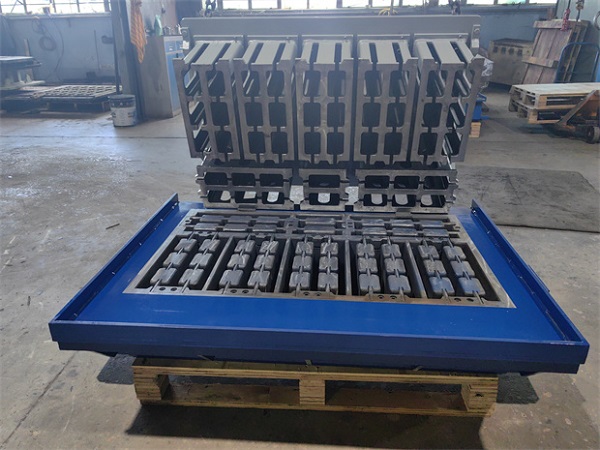
Mold face and aggregate exposure contribute to the finished unit's texture.
3. Set fair viewing and acceptance conditions
Inspect samples at a distance and under lighting conditions similar to those intended for evaluation. Avoid judging only from close range, direct glare, a phone image, or mixed lighting that shifts perceived color. CMHA guidance describes viewing finished work from a defined distance under diffused lighting when assessing objectionable imperfections; the contract specification should define the controlling procedure. Record who approves the sample and whether approval covers color, texture, workmanship, cleaning, and coatings.
The acceptance reference should represent the permitted variation, not just the most uniform or visually ideal unit. Keep several units together so the reviewer sees the range. If a project has distinct facade zones, approve separate references where materials or exposure differ. Photograph the approved sample for records, but retain the physical baseline where possible because screens and printers cannot reproduce concrete color accurately. Mark the approved panel clearly to prevent accidental cleaning or alteration before comparison is complete.
4. Translate the approved sample into production controls
Once approved, connect the visual sample to measurable production references. Record cement and aggregate sources, pigment product and dosage basis, batch sequence, moisture condition, mold face, compaction settings, curing approach, and any surface treatment. Do not change several variables at once if a trial differs from the reference. Compare the same faces under the same viewing conditions, and document the batch or lot for each reviewed specimen.
A color shift may arise from raw-material variation, pigment dispersion, water content, aggregate grading, mold buildup, curing, or surface treatment. Diagnose by comparing the production record and actual material lots rather than immediately increasing pigment. If the design includes face mix or multiple colors, maintain separate batch identification and verify the transition between layers. A stable process recipe is useful only when the incoming materials and acceptance reference are also controlled.
A controlled trial lot helps compare approved samples with production output.
5. Manage mold condition and face texture
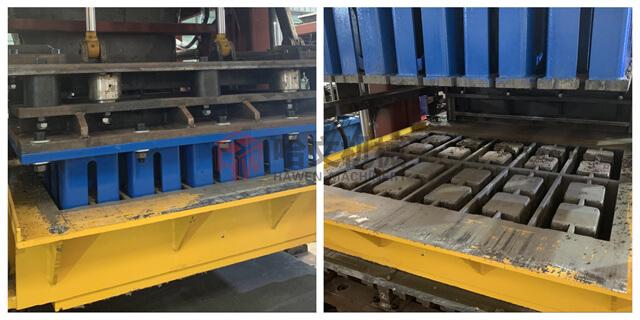
Mold condition influences edge definition, face relief, and the repeatability of scores or textures. Inspect cavity surfaces for wear, residue, damage, and uneven buildup before a visual trial. Clean using a method compatible with the tooling and avoid creating polished or scratched areas that were not part of the approved finish. If a textured liner or special face is used, record its identification and service condition alongside the mold number.
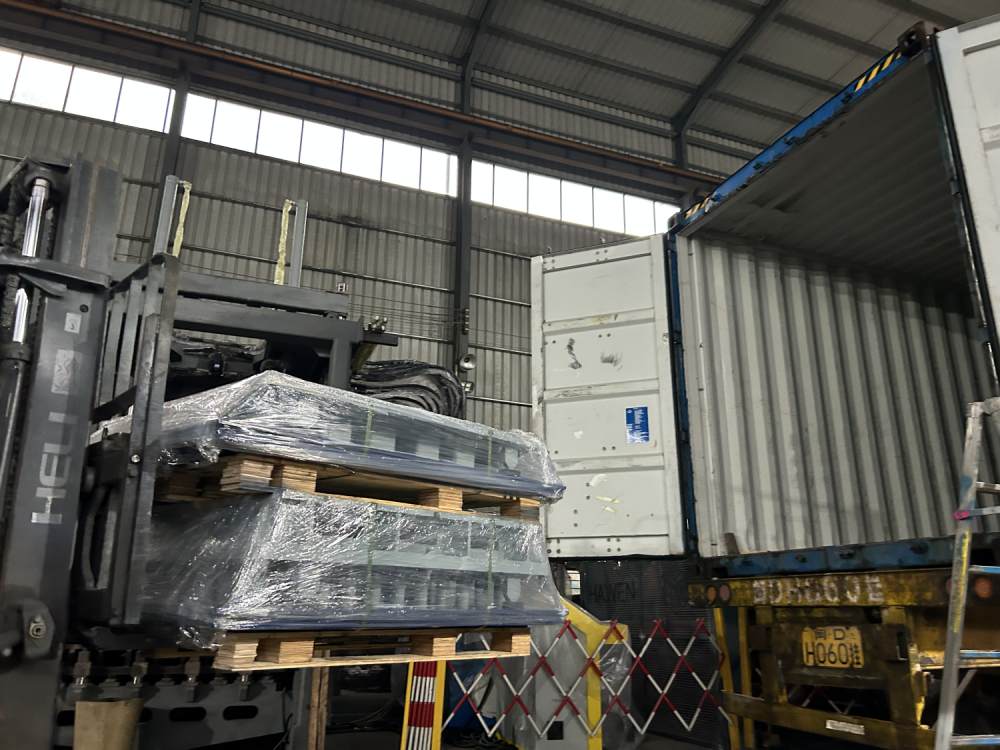
Hawen Machinery can review a concrete block mold, hollow block tooling, and mold options against the product drawing and desired surface. Hawen designs molds compatible with established machines such as Masa, Hess, Zenith, Poyatos, Besser, Tiger, Columbia, Quadra, and Omag. Heat-treated molds improve wear resistance, with hardness tested at HRC 59-61. These tooling details support repeatability but do not replace sample approval under the project requirements.
6. Compare production output with the approved panel
At the start of production, inspect a controlled group of units before releasing the full run. Compare color, texture, face orientation, edge quality, and accessory shapes with the signed reference. Include units from different mold cavities and more than one batch where the order requires a wide production range. If output falls outside the agreed range, segregate the lot, record the conditions, and investigate before mixing it into approved material.
During delivery, protect units from dirt, water staining, and abrasion that can obscure their original appearance. Keep lot identification with each shipment and advise the installer on storage and sequencing. On-site, blend units from several packages as specified by the design to distribute normal variation across the wall. The sample panel provides a comparison for the completed work, while production records help the manufacturer determine whether a concern began at the plant, during transport, or after installation.
7. Match Hawen Machinery equipment to the approved finish
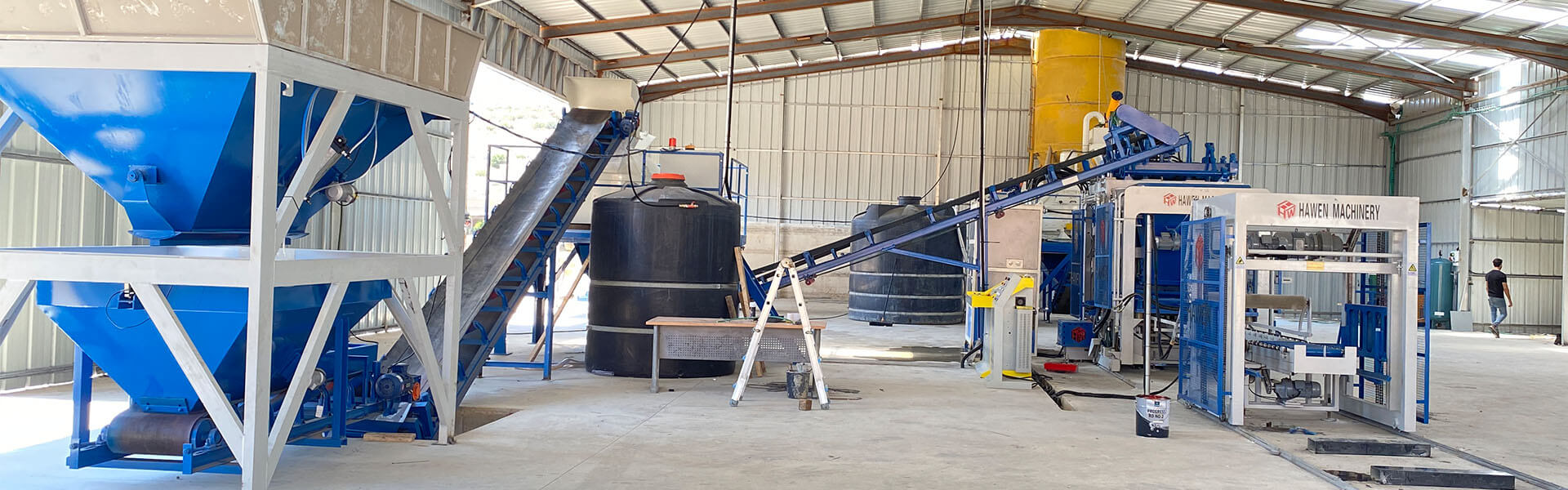
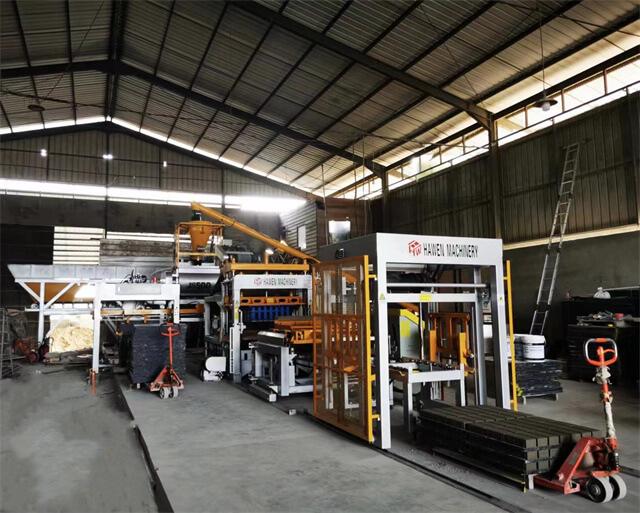
Hawen Machinery can evaluate a QT15 automatic block machine, QT12 production line, or QT8 brick making machine around the released product, mold, face finish, and production plan. Review the batching system and concrete mixer alongside the pigment and aggregate process. A SIEMENS S7-200 PLC, touch panel, and remote monitoring help operators observe process status and maintain recorded settings between approved production lots.
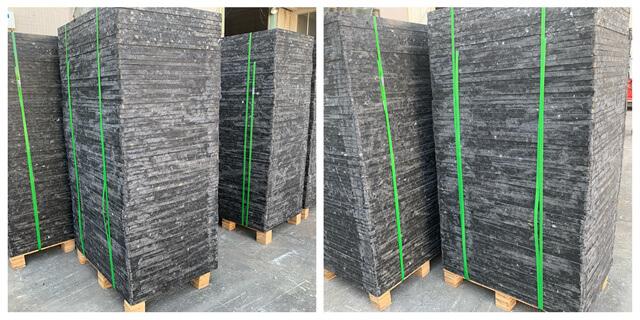
For a complete proposal, consider QT10 block equipment, production pallets, pallet supply, offline palletizing, and the block machine catalog. The final choice should reflect color changeovers, cleaning access, sample approval timing, curing, packaging, and the expected order mix. Hawen can support equipment and tooling planning; the architect or owner defines acceptable appearance and approves the project sample.
Action checklist
Write down the required color, texture, exposed faces, unit shapes, mortar, and surface treatments.
Build a representative sample with normal production materials, mold, and curing conditions.
Approve the permitted visual range and workmanship under documented viewing conditions.
Tie the approved sample to traceable batch, pigment, aggregate, mold, and curing records.
Compare first-off and delivered units with the physical reference before mixing lots on site.
Retain approval responsibility with the designer or owner and production control with the manufacturer.
A project avoids costly appearance disputes when everyone approves the same real-world reference before production scales up. Define the range, build the sample with the intended process, and preserve its identity through manufacture, delivery, and installation. That shared standard gives design intent a practical form and lets every finished wall reflect a deliberate choice rather than a last-minute argument over color.
FAQ
How many concrete masonry units should be in a color sample? CMHA guidance references ASTM C90's sample of at least four units to represent permitted color and texture. Confirm the current project specification and standard edition.
Can a photograph replace an approved physical sample? A photograph is useful for records but cannot reliably reproduce concrete color or texture across screens and lighting conditions.
Should mortar be included in the sample panel? Yes, when the finished wall appearance depends on joint color, bond pattern, tooling, cleaning, or coatings.
Why can units from one order vary in color? Raw materials, pigment dispersion, moisture, compaction, mold condition, and curing can all influence appearance within the accepted range.
What should be recorded after sample approval? Record product and mold identification, materials, pigment reference, sample date, viewing conditions, approver, and any agreed limits.
Should every delivered pallet be checked before installation? Use the contract inspection plan. Early lot checks and traceability help identify visible deviations before units are blended into the wall.
Who approves the aesthetic standard? The owner or design professional approves the project appearance; the manufacturer controls production to the approved specification.










 Tel: +86-13905968794
 Email: export@hwmachines.com
 MP/WhatsApp: +86-13905968794
 Manufacturer Address:Nanan,Quanzhou City,Fujian Province,China