How Pigment Dosing Accuracy Affects Color Consistency in Concrete Pavers
Colored concrete pavers are judged before they are tested. A customer first sees the surface tone, uniformity and texture, so even a strong and dimensionally accurate paver can be rejected when neighboring pieces look visibly different. Pigment is often blamed immediately, but finished color is produced by the complete process: pigment dosage, cement color, fine aggregate, water, mixing, face-layer distribution, compaction and curing all contribute.
This article focuses on pigment dosing accuracy while explaining the related variables that a block plant must control. The goal is not to prescribe one universal pigment percentage. Pigment manufacturers define suitable dosage ranges for their products, and local testing must confirm performance. The practical objective is to make every batch reproduce the approved reference paver as closely as possible.
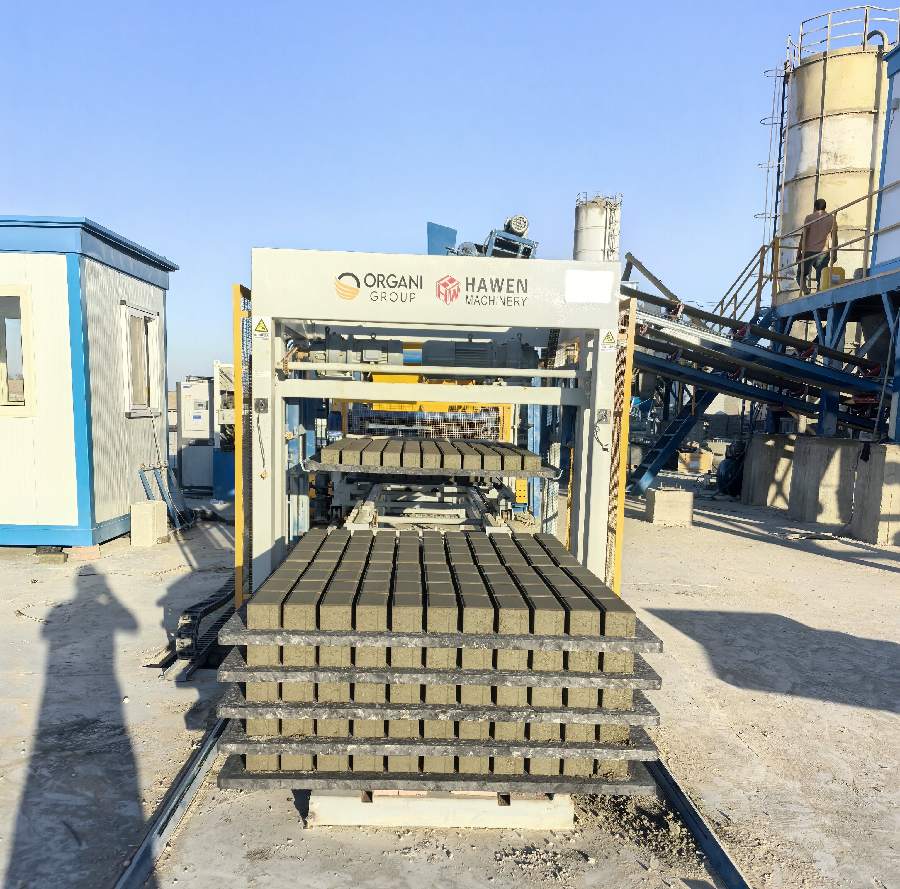
Paver Color Is a Complete Process Result
In a two-layer paver, the base concrete provides most of the thickness and structural capacity, while a thinner face mix creates the visible surface. The face mix generally contains fine aggregate, cement, water and pigment. Because the layer is thin and highly visible, small changes that might be unnoticed in ordinary gray block production can produce a clear color difference.
Color should be evaluated as a system output. If the pigment mass is correct but the face mix contains more water, the fresh surface may look darker and its cured appearance can change. If the pigment is evenly mixed but one side of the mould receives a thinner face layer, the base material may influence the visible tone. If identical pavers dry at different rates in the curing area, they may temporarily or permanently appear different.
A modern block making machine repeats forming settings accurately, but it cannot correct an unstable face-mix recipe. Therefore color control begins before material reaches the mould. The plant should define raw-material specifications, weighing tolerances, mixing steps, face-layer targets and curing conditions as one controlled process.
Why Pigment Dosing Accuracy Matters
Pigment dosage is usually related to the mass of cementitious binder rather than the total wet concrete mass. This distinction is important. If an operator calculates pigment as a percentage of all materials, changes in aggregate quantity can distort the intended color concentration. The pigment supplier's technical data should define the correct calculation basis, permitted dosage and any special handling requirements.
Suppose a face-mix recipe uses a fixed mass of cement and a pigment target based on that cement mass. An error that appears small on a large aggregate scale may be significant relative to the pigment quantity. For this reason, pigment should have a dedicated weighing device or a scale with suitable resolution and repeatability. A general-purpose scale sized for hundreds of kilograms may not reliably measure a pigment dose of only a few kilograms.
Accuracy includes more than the displayed number. The system must deliver all weighed pigment into the mixer. Material can remain in a hopper corner, adhere to a damp chute or disperse into the air during transfer. Vibrators, flexible connections and enclosed transfer arrangements may help, depending on pigment form and equipment design. After discharge, inspect whether residue remains and whether the next batch can receive unintended carryover.
Manual dosing can work in a small plant if the procedure is disciplined. Use a verified scale, clearly identified containers and one batch ticket for every mix. Pre-weighed sealed portions reduce operator variation and contamination. Never estimate by scoop volume because pigment bulk density changes with compaction and handling. Different colors should have separate or thoroughly cleaned tools.
Automatic dosing is useful when production volume, color variety or traceability increases. It should record the target and actual weight, prevent discharge outside the permitted tolerance and identify the pigment recipe selected. Automation still requires calibration and cleaning. A controller can repeat an incorrect scale reading just as consistently as a correct one.
Mixing Sequence and Pigment Dispersion
Correct weight does not guarantee uniform color unless the pigment is dispersed throughout the face mix. Concentrated pigment pockets produce dark marks, streaks or batch-to-batch variation. The mixer type, fill level, blade condition, sequence and mixing time all influence dispersion. A planetary concrete mixer is commonly used for face mix because its movement covers the mixing pan efficiently, but it must still be operated within its designed capacity.
The plant should establish a repeatable charging sequence through trials and pigment-supplier guidance. A typical process may first distribute dry aggregate and cement, introduce pigment so that it spreads through the dry components, and then add controlled water. Other pigment forms may require a different method. Liquid pigment systems, granules and powders should not be assumed to behave identically.
Dry mixing for too short a time leaves pigment concentrated in parts of the batch. Excessive mixing can reduce output and may change moisture through evaporation or material buildup without improving dispersion. Wet mixing time should also remain stable. Record both times in the PLC recipe or operator sheet, and start timing from a clearly defined point in the charging cycle.
Mixer cleanliness is especially important during color changes. Residual red mix can noticeably contaminate a light gray or yellow batch. Plan the production sequence from lighter to darker colors where practical, and define a cleaning or transition-batch procedure. Inspect discharge gates, corners and blades, not only the visible center of the mixer.
Blade wear can create dead zones and lengthen the time needed for uniform mixing. Monitor blade-to-liner clearances and replace worn components according to the mixer manufacturer's limits. If streaking gradually worsens despite stable weights, inspect mechanical mixing condition before increasing pigment dosage.

Moisture, Cement and Aggregate Effects
Water changes the way a colored surface compacts and reflects light. A wetter face mix may close differently under vibration and can appear darker when fresh. Uneven moisture can create cloudy areas or pigment migration. A very dry mix may leave open pores that scatter light and make the surface appear pale or dusty. Keep effective water stable by measuring aggregate moisture and correcting the added water.
Fine aggregate contributes its own color. A new sand source, a change in fines content or contamination with darker material can shift the paver tone even when pigment dosage is unchanged. Establish an approved aggregate range and keep colored face-mix materials protected from uncontrolled mixing with base-layer aggregates.
Cement color varies between types, suppliers and production batches. White cement and gray cement produce very different results from the same pigment. Even within one general cement category, a noticeable shade change can occur. When appearance is critical, qualify the cement source and record delivery batch information. Test a new source before using it in a large customer order.
Supplementary cementitious materials and admixtures can also affect shade, hydration and efflorescence. Any recipe change should be evaluated on cured trial pavers under the intended production conditions. Comparing fresh mixes is insufficient because the final visible color develops as the product hydrates and dries.
Face Layer Feeding and Thickness
A uniform pigment batch can still produce a striped pallet if face-mix distribution is uneven. The face-mix device should deliver a consistent quantity across the complete mould. Check feeder travel, agitator action, material level and filling time. Buildup in one section or an uneven gate opening can cause local shortages.
Face-layer thickness must be sufficient and repeatable. If it becomes too thin, base concrete can influence the visible color, particularly after wear in service. If thickness varies across the pallet, individual pavers can show different shades despite receiving the same mixed material. Cut or break sample pavers from several mould positions and compare the layer, using a defined measurement method.
Moisture and timing affect the bond between face and base layers. If the base layer waits too long or its surface condition changes, bonding may suffer. If face mix is added inconsistently, vibration may redistribute material and create bands. Store separate PLC recipes for each product and mould, including filling times, vibration stages and face-mix quantities.
The mould condition influences appearance as well. Worn cavity edges, residue or differences in tamper-shoe surface can alter texture and light reflection. A paver may look darker in a smoother area even when pigment concentration is identical. Inspect the interlocking paver mould whenever a color pattern repeatedly follows the same cavity position.

Curing and Final Color Development
Pavers should not be approved for color immediately after demoulding. Fresh moisture makes the surface darker, and hydration continues during curing. Establish a defined age and moisture condition for visual comparison. Compare products under consistent neutral lighting; direct sunlight, shade and wet surfaces can make the same paver appear different.
Uneven curing temperature, humidity or air movement creates different drying rates. Products near an open door or at the edge of a stack may dry sooner than those in the center. Uneven covering can create visible zones. Organize the curing area so pallets from one order receive similar conditions, and record their locations when investigating a complaint.
Efflorescence can produce white deposits that reduce apparent color intensity. It is associated with moisture movement and soluble salts rather than simply insufficient pigment. Examine water quality, raw materials, curing and drainage before adding more color. Increasing pigment does not eliminate the mechanism that transports salts to the surface.
Before packing, allow samples to reach the defined inspection condition and compare them with an approved retained standard. Mixing visibly different production dates randomly in one package can create an unacceptable installation even when each date falls within a broad internal tolerance. Plan lots and communicate natural color variation to customers where appropriate.
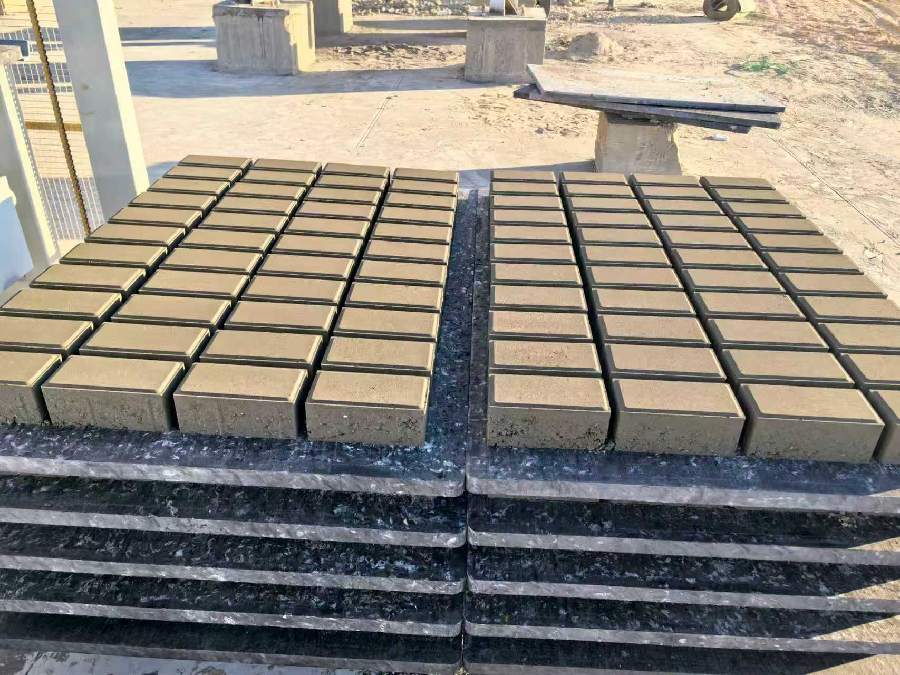
A Practical Color Control Plan
First, approve a reference recipe and physical sample. Record cement and aggregate sources, pigment product and lot, target weights, water correction method, charging sequence, dry and wet mixing times, mixer batch size, face-layer target, forming recipe and curing method. The reference paver should be labeled with production date and stored away from contamination and weather.
Second, verify measuring equipment. Calibrate the pigment scale with suitable certified test masses at intervals defined by plant quality procedures. Check repeatability near the actual operating range, not only near full scale. Inspect whether the discharge empties completely. Verify cement and water scales because changes in those quantities alter pigment concentration and surface response.
Third, conduct start-up checks. Confirm the selected recipe, pigment identity and previous color produced in the mixer. Make a limited first batch, inspect dispersion and produce test pallets. Keep those pallets separate until the surface can be compared at the defined age. This is particularly important after maintenance, a material delivery or a color change.
Fourth, retain traceability. Record actual weights, moisture corrections, mixing times, mould number, machine recipe, curing location and pallet range. A fully automatic QT12 production line can store operating recipes, but raw-material lots and visual acceptance still need a plant quality record.
Finally, measure variation rather than relying on memory. For important projects, a color measurement instrument can supplement visual inspection. Use the same instrument geometry, surface condition and measurement procedure each time. Numerical limits should be agreed with the customer and interpreted alongside texture because a rougher surface may produce a different reading.
Color Difference Troubleshooting Table
| Observed pattern | First areas to check | Useful verification |
|---|
| Whole batch is lighter or darker | Pigment, cement and water actual weights | Compare batch records and scale checks |
| Streaks within individual pavers | Pigment dispersion and mixer condition | Inspect mixing sequence, time and blade wear |
| Band across one side of every pallet | Face-mix distribution and layer thickness | Compare cut samples by mould position |
| Difference follows curing-rack position | Humidity, airflow and covering | Map pallets by curing location |
| White haze after curing | Efflorescence and moisture movement | Review water, salts, curing and drainage |
Change one variable at a time during troubleshooting. Adding pigment while simultaneously changing water and vibration destroys the evidence needed to identify the cause. Isolate affected lots, compare them with retained samples and run a controlled trial. Confirm the cured result before releasing a large order.
FAQ
Should pigment dosage be calculated from total concrete weight? Follow the pigment supplier's method. Mineral pigment dosage is commonly related to cementitious binder mass, but the exact basis and limits must be confirmed for the selected product.
Why are pavers different colors when the pigment weight is identical? Water content, cement shade, aggregate, dispersion, face-layer thickness, surface texture and curing can all change the visible result.
Can a longer mixing time always solve color streaks? No. Verify charging sequence, mixer loading, blade condition and pigment transfer. Excessive time may reduce output without correcting a dead zone or residue problem.
Why does one side of the production pallet look darker? Check face-mix distribution, local layer thickness, mould filling and surface texture. Mark cavity positions to see whether the pattern repeats.
When should finished color be inspected? Define a consistent product age, moisture condition and lighting environment. Fresh pavers are normally too wet for a reliable final comparison.
Conclusion
Pigment dosing accuracy provides the starting point for repeatable colored pavers, but final color depends on the entire face-mix process. Use a scale suited to the real dose, verify complete transfer, standardize mixing and water, control face-layer thickness, and cure each lot consistently. With an approved reference sample and complete batch records, color differences become measurable production signals instead of unexplained customer complaints.













 Tel: +86-13905968794
 Email: export@hwmachines.com
 MP/WhatsApp: +86-13905968794
 Manufacturer Address:Nanan,Quanzhou City,Fujian Province,China