How to Plan Container Loading for Block Machine Export Shipment is a practical topic for buyers and plant managers who want a more stable block making machine workflow. The goal is not only to explain the issue, but to give a clear method that supports better output, cleaner operation, and stronger customer confidence.
In a professional concrete products factory, the block machine, material system, mold, pallet circulation, control system, and operator routine must work as one process. A good solution therefore looks at the whole line before changing one visible setting.
Export shipment should protect machine parts before the equipment reaches the customer site.
Why container loading matters
A block machine export shipment is more than putting equipment into a container. Poor loading can damage electrical cabinets, hydraulic parts, molds, sensors, guards, or painted surfaces before the line ever reaches the factory.
For overseas customers, good loading also helps installation. When parts are packed, marked, and loaded by assembly sequence, the customer can unload and locate components more easily.
Packing principles for machines and molds
Heavy machine frames, concrete block mould sets, hydraulic station parts, electrical cabinets, and smaller spare parts should not be treated the same. Precision mold surfaces must be protected from impact, moisture, and careless stacking.
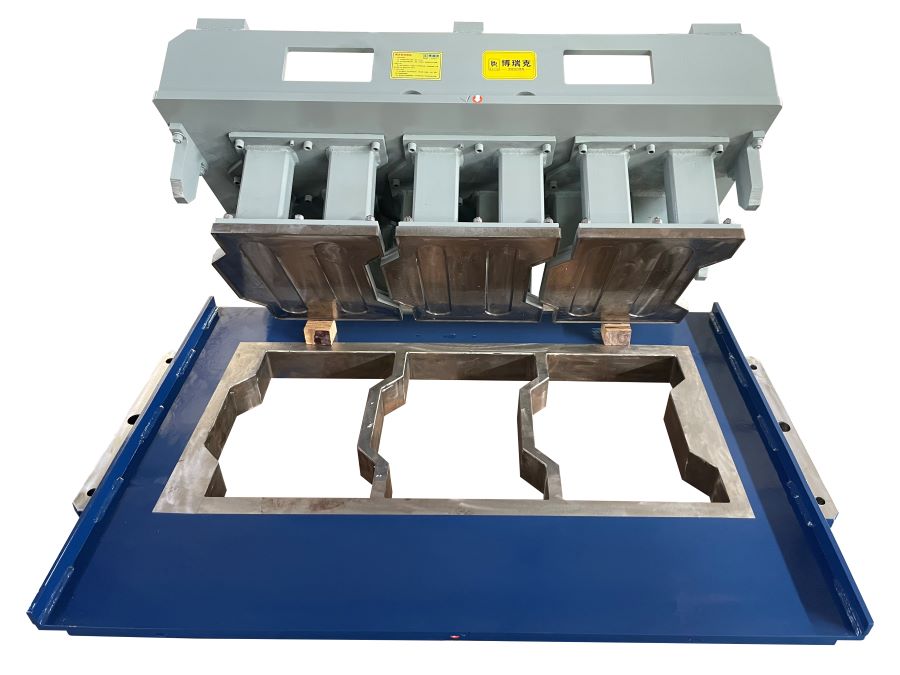
For molds, Hawen can design heat-treated units compatible with major brands such as Masa, Hess, Zenith, Poyatos, Besser, Tiger, Columbia, Quadra, and Omag. During shipment, these precision parts need packaging that protects fitting surfaces and contact areas.
Molds need protected packing because precision surfaces affect production quality.
A complete packing list, photos, labels, and container loading record help the buyer check goods after arrival. This is especially important when the shipment includes main machine, mixer, conveyor, molds, pallets, and spare parts.
Hawen Machinery delivery support
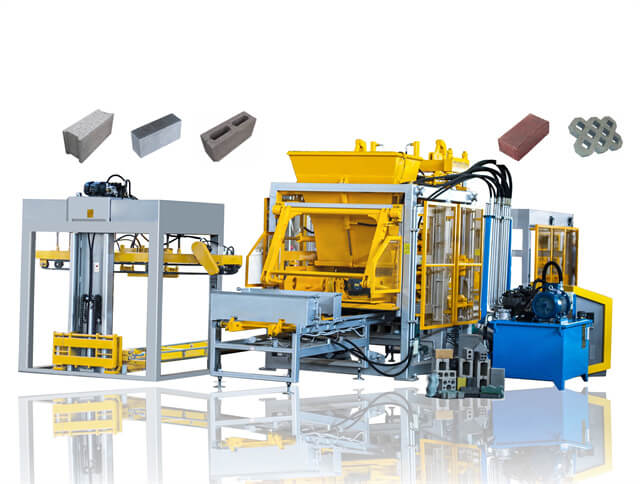
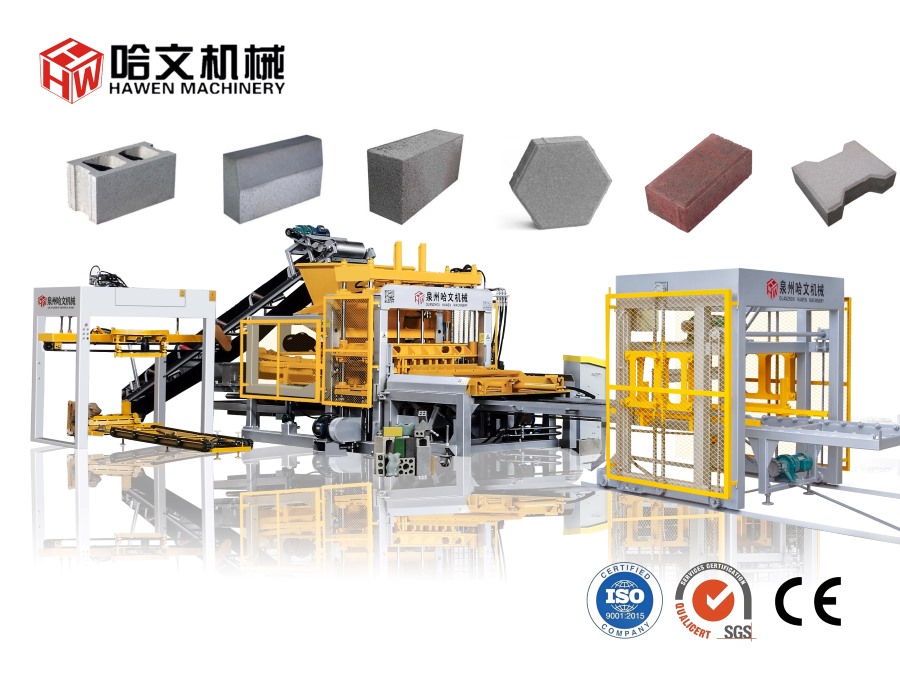
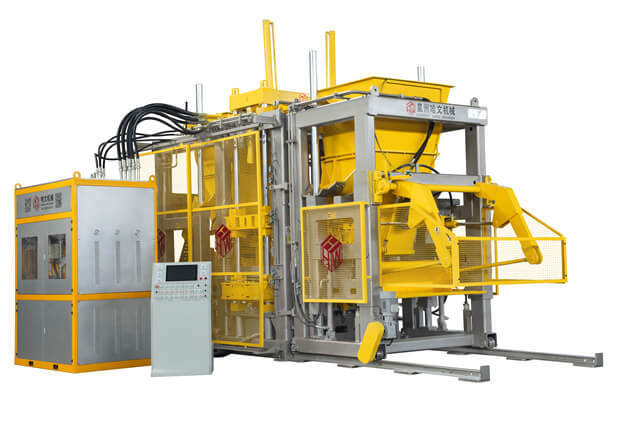
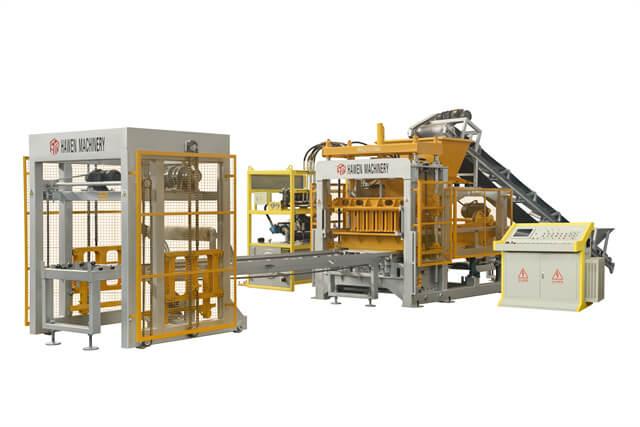
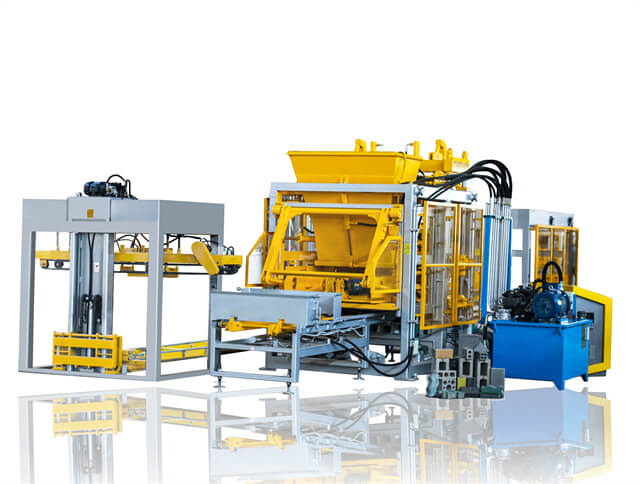
Hawen Machinery prepares block machine shipments with attention to protection, marking, and customer installation needs. Equipment for QT12, QT10, QT8, and QT6 lines can be packed according to the final configuration.
Delivery quality is part of machine quality. A well-built brick machine should arrive in a condition that allows fast installation, clear checking, and confident startup.
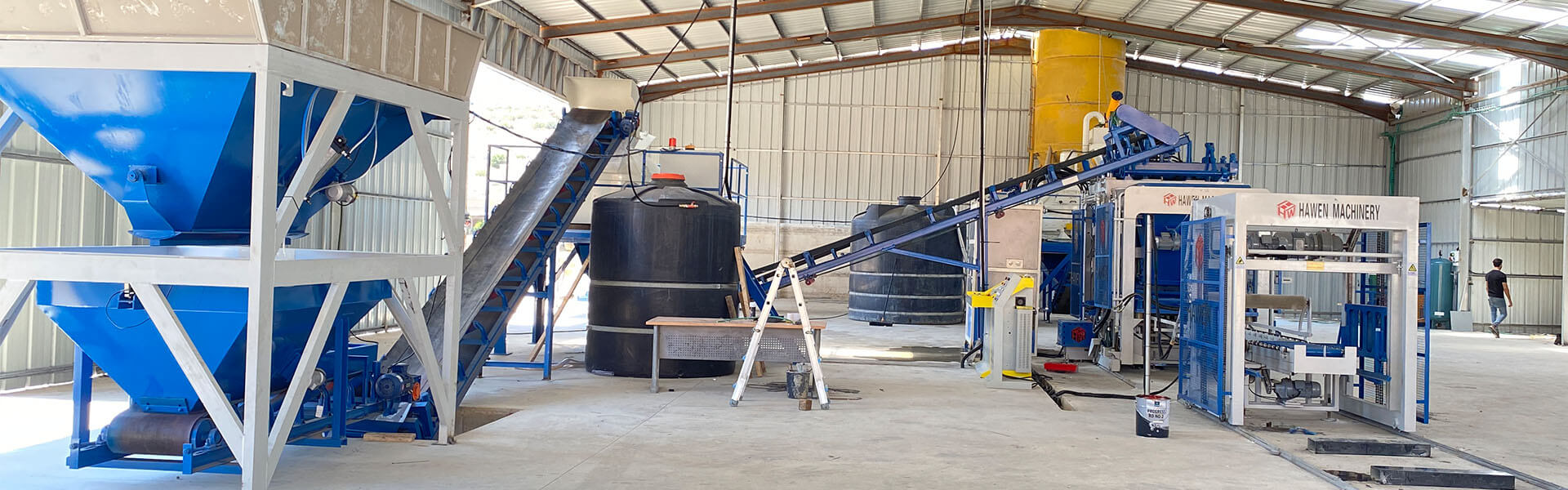
Auxiliary equipment should be loaded according to installation sequence and site handling needs.
Action checklist
Confirm packing list, marks, and container loading photos before shipment.
Protect electrical cabinets, sensors, hydraulic components, and precision mold surfaces.
Load heavy parts with stable support and safe tie-down points.
Separate small spare parts and label them by machine area.
Consider the customer's unloading equipment and installation sequence.
The first production cycle begins long before the machine is powered on. It begins with a shipment that respects every part, every label, and every future hour of installation.
FAQ
Why are loading photos important? They help the buyer confirm what was loaded, how it was protected, and how to locate parts after arrival.
Should molds be packed separately? Often yes. Molds have precision surfaces and high weight, so they need careful protection.
Can poor shipment affect installation? Yes. Missing marks, hidden parts, or damaged components can delay installation and commissioning.
What should be included in the packing list? Main equipment, accessories, molds, spare parts, electrical items, hydraulic parts, and quantity details.
Does Hawen support overseas shipment? Yes. Hawen prepares export packing and loading according to equipment configuration and customer destination needs.
Should customers inspect immediately after arrival? Yes. They should compare the packing list, photos, and actual goods before installation begins.





 Tel: +86-13905968794
 Email: export@hwmachines.com
 MP/WhatsApp: +86-13905968794
 Manufacturer Address:Nanan,Quanzhou City,Fujian Province,China