How to Design a Sampling Plan for Large Concrete Paver Orders is a practical topic for buyers and plant managers who want a more stable block making machine workflow. The goal is not only to explain the issue, but to give a clear method that supports better output, cleaner operation, and stronger customer confidence.
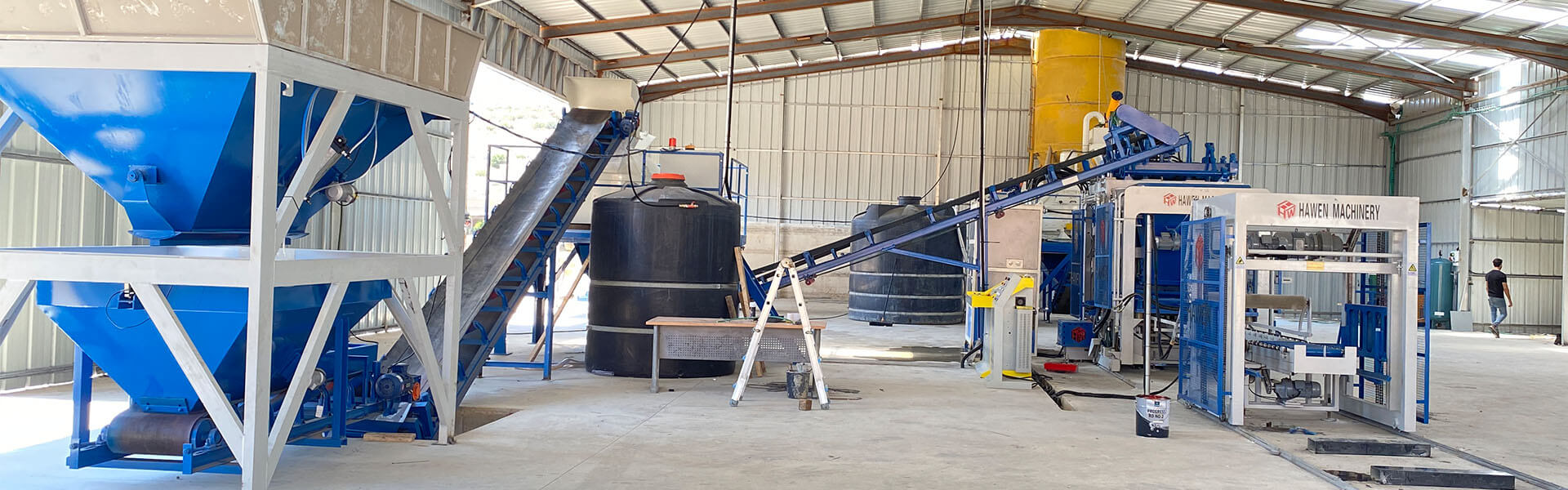
In a professional concrete products factory, the block machine, material system, mold, pallet circulation, control system, and operator routine must work as one process. A good solution therefore looks at the whole line before changing one visible setting.
Sampling plans help large paver orders stay consistent across shifts.
Why large orders need sampling
Large paver orders often run across several shifts, material deliveries, and mold-cleaning cycles. Without a sampling plan, a factory may discover dimension or surface variation only after too many products are already stacked.
Sampling turns quality control into a routine. The paver brick machine keeps producing, while operators check key points often enough to catch drift early.
What to check in paver sampling
A practical plan should check dimension, height, edge condition, chamfer shape, surface texture, color consistency, weight or density trend, and early handling damage. For special products, the customer drawing should define the acceptance focus.
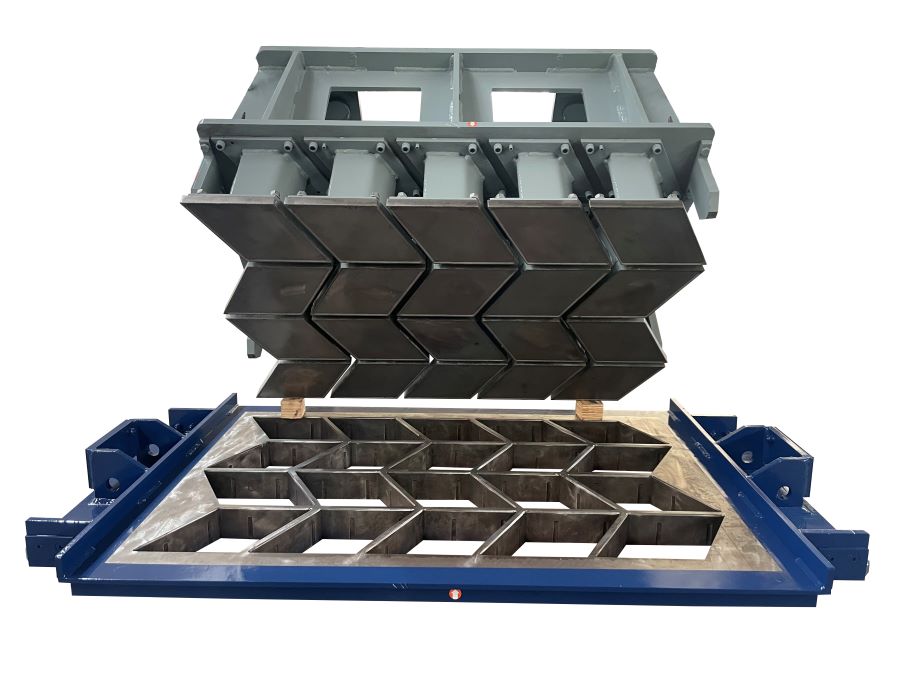
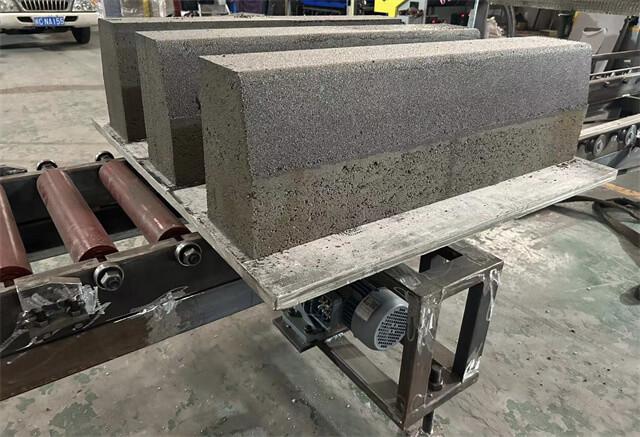
Mold condition should be part of the plan. A heat-treated interlocking paver mould or curb stone mould keeps dimensions stable longer, but it still needs cleaning and inspection during long production runs.
Mold condition affects dimension, surface, and edge quality during long orders.
Connect samples with process data
Do not record samples alone. Connect them to material moisture, mixer batch, feeding depth, vibration time, pressure, pallet number, and curing condition. This makes the sample useful when a defect appears later.
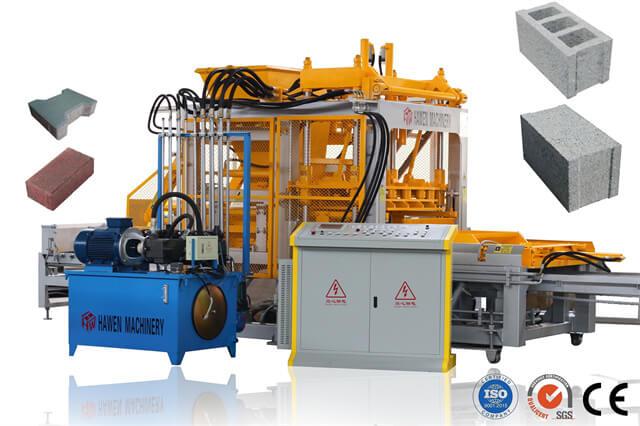
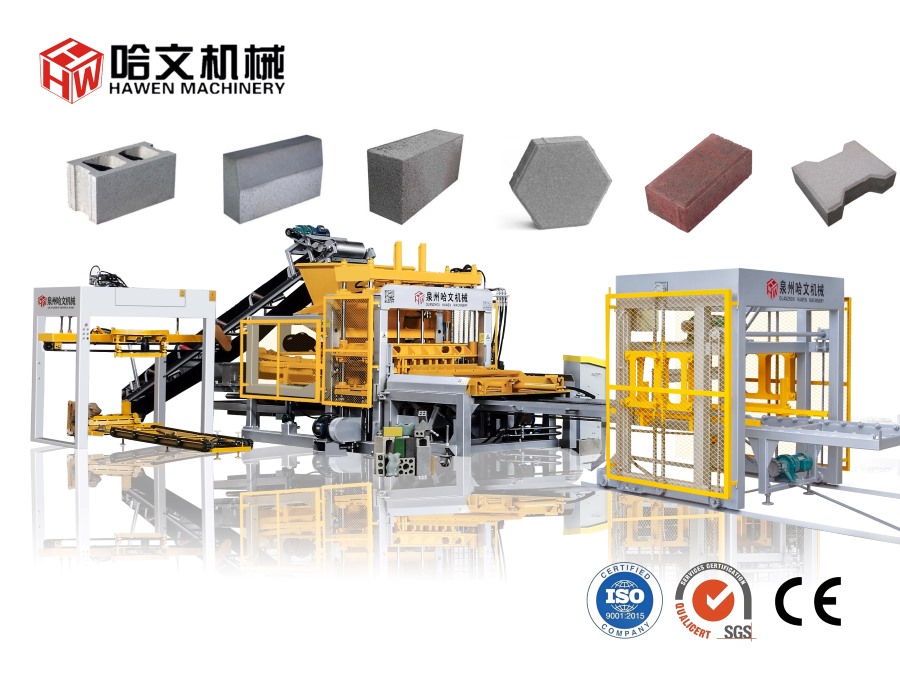
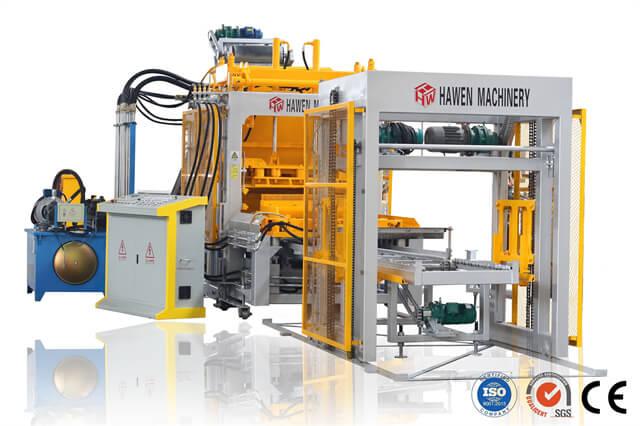
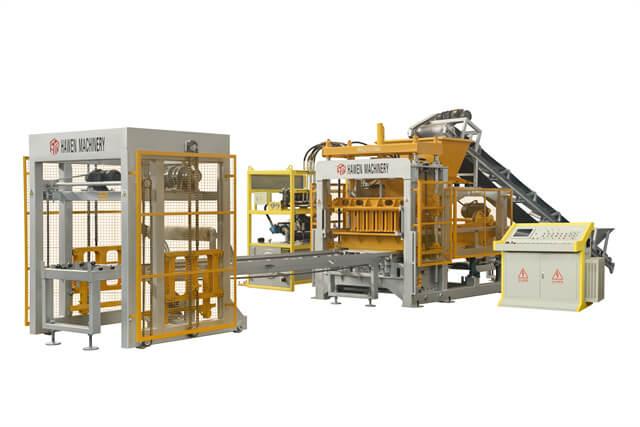
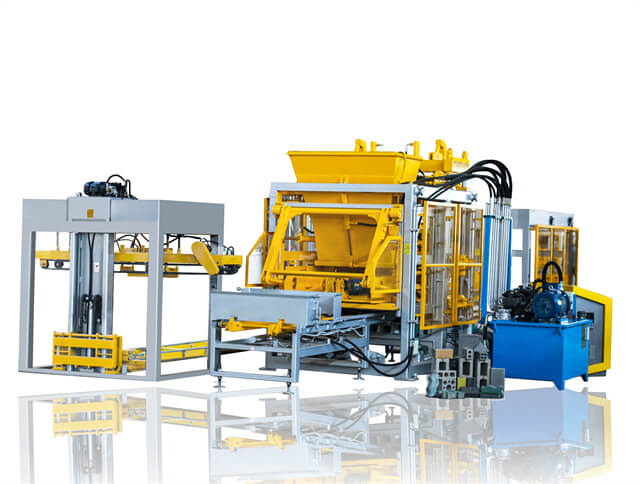
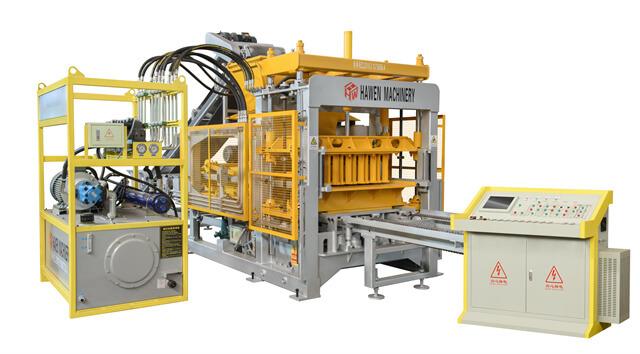
Hawen Machinery matches machine selection, mold design, vibration, hydraulic movement, and control logic according to product requirements. The four-shaft vibration box design supports uniform compaction, while the SIEMENS PLC and touch panel help operators manage settings consistently.
For large orders, Hawen can recommend a production record format that connects product checks with machine settings. This helps a QT15, QT10, or QT6 line maintain stable output.
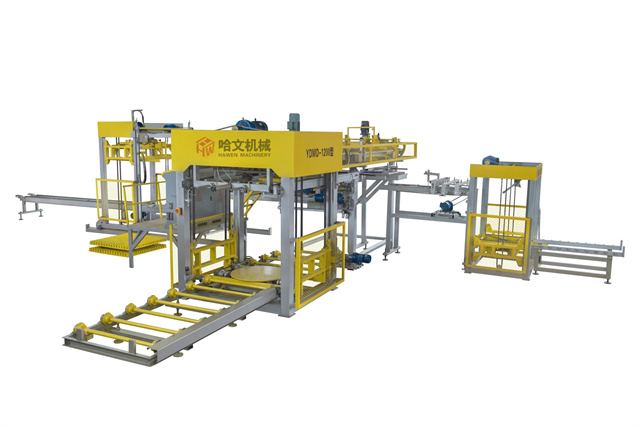
Handling and palletizing should protect accepted pavers through the final stage.
Action checklist
Define which dimensions and surface features the customer cares about most.
Sample from different pallets, cavities, shifts, and material batches.
Record machine settings beside every sample result.
Separate fresh-product checks from cured-product checks.
Stop and correct the process when trends move, not only when final rejection appears.
Sampling is not paperwork after production. It is an early warning system inside production. When the factory listens to samples in time, quality stays ahead of complaints.
FAQ
How often should pavers be sampled? Frequency depends on order size and product risk, but sampling should cover different shifts, pallets, and material batches.
Should sampling happen before curing? Yes, but cured-product checks are also needed because some defects appear after moisture loss and handling.
What is the most common sampling mistake? Checking only appearance while ignoring dimension, edge quality, machine settings, and material changes.
Can mold wear affect a large order? Yes. Wear can slowly change dimensions or edge quality during long runs.
Should rejected samples be kept? Keeping labeled samples can help diagnose the cause and explain corrections to the customer.
How can Hawen support quality planning? Hawen can help connect machine settings, mold design, vibration, and production records to the customer's acceptance needs.





 Tel: +86-13905968794
 Email: export@hwmachines.com
 MP/WhatsApp: +86-13905968794
 Manufacturer Address:Nanan,Quanzhou City,Fujian Province,China