A profitable concrete block factory does not begin with the biggest block machine. It begins with real market demand, product selection, reliable production flow, and a realistic plan for labor, curing, storage, and delivery. The best brick making machine is the one that fits what the local market will buy consistently.
Start with market demand
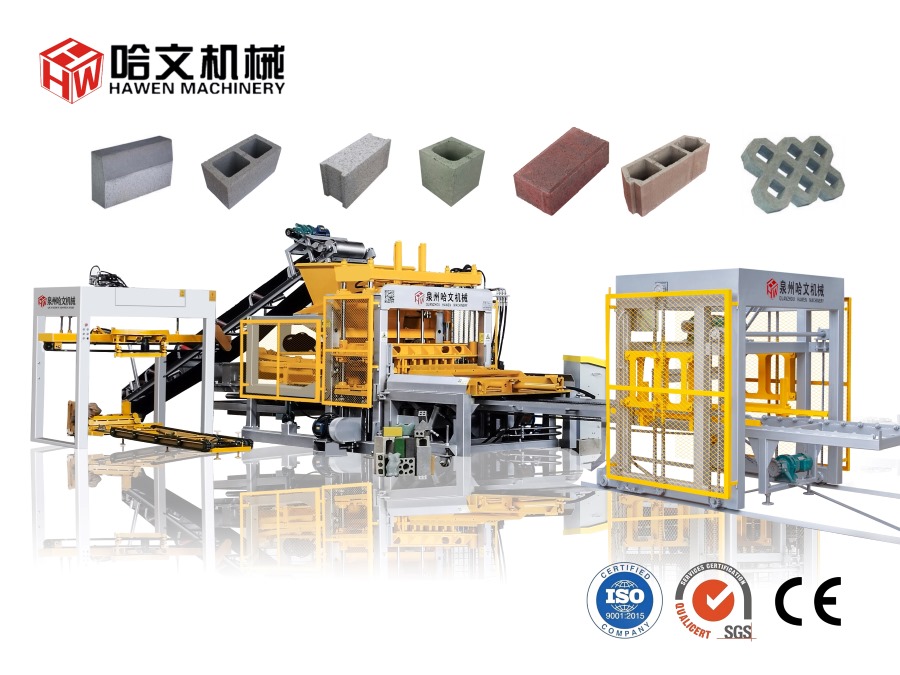
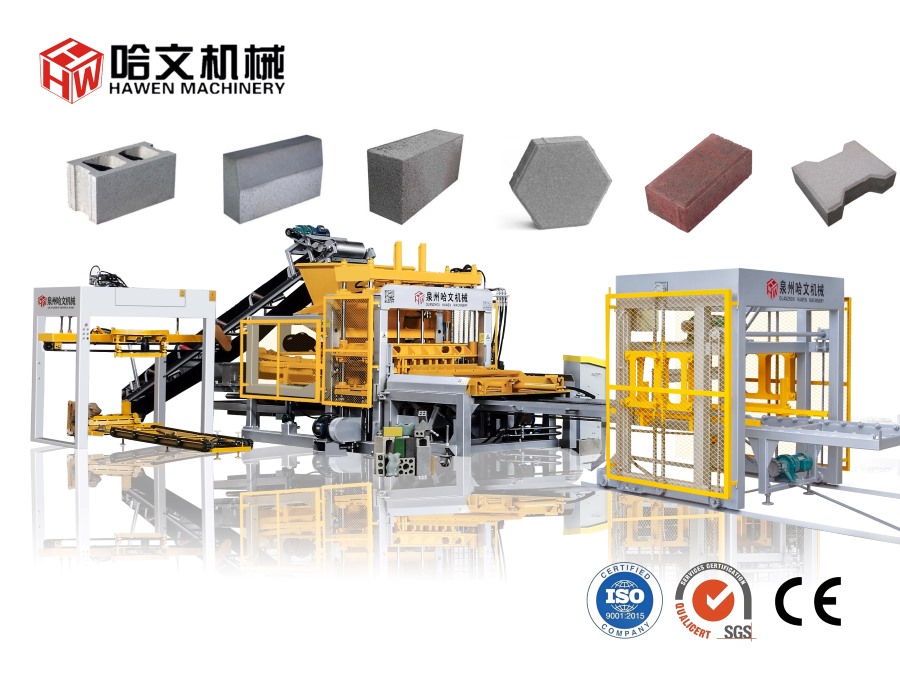
Before selecting equipment, define the products that have steady demand. A market may need hollow blocks for walls, solid bricks for general construction, pavers for roads and yards, kerbstones for infrastructure, or special blocks for local projects. This decision shapes the block making machine, mold sets, pallet size, curing area, and handling method.
Business note: Avoid planning only for peak demand. A stronger plan studies regular monthly demand, product mix, delivery distance, and the customer's quality expectations.
Choose products before choosing the machine
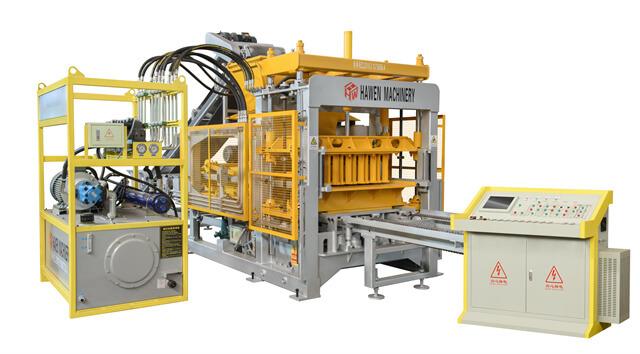
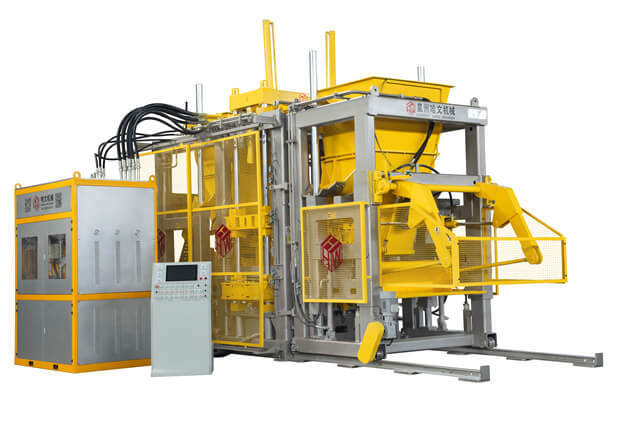
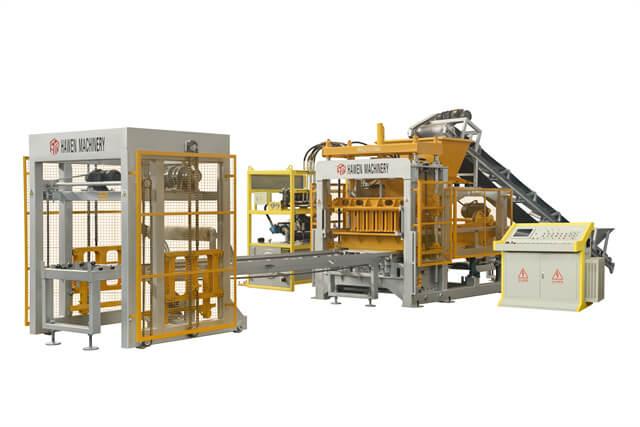
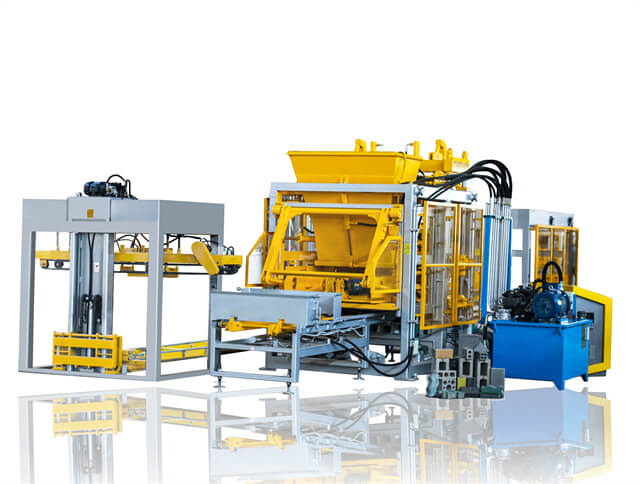
Product choice determines the machine model. A factory focused on high-output pavers may consider the QT15 automatic concrete paver block machine. A hollow block factory may study the QT12 hydraulic hollow block production line. Growing businesses can compare QT10, QT8, QT6, and QT4 configurations according to budget, output, and labor plan.
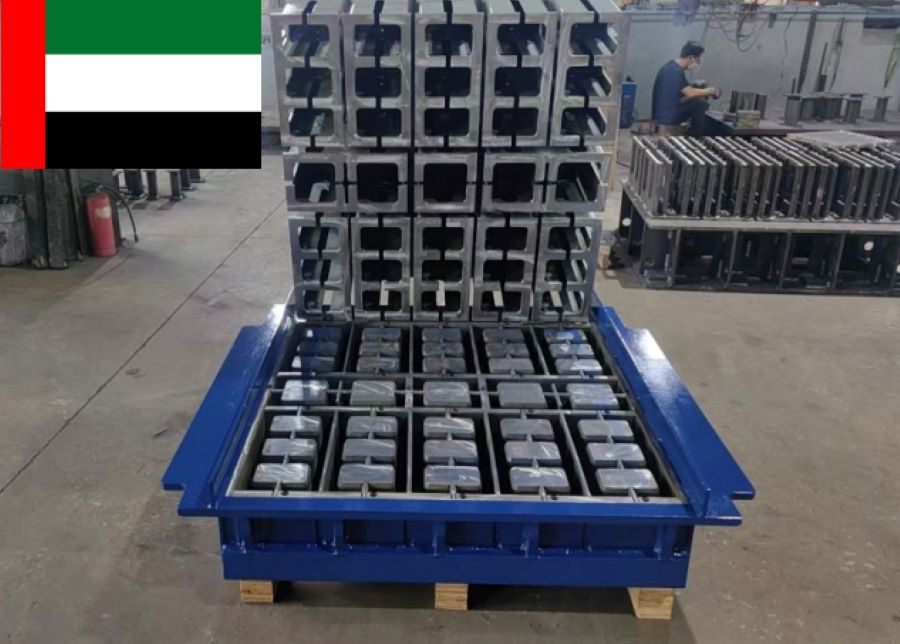
Mold planning is part of product planning. A hollow block mould, interlocking paver mould, and curb stone mould each require different layout thinking. Hawen molds can follow original specifications for leading platforms such as Masa, Hess, Zenith, Poyatos, Besser, Tiger, Columbia, Quadra, and Omag, with heat treatment and HRC59-61 hardness control for wear resistance.
Control cost through layout and automation
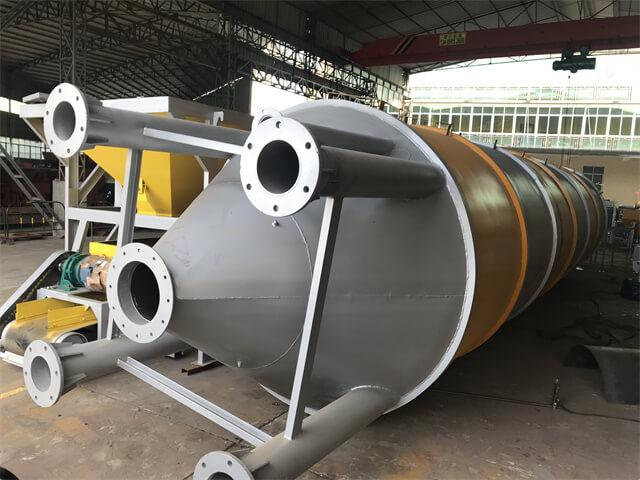
Profit is protected by repeatable production. A suitable cement silo, accurate batching machine, and reliable concrete mixer reduce waste before material reaches the main machine. A planetary mixer or twin-shaft mixer can be selected according to product type and mixing demand.
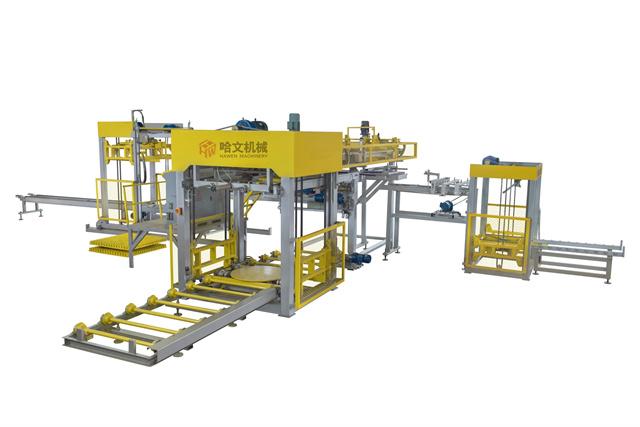
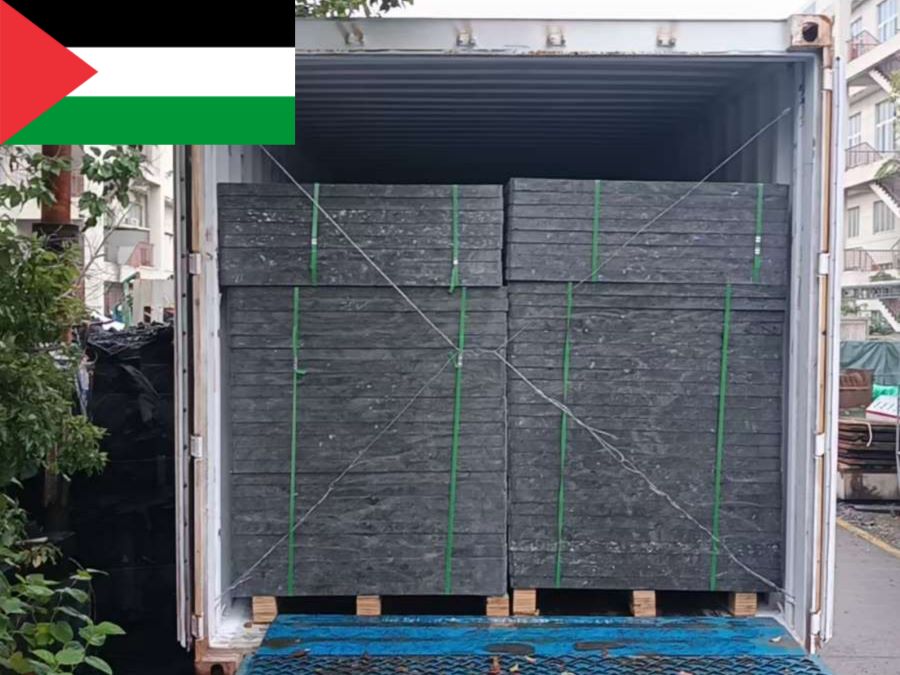
Automation should solve real bottlenecks. An automatic pallet provider, GMT pallet, and automatic offline palletizing system can reduce manual handling, protect fresh products, and improve yard flow. But every automation choice should match the factory's actual labor cost, land, output target, and growth plan.
How Hawen Machinery supports planning
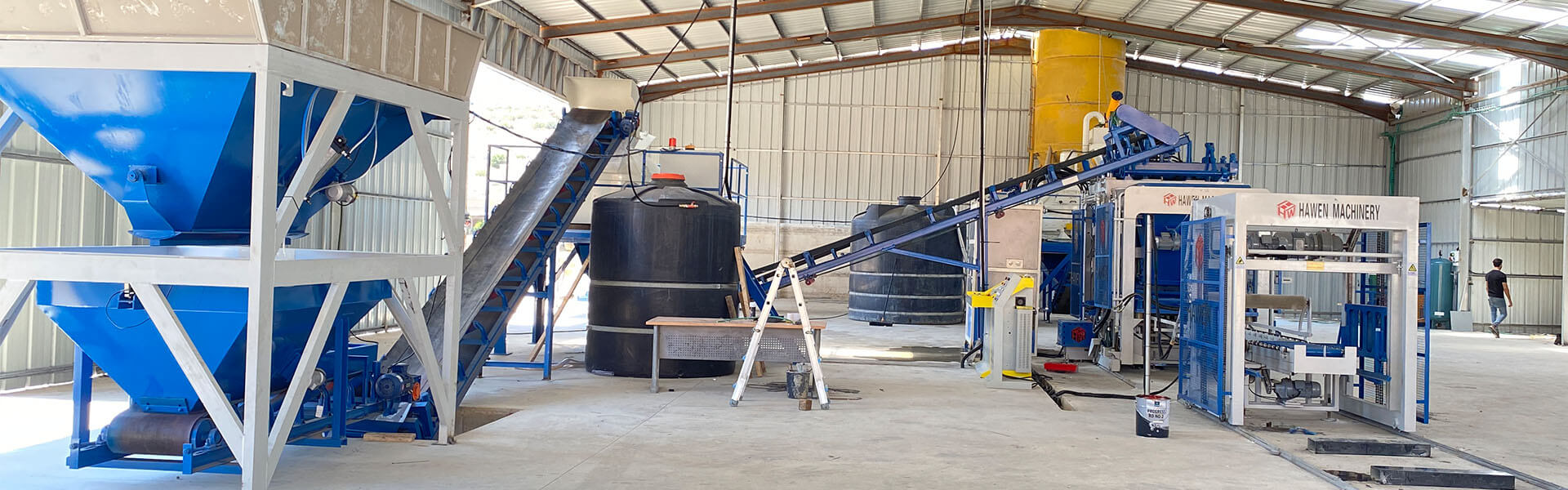
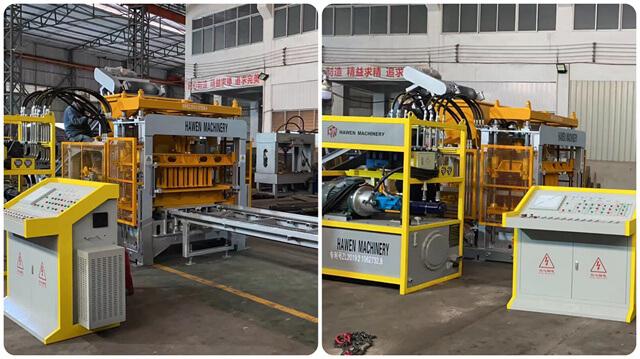
Hawen Machinery helps buyers review product drawings, raw material conditions, output target, site dimensions, curing method, electrical supply, labor arrangement, and future expansion. For automatic lines, Hawen also considers hydraulic reliability, vibration efficiency, control stability, and after-sales support.
The hydraulic station in Hawen block machines uses Japanese YUKEN valve components and an American ALBERT hydraulic pump to support accurate action control and reliable load performance. The SIEMENS S7-200 PLC with touch panel and remote monitoring support helps the team track machine status and refine parameters. The four-shaft vibration box design supports efficient compaction and stable finished block quality.
Decision checklist
- Define the main products and backup products before machine selection.
- Estimate required land for raw materials, production, curing, stacking, and loading.
- Choose automation based on bottlenecks, not only appearance.
- Review mold plans and pallet circulation before signing the order.
- Ask for a layout drawing and production-flow explanation.
A concrete block factory becomes profitable when every decision serves the market. The machine is important, but the deeper advantage is alignment: products that customers need, equipment that can make them consistently, and a workflow that turns raw material into value without confusion. That is where a factory stops being a purchase and becomes a durable business system.
FAQ
Should buyers choose the biggest block machine first?
No. The machine should match market demand, product type, labor plan, curing space, and investment stage.
Which products are good for a new block factory?
That depends on the local market. Common options include hollow blocks, solid blocks, pavers, kerbstones, and special concrete products.
How does automation affect profit?
Automation can reduce labor and improve consistency, but it should target real bottlenecks such as pallet handling, stacking, or material supply.
Why is factory layout important?
A poor layout can waste time in material movement, curing, pallet return, and finished product loading even when the main machine is strong.
Can Hawen recommend a complete line?
Yes. Hawen can match batching, mixing, forming, molds, pallets, pallet supply, palletizing, and layout according to the customer's business plan.
What should be confirmed before ordering?
Confirm product list, output target, site size, power, raw materials, labor, curing method, automation level, and after-sales plan.





 Tel: +86-13905968794
 Email: export@hwmachines.com
 MP/WhatsApp: +86-13905968794
 Manufacturer Address:Nanan,Quanzhou City,Fujian Province,China