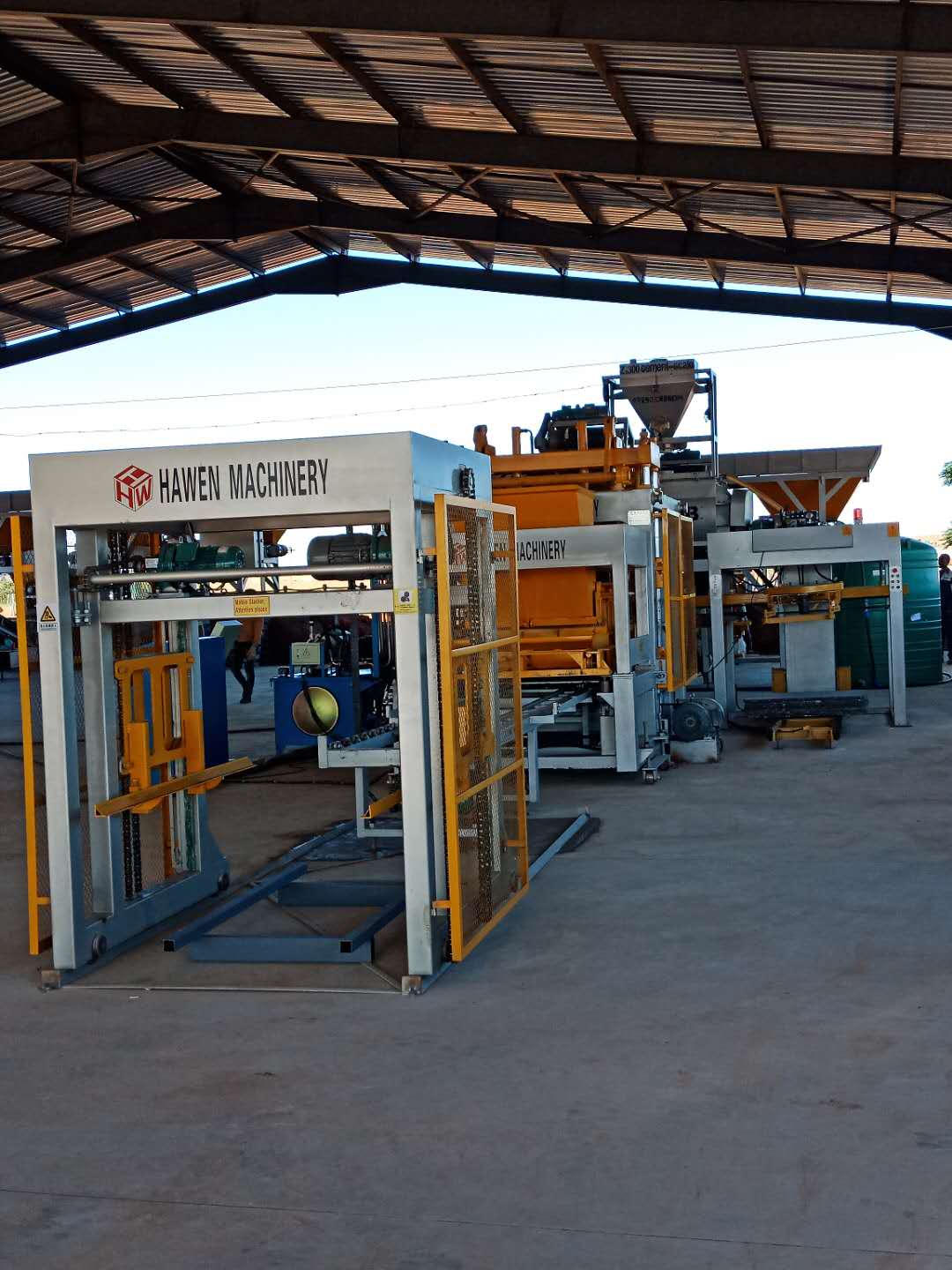
Operator training should be planned before an automatic concrete block machine starts daily production. A machine may be well configured, but real output still depends on whether operators understand startup sequence, recipe adjustment, mould cleaning, vibration setting, pallet feeding, stacker movement, emergency stops, and daily inspection. Without training, small operation mistakes can look like machine quality problems.
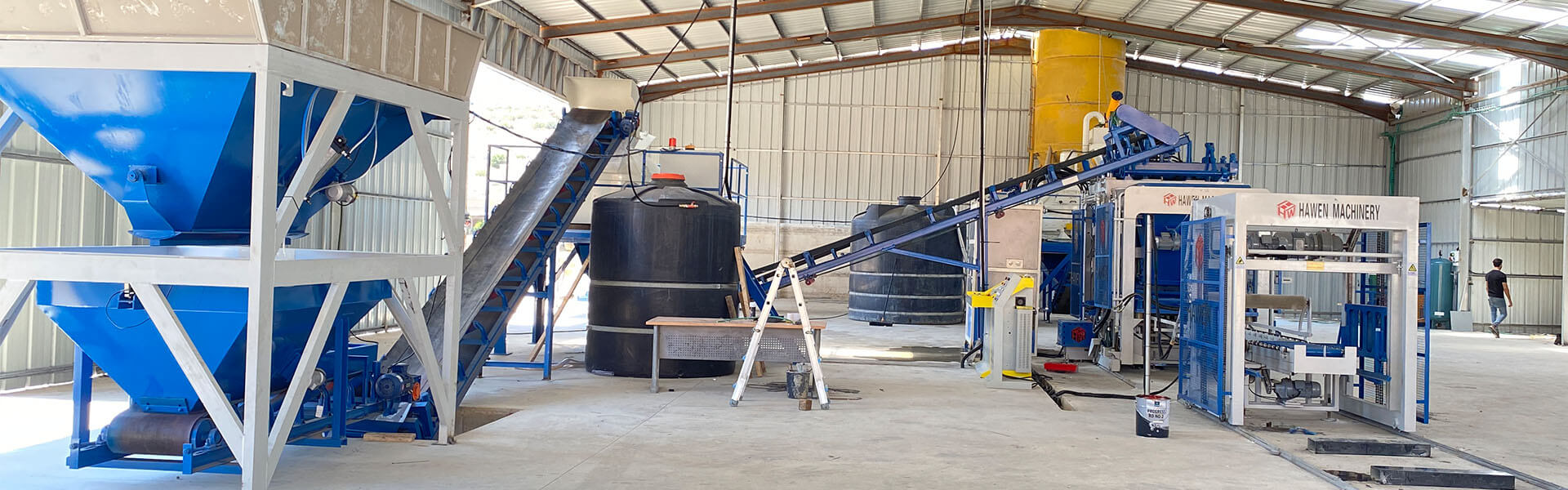
A concrete block making plant includes batching, mixing, conveying, forming, pallet circulation, stacking, curing, and finished block handling. Each step needs correct operation. If operators only learn how to press the start button, they may not understand why block height changes, why fresh blocks crack, or why the machine stops during automatic operation.
Key principle: training should follow the whole production flow, not only the host machine. The control operator, mixer operator, forklift driver, and maintenance person all influence whether output stays repeatable after the first trial production.
Why operator training affects real output
Real output depends on repeatable operation. Operators should understand how raw material moisture affects water adjustment, how mixer discharge affects host machine feeding, and how pallet return affects continuous production. When these points are not understood, the plant may lose output even when the equipment itself is suitable.
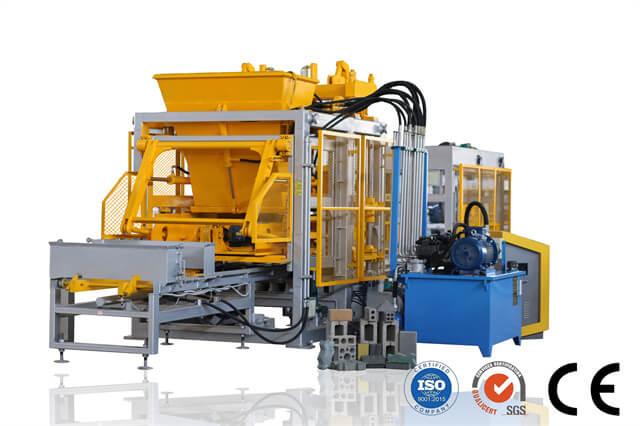
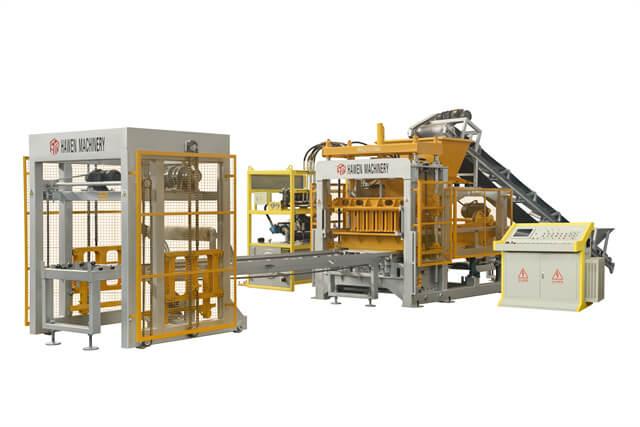
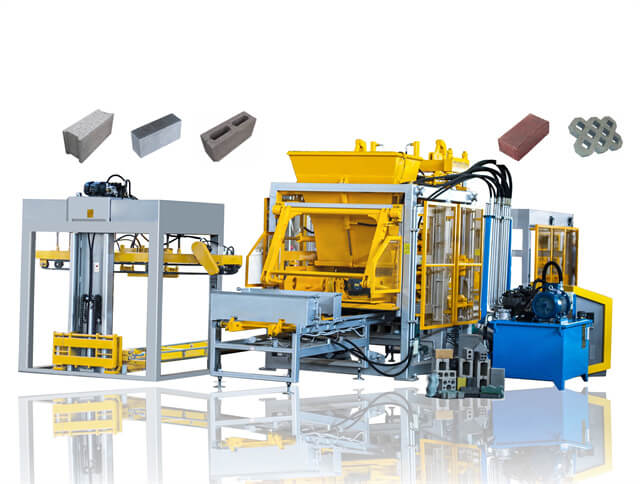
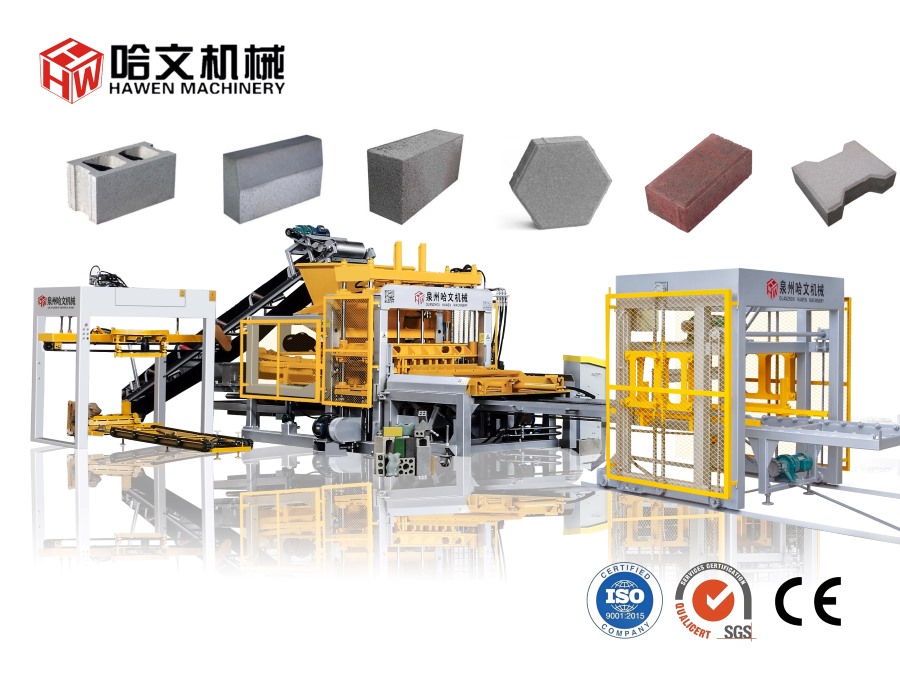
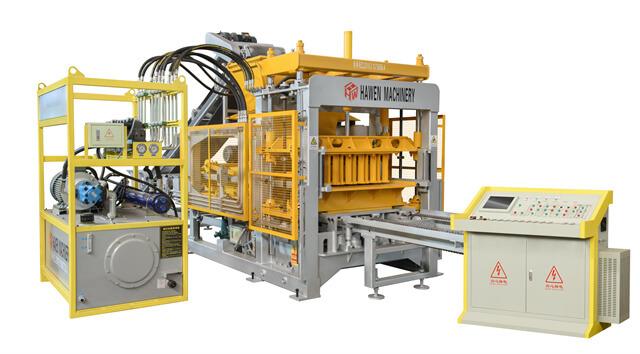
When reviewing a QT8 automatic concrete paver fly ash brick making machine, buyers should ask what training is included. Training should cover not only the host machine, but also batching, mixing, mould change, pallet handling, stacker operation, and maintenance records.
Startup, recipe, and machine cycle training
Startup training should explain the correct order for power, hydraulic station, control cabinet, mixer, conveyor, host machine, pallet feeder, and stacker. Operators should know which alarms are normal during preparation and which alarms require inspection. A wrong startup order may create unnecessary stoppage or confuse new staff.
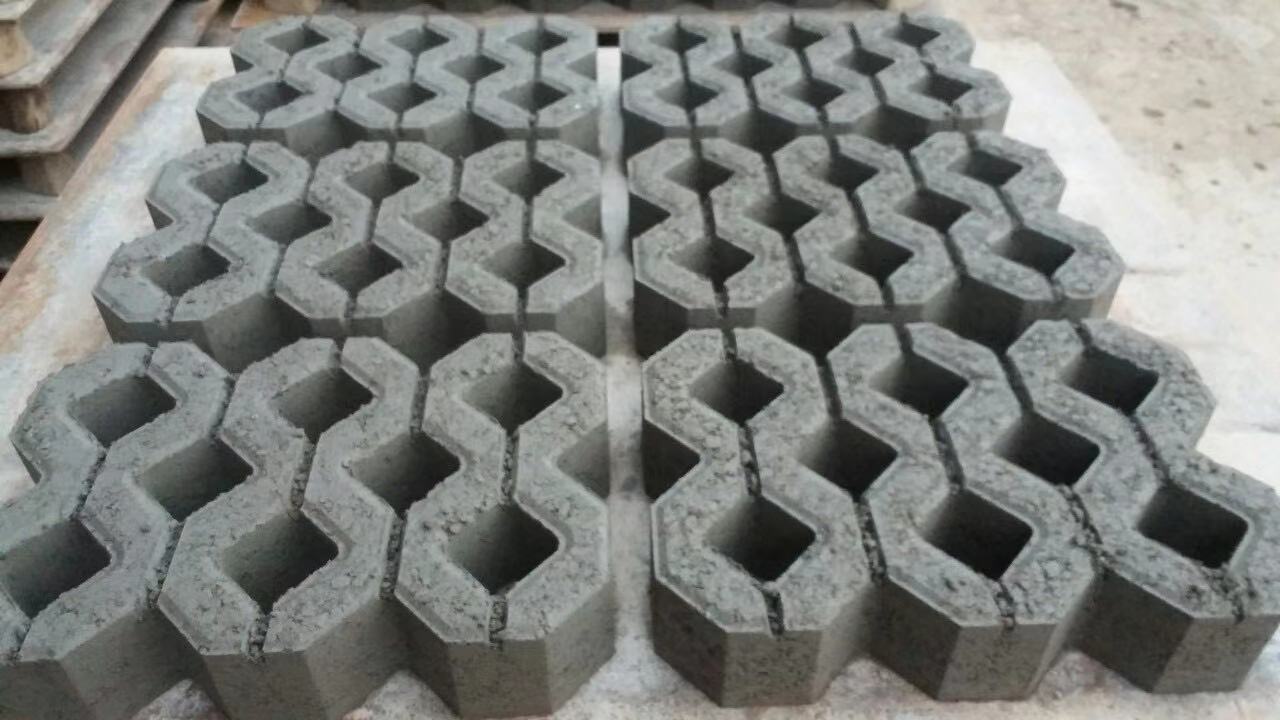
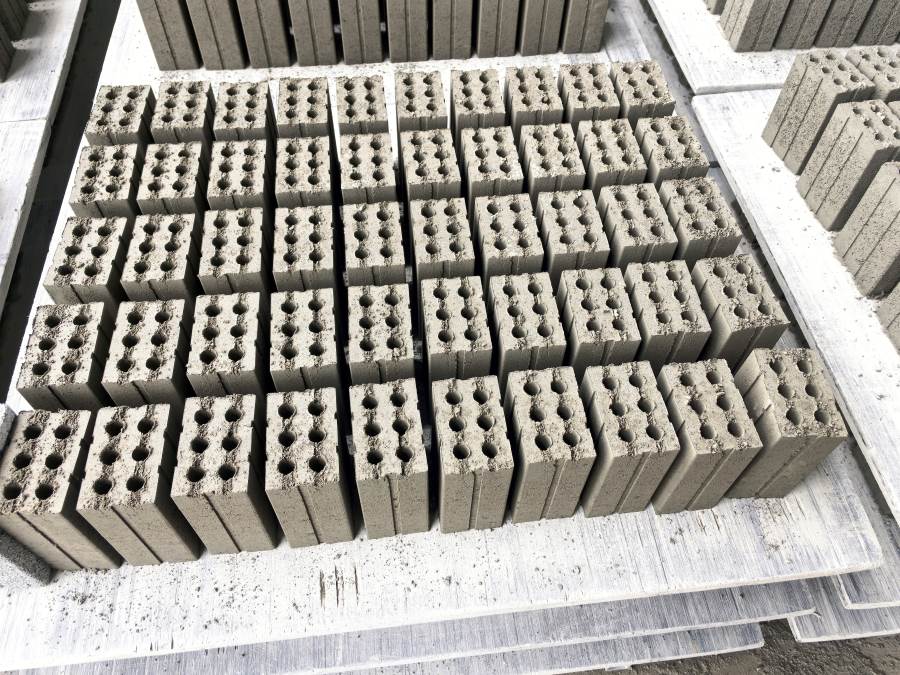
Recipe training is important because semi-dry concrete changes with aggregate moisture. Operators should learn how to observe material condition, adjust water, record recipe changes, and compare finished block results. Hollow blocks, pavers, and kerbstones may need different recipes, vibration time, and feeding behavior.
Mould, pallet, stacker, and safety training
Mould training should include mould cleaning, bolt checking, tamper head alignment, safe lifting, and storage. If the mould is dirty or loose, blocks may show uneven height, weak corners, or demoulding problems. Operators should avoid changing several settings at the same time, because this makes troubleshooting difficult.
Pallet and stacker training should show how to identify warped pallets, damaged pallets, poor stack alignment, and unsafe forklift movement. Pallet condition is closely linked to block height consistency and line stability, so operators should know how to check pallets before they enter the circulation system. Safety training should include emergency stops, moving parts, hydraulic pressure, electrical cabinet protection, and lockout habits during maintenance. A practical training session should use the buyer's actual product, not only an empty machine cycle.
Operator training table
| Training area |
What operators should learn |
Production value |
| Startup sequence |
Power, hydraulic station, mixer, conveyor, host machine, pallet feeder, and stacker order. |
Reduces avoidable alarms and startup delays. |
| Recipe adjustment |
Moisture observation, water control, mixer timing, and production records. |
Improves block consistency and reduces rejected products. |
| Mould operation |
Cleaning, bolt inspection, alignment, lifting, storage, and product change. |
Protects product size and demoulding quality. |
| Safety handling |
Emergency stops, moving parts, electrical safety, hydraulic pressure, and forklift routes. |
Reduces accident risk and equipment damage. |
Training content, shift structure, and the number of operators required depend on the automation level, product type, and handling method of the specific plant. Confirm the final training scope and responsibilities with the equipment supplier and site engineering team before production starts.
FAQ
Should operators be trained before installation is finished?
Basic training can begin before production, but practical training should continue during installation and trial production because operators need to learn with the actual plant layout and products.
How many operators need training?
The number depends on automation level, product type, shift plan, and handling method. At least the control operator, mixer operator, forklift driver, and maintenance person should understand the full production flow.
Can poor training cause block defects?
Yes. Wrong water adjustment, dirty moulds, poor pallet handling, or unsafe stacker operation can create block defects even when the machine is correctly built.
Conclusion
Operator training is part of concrete block machine productivity. Buyers should plan training for startup sequence, recipe adjustment, machine cycle, mould change, pallet inspection, stacker operation, safety functions, and daily maintenance. The next step is to prepare a simple training checklist and use real production records to improve operator decisions after installation.
Planning a new block production line or upgrading an existing one? Share your block type, target capacity, and automation level with our team so we can help you define the right equipment scope and the training points your operators will need. You can also review the concrete block machine catalog to compare configurations before the technical discussion.







 Tel: +86-13905968794
 Email: export@hwmachines.com
 MP/WhatsApp: +86-13905968794
 Manufacturer Address:Nanan,Quanzhou City,Fujian Province,China