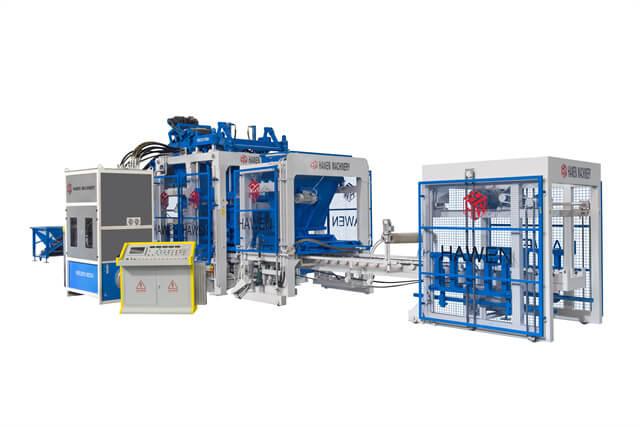
Spare parts planning should begin before a concrete block machine is shipped. Many buyers focus on the host machine price, mould quantity, and installation schedule, but spare parts decide how quickly the plant can recover from normal wear or small faults. A missing sensor, hose, mould bolt, mixer blade, or conveyor part can stop production even when the main machine is in good condition.
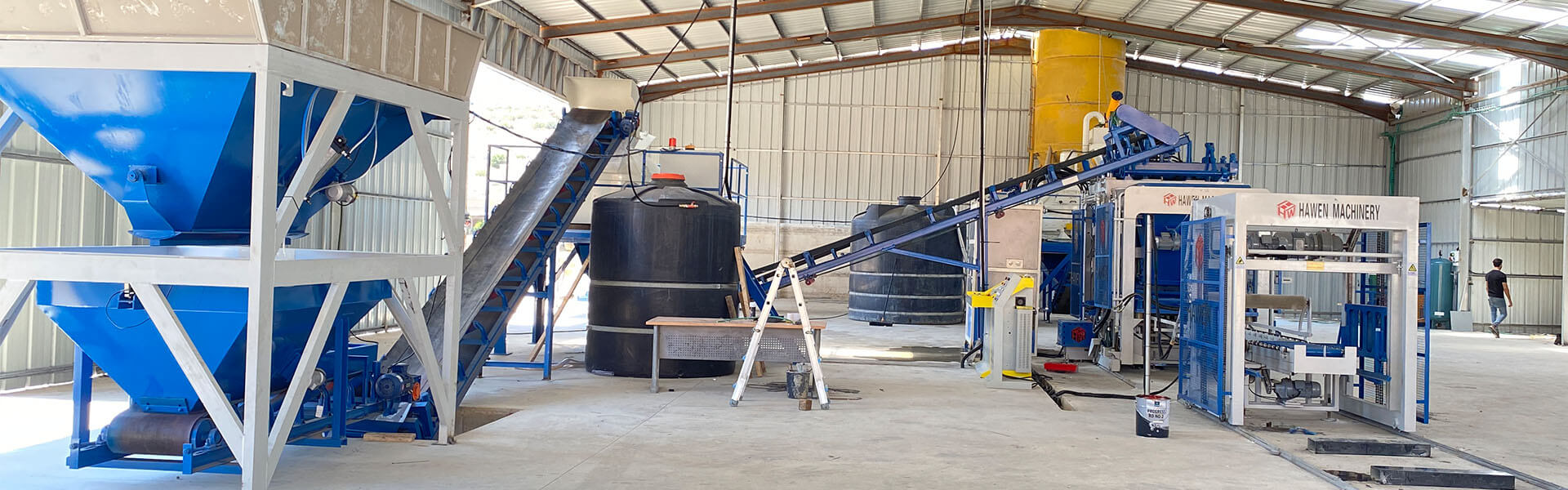
An automatic concrete block making plant includes mechanical, hydraulic, electrical, batching, mixing, conveying, pallet feeding, stacking, and sometimes cubing systems. Each system has parts that may wear, loosen, or need replacement during operation. Buyers should ask for a spare parts list that matches the exact machine configuration, not a general list copied from another model.
Key principle: Order the spare parts list together with the machine, based on the exact configuration, the products you will run, and the local supply situation. This is normal plant planning, not a sign that the machine is weak.
Why spare parts planning starts before shipment
After shipment, urgent spare parts can be expensive and slow to receive, especially for overseas projects. If basic parts are prepared with the machine, the buyer can reduce downtime during commissioning and early production.
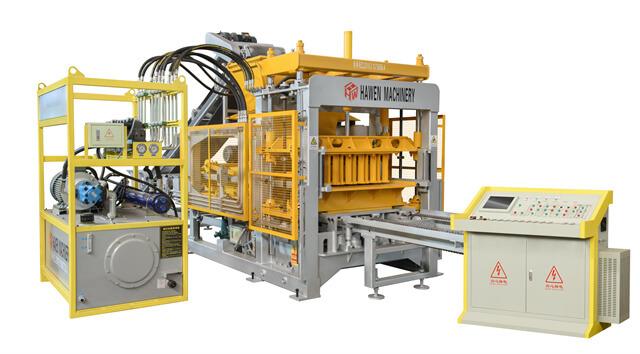
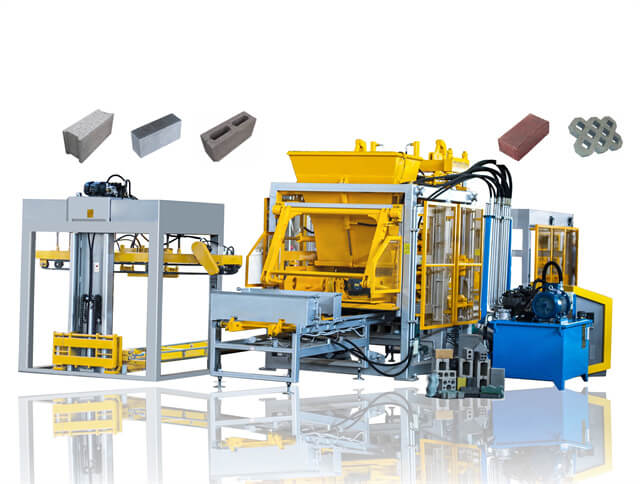
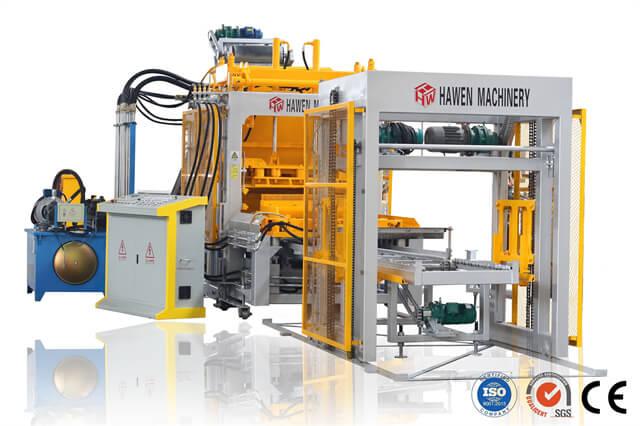
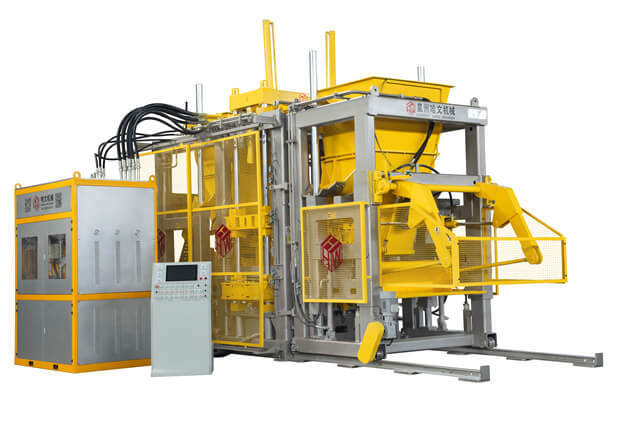
When reviewing a QT8 automatic concrete paver fly ash brick making machine, buyers should ask which spare parts are included, which parts are recommended for one year of operation, and which parts can be purchased locally. This makes the quotation more complete.
Mixer, mould, vibration, and wear parts
The mixer has regular wear parts because it handles semi-dry concrete. Mixer blades, liner plates, discharge gate parts, seals, and water pipe components should be reviewed. If blades wear too much, mixing becomes uneven and block quality may change. If the discharge gate does not close properly, material feeding rhythm may become unstable.
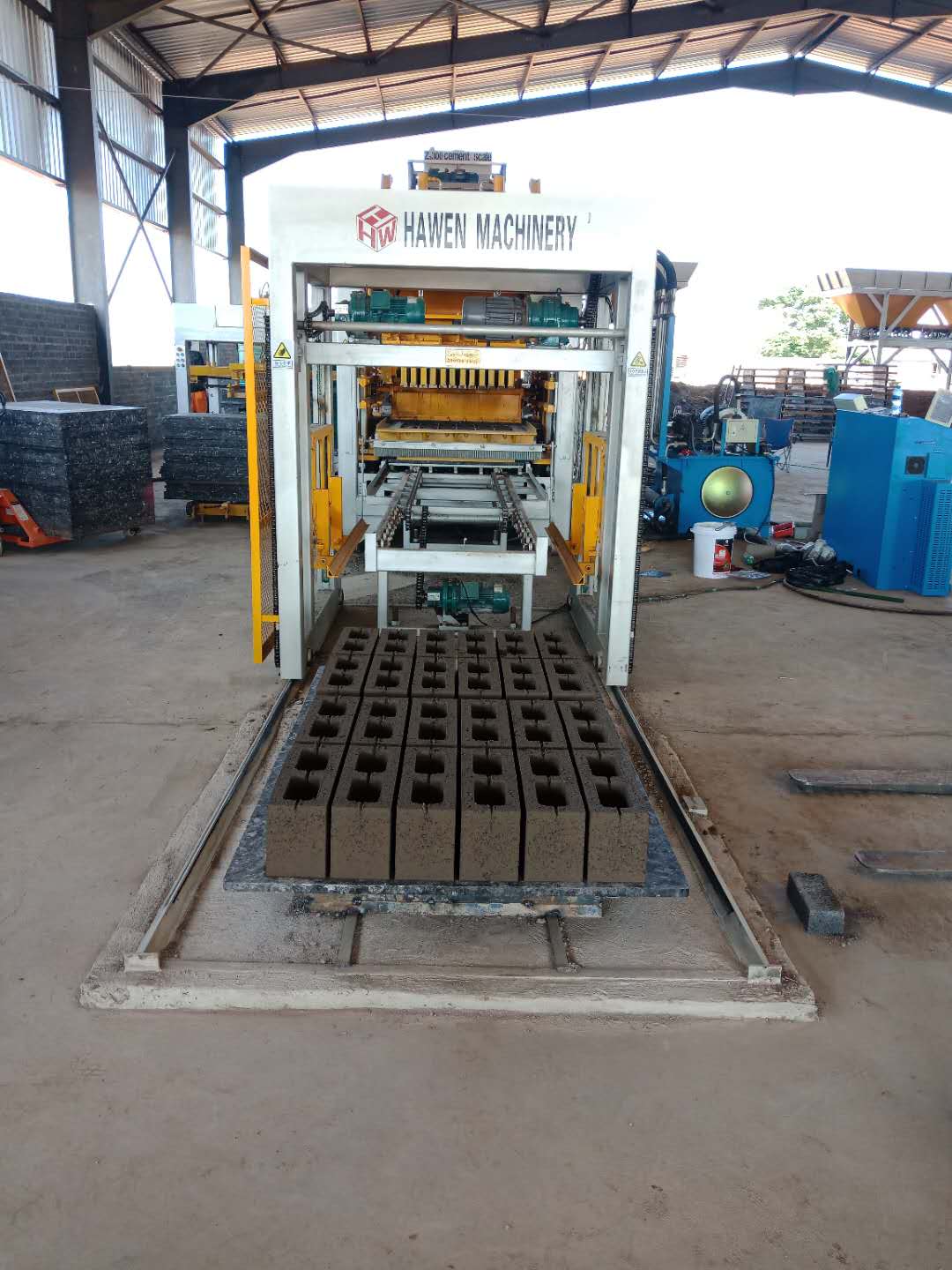
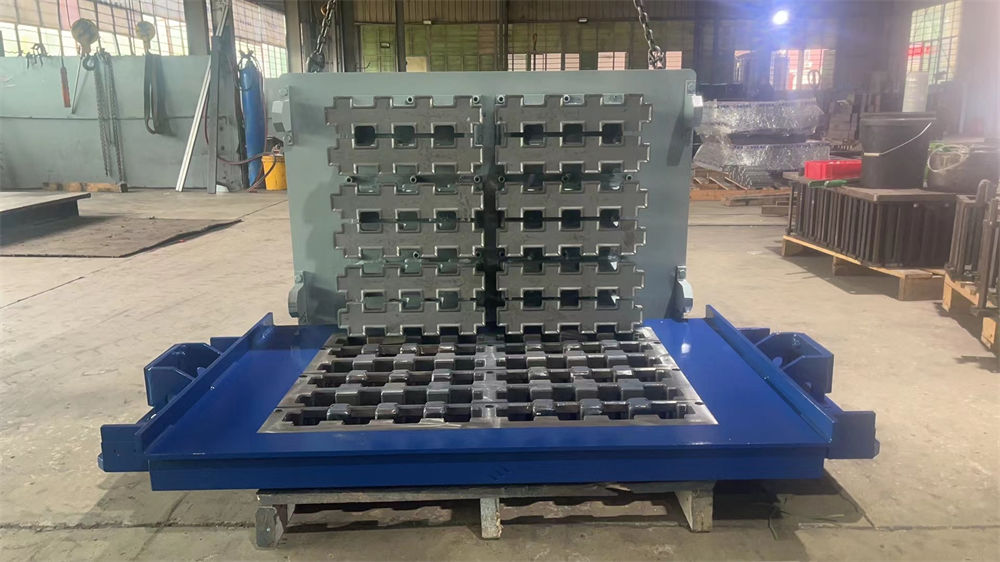
Mould parts also need attention. Mould bolts, tamper head parts, wear plates, and cleaning tools should be considered. Mould wear affects product dimensions, edge sharpness, and demoulding stability. Hollow block moulds, paver moulds, and kerbstone moulds may have different wear patterns because product shape and material load are different.
Hydraulic, electrical, sensors, and conveyor spares
Hydraulic spare parts may include hoses, seals, filters, valves, and fittings. The buyer should ask which hydraulic parts are standard and which are model-specific. A small oil leak can stop production if the correct hose or seal is not available. Hydraulic oil and filter replacement should also be part of the maintenance plan.
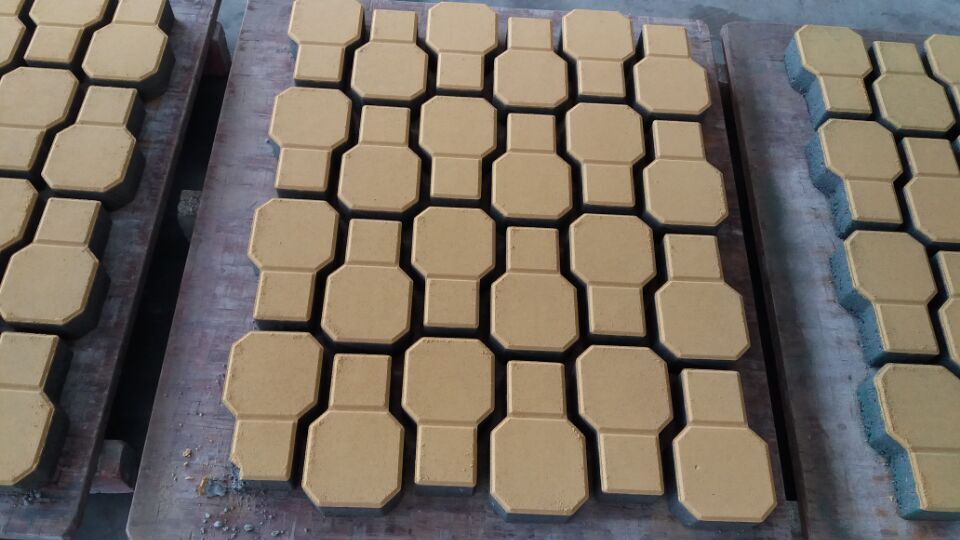
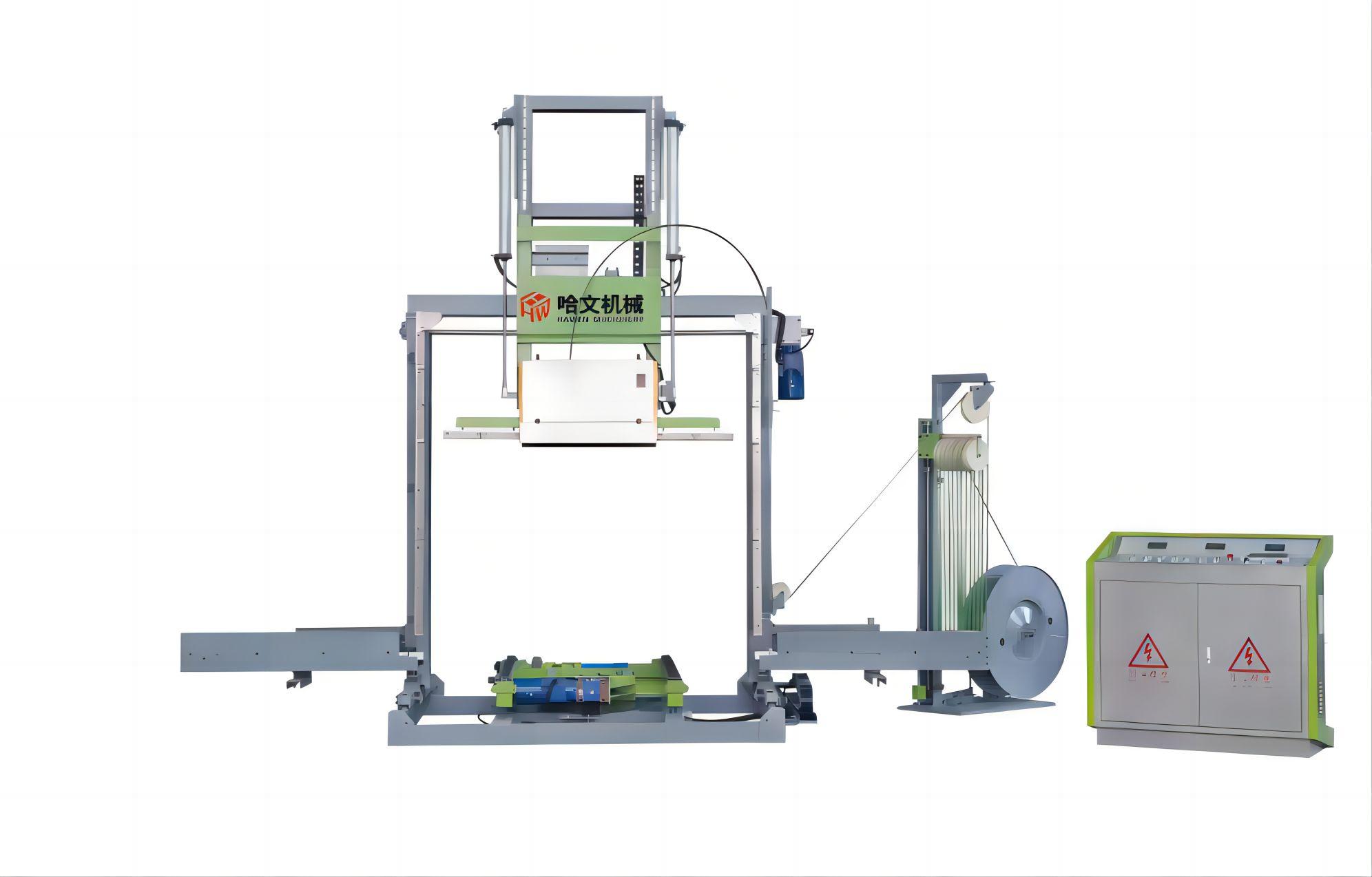
Electrical spare parts may include sensors, relays, buttons, limit switches, contactors, and other control components. Sensor position and wiring labels should be clear so operators can identify faults quickly. Conveyor belts, rollers, bearings, and pallet feeder parts should also be reviewed because they affect daily movement even though they are not part of the host machine frame.
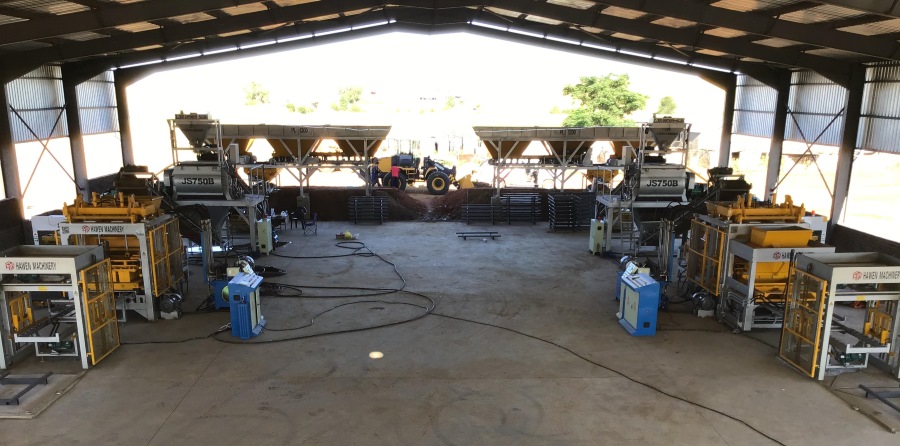
Spare parts planning table
| Spare area | Typical parts to discuss | Why it matters |
|---|
| Mixer | Blades, liner plates, discharge gate parts, seals, and water pipe parts. | Mixer wear directly affects material consistency. |
| Mould | Mould bolts, wear plates, tamper head parts, and cleaning tools. | Product size and demoulding stability depend on mould condition. |
| Hydraulic system | Hoses, seals, filters, valves, fittings, and pressure-related parts. | Small hydraulic faults can stop repeated machine movement. |
| Electrical system | Sensors, relays, buttons, limit switches, contactors, and labeled wiring. | Reduces troubleshooting time during automatic operation. |
Part numbers, quantities, and replacement intervals depend on the exact machine model, mould, hydraulic and electrical configuration, working hours, and material abrasiveness. Confirm the final spare parts list with the supplier and with your maintenance team before shipment.
FAQ
Should spare parts be included in the first order?
Yes, at least basic spare parts should be discussed before shipment. Overseas buyers especially benefit from having common wear parts ready during commissioning and early production.
Are all spare parts machine-specific?
No. Some parts may be standard and available locally, while others are specific to the machine model, mould, hydraulic system, or electrical configuration.
How should buyers choose spare parts quantity?
The quantity should depend on daily working hours, product type, material abrasiveness, local supply conditions, and supplier maintenance recommendations.
Conclusion
Concrete block machine spare parts planning helps buyers reduce downtime and manage early production more reliably. Buyers should review mixer wear parts, mould parts, vibration components, hydraulic hoses, electrical sensors, conveyor parts, pallet feeder parts, and local replacement options. The next step is to request a spare parts list that matches the exact ordered configuration before shipment.
Preparing a spare parts plan for a new block production line? Share your machine model, mould configuration, product types, daily working hours, and local supply conditions so the recommended spare parts list can be matched to your project. You can also review the QT4-15 block making machine as a reference configuration.






 Tel: +86-13905968794
 Email: export@hwmachines.com
 MP/WhatsApp: +86-13905968794
 Manufacturer Address:Nanan,Quanzhou City,Fujian Province,China