Table of Contents
- Fresh block breakage after demoulding
- Material moisture, mixing, and feeding
- Mould, vibration, pressure, and pallet condition
- Stacker, curing yard, and operator handling
- Breakage review table
- FAQ
- Conclusion
Fresh concrete block breakage after demoulding is usually caused by several connected factors, not one single machine problem. Material moisture, aggregate grading, mixing quality, mould condition, vibration time, pressing force, pallet flatness, stacker movement, and operator handling can all affect early block strength. A buyer or plant manager should review the full production process before changing only the machine setting.
Concrete blocks made by an automatic concrete block machine are demoulded immediately after forming. At that moment, the block must be strong enough to keep its shape but still fresh enough for curing. If the recipe, machine adjustment, or handling process is unstable, blocks may crack, lose corners, lean, collapse, or show weak edges.
Fresh block breakage after demoulding
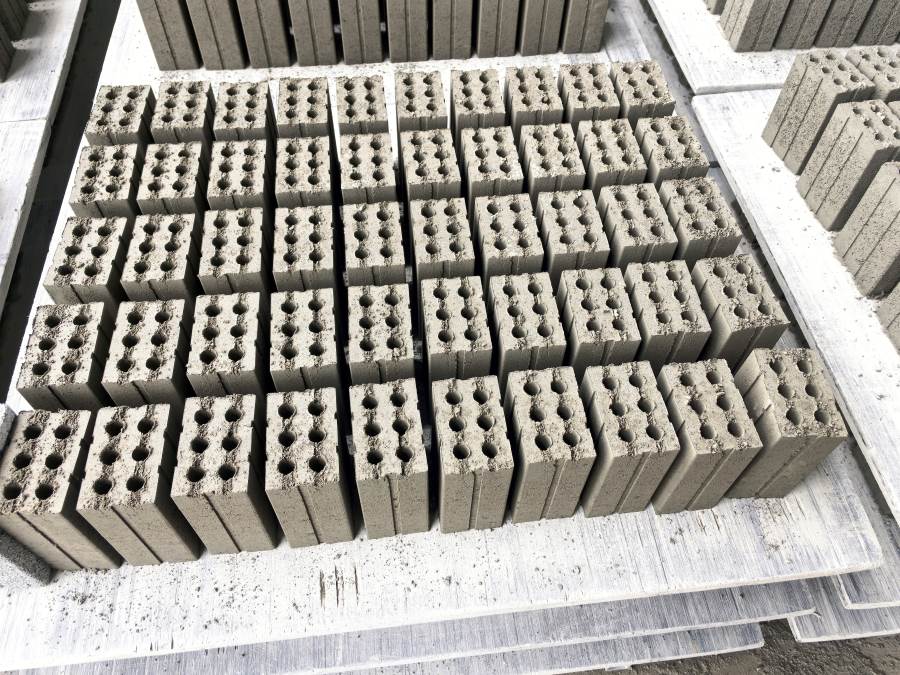
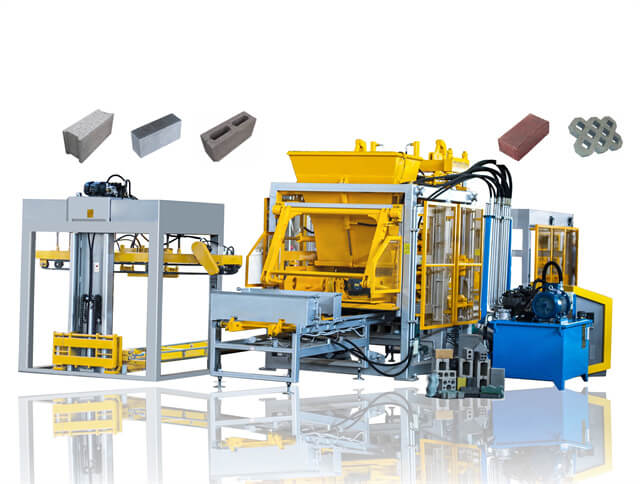
Breakage can appear in different forms. Hollow blocks may crack around internal webs. Pavers may lose corners or show rough surfaces. Kerbstones may develop cracks after lifting or stacking because of their higher weight. Solid blocks may show height variation or edge damage. Each defect gives clues about the cause.
If the same defect appears repeatedly, the plant should record product type, mould used, recipe, water adjustment, vibration time, pressure setting, pallet condition, and operator shift. This record helps identify whether the problem comes from material, mould, machine setting, pallet handling, or curing practice.
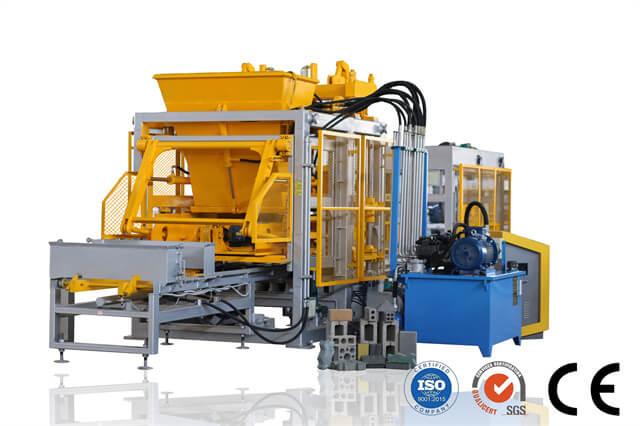
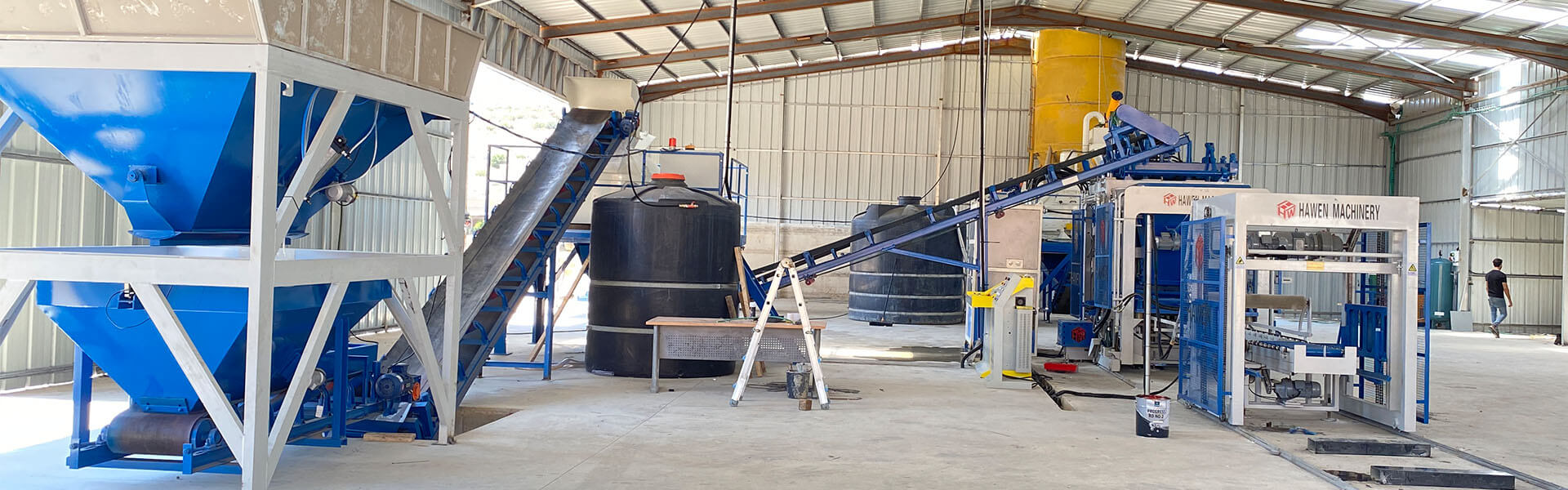
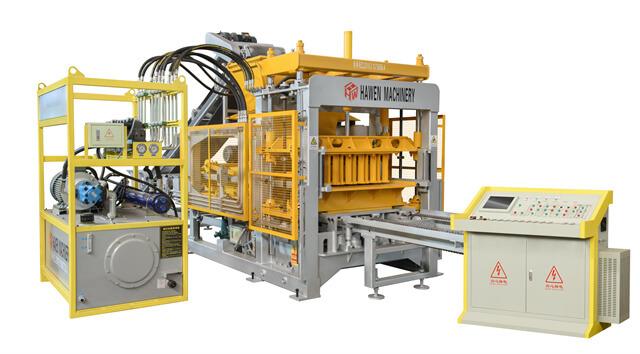
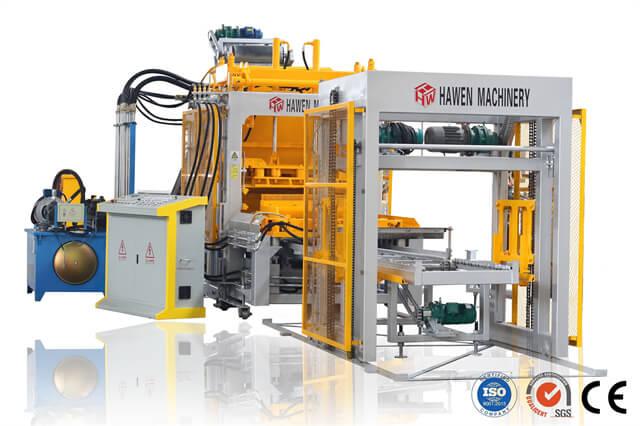
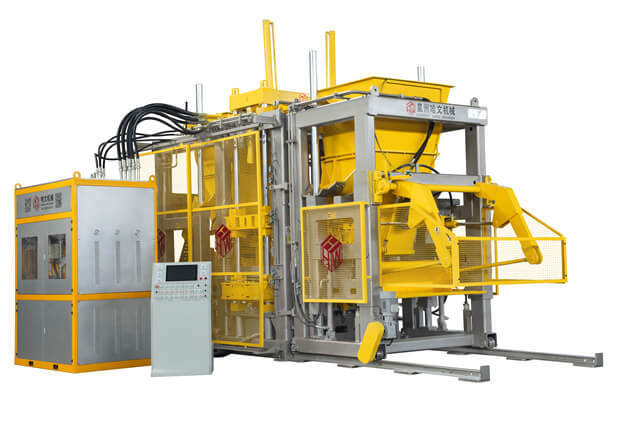
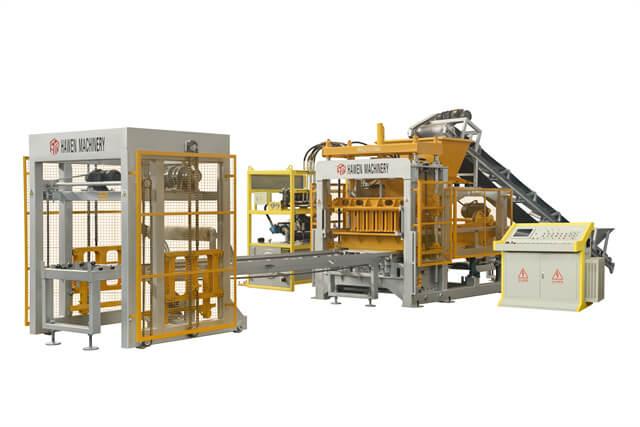
When reviewing a QT8 automatic concrete paver fly ash brick making machine, buyers should ask for sample videos showing demoulding and the first pallet after forming. Finished block photos alone cannot show early handling stability.
Material moisture, mixing, and feeding
Material moisture is one of the most common causes of fresh block defects. If the mix is too dry, the block may not compact enough and corners may break. If the mix is too wet, the block may deform or stick during demoulding. Semi-dry concrete requires careful water control, especially when sand moisture changes during the day.
Mixing quality also matters. Cement, sand, crushed stone, fly ash, and water must be distributed evenly. If the mixer blades are worn or mixing time is too short, the material may not form stable blocks. If material stays too long before forming, moisture may change. The batching and mixing system should be checked before assuming the mould is the only problem.
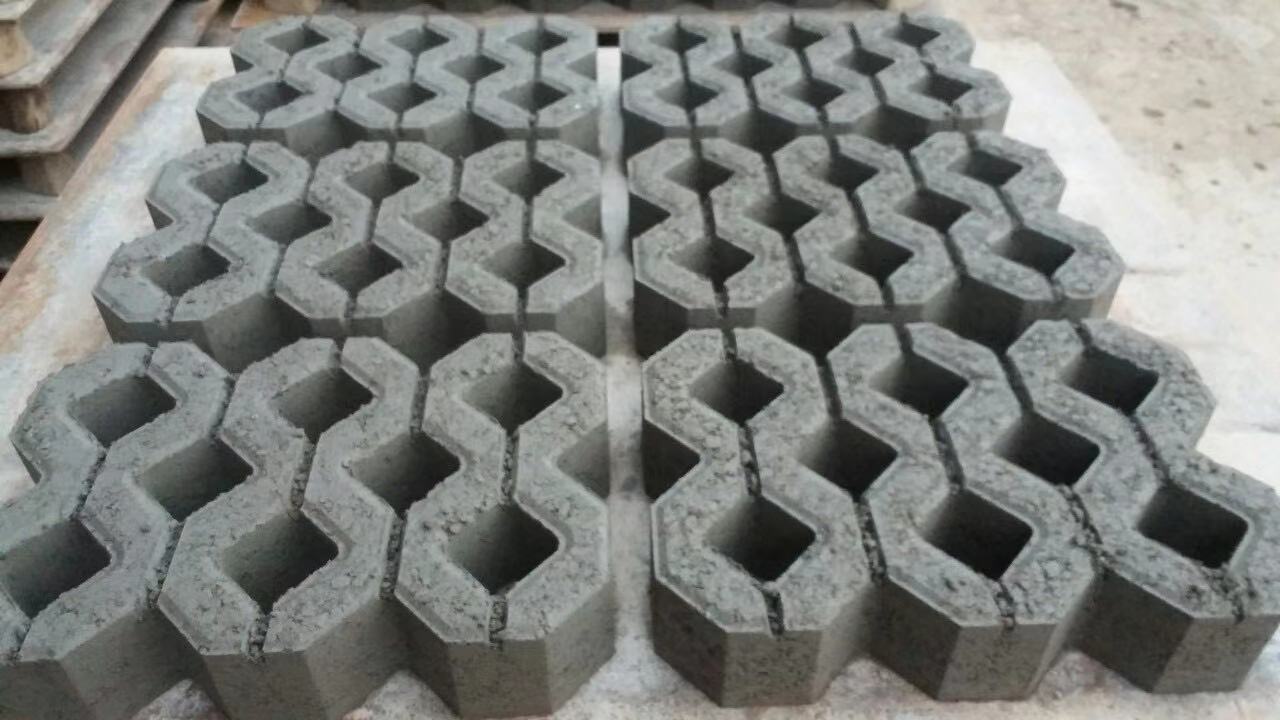
Feeding into the mould must be even. Uneven feeding can create weak corners, incomplete cavities, or height differences. For hollow blocks, material must fill around the core boxes properly. For pavers, surface layer feeding and base material feeding should be controlled separately if face mix is used.
Mould, vibration, pressure, and pallet condition
The mould should be clean, correctly installed, and suitable for the product. Loose mould bolts, worn edges, dirty cavities, or incorrect clearance can cause demoulding problems. Hollow block web thickness should be reviewed because very thin webs are more sensitive to material and vibration changes.
Vibration and pressure should match the recipe and product type. Insufficient vibration may leave the block loose. Excessive vibration may cause segregation or affect surface quality. Pressing force should help compaction without damaging the fresh block. Operators should avoid changing multiple settings at once because that makes troubleshooting difficult.
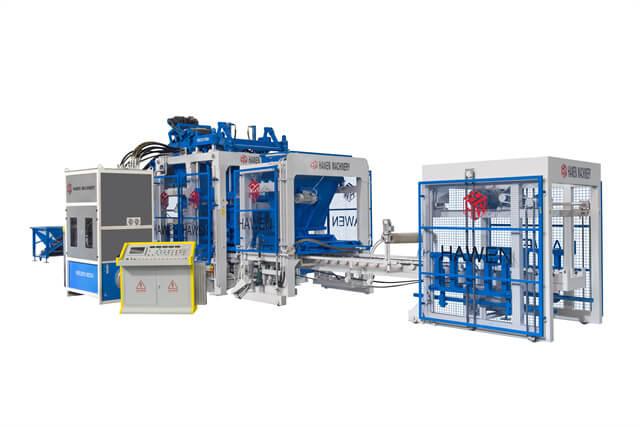
Pallet condition is often overlooked. A warped, dirty, cracked, or weak pallet can affect block height and stability. Every fresh block is carried by a pallet immediately after forming. If the pallet bends during transfer, cracks may appear even when the block was formed correctly. For a deeper look at how pallet quality influences block height and line stability, see How Production Pallet Quality Affects Block Height and Automatic Line Stability.
Stacker, curing yard, and operator handling
The stacker should lift green blocks smoothly. If the stacker movement is too sudden or pallet alignment is poor, fresh blocks may shift or crack. Stack height should match pallet strength and product weight. Heavy kerbstones or large blocks may require more careful stacking than standard hollow blocks.
The curing yard should be level and easy for forklift movement. If forklifts drive over rough ground or turn sharply with green blocks, products may be damaged before curing. Operators should move green products slowly and avoid unnecessary vibration during early handling.
A practical production observation is that early block defects often come from small repeated handling shocks. The machine may form acceptable blocks, but rough pallet transfer, poor stacker alignment, or forklift impact can damage them before curing. For this reason, breakage review should include the full path from mould to curing yard.
Breakage review table
| Problem area |
What to check |
Possible result |
| Material moisture |
Check sand moisture, water dosing, and semi-dry concrete condition. |
Too dry causes weak edges; too wet causes deformation. |
| Mould condition |
Inspect bolts, cavity cleanliness, wear, and demoulding clearance. |
Blocks may crack, stick, or lose corners. |
| Pallet quality |
Check flatness, stiffness, surface damage, and compatibility with feeder. |
Fresh blocks may lean or crack during transfer. |
| Handling route |
Observe stacker movement, forklift speed, yard ground, and stack height. |
Good blocks may be damaged before curing. |
FAQ
Should breakage be solved by increasing vibration?
Not always. More vibration may help in some cases, but it can also create segregation or surface problems. Material moisture, mould condition, pallet quality, and handling should be checked first.
Why do hollow block webs crack after demoulding?
Possible causes include thin web design, dry material, uneven feeding, poor compaction, mould wear, pallet movement, or rough handling before curing.
Can pallet quality affect fresh block breakage?
Yes. Warped or weak pallets can bend during transfer, causing fresh blocks to lean, crack, or lose shape before curing.
Conclusion
Fresh concrete block breakage after demoulding should be reviewed through the complete production path. Buyers and operators should check material moisture, mixing quality, feeding, mould condition, vibration setting, pressure, pallet flatness, stacker movement, curing yard ground, and forklift handling. The next step is to record defects by product type and adjustment setting so the plant can identify the real cause instead of changing machine parameters blindly.
To move forward with a reliable production setup, download the product catalog to review automatic palletizing options, or contact our sales team to discuss your specific block type, mould configuration, and plant layout requirements.





 Tel: +86-13905968794
 Email: export@hwmachines.com
 MP/WhatsApp: +86-13905968794
 Manufacturer Address:Nanan,Quanzhou City,Fujian Province,China