In concrete block production, the production pallet is often viewed as a simple carrier. It moves under the mould, supports the fresh blocks during vibration and pressing, carries the green products to curing, and returns to the machine for the next cycle. Many factories pay attention to pallet quality only after block height, bottom surface, demoulding, or automatic conveying problems appear.
The pallet is not a passive board. During forming, it becomes the lower boundary of the mould cavity. The press head pushes from the top, vibration energy enters through the table, and the pallet supports the mix from below. If the pallet is warped, too flexible, unevenly worn, contaminated, or inconsistent in thickness, the machine may form blocks with height variation even when the mould and hydraulic system are correctly adjusted. This is why pallet quality should be treated as part of the forming system in an automatic block making machine.
This article explains how pallet flatness, rigidity, surface condition, thickness tolerance, and handling stability affect finished block quality. The purpose is not to say one pallet material is always best. Different plants use bamboo pallets, PVC pallets, GMT pallets, steel pallets, or composite pallets depending on budget, climate, product type, curing method, and machine design. The practical question is whether the pallet can keep stable geometry and reliable support through thousands of production cycles.
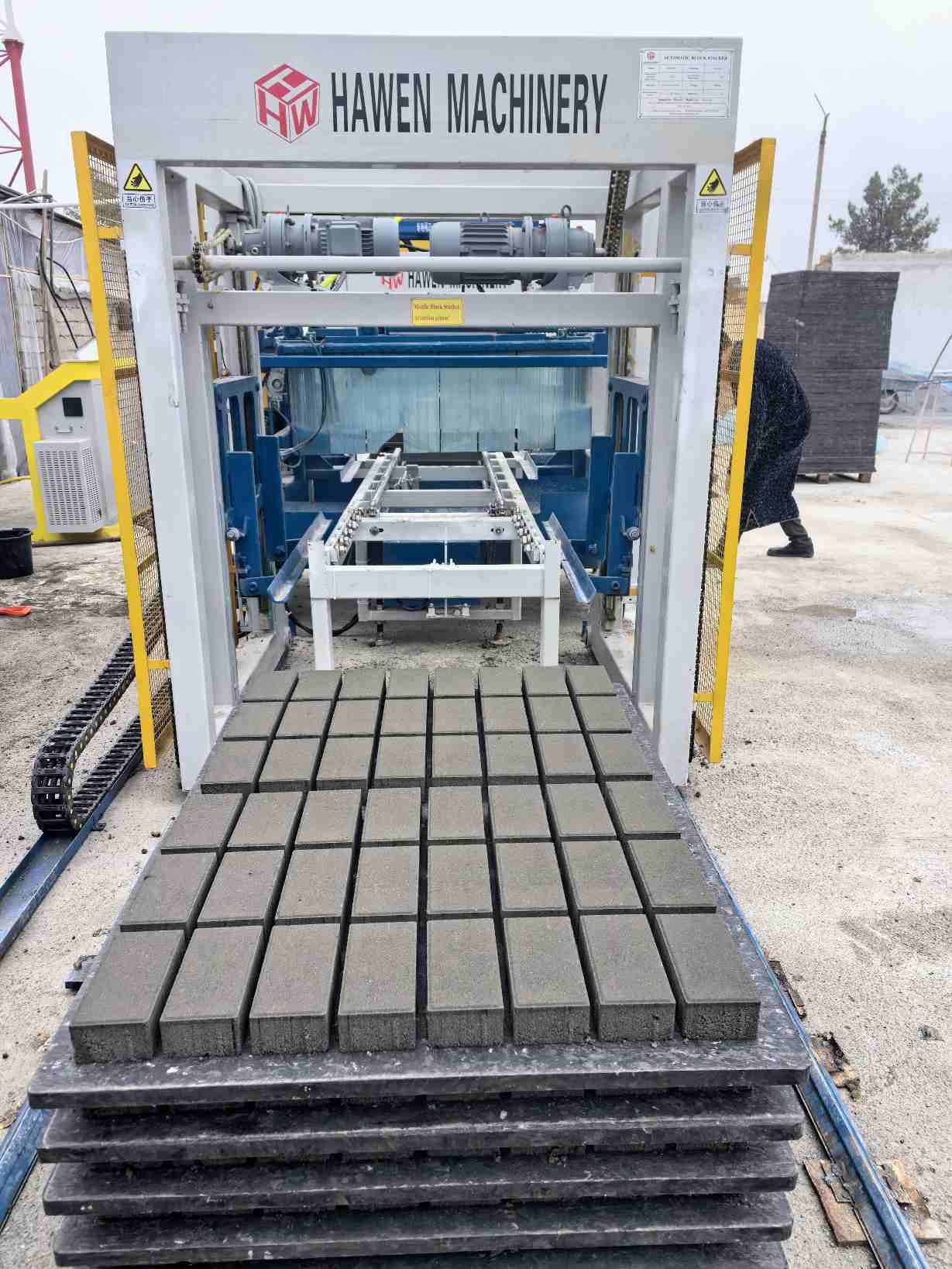
The production pallet has three main jobs. First, it seals the bottom of the mould cavity during feeding, vibration, and pressing. Second, it transfers vibration between the table, mould, and concrete mix. Third, it carries green blocks away without bending, shaking, or damaging edges. These jobs sound simple, but they are difficult because the pallet works under repeated impact, moisture, cement abrasion, temperature change, and heavy block weight.
When the mould descends onto the pallet, the pallet surface becomes part of the product geometry. Any unevenness under the mould may change the effective cavity height. If one corner of the pallet is high, the block in that area may be slightly shorter. If the center is low, the middle cavities may receive different compaction. In a large pallet machine, a small surface difference can affect many blocks in one cycle.
The pallet also affects demoulding. Fresh blocks are not fully hardened when they leave the mould. They rely on compacted internal structure and bottom support to keep shape. A pallet that vibrates unevenly or moves during mould lifting can cause corner cracking, bottom tearing, or small height changes. For high-output lines, this can create many minor defects before the operator realizes the pallet is the source.
How pallet flatness affects block height
Block height is usually adjusted through mould height, press head stroke, feeding amount, vibration time, hydraulic pressure, and material moisture. However, pallet flatness is another important variable. The mould rests on or closes against the pallet area, so the pallet surface defines the lower reference plane. If pallets in circulation have different flatness, the machine is effectively forming blocks on different bases throughout the shift.
Warped pallets are the most common cause. A pallet may bend upward at the edges, sag in the center, twist diagonally, or develop local dents. This can happen because of long use, poor stacking, moisture absorption, heat exposure, impact, overload, or unsuitable pallet material. When warped pallets enter the machine randomly, block height variation may appear intermittently. The operator may adjust the machine, but the next good pallet hides the problem and the next bad pallet brings it back.
Thickness tolerance also matters. Even if every pallet is flat, different thicknesses can change how the mould, vibration table, and pallet support system align. Automatic pallet feeders and lowerators also depend on consistent pallet dimensions. If pallets from different batches are mixed without sorting, the line may show uneven forming pressure, conveying jams, or pallet positioning errors.
A simple inspection method is to select pallets from several positions in the circulation loop, place them on a known flat reference, and check edge gap, center gap, diagonal twist, and surface dents. The factory should not inspect only new pallets. It should inspect working pallets after real production because heat, moisture, and handling reveal problems that are not visible on delivery day.
Pallet rigidity and vibration transfer
During block forming, vibration energy must move through the machine structure and into the concrete mix. The pallet sits directly under the mould, so its rigidity affects how vibration is transferred. A pallet that is too flexible may absorb part of the vibration energy instead of transmitting it evenly. A pallet that is too hard but poorly matched to the machine may create impact noise, bouncing, or uneven contact.
Rigidity is especially important for dense products such as pavers, kerbstones, and high-strength hollow blocks. These products need repeatable compaction from top pressure and bottom support. If one pallet bends more than another under pressing load, the effective compaction condition changes. The machine may show normal pressure on the gauge, but the actual forming support under the product is not the same.
The effect becomes clearer on larger pallet sizes. A small flexible area under one block may be difficult to see, but a large pallet supporting many cavities can show different vibration behavior between center and edge positions. Inconsistent rigidity may lead to weight variation across the pallet, different bottom texture, or slight differences in corner sharpness. When evaluating a high-capacity model such as a QT15 automatic concrete paver block machine, pallet rigidity should be reviewed together with mould size and vibration design.
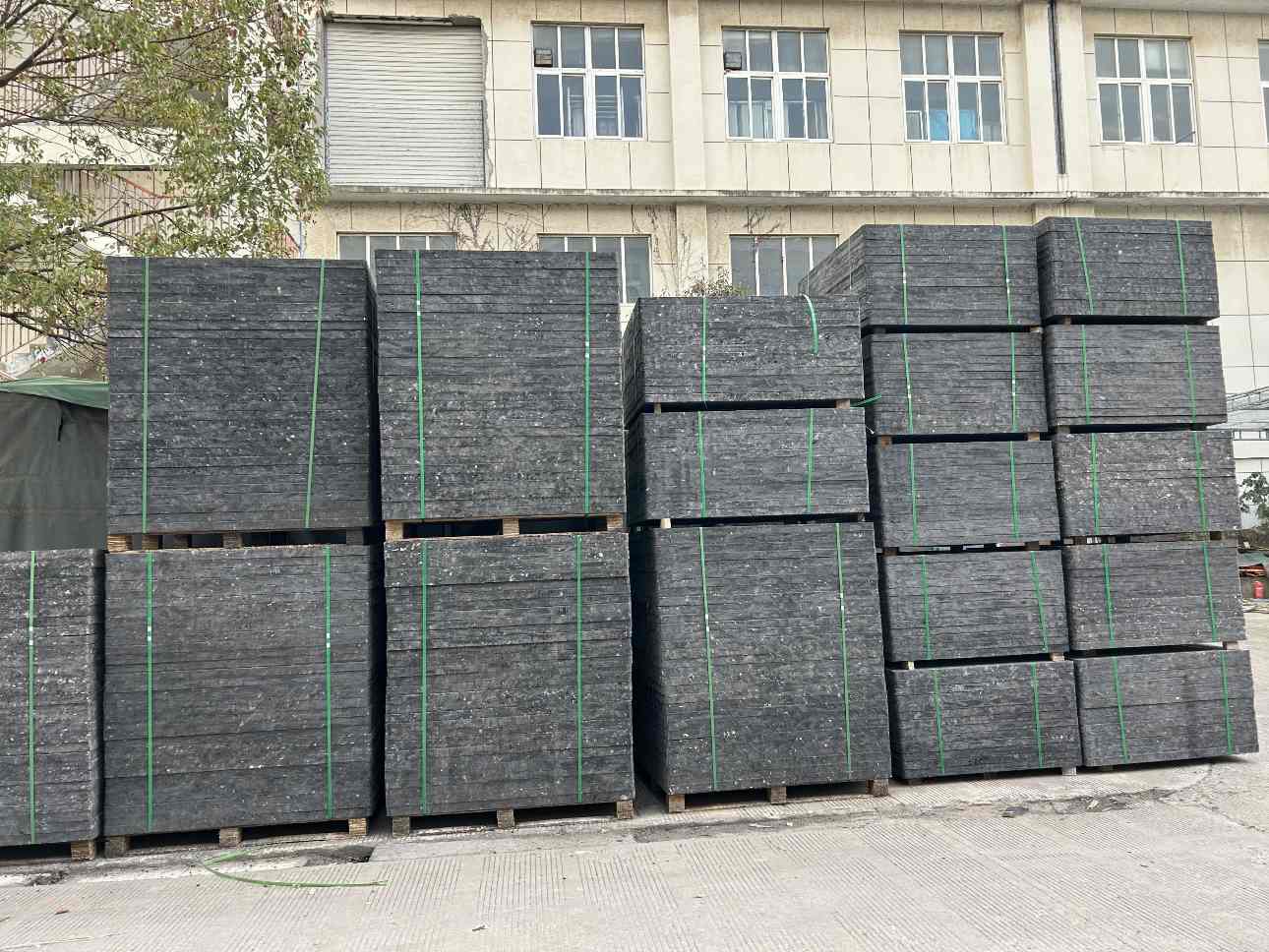
Surface wear and block bottom finish
The pallet surface directly touches the bottom of the fresh block. If the surface is clean and even, the block bottom is more likely to be flat and stable. If the surface has dents, hardened concrete, scratches, delamination, swelling, or oil contamination, those defects can transfer to the block bottom. A poor bottom surface may reduce stacking stability, create curing marks, or cause breakage during later handling.
Hardened concrete buildup is a common problem. Small pieces may stick to the pallet after demoulding or curing. If they return to the machine, they can lift part of the mould or create a local high point under one block. The result may look like a mould problem or press head problem, but the cause is actually dirt on the pallet. This is why pallet cleaning is not only housekeeping; it is a forming quality control step.
Surface wear also changes friction. A pallet with a rough, dry, damaged surface may hold the green block too strongly, increasing the risk of bottom tearing during movement. A surface that is too smooth or contaminated may allow the green block to slide during conveying. Both conditions are undesirable. The target is a stable surface that supports the green block without excessive adhesion or sliding.
For colored pavers and face-mix products, the pallet surface can influence the bottom layer and curing contact marks. While customers usually see the top face, poor bottom stability can still affect product handling and palletizing. A clean, consistent pallet surface helps the line produce blocks that are easier to cure, stack, and transport.
Automatic line stability around pallet movement
In an automatic block production line, pallets do not only sit under the mould. They move through pallet feeding, positioning, vibration table entry, demoulding, elevator or lowerator, curing transfer, cubing, and return systems. Each movement depends on stable pallet size, straight edges, and predictable weight. A damaged pallet can create positioning errors even before the forming cycle begins.
Pallet edge wear can affect sensors and mechanical stops. If a pallet corner breaks, it may not locate correctly in the machine. If the pallet is swollen or warped, it may rub against guides, jam in the feeder, or enter the mould area at a slight angle. These problems reduce cycle stability and may cause the operator to slow the machine. The loss is not only one bad pallet; it is lower line efficiency.
Automatic cubing and curing systems also depend on pallet consistency. If pallets bend under green block weight, products may move during transfer. If the return line brings dirty or wet pallets back too quickly, the forming section receives unstable support. A complete line should therefore connect pallet inspection with curing, return, and cleaning routines, not leave pallet quality only to the operator at the forming machine.
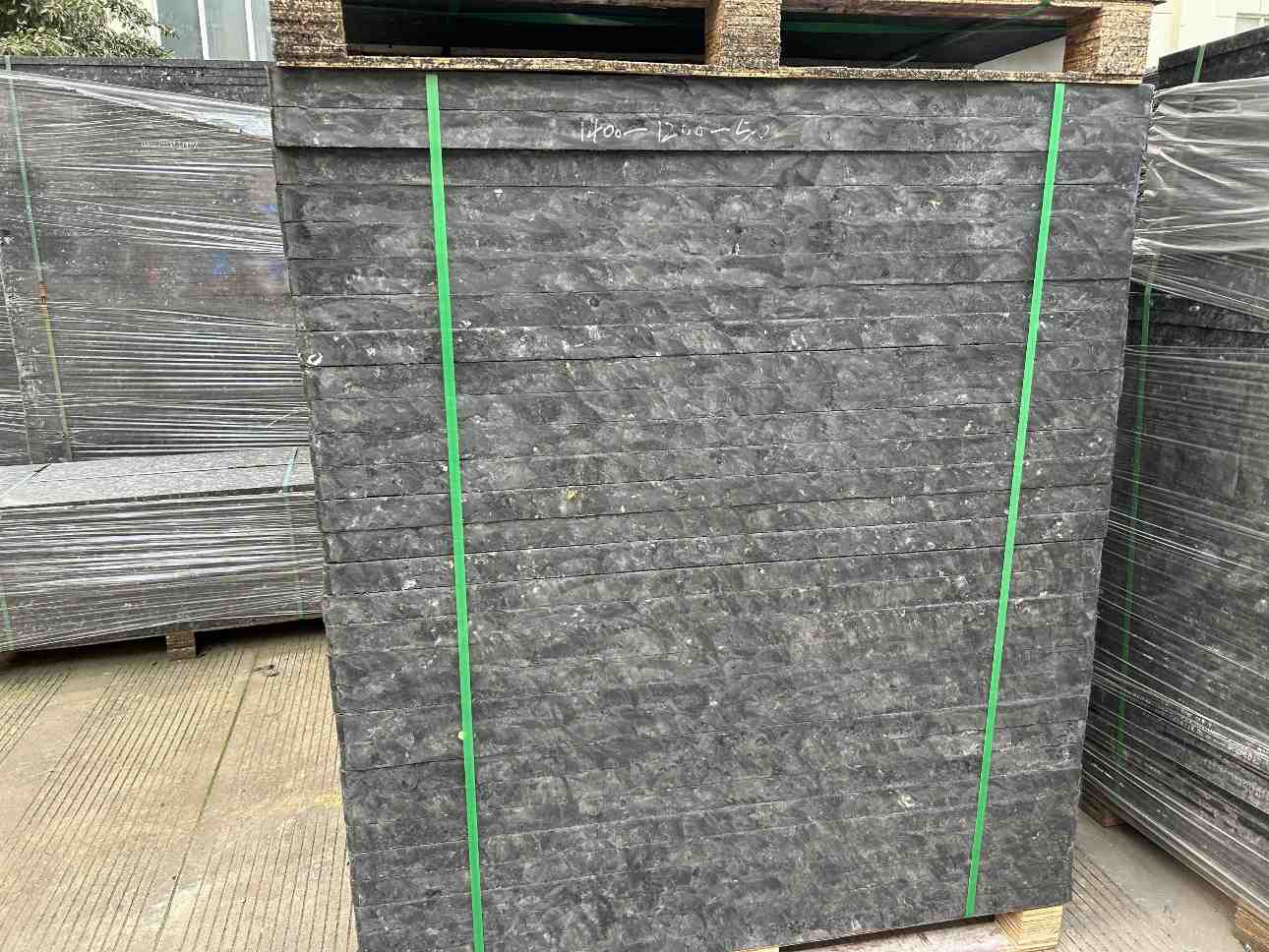
Comparison table for pallet evaluation
| Evaluation point | Poor pallet condition | Stable pallet condition |
|---|
| Flatness | Warp, sag, twist, or dents create inconsistent mould bottom reference. | Flat surface supports consistent block height and demoulding stability. |
| Rigidity | Excessive bending absorbs vibration and changes compaction under load. | Adequate stiffness helps transfer vibration and support pressing force evenly. |
| Surface condition | Hardened concrete, scratches, swelling, or oil marks affect block bottom finish. | Clean, even surface reduces bottom defects and improves stacking stability. |
| Dimensional consistency | Mixed thickness or damaged edges may cause feeder and sensor problems. | Consistent size supports smooth pallet circulation and automatic positioning. |
| Maintenance demand | Frequent cleaning, sorting, and unplanned replacement are required. | Planned inspection and rotation keep the line stable with fewer surprises. |
Buyer checkpoints before replacing pallets
When a factory plans to buy replacement pallets, the first checkpoint is machine compatibility. The pallet length, width, thickness, weight, edge shape, and surface material must match the pallet feeder, vibration table, mould size, elevator, curing rack, and cubing system. A pallet that looks strong may still be unsuitable if it is too heavy for the handling system or too thick for the mould closing height.
The second checkpoint is product type. Hollow blocks, solid blocks, pavers, slabs, grass blocks, and kerbstones load the pallet differently. A plant producing heavy kerbstones needs stronger support than a plant producing small hollow blocks. A plant producing face-mix pavers may care more about vibration consistency and clean bottom contact. The pallet supplier should know the machine model, pallet size, product range, cycle time, curing method, and expected daily output.
The third checkpoint is local environment. High humidity, outdoor storage, hot curing areas, rough forklift handling, and long curing time can shorten pallet life. Some materials resist moisture better, while others need stricter storage and rotation. Before choosing pallet material, buyers should consider how pallets are stacked, cleaned, moved, and stored, not only the purchase price.
Buyers should also compare pallet samples under real production. Install several sample pallets in the line, mark them, and inspect them after repeated cycles. Check block height, bottom finish, pallet bending, edge wear, and machine positioning. This small test gives more useful information than only comparing catalog strength numbers.
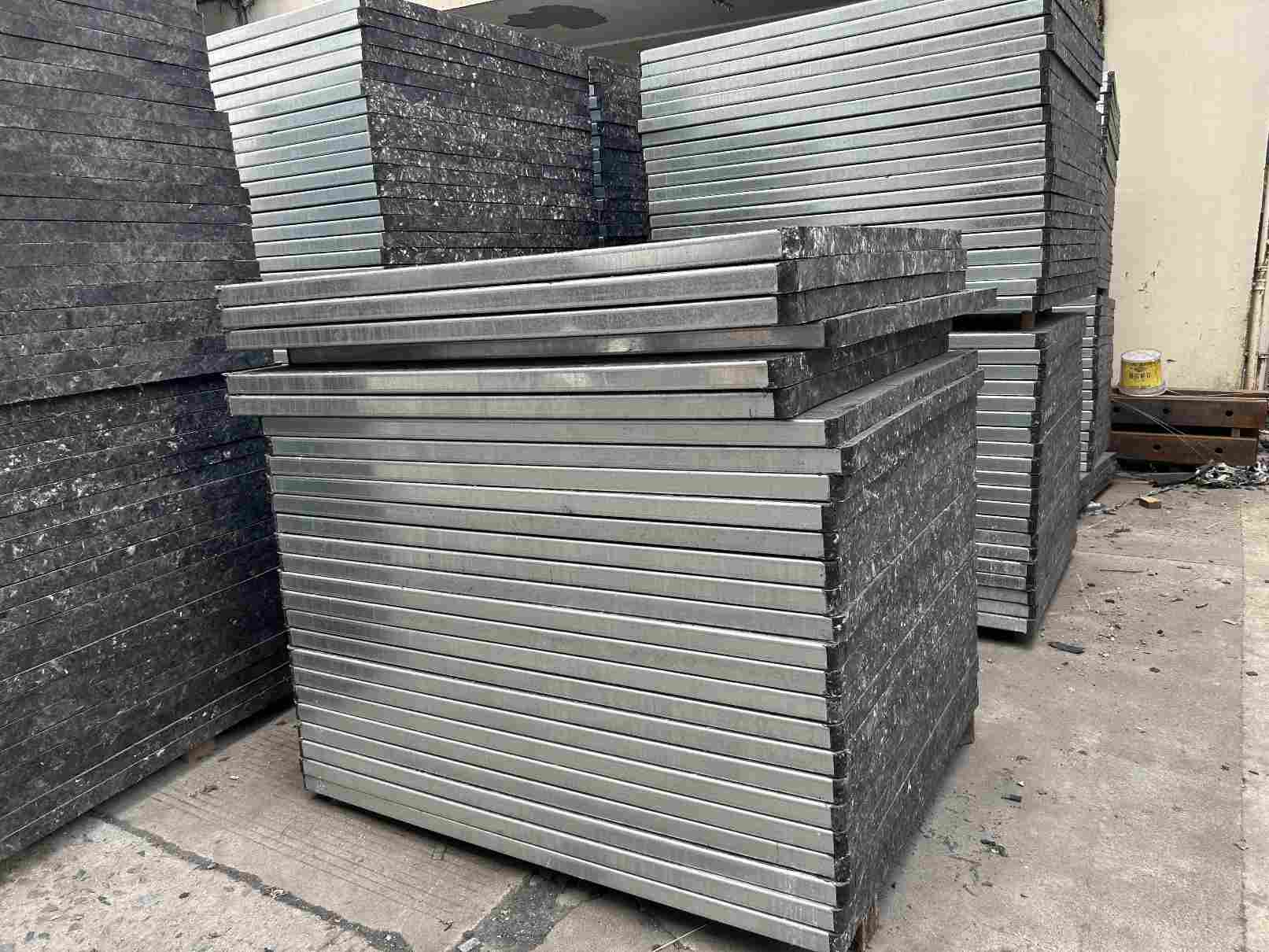
Maintenance and sorting routine
A pallet maintenance routine should include cleaning, visual inspection, flatness checks, and sorting. Cleaning removes fresh and hardened concrete before it becomes a forming defect. Visual inspection finds broken corners, delamination, deep scratches, swelling, and edge damage. Flatness checks should be done on a reference frame or flat floor area rather than by eye alone.
Sorting is important because not every worn pallet must be removed immediately. Some pallets can be used for lower-value products, short test runs, or non-critical applications. Severely warped or broken pallets should be removed from automatic circulation because they can damage moulds, disturb sensors, or create repeated defective blocks. Marking pallets by condition helps operators avoid mixing good and bad pallets randomly.
Storage also affects service life. Pallets should be stacked on level support, protected from unnecessary standing water, and handled without sharp impact. If pallets are stored unevenly, they may bend before they return to production. In a complete line that includes batching and mixing equipment such as a batching machine and planetary concrete mixer, pallet care should be included in the same production quality routine as mix control and mould inspection.
FAQ
Can a bad pallet really change block height?
Yes. The pallet forms the lower reference plane under the mould. If it is warped, dented, or inconsistent in thickness, the effective cavity height and compaction condition can change from cycle to cycle.
Why do bottom cracks sometimes appear after demoulding?
Possible causes include poor mix moisture, weak compaction, fast movement, or mould issues, but pallet surface and support should also be checked. Uneven support or hardened concrete on the pallet can damage the fresh block bottom.
Should old and new pallets be mixed together?
Mixing is risky if thickness, flatness, or rigidity differ greatly. If old and new pallets must be used together, sort and test them first so the machine does not alternate between very different support conditions.
How often should pallets be inspected?
Daily visual checks are useful for broken corners and surface buildup. Flatness and thickness checks can be scheduled based on production volume, product weight, curing method, and the defect rate observed in finished blocks.
Conclusion
Production pallets affect concrete block quality because they define the lower forming surface, support vibration and pressing, carry green products, and move through the entire automatic line. Poor flatness can change block height. Weak rigidity can reduce vibration transfer. Surface wear can damage the bottom finish. Dimensional inconsistency can cause pallet feeding, sensor, curing, and cubing problems.
For buyers and plant managers, the next step is to evaluate pallets as production tooling rather than disposable boards. Check compatibility with the machine, test sample pallets under real cycles, record block height and bottom finish, and create a sorting routine for worn pallets. When pallet quality, mould condition, vibration, hydraulic pressing, mix control, and curing are managed together, the block machine can produce more stable products.





 Tel: +86-13905968794
 Email: export@hwmachines.com
 MP/WhatsApp: +86-13905968794
 Manufacturer Address:Nanan,Quanzhou City,Fujian Province,China