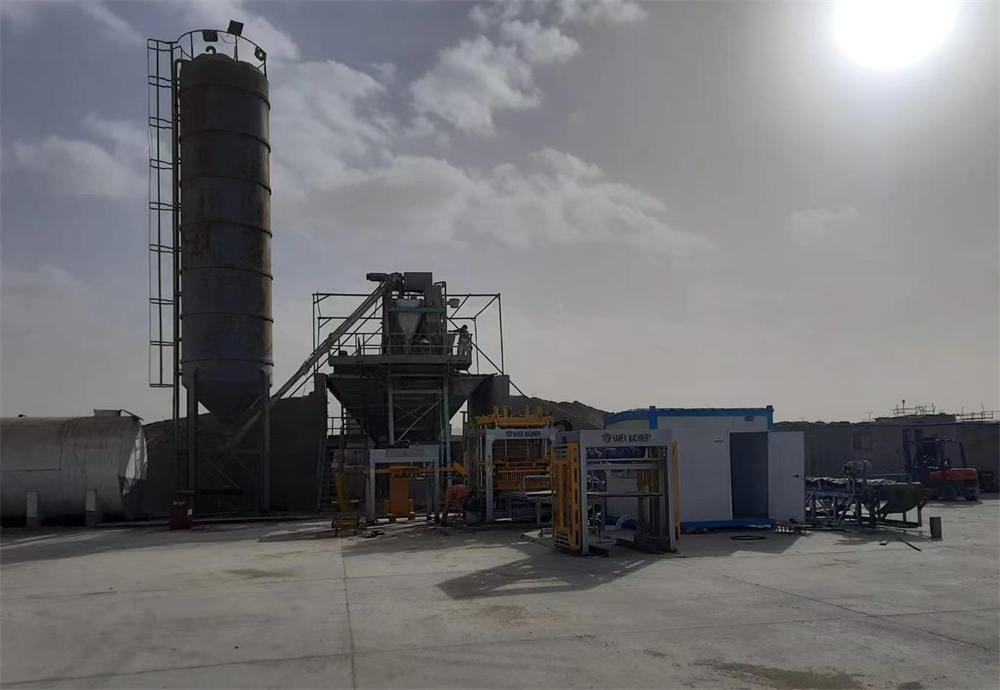
How to Improve Curb Stone Edge Sharpness in a Brick Machine Line is a practical topic for factories that want more stable output from a block machine without increasing rejection. When curb stone edge sharpness is not controlled, the plant may see rounded edges, chipped corners, weak arrises, and an unfinished look after curing. A reliable brick machine line solves the cause before it tries to speed up production.
Overview
Curb stone edge sharpness affects product geometry, surface finish, curing behavior, and customer acceptance. In a block making machine plant, one small process drift can travel from raw material storage to the finished pallet. That is why the best correction is structured, measured, and repeated across shifts.
Process note: Concrete product quality is rarely controlled by one setting. Batching accuracy, mixer condition, mold cleanliness, vibration, pallet support, and curing movement should be read as one chain.
Root causes
The main reason is that dry material, worn mold corners, weak compaction at long edges, or early handling before the product gains enough green strength. The issue may begin at the batching machine or concrete mixer, then appear at the mold box after compaction. Operators should compare fresh blocks from several pallets before deciding which adjustment is responsible.
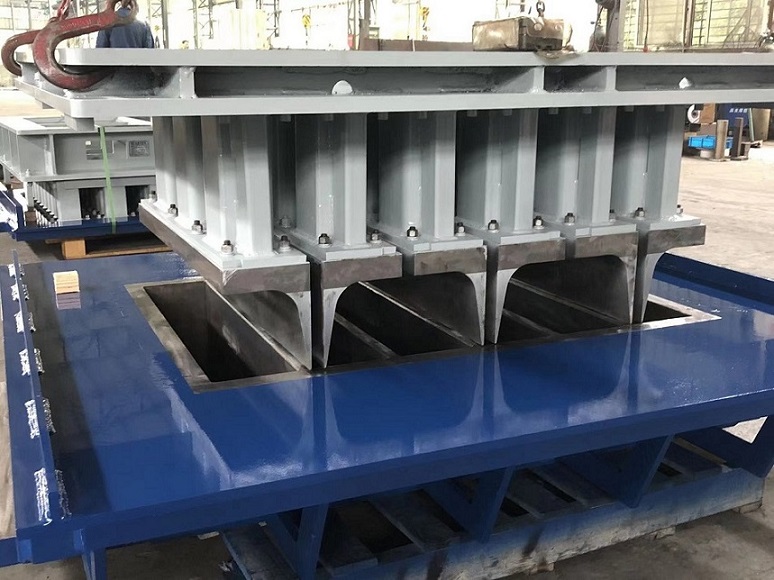
Also inspect the cement silo, material transfer route, and pallet condition. If the GMT pallet is bent or the feeding path is dirty, even a strong brick making machine can produce inconsistent results.
Solution plan
The practical solution is to balance moisture, feeding depth, mold condition, vibration time, and first-stage curing before changing the cement ratio. Start with the easiest checks: material moisture, product height, surface texture, mold filling, and demoulding behavior. Then adjust one parameter at a time so the result can be repeated.
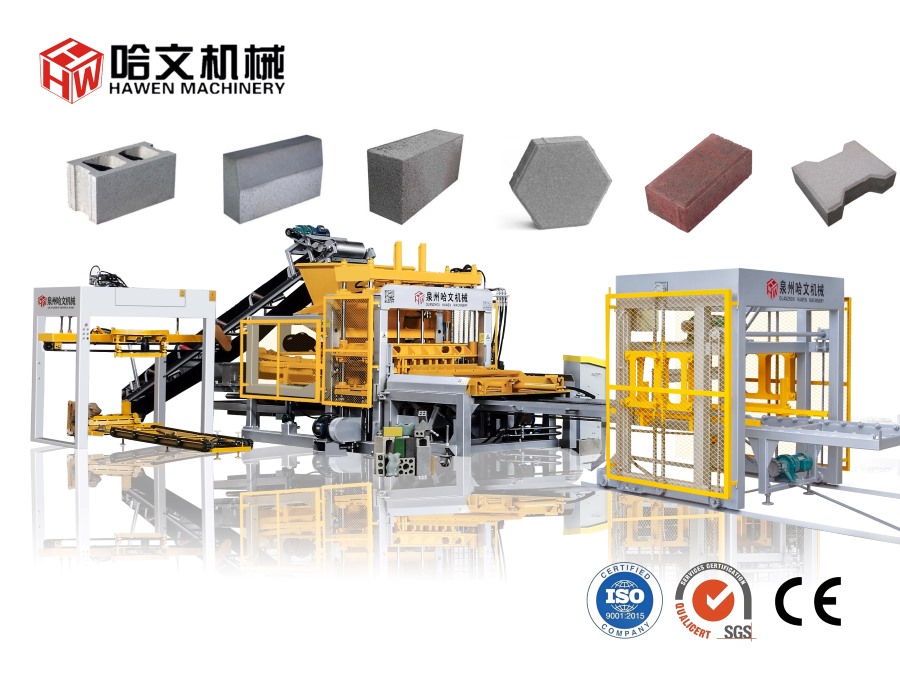
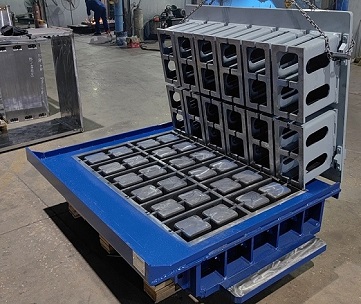
For product-specific correction, compare the hollow block mould, interlocking paver mould, and curb stone mould only when they match the product being produced. A mold should guide the concrete cleanly, while the machine provides stable pressure and vibration.
Hawen Machinery note
Hawen Machinery designs molds to match leading block machine brands including Masa, Hess, Zenith, Poyatos, Besser, Tiger, Columbia, Quadra, and Omag. The molds follow original-style dimensions, receive heat treatment for wear resistance, and are checked to HRC59-61 hardness for stable long-term use.
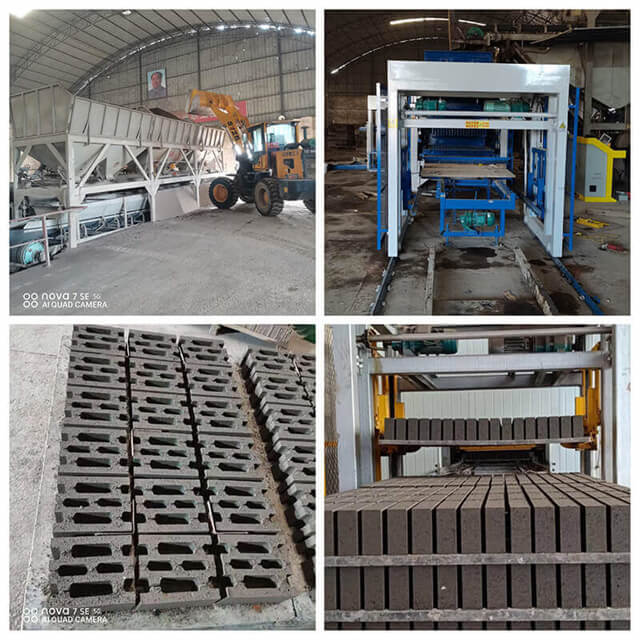
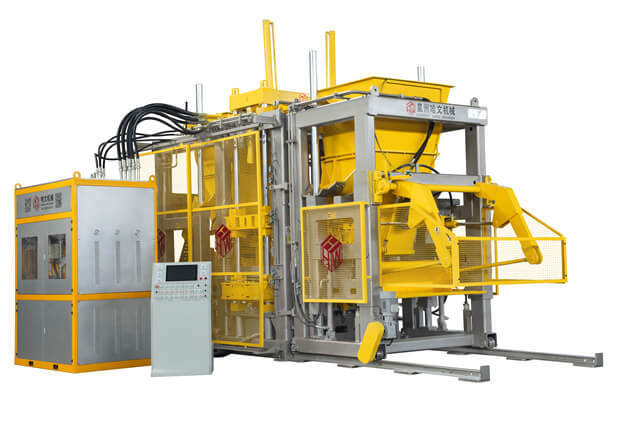
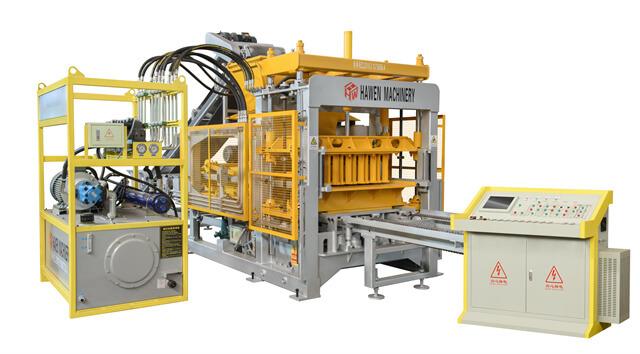
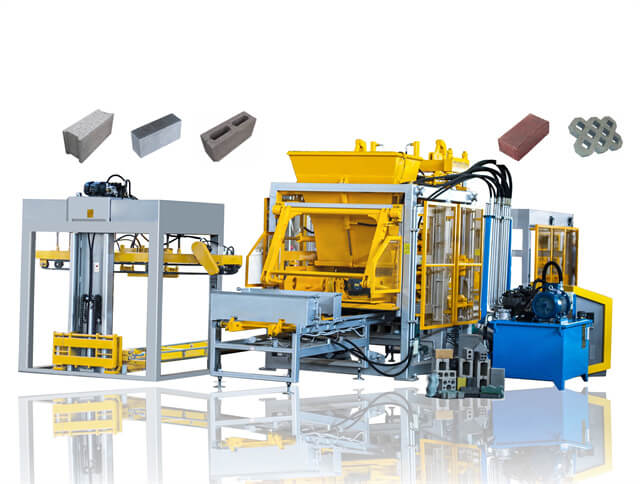
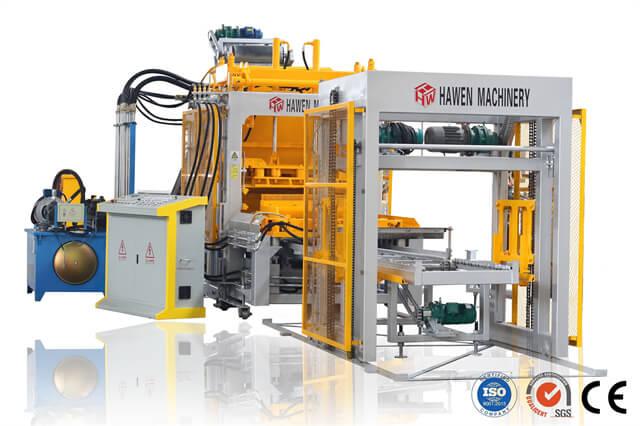
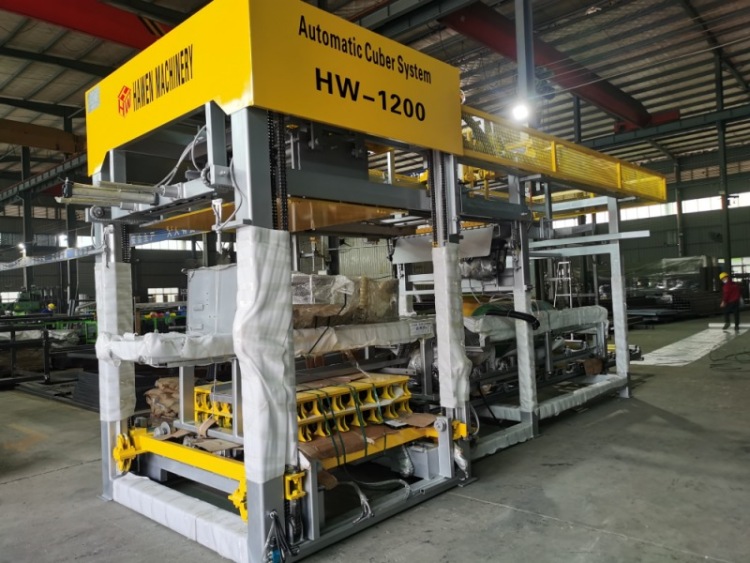
The complete line can also be matched with an automatic pallet provider and an automatic offline palletizing system to reduce manual interruption. Customers who need different outputs can review the QT12 automatic hydraulic hollow block production line or a compact QT6 cement paver brick production machine according to space, labor, and product type.
Production checklist
- Record the product, mold, material moisture, operator settings, and shift condition.
- Check feeding, vibration, hydraulic movement, pallet flatness, and curing transfer in order.
- Run trial pallets before mass production and compare all cavities.
- Keep successful parameters as a recipe for the same product and raw material condition.
Good production is not a lucky setting. It is a disciplined system where the block machine, material, mold, pallet, and people move toward one repeatable result. When that system is built carefully, every concrete block becomes more than a saleable product; it becomes proof that the factory can turn pressure, vibration, and raw aggregate into dependable construction value.
FAQ
What is the first sign of curb stone edge sharpness problems?
Look for repeated defects on fresh products, such as uneven height, weak edges, surface marks, or unstable demoulding.
Should I adjust machine speed first?
No. Check material, mold filling, vibration, pallet support, and curing transfer before increasing or reducing cycle speed.
Can the same parameter work for pavers and hollow blocks?
Usually not. Different products need different feeding depth, vibration time, pressure rhythm, and curing handling.
Why do defects change from one shift to another?
Moisture, aggregate grading, operator habit, pallet condition, and machine temperature can all change during daily production.
How many links in the process should be checked?
Check batching, mixing, feeding, forming, demoulding, pallet transfer, and early curing as one continuous process.
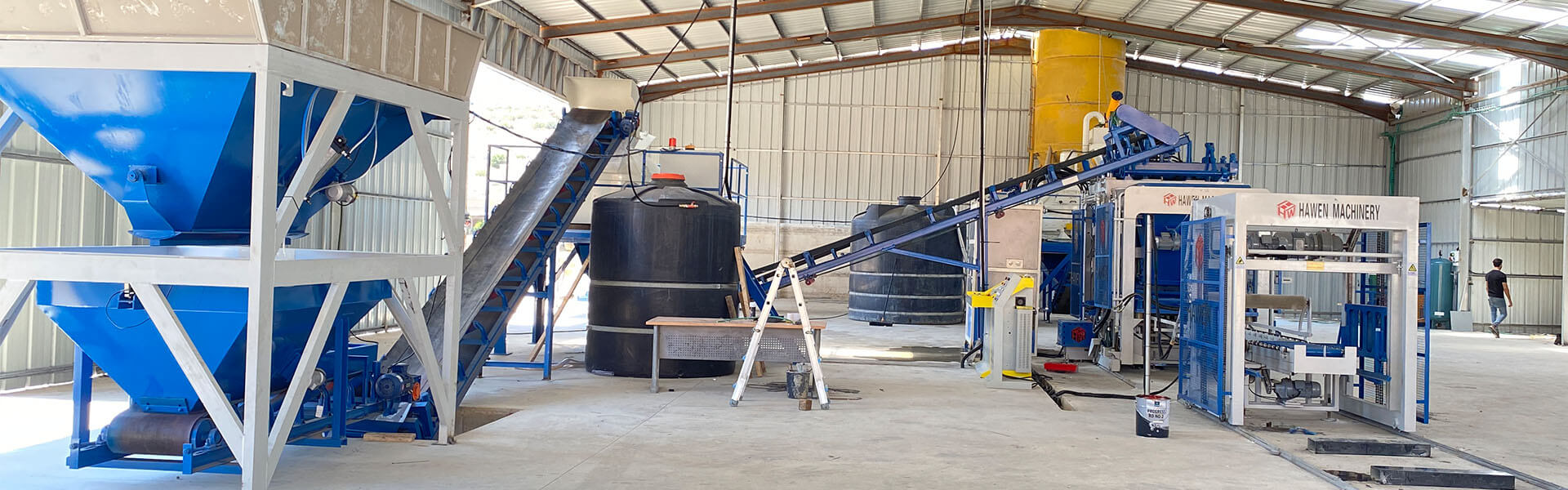
How can Hawen Machinery support a factory after installation?
Hawen can help customers review line layout, machine parameters, mold matching, control system status, and practical production routines.





 Tel: +86-13905968794
 Email: export@hwmachines.com
 MP/WhatsApp: +86-13905968794
 Manufacturer Address:Nanan,Quanzhou City,Fujian Province,China