How Does Vibration Affect the Quality of Concrete Blocks?
When discussing concrete block production, people often focus on the concrete mix design, cement quality, or mould precision. While these factors are undoubtedly important, the vibration system is equally critical. Even with high-quality raw materials and a well-designed mould, poor vibration can result in weak blocks, rough surfaces, inconsistent dimensions, and lower production efficiency.
Vibration is much more than simply shaking the concrete. It is a carefully controlled compaction process that removes trapped air, improves particle arrangement, and ensures the concrete completely fills the mould cavity. A properly designed vibration system helps manufacturers produce blocks with higher density, greater compressive strength, and a more uniform appearance. Understanding how vibration works allows block producers to optimize both product quality and machine performance.
Contents
Why Is Vibration So Important?
Fresh concrete is made from cement, aggregates, sand, water, and sometimes additional materials such as fly ash or mineral admixtures. Although these ingredients are thoroughly mixed before entering the mould, the mixture still contains numerous tiny air pockets. If these air pockets remain inside the concrete after forming, they create internal voids that reduce the density and strength of the finished block.
The purpose of the vibration system is to remove these trapped air pockets while helping the concrete particles settle into a more compact structure. During vibration, coarse aggregates move into a more stable position, sand fills the remaining gaps, and the cement paste binds everything together more evenly. The result is a block with fewer internal defects, better dimensional accuracy, and a smoother surface finish.
Consistent vibration also improves production stability. When every mould receives the same vibration intensity and duration, each block produced throughout the day maintains similar weight, density, and strength. This consistency is particularly important for large construction projects where uniform product quality is essential.
How Vibration Improves Concrete Compaction
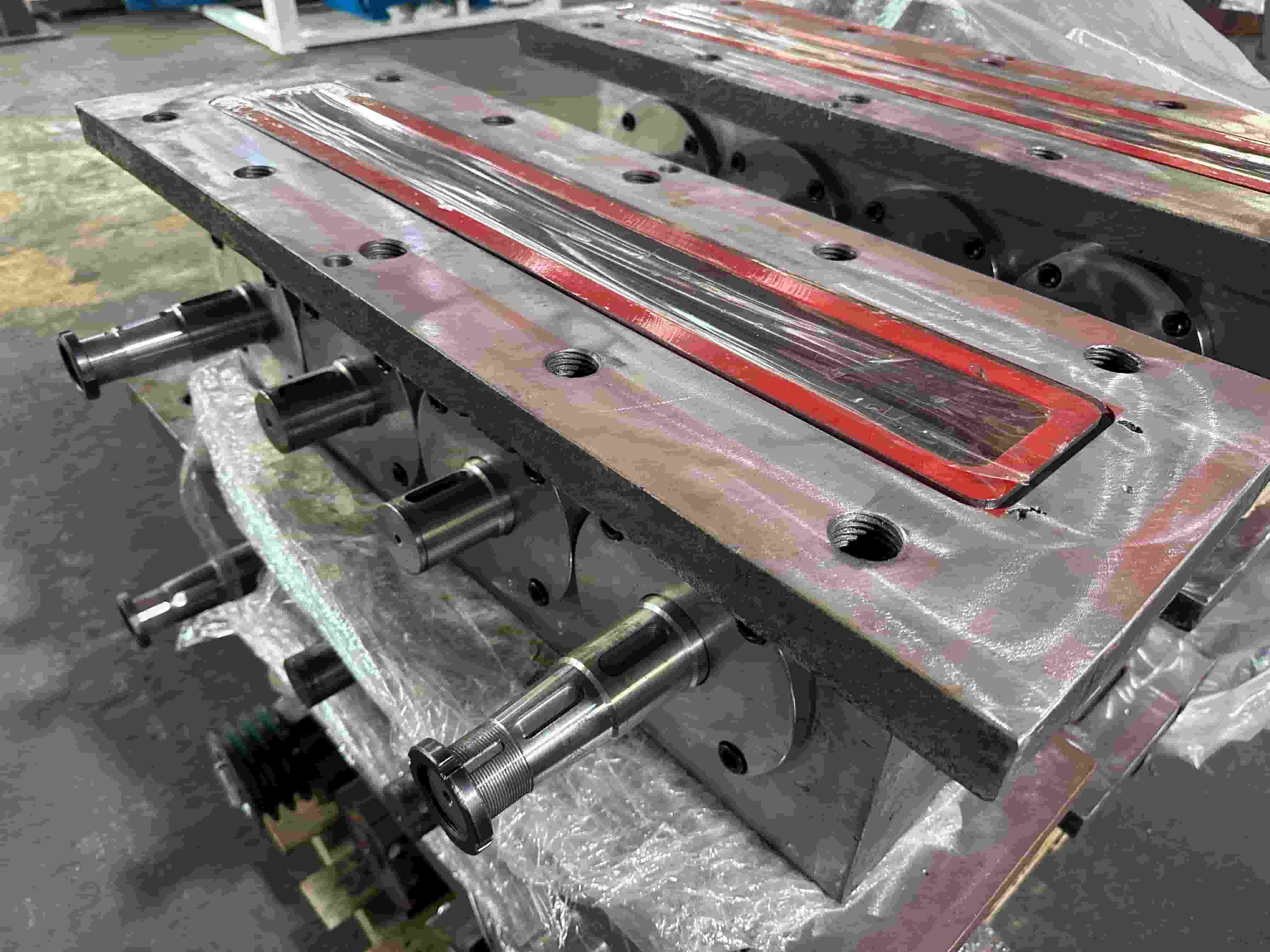
Concrete compaction is the process of increasing the density of fresh concrete by removing unnecessary air and reducing the space between aggregate particles. In modern block making machines, vibration works together with hydraulic pressure to achieve this goal. While the tamper head applies downward pressure, the vibration system energizes the concrete, allowing the material to flow naturally into every corner of the mould.
As vibration continues, the particles rearrange themselves into a tighter structure. Larger aggregates create the main framework of the block, while smaller particles fill the remaining spaces. This gradual rearrangement reduces internal voids and produces a more homogeneous concrete structure. Proper compaction not only increases compressive strength but also reduces water absorption and improves long-term durability.
The effectiveness of this process depends on maintaining the correct vibration parameters. Too little vibration leaves air trapped inside the concrete, while excessive vibration may cause segregation, where coarse aggregates settle and excess cement paste rises to the surface. Achieving the right balance is therefore essential for producing high-quality concrete products.
The Relationship Between Vibration and Block Quality
A properly adjusted vibration system directly affects nearly every aspect of the finished block. One of the most noticeable improvements is higher compressive strength, as denser concrete can withstand greater loads. Better compaction also creates cleaner edges, sharper corners, and more consistent block dimensions, making the products easier to stack and transport.
Surface quality is another important benefit. When concrete is evenly distributed throughout the mould, the finished blocks have a smoother appearance with fewer surface defects such as honeycombs, pinholes, or rough edges. This is especially important for decorative paving stones and architectural concrete products where appearance plays a significant role.
Proper vibration can also improve production efficiency. Well-compacted blocks are easier to demould without damage, reducing the number of rejected products and minimizing downtime caused by broken green blocks during handling and curing.
Finding the Right Vibration Balance
Many people assume that stronger vibration always produces better concrete blocks, but this is a common misconception. The ideal vibration setting depends on several factors, including the concrete mix design, moisture content, product dimensions, aggregate size, and mould configuration. Different products often require different vibration characteristics to achieve the best results.
For example, paving stones usually require different vibration settings than large hollow blocks because of their different shapes and concrete volumes. Likewise, changes in raw materials may require operators to adjust vibration parameters to maintain consistent product quality. Experienced manufacturers regularly fine-tune these settings according to actual production conditions rather than relying on fixed values.
A balanced vibration process allows the concrete to become fully compacted without causing segregation or unnecessary stress on the machine. This not only improves block quality but also contributes to longer equipment life and more stable daily production.
Keeping the Vibration System Performing at Its Best
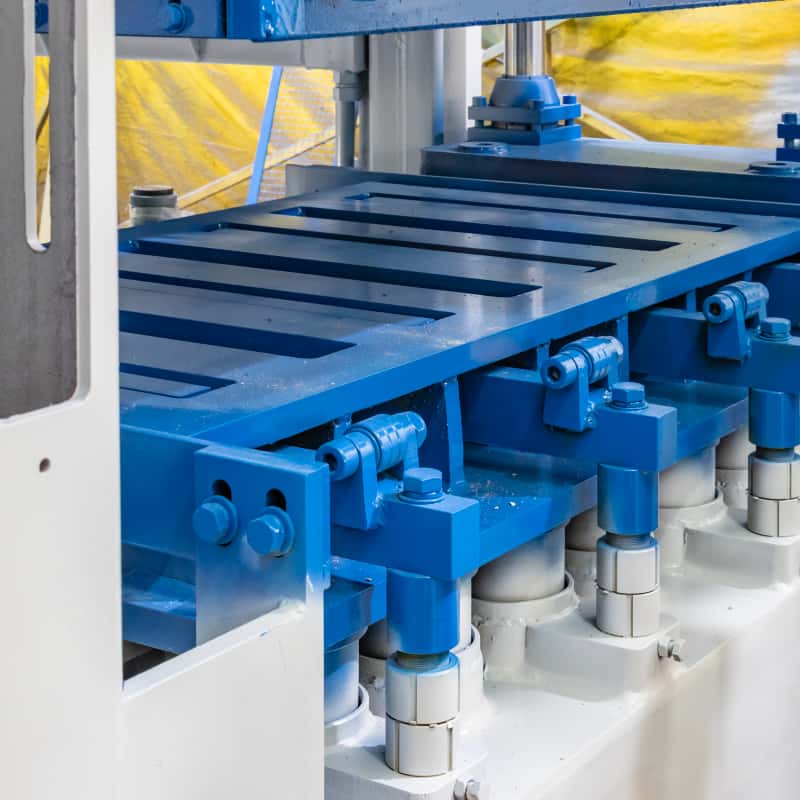
Even the most advanced vibration system requires regular maintenance to deliver consistent performance. Bearings, vibration shafts, motors, couplings, and mounting bolts should be inspected periodically to ensure that all components remain securely installed and operate smoothly. Loose fasteners or worn bearings can reduce vibration efficiency and eventually affect product quality.
Operators should also pay close attention to changes in machine behavior. Unusual noise, excessive vibration outside the mould area, or inconsistent block appearance may indicate that maintenance or adjustment is needed. Addressing these issues early helps prevent larger mechanical failures and reduces unexpected production interruptions.
Routine maintenance, combined with proper machine adjustment, ensures that the vibration system continues to provide reliable compaction throughout its service life, allowing manufacturers to maintain high-quality production with minimal downtime.
Frequently Asked Questions
Can stronger vibration always increase block strength?
No. Excessive vibration may cause concrete segregation and reduce product consistency. The goal is to achieve proper compaction rather than maximum vibration intensity.
Why do some blocks have rough surfaces or broken corners?
These problems may be related to insufficient vibration, improper concrete moisture content, worn moulds, or incorrect machine adjustments. Several factors should be evaluated together before identifying the root cause.
Does vibration affect production efficiency?
Yes. A properly adjusted vibration system improves compaction, reduces block damage during demoulding, and helps maintain consistent product quality, all of which contribute to higher production efficiency.
Should vibration settings be adjusted for different products?
Yes. Hollow blocks, paving stones, kerbstones, and retaining wall blocks all have different shapes and concrete volumes. Adjusting vibration parameters according to the product being manufactured helps achieve the best balance between quality and productivity.
Conclusion
Vibration is one of the most important factors influencing the quality of concrete blocks. It determines how effectively the concrete is compacted, how much air is removed, and how uniformly the material fills the mould. A well-designed and properly adjusted vibration system produces blocks with higher strength, better dimensional accuracy, smoother surfaces, and greater consistency throughout the production process.
For block manufacturers, understanding the relationship between vibration and concrete compaction is essential for improving both product quality and operational efficiency. Regular maintenance, proper machine adjustment, and suitable vibration settings all work together to ensure reliable production and long-term equipment performance.





 Tel: +86-13905968794
 Email: export@hwmachines.com
 MP/WhatsApp: +86-13905968794
 Manufacturer Address:Nanan,Quanzhou City,Fujian Province,China