Why We Recommend an Oil Cooling System for Hydraulic Block Machines in Hot Climate Regions
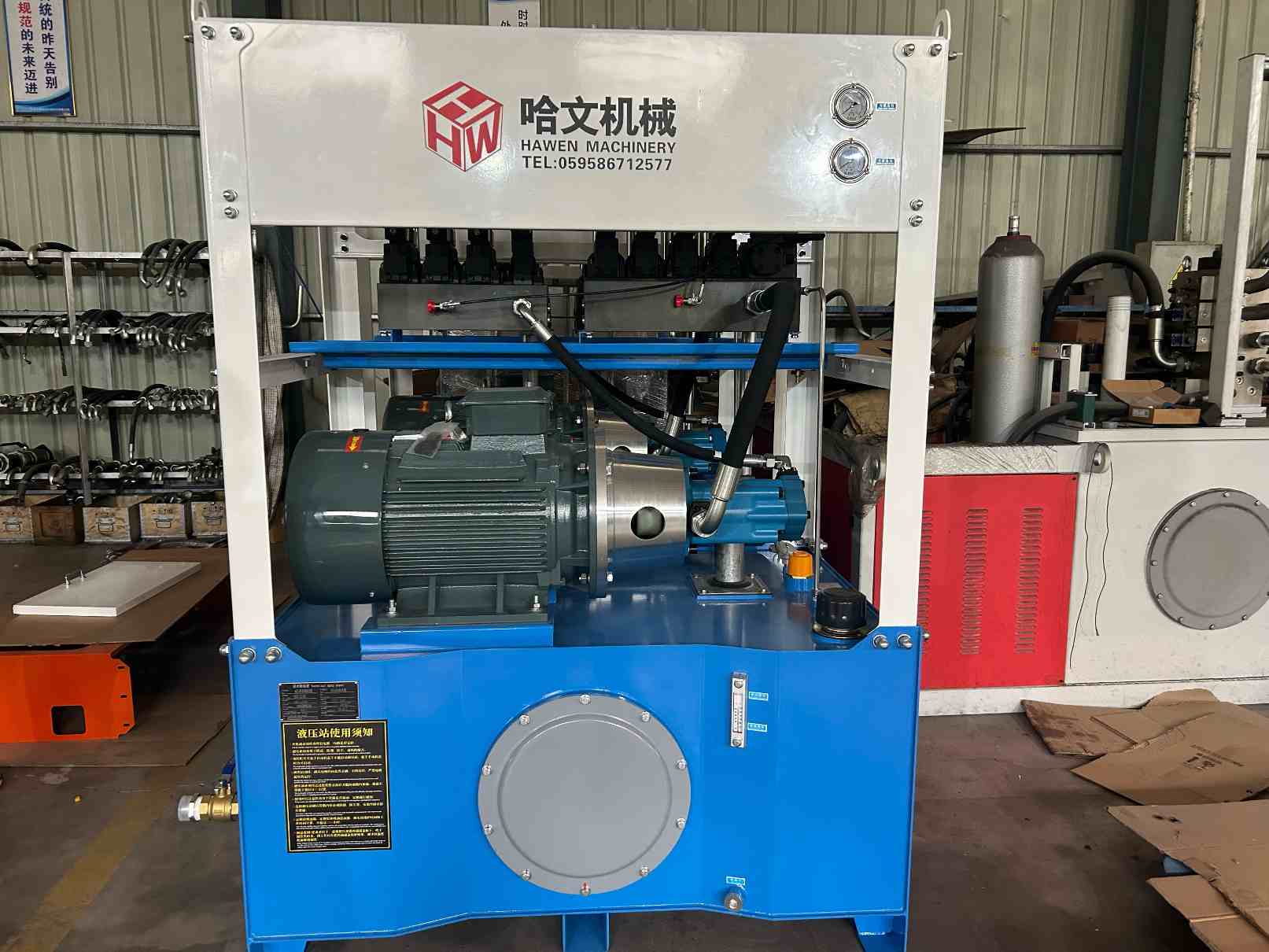
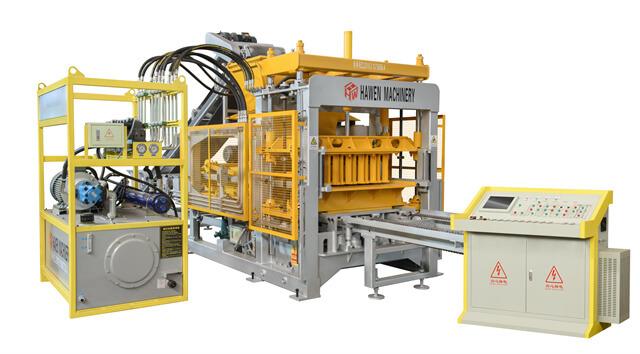
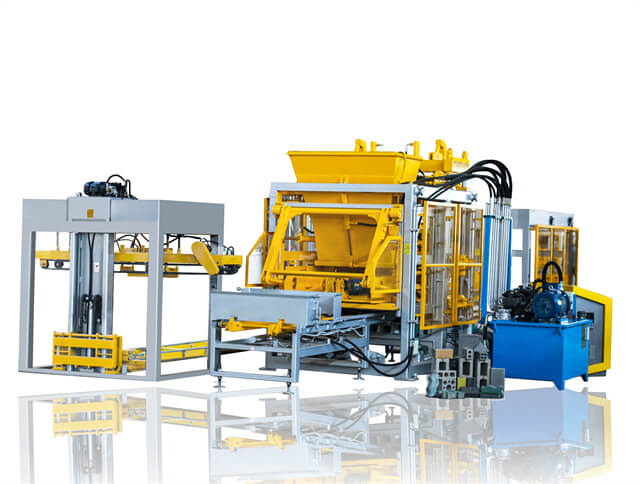
Hydraulic systems are one of the most important parts of an automatic concrete block making machine. During continuous production, hydraulic oil absorbs heat generated by pumps, valves, and cylinders. If this heat is not removed efficiently, excessive oil temperature can reduce machine performance, shorten component life, and increase maintenance costs.
For customers operating in the Middle East, North Africa, and other regions with high ambient temperatures, selecting the appropriate cooling system is especially important. While both oil cooling and water cooling are available, an oil cooling system is generally a more reliable solution under these working conditions.
Contents
Why Hydraulic Oil Temperature Matters
Every hydraulic system generates heat during operation. As hydraulic oil flows through pumps, valves, and cylinders under pressure, energy losses are converted into heat. Under normal conditions, maintaining the hydraulic oil between approximately 35°C and 55°C helps ensure stable viscosity, efficient lubrication, and reliable hydraulic performance.
If the oil temperature remains too high for extended periods, the oil may become thinner, lubrication performance decreases, internal leakage may increase, and hydraulic components can experience accelerated wear.
Challenges in Hot Climate Regions
In many Middle Eastern countries, summer temperatures regularly exceed 40°C (104°F), and in some desert regions, ambient temperatures may reach over 50°C (122°F). Under these conditions, hydraulic systems have less ability to dissipate heat naturally.
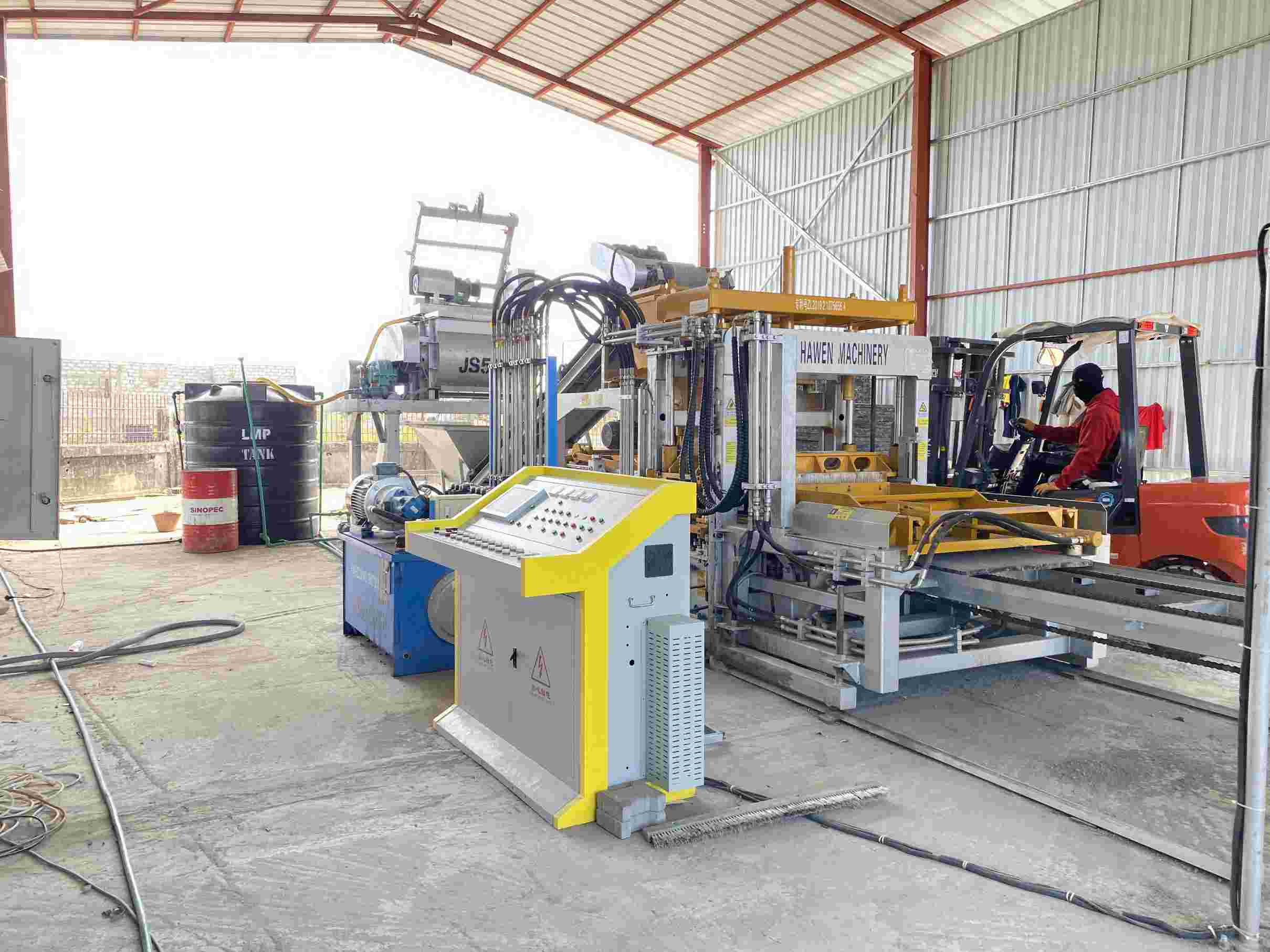
In addition, concrete block factories often operate continuously for long production shifts. Continuous operation combined with high environmental temperatures places significant thermal stress on the hydraulic system, making effective cooling essential for maintaining stable production.
Advantages of an Oil Cooling System
An oil cooling system continuously removes excess heat from the circulating hydraulic oil, helping maintain a stable operating temperature throughout production.
- Maintains stable hydraulic pressure during continuous production.
- Extends the service life of hydraulic pumps, valves, and seals.
- Helps preserve the viscosity and lubrication performance of hydraulic oil.
- Improves overall machine reliability and production consistency.
- Reduces the risk of overheating during long operating hours.
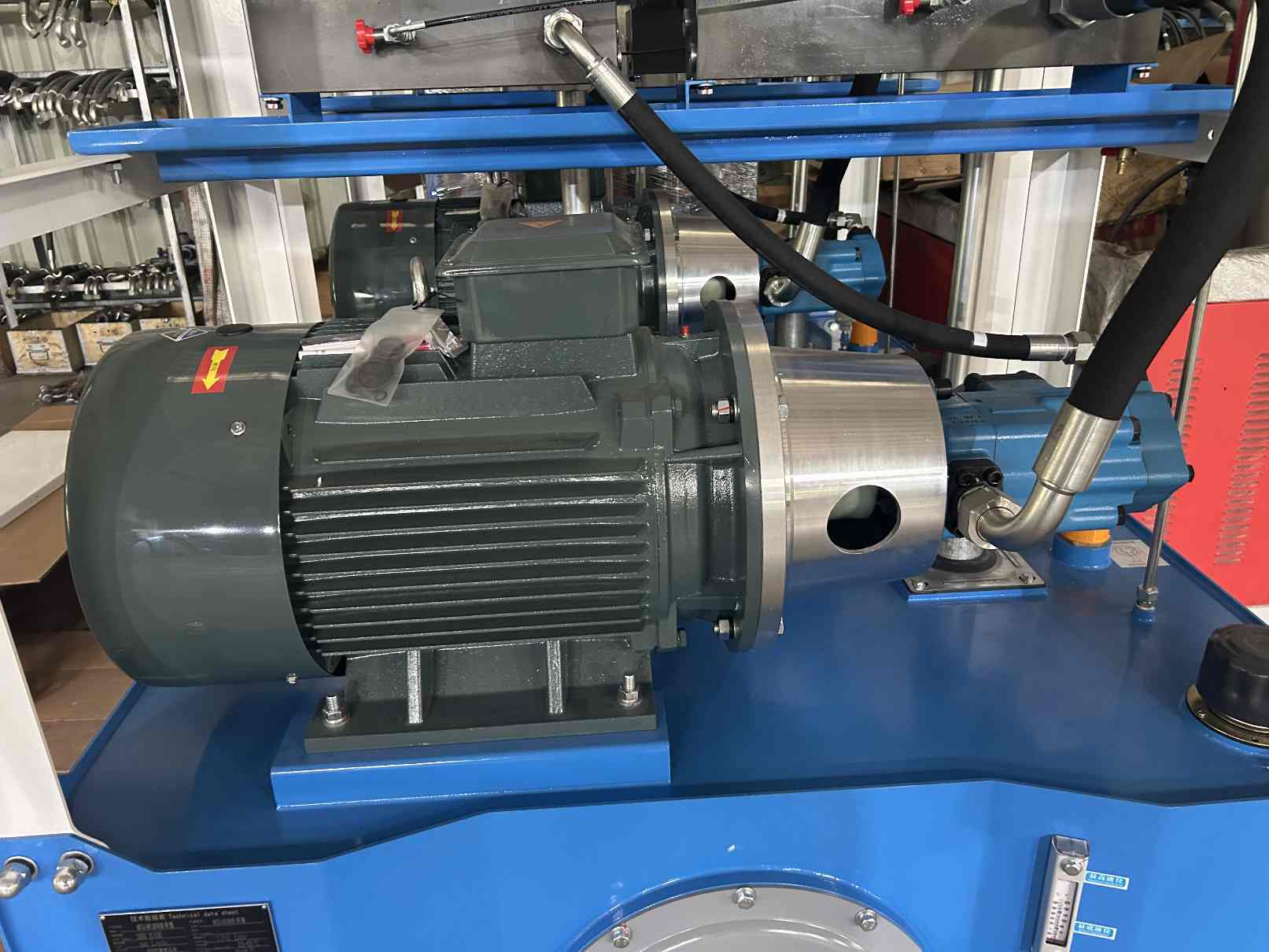
Because the system operates independently of local water quality, it provides consistent cooling performance in a wide range of working environments.
Limitations of Water Cooling
Water cooling can provide effective heat exchange when clean and stable water is available. However, its performance depends heavily on local water conditions and regular maintenance.
In many Middle Eastern regions, fresh water is a valuable resource, and industrial water often contains relatively high levels of dissolved minerals. Over time, these minerals can form scale inside cooling pipes and heat exchangers, reducing cooling efficiency and increasing maintenance requirements.
Water cooling systems also require a continuous water supply. In locations where water availability is limited or unstable, maintaining reliable cooling performance may become more challenging.
Which Cooling System Should You Choose?
The choice of cooling system should be based on local climate, factory operating conditions, and available utilities. For customers located in regions with high ambient temperatures, long production shifts, or limited water resources, an oil cooling system is generally the preferred solution due to its stable performance and lower dependence on external water conditions.
For projects located in moderate climates with abundant, clean water and proper maintenance capabilities, water cooling may also be a practical option. Evaluating the local working environment before selecting the hydraulic cooling system will help ensure reliable long-term operation.
Frequently Asked Questions
What is the recommended hydraulic oil temperature?
Most hydraulic systems operate efficiently when the oil temperature is maintained between 35°C and 55°C. The exact range may vary depending on the hydraulic oil specification and machine design.
Does every block machine require an oil cooling system?
Not necessarily. Machines operating in moderate climates or with relatively short daily operating hours may not require additional oil cooling. However, for high-capacity automatic production lines working in hot environments, a cooling system is strongly recommended.
Can water cooling completely replace oil cooling?
Water cooling can be effective under suitable conditions, but its performance depends on water quality, water availability, and regular maintenance. In regions where these conditions cannot be guaranteed, an oil cooling system is generally a more reliable choice.
Conclusion
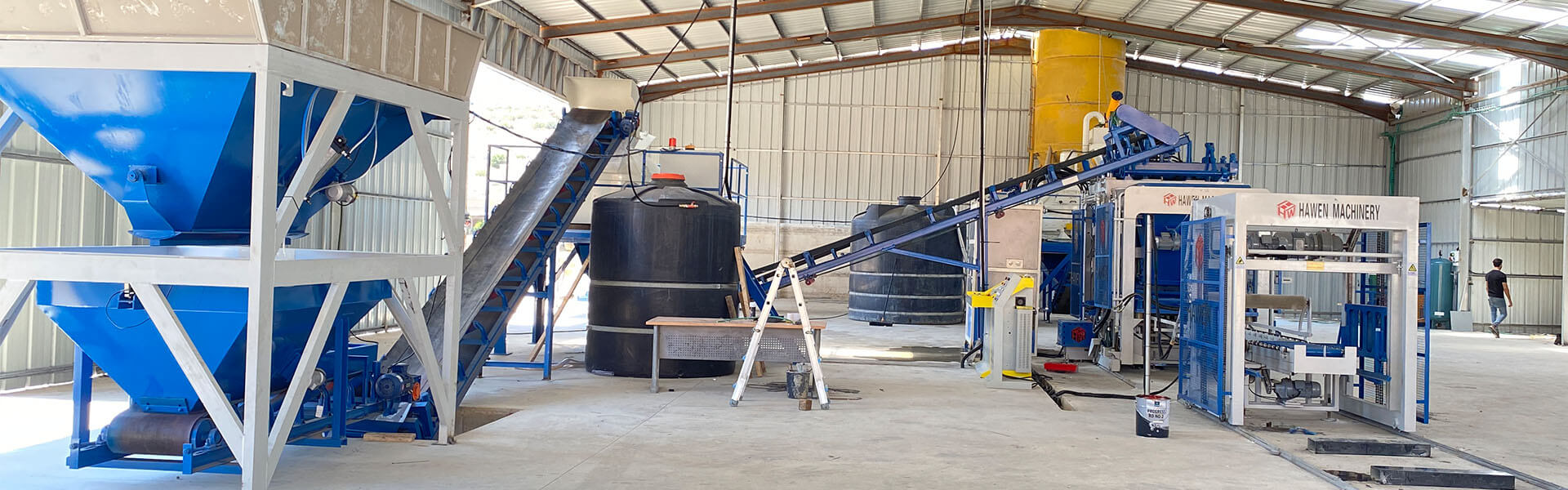
An efficient hydraulic cooling system plays an important role in maintaining the stability and service life of a concrete block making machine. For customers operating in hot climate regions such as the Middle East, an oil cooling system offers greater reliability by reducing dependence on local water conditions while helping maintain stable hydraulic performance during continuous production.





 Tel: +86-13905968794
 Email: export@hwmachines.com
 MP/WhatsApp: +86-13905968794
 Manufacturer Address:Nanan,Quanzhou City,Fujian Province,China