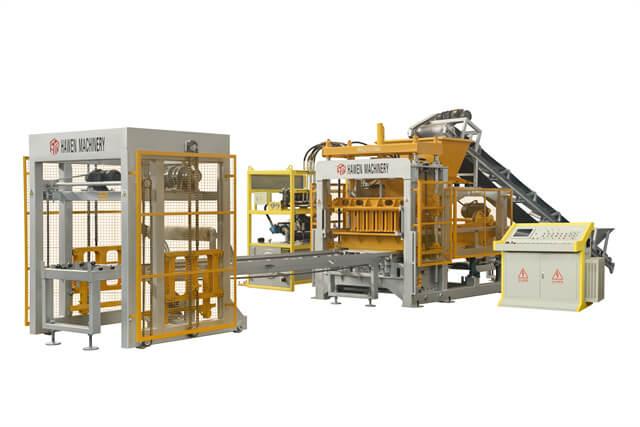
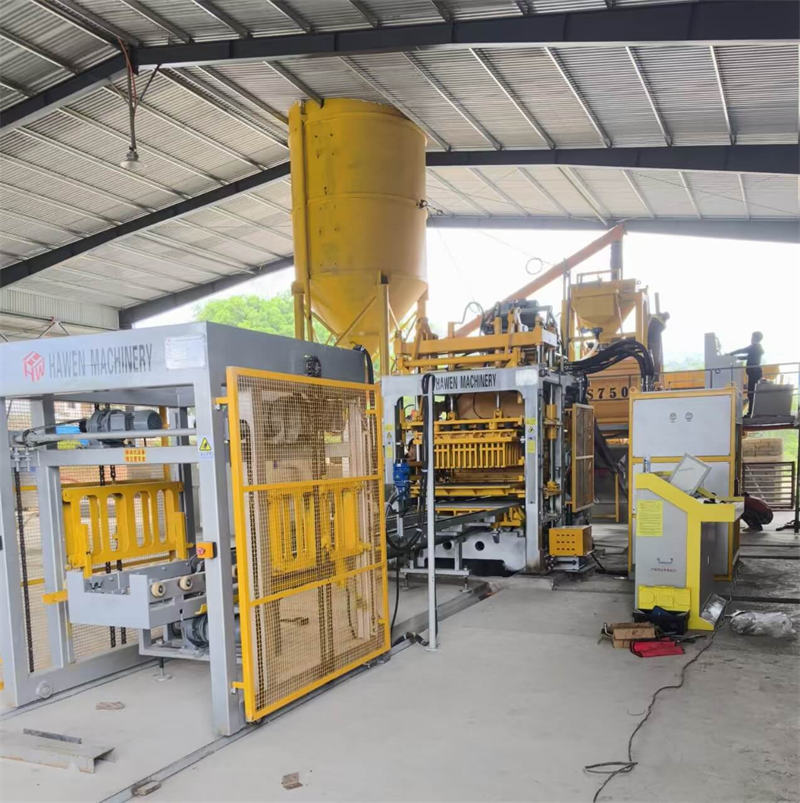
Curing rack and pallet return flow decide whether an automatic block machine can keep running after the first pallets are full. If racks are too far away, forklift routes are crowded, or pallets do not return on time, the brick machine line stops even when the main machine is ready.
Why curing flow matters
Fresh blocks are still weak after demoulding. They need support, stable movement, and controlled curing. A good GMT pallet helps, but the plant must still move pallets gently and return them quickly enough for the next cycle.
If curing flow is poor, products may be moved too early, stacked unevenly, or delayed in the machine area. This causes cracks, chipped edges, pallet shortage, and lower daily output.
Curing rack layout
Plan rack position according to output, product height, forklift access, curing time, and ventilation. The path from the block making machine to the curing area should be short and flat. Avoid sharp turns and rough ground. Different products from a hollow block mould or interlocking paver mould may need different handling care.
Pallet return planning
Pallet return should not cross raw material feeding if possible. Keep return routes separate from the batching machine, aggregate loading, cement silo, and mixer area. A stable automatic pallet provider helps the brick making machine receive pallets at the correct rhythm.
Count pallets based on machine output, curing time, rack capacity, cleaning time, and safety margin. Too few pallets create stoppage. Too many pallets without rack planning create yard chaos.
Handling and quality
Forklift speed, rack alignment, pallet cleanliness, and curing environment all affect product quality. For kerbstones from a curb stone mould, avoid impact at corners. For pavers, protect surface appearance and color consistency.
An offline palletizing system can reduce manual handling after curing. The concrete mixer and forming machine then keep working while cured products move to the next stage.
Hawen Machinery layout advice
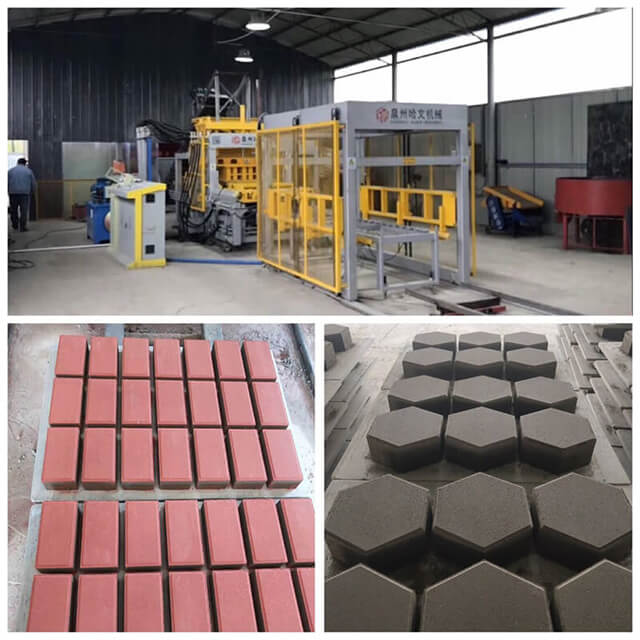
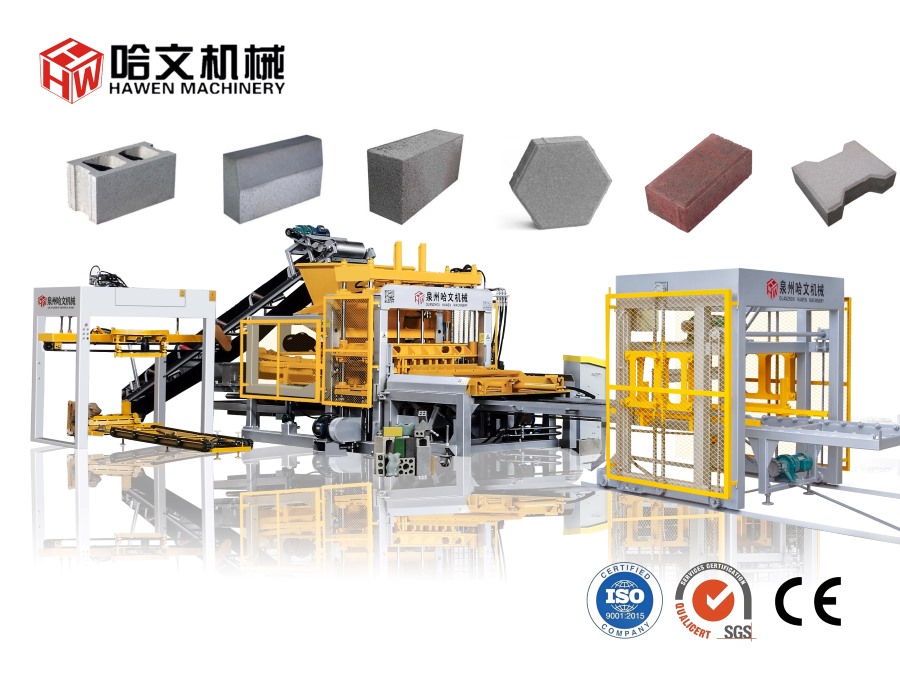
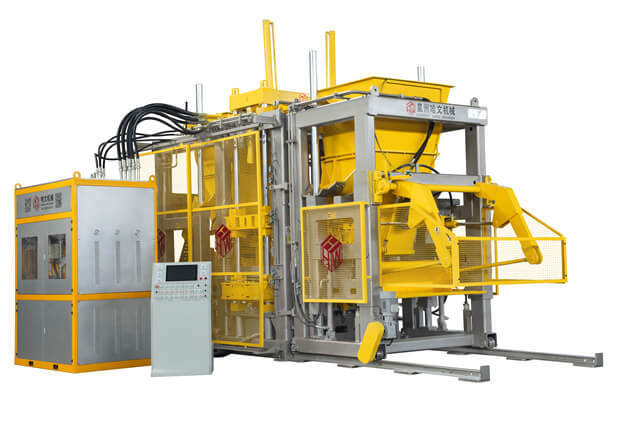
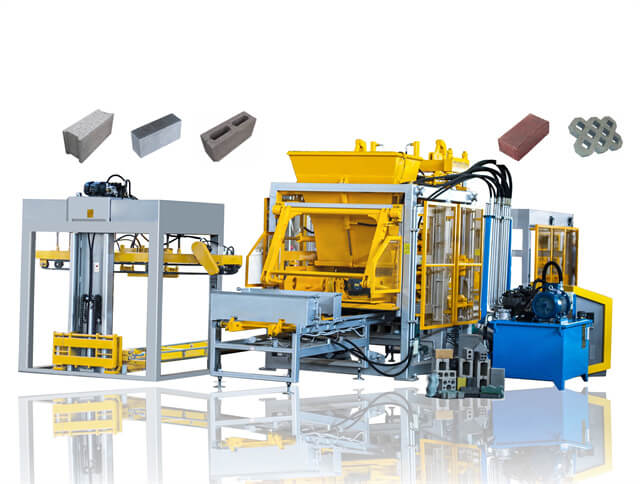
Hawen Machinery reviews forming, pallet supply, curing, return flow, and palletizing together. The SIEMENS S7-200 PLC and remote monitoring support real-time status review. Hawen's four-shaft vibration box helps form dense products, while careful curing flow protects them after demoulding.
A curing rack system is not just storage. It is the breathing space of the plant. When pallet return and curing movement are balanced, the factory produces steadily instead of stopping to search for empty boards.
FAQ
How many pallets do I need?
It depends on output, curing time, rack capacity, product type, and pallet return speed.
Can poor curing flow reduce output?
Yes. Pallet shortage and blocked routes can stop the machine.
Should pavers and hollow blocks use the same curing layout?
They can share areas, but handling and stacking rules may differ.
What damages fresh blocks during rack movement?
Rough forklift movement, uneven pallets, early movement, and poor rack alignment.
Can automatic pallet supply help?
Yes. It keeps empty pallets arriving at the machine more consistently.
Can Hawen design the curing flow?
Yes. Hawen can match machine output, pallet quantity, curing method, and yard layout.






 Tel: +86-13905968794
 Email: export@hwmachines.com
 MP/WhatsApp: +86-13905968794
 Manufacturer Address:Nanan,Quanzhou City,Fujian Province,China