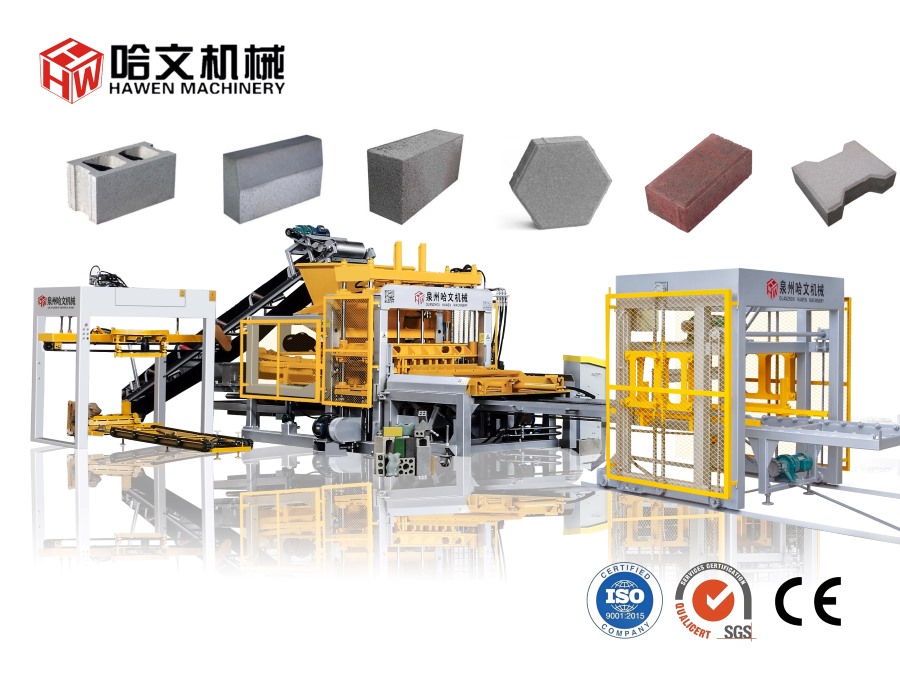
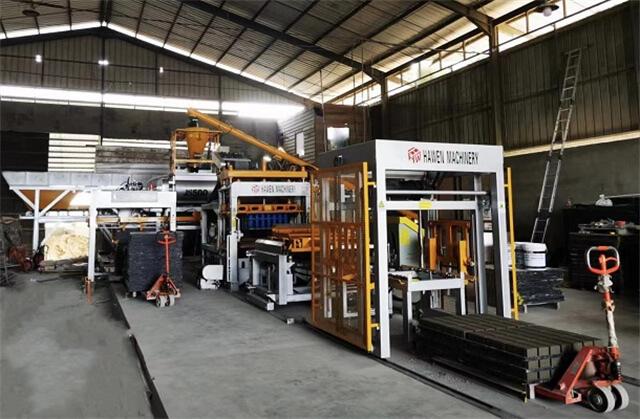
Uneven material feeding in the mold box is one of the most direct causes of height variation, weak corners, rough faces, and broken hollow block webs. The block machine may have enough pressure and vibration, but if one cavity receives too much material and another receives too little, the result cannot be consistent. The same logic applies to a brick machine line or a brick making machine plant producing pavers, hollow blocks, and solid blocks.
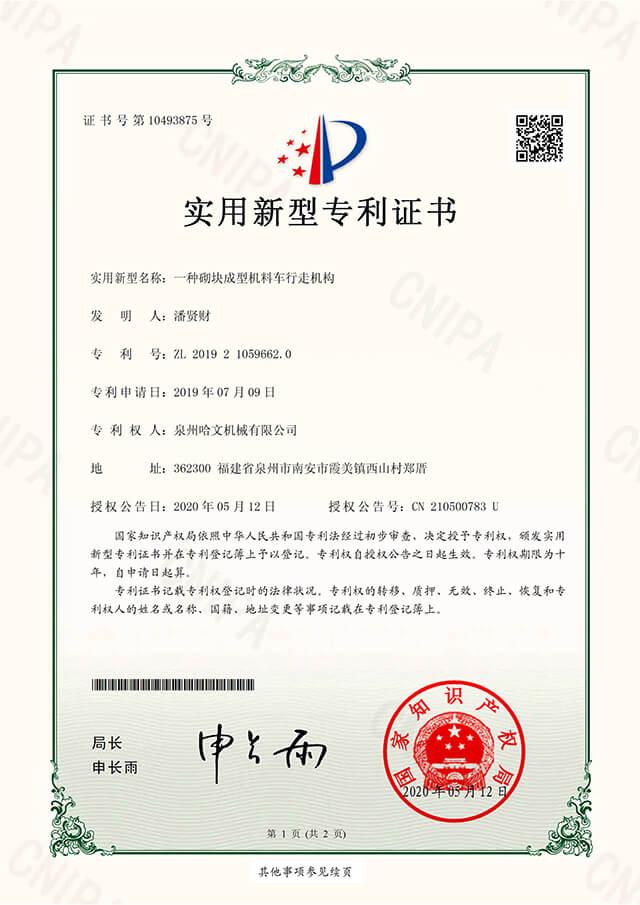
Why feeding balance matters
The mold box distributes concrete before compaction. If feeding is uneven, the hollow block mould may show thin webs on one side. A paver mold may show rough surface zones. A curb stone mould may show density variation along its length.
Feeding balance affects cement consumption too. Operators may increase material amount to fill the worst cavity, but that can create overweight products and waste.
Common causes
Uneven feeding can come from poor mix moisture, segregated aggregate, worn feeding box plates, incorrect feeding time, dirty rails, weak material cart movement, or mold cavity resistance. If the batching machine and concrete mixer are unstable, the feeding box receives material that changes every batch.
A mix that is too dry may not flow into corners. A mix that is too wet may stick to the feeding box. Both conditions create uneven filling.
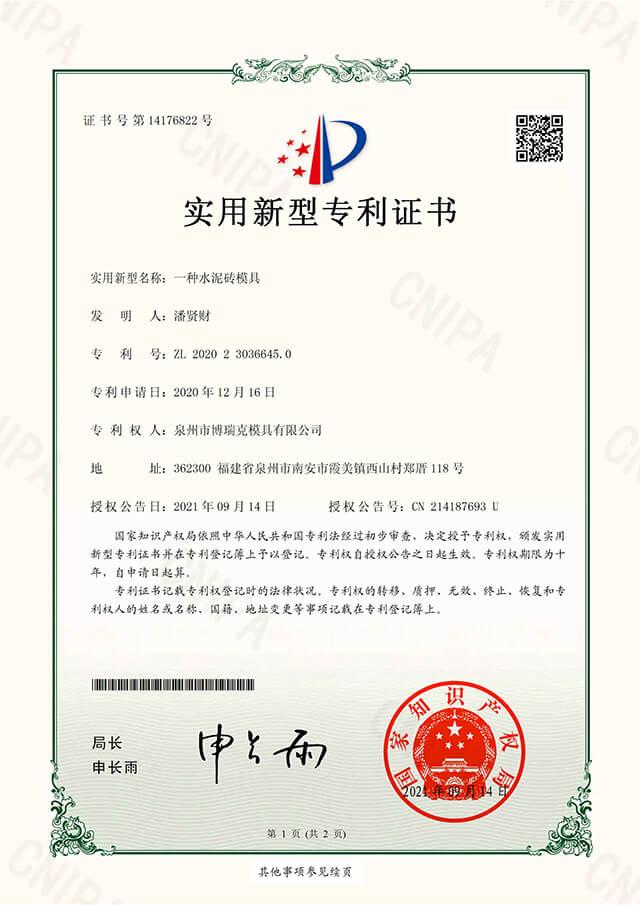
Machine and mold checks
Check feeding box movement, guide rails, scraper condition, vibration table level, pallet position, and mold cleanliness. A precise interlocking paver mould still needs clean cavities and correct feeding speed. The GMT pallet should be flat because uneven pallet support can make feeding symptoms look worse.
Observe the first boards. If the same cavity is always low, check mold and feeding box alignment. If the problem moves randomly, check mix moisture, aggregate segregation, or inconsistent material supply.
Process corrections
Adjust one factor at a time: feeding time, material amount, moisture, vibration pre-time, or scraper condition. Do not change all settings at once. Record the adjustment and compare product height and surface quality after each change.
For automatic plants, the automatic pallet provider should place pallets consistently, and the offline palletizing system should not be blamed for defects that actually begin at feeding.
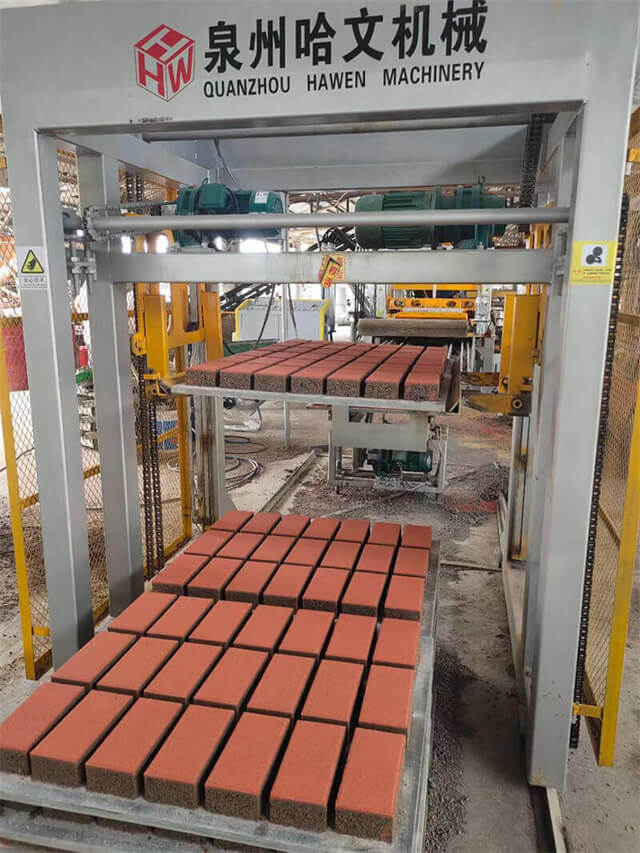
Hawen Machinery feeding control
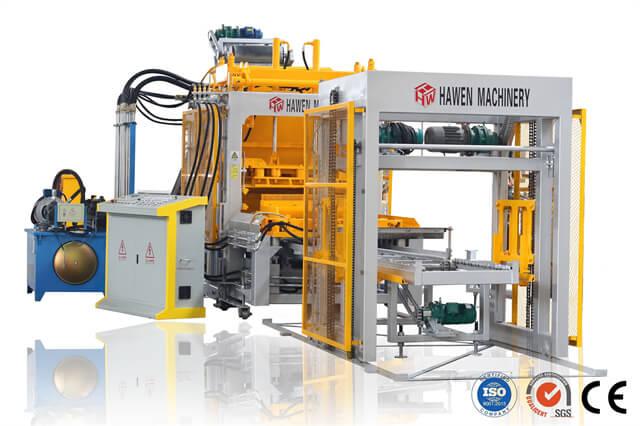
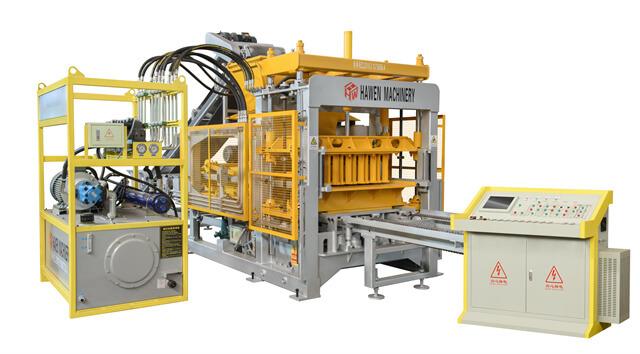
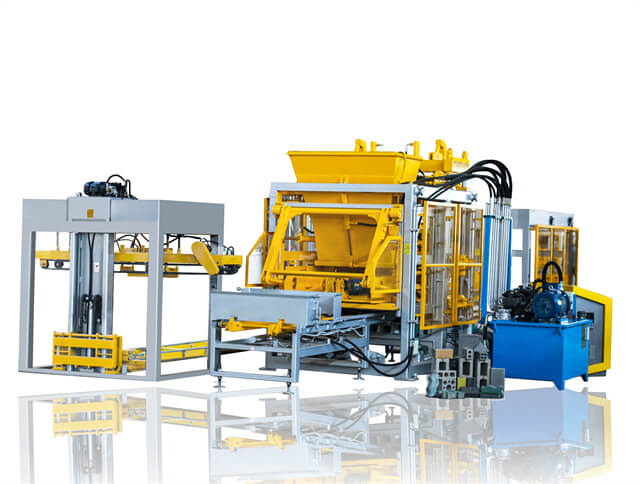
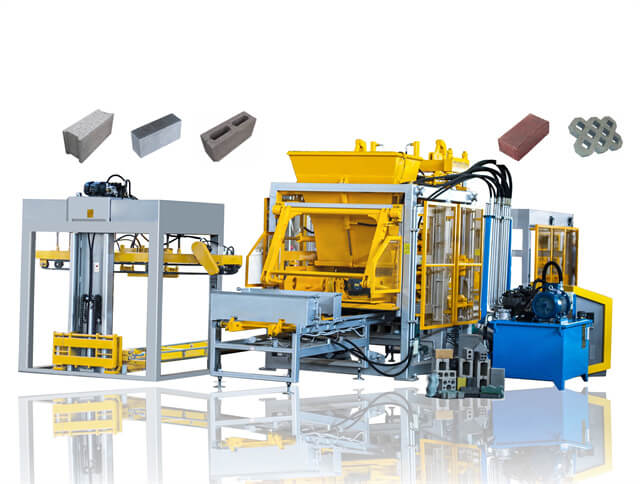
Hawen Machinery designs feeding, vibration, hydraulic movement, and control sequence to work together. The four-shaft vibration box with external eccentric blocks supports uniform compaction after material enters the mold. The hydraulic station uses Japanese YUKEN valves and an American ALBERT pump for stable movement. The SIEMENS S7-200 PLC and touch panel help operators manage parameters and review machine status.
Uneven feeding should be solved at the source. When the mold box receives stable material and distributes it evenly, the block making machine can produce blocks that look consistent because they were formed consistently.
FAQ
Why is one side of the block lower?
The cause may be uneven feeding, mold alignment, pallet position, or local material buildup.
Can more vibration fix poor feeding?
Not reliably. Vibration cannot fully correct cavities that were underfilled before compaction.
Why does wet mix stick in the feeding box?
Excess moisture, fine material, dirty surfaces, or worn plates can increase sticking.
How do I know if the mold is the problem?
If the same cavity fails repeatedly, inspect mold cleanliness, wear, and alignment.
Should feeding settings be recorded?
Yes. Records help repeat good settings after mold changes or product changes.
Can Hawen help optimize feeding?
Yes. Hawen can review material, feeding box movement, mold layout, vibration, and PLC parameters.






 Tel: +86-13905968794
 Email: export@hwmachines.com
 MP/WhatsApp: +86-13905968794
 Manufacturer Address:Nanan,Quanzhou City,Fujian Province,China