An automatic concrete block plant depends on electrical control. Motors, valves, sensors, limit switches, emergency stops, conveyors, mixer controls, and pallet movement must all respond in the correct sequence. If an electrical cabinet or sensor is ignored before startup, a small fault can stop the brick machine in the middle of production.
This guide gives a practical startup inspection method for a block machine plant before regular production begins.

Why startup checks matter
Electrical faults often appear as mechanical problems. A material gate does not open. A conveyor does not start. A pallet does not reach position. A sensor does not detect the mold or board. Operators may blame the block machine, but the real cause may be dust, loose wiring, moisture, wrong sensor distance, or an emergency stop that has not been reset.
A short daily check protects the whole plant. It reduces unexpected stops, improves safety, and helps the operator understand whether the machine is ready before material enters the mixer.
Electrical cabinet inspection
Before opening a cabinet, follow local electrical safety rules and allow only qualified personnel to work on live equipment. Check cabinet cleanliness, cooling fan condition, door seal, cable gland tightness, terminal labeling, and signs of water or dust entry. Keep the area around the cabinet clear.
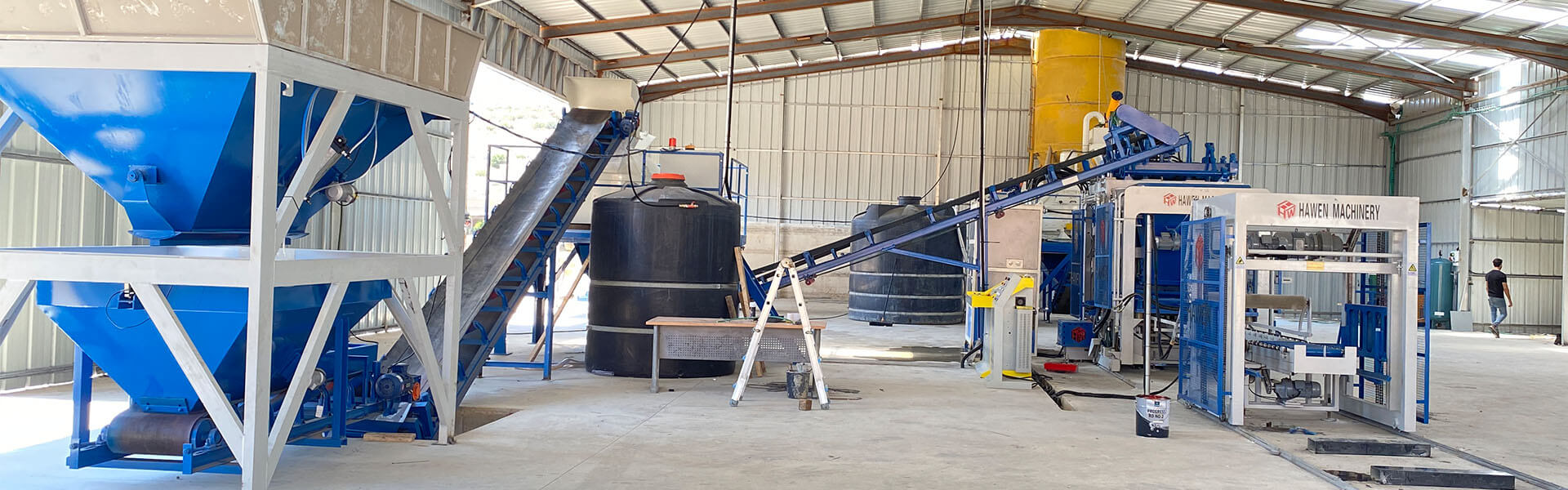
The batching machine, concrete mixer, conveyors, and main machine should have clear control boundaries. If temporary wiring was added during installation, it should be reviewed and corrected before long-term use. Avoid leaving cables where forklifts, pallets, or aggregate can damage them.
Sensor and limit switch checks
Sensors must be clean, fixed, and correctly positioned. Check pallet position sensors, material level sensors, mold position sensors, limit switches, proximity sensors, and safety devices. Cement dust can block sensor faces. Vibration can loosen brackets. Moisture can affect connectors.
Do not bypass a sensor just to keep production running. Bypassing may create a larger fault, especially on an automatic block making machine where many actions depend on sequence confirmation. If a sensor repeats faults, inspect the mechanical position, cable, connector, and PLC input status.
Trial run before production
Run the line empty before feeding concrete. Check the automatic pallet provider, conveyor direction, mixer discharge, machine movement, pallet return, and alarm response. Confirm emergency stops and guards. Then produce a small number of boards and inspect product height, demoulding, and material feeding.
The operator should also confirm that the GMT pallet route is clear and that no cable, sensor bracket, or loose guard interferes with the block making machine sequence.
If the plant uses an automatic offline palletizing system, test stacking sequence after curing products are ready. The startup check should cover the full flow, not only the forming machine.
Hawen Machinery control system
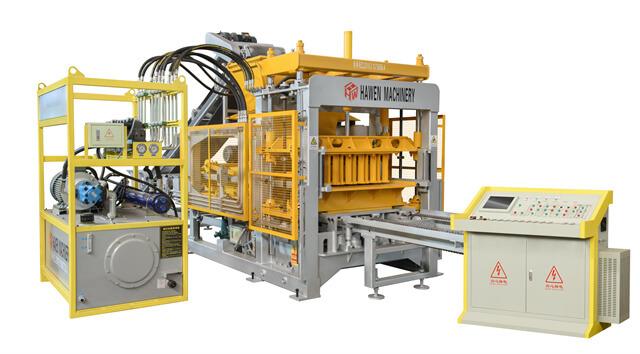
Hawen Machinery integrates a SIEMENS S7-200 PLC with a touch panel and remote monitoring capability. Operators can observe real-time operating status, while engineers can review parameters remotely when support is needed. This helps the factory locate abnormal status faster and keep the brick making machine line stable.
The hydraulic station uses Japanese YUKEN proportional and directional valves with an American ALBERT hydraulic pump. Accurate electrical signals and stable hydraulic response work together. When sensors confirm position correctly, the hydraulic system can move smoothly and protect the product during pressing and demoulding.
Good startup inspection is not delay. It is production insurance. A few disciplined minutes before the first batch can save hours of interruption after the plant is full of wet concrete.
FAQ
Who should inspect the electrical cabinet?
Only qualified personnel should inspect or service electrical cabinets, following local safety requirements.
Why does a sensor fail after cleaning?
The sensor may be moved, wet, disconnected, or covered with residue. Check position, cable, and signal status.
Can I bypass a sensor temporarily?
It is not recommended. Bypassing safety or sequence sensors can cause equipment damage or unsafe movement.
Should the machine be tested empty first?
Yes. Empty running helps confirm sequence, conveyor direction, alarms, and pallet movement before concrete is loaded.
What causes random electrical alarms?
Dust, moisture, loose terminals, vibration, damaged cables, weak sensor brackets, or unstable power can all cause random alarms.
Can Hawen support remote troubleshooting?
Yes. Hawen control systems support remote monitoring and parameter review when the customer needs technical support.





 Tel: +86-13905968794
 Email: export@hwmachines.com
 MP/WhatsApp: +86-13905968794
 Manufacturer Address:Nanan,Quanzhou City,Fujian Province,China