Packaging is the last quality checkpoint before concrete blocks and pavers leave the factory. Poor packaging can damage good products, mix different batches, create delivery disputes, and reduce customer confidence. A modern block machine plant should treat packaging as part of production, not only as a loading task.
This guide explains how to control finished product packaging for hollow blocks, solid blocks, pavers, and kerbstones after they are produced by an automatic brick machine line.
Why packaging control matters
Finished products may be strong enough for use but still vulnerable to careless handling. Pavers can scratch or chip. Hollow blocks can break at webs. Kerbstones can damage corners during forklift movement. Packaging protects the value already created by the brick machine, molds, curing, and inspection.
Good packaging also helps sales. Clean stacks, clear batch labels, stable strapping, and careful loading show customers that the factory controls quality until delivery.
Inspect before packaging
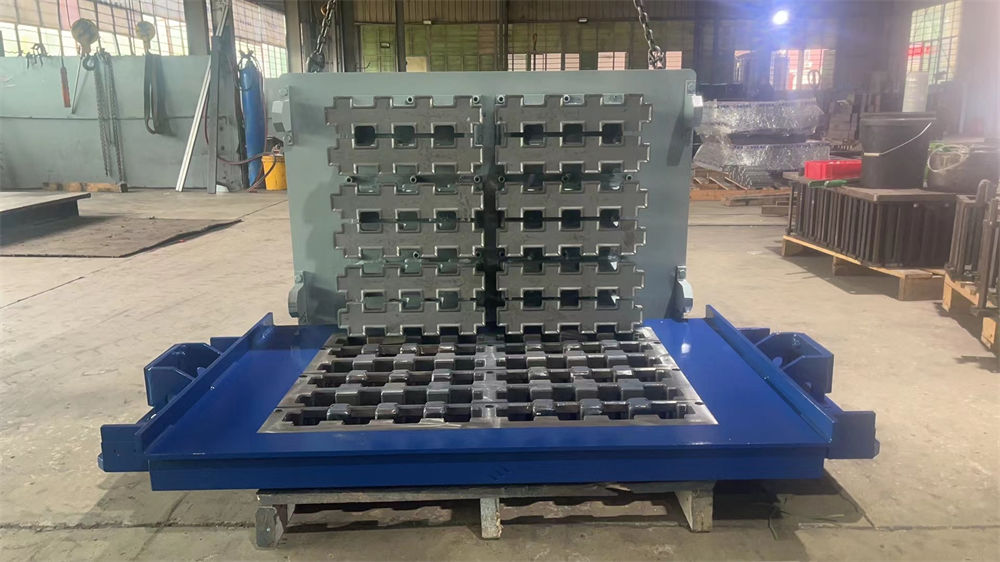
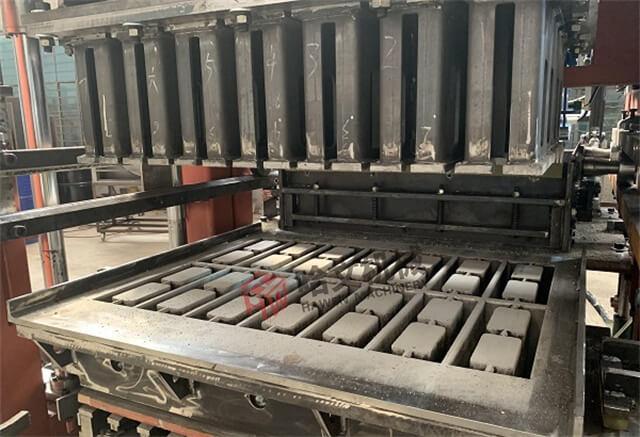
Do not package products before inspection. Check product size, curing status, surface appearance, color, broken edges, and bottom defects. Pavers from an interlocking paver mould should be checked for surface consistency. Hollow blocks from a hollow block mould should be checked for web cracks.
If defects are found, separate rejected products before packaging. A rejected product inside a neat package is still a rejected product. Keep quality decisions before wrapping and loading, not after customer complaints.
Stacking and strapping
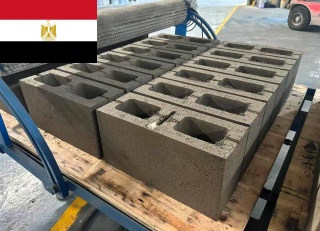
Stacking pattern should match product type. Solid blocks can usually carry load more evenly than hollow blocks. Pavers need surface protection if visible faces touch each other. Kerbstones need edge protection and stable base support. A GMT pallet can support products during curing, but shipping packages may need different support depending on transport distance.
Strapping should hold the package firmly without crushing corners. Use stable layers and avoid unsupported overhangs. If the plant uses an offline palletizing system, the stacking program should match product strength and customer packaging requirements.
Loading and delivery
Forklift operators should lift from stable points, avoid sudden stops, and keep the load level. Truck floors should be clean and strong enough. For long-distance delivery, protect the package from excessive movement and weather. Record product type, quantity, batch, loading date, and destination.
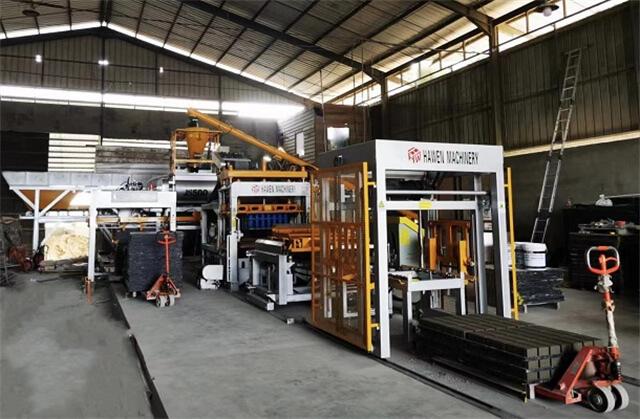
The automatic pallet provider, curing route, and palletizing area should be arranged so packaging does not block fresh production. A blocked loading area can create delays back at the block making machine.
Hawen Machinery solution
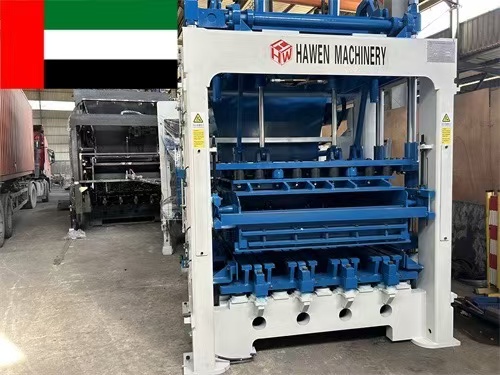
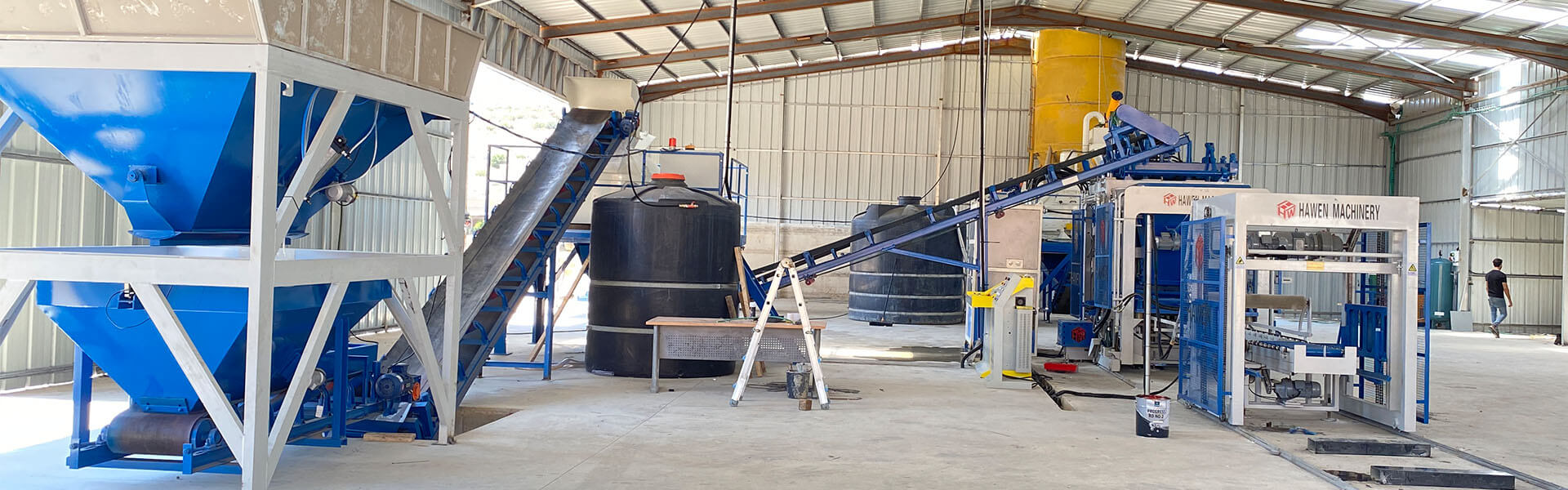
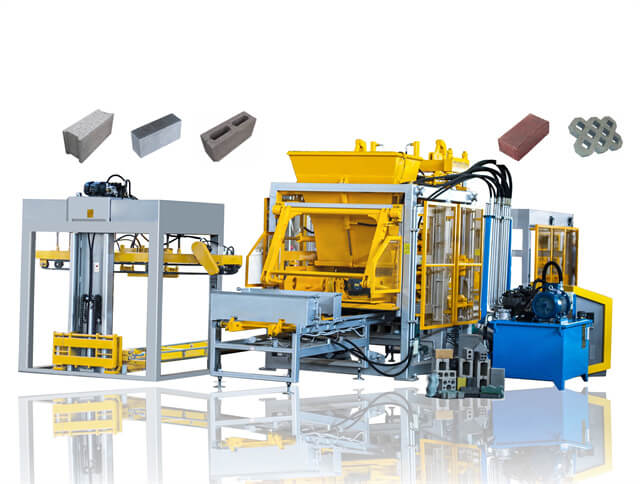
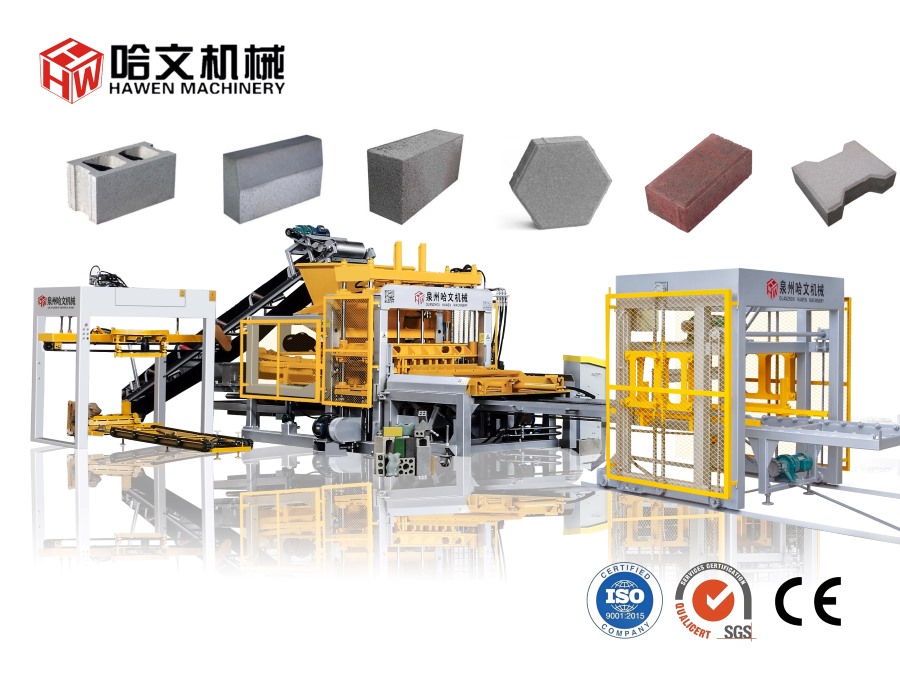
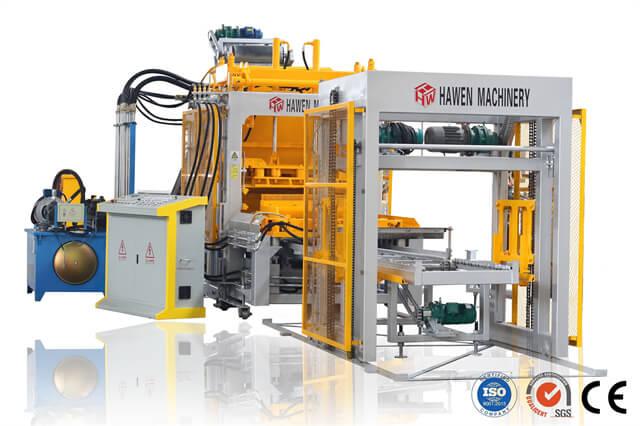
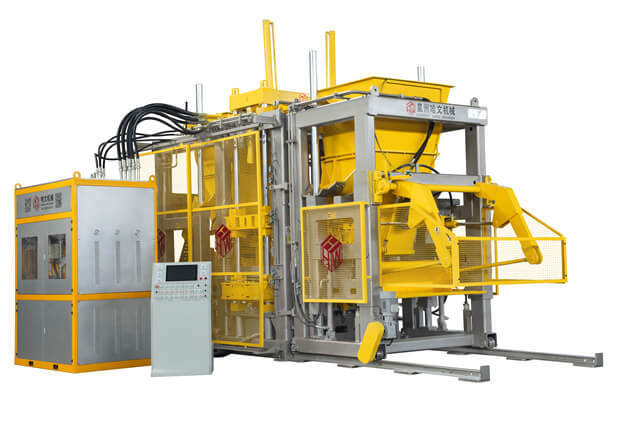
Hawen Machinery can help customers plan production, curing, palletizing, packaging, and delivery as one flow. The recommended block making machine configuration may include batching machine control, concrete mixer capacity, forming, pallet supply, and downstream handling equipment.
If the product line includes decorative pavers, a precise concrete block mould and stable brick making machine parameters should be recorded before packaging standards are finalized.
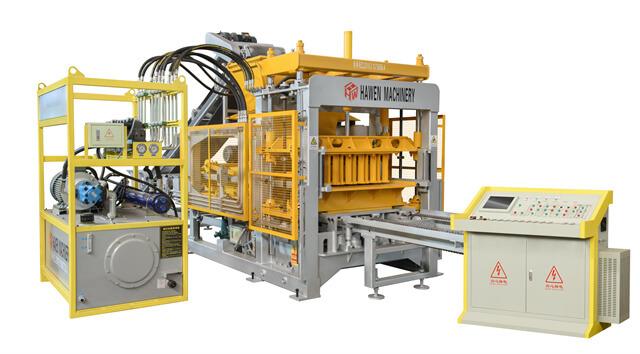
Hawen uses a SIEMENS S7-200 PLC with touch panel and remote monitoring, a hydraulic station with Japanese YUKEN valves and an American ALBERT pump, and a four-shaft vibration box for uniform compaction. These features build product quality; packaging protects it. The final impression of a factory often arrives with the package, not the quotation.
FAQ
When should blocks be packaged?
After they have reached suitable handling condition and passed inspection according to the factory procedure.
Why do pavers chip during delivery?
Common causes include rough stacking, weak strapping, surface contact, forklift shock, or unstable loading.
Should rejected products be packaged separately?
Rejected products should be separated clearly and not mixed with saleable goods.
Can automatic palletizing improve packaging?
Yes. It can improve layer consistency and reduce random manual impact.
Do hollow blocks need special stacking?
Yes. Avoid loading patterns that concentrate pressure on thin webs.
Can Hawen plan packaging flow?
Yes. Hawen can review product type, output, curing, palletizing, and loading requirements.





 Tel: +86-13905968794
 Email: export@hwmachines.com
 MP/WhatsApp: +86-13905968794
 Manufacturer Address:Nanan,Quanzhou City,Fujian Province,China