Mold changeover gives a block plant flexibility, but it can also reduce output if it is not managed well. A factory may stop the block machine for hours because the new mold is not cleaned, lifting tools are missing, parameters are not ready, or the first boards are rejected. Good changeover planning lets the plant produce different hollow blocks, pavers, and kerbstones without turning every change into confusion, especially in a block making machine line with frequent product orders.
This guide explains how to manage mold changeover in an automatic brick making machine line while protecting quality and daily production time.
Why changeover planning matters
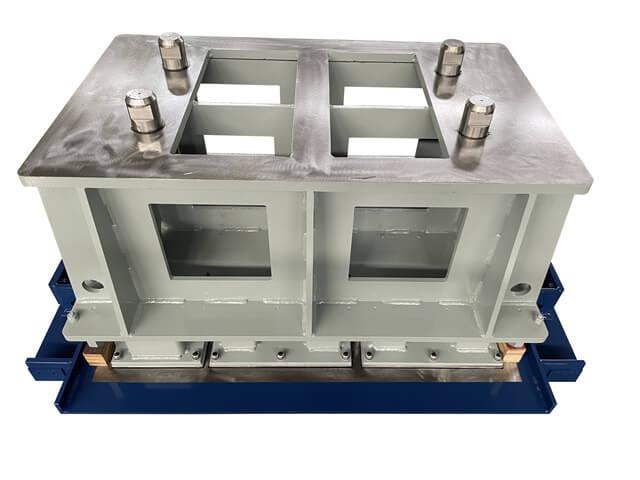
Every mold change affects material demand, cavity filling, vibration, product height, pallet load, curing space, and handling method. A brick machine that runs well with hollow blocks may need different settings for pavers. A kerbstone mold may require different feeding time and more careful handling.
If the plant changes molds randomly, it loses time in cleaning, alignment, trial production, and rework. The better method is to plan production in groups: similar product heights, similar colors, similar curing requirements, and similar pallet handling.
Prepare before stopping
Before the machine stops, prepare the next mold, drawings, bolts, lifting tools, cleaning tools, parameter notes, and trial material. Confirm that the batching machine, concrete mixer, pallet supply, and curing area are ready for the next product. Do not stop production first and then start looking for tools.
The old mold should be cleaned and inspected before storage. Record wear, broken liners, loose parts, and product defects. This helps the factory know whether the mold is ready for the next order.
Install and align the mold
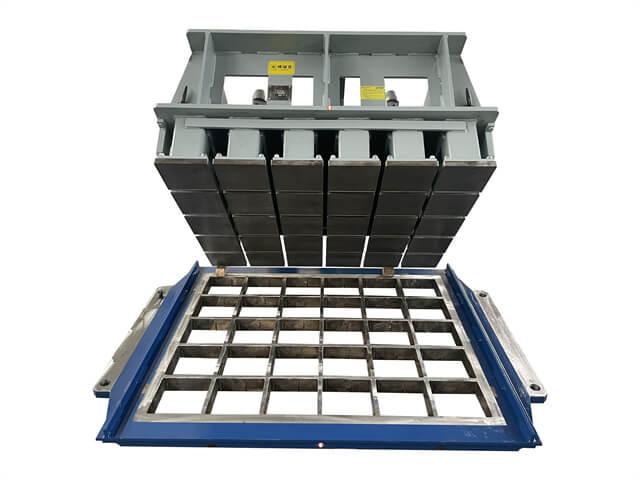
Installation should follow machine instructions and safety rules. Check mold seating, fixing points, tamper head alignment, pallet clearance, material box movement, and sensor position. A small alignment error can create chipped edges, height variation, or abnormal noise.
The GMT pallet condition should also be checked because each mold applies load differently. Thin pavers, tall hollow blocks, and kerbstones do not stress the pallet in the same way.
Trial boards and parameter check
After installation, produce trial boards before normal output. Check filling, vibration, demoulding, product height, edge quality, and bottom surface. Adjust one parameter at a time. If the first product is poor, do not immediately blame the mold. Check moisture, feeding amount, vibration time, pallet flatness, and tamper head movement.
For automatic lines, the automatic pallet provider and offline palletizing system should be tested with the new product size. Handling patterns that work for one product may damage another.
Hawen Machinery mold practice
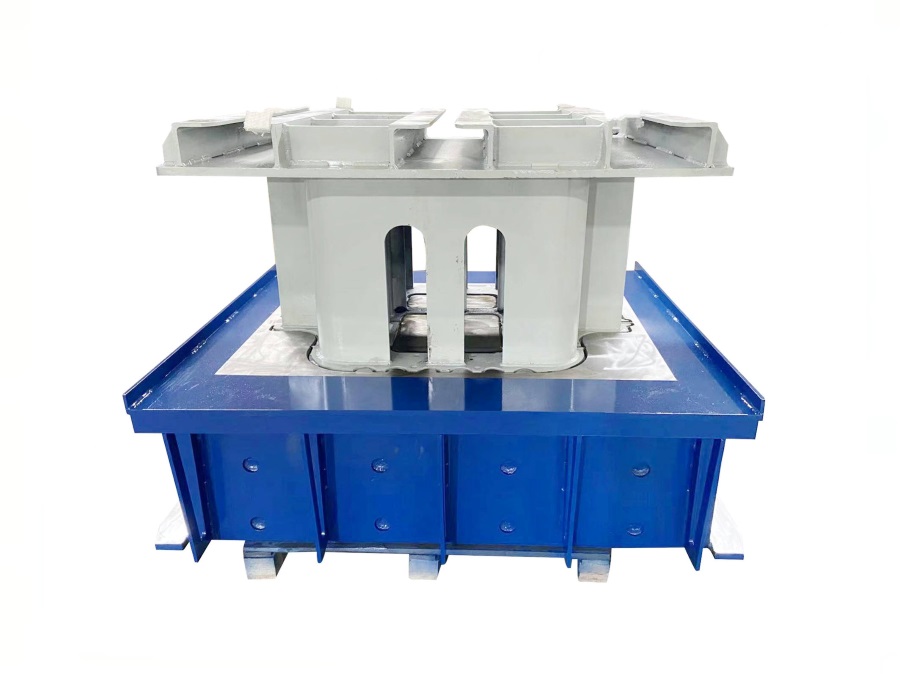
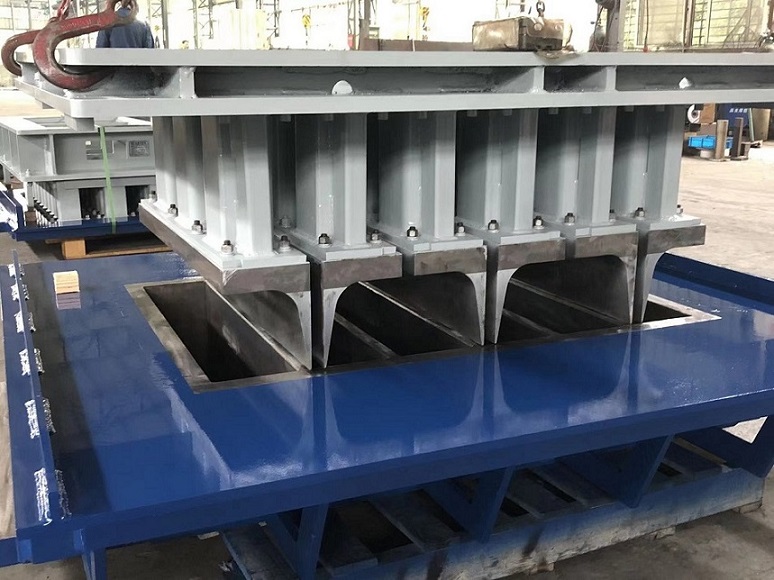
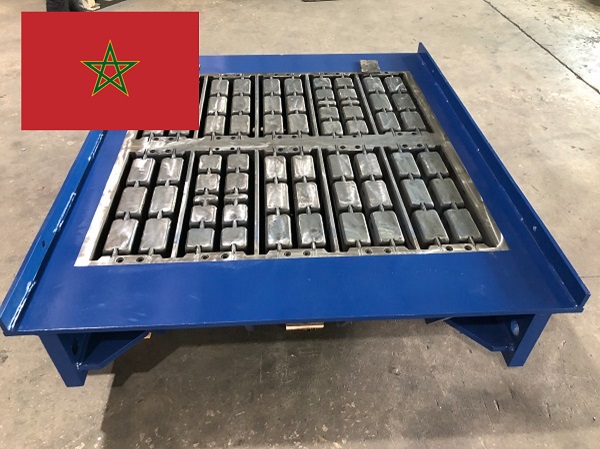
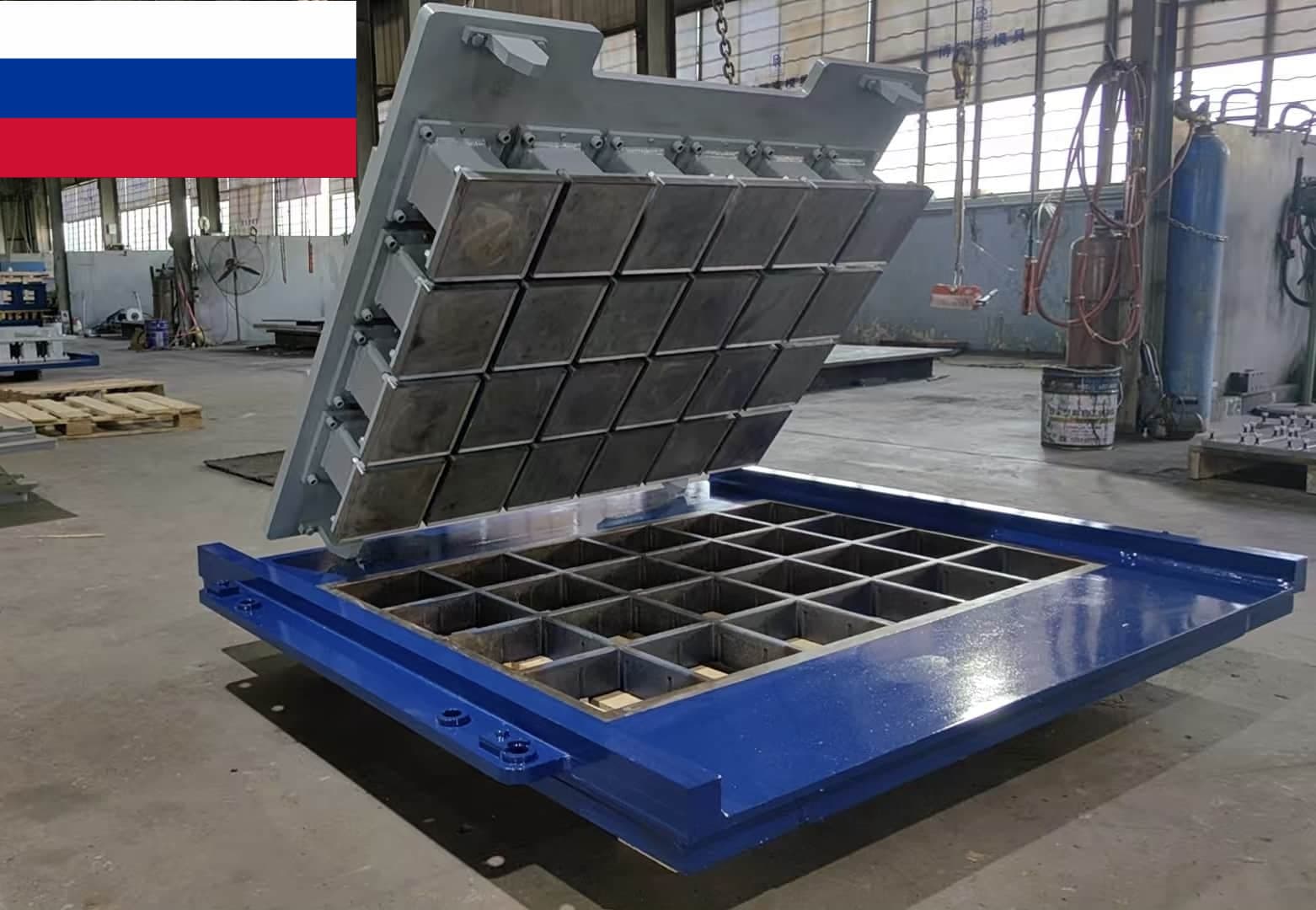
Hawen Machinery designs molds compatible with Masa, Hess, Zenith, Poyatos, Besser, Tiger, Columbia, Quadra, Omag, and other recognized platforms. The molds follow original specifications, are heat-treated to improve wear resistance, and are checked around HRC59-61 hardness. A precise mold helps reduce changeover risk because fit and geometry are more predictable.
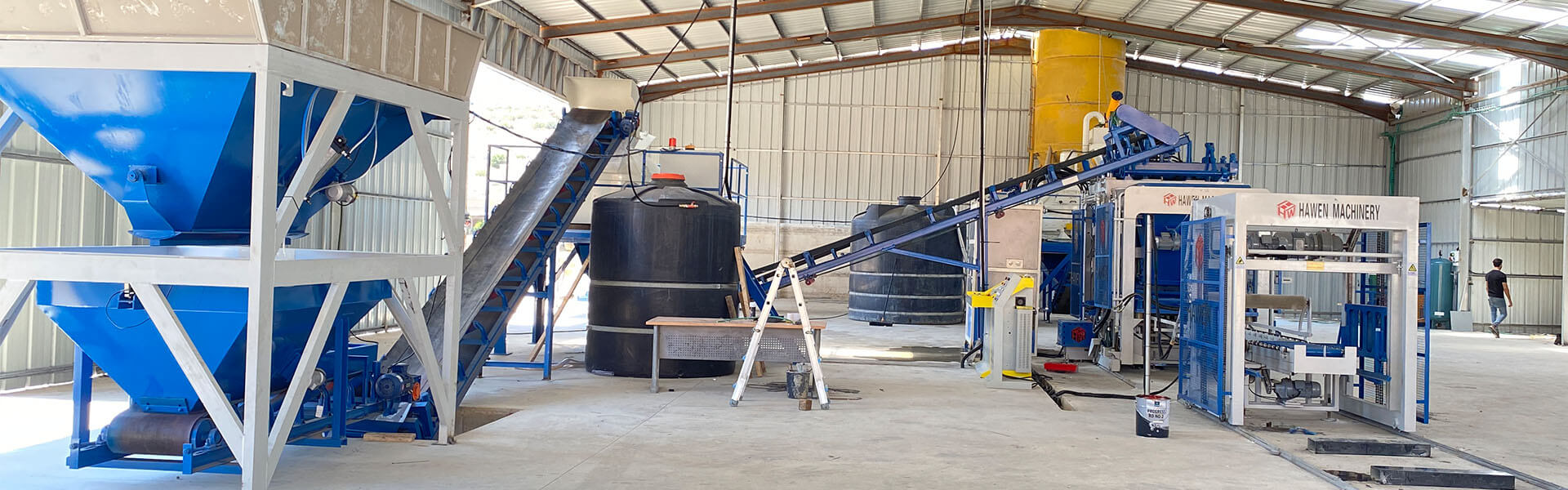
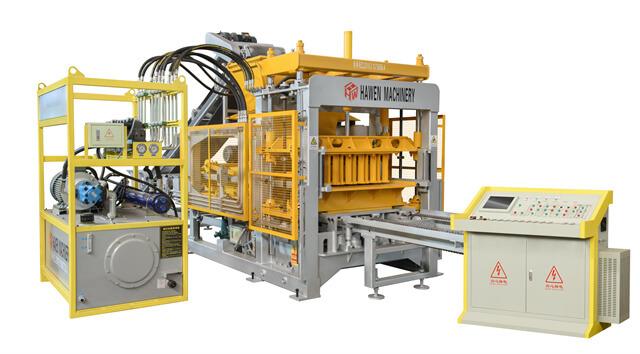
Hawen block machines use a four-shaft vibration box with external eccentric blocks for uniform compaction. The hydraulic station uses Japanese YUKEN valve technology and an American ALBERT hydraulic pump. With SIEMENS S7-200 PLC control and touch panel operation, parameter review becomes clearer after each mold change.
Mold changeover is not lost time when it is planned. It is the factory's doorway to a wider product market. The plants that master changeover do not merely own more molds. They own the ability to respond to customers without losing control.
FAQ
How can I reduce mold changeover time?
Prepare tools, drawings, bolts, lifting equipment, parameter records, and trial materials before stopping the line.
Why do products fail after changing molds?
Common causes include wrong alignment, poor moisture, wrong feeding amount, unsuitable vibration, or pallet clearance issues.
Should every mold have parameter records?
Yes. Records make the next changeover faster and reduce trial waste.
Can one pallet type support all molds?
Sometimes, but pallet flatness and load capacity should be checked for each product type.
Why does the machine sound change after mold installation?
The mold may be loose, misaligned, or contacting the tamper head incorrectly.
Can Hawen make molds for other machine brands?
Yes. Hawen can design molds compatible with major block machine platforms when specifications are confirmed.





 Tel: +86-13905968794
 Email: export@hwmachines.com
 MP/WhatsApp: +86-13905968794
 Manufacturer Address:Nanan,Quanzhou City,Fujian Province,China