Electrical planning should begin before a concrete block machine arrives at the factory. Power cables, grounding, cabinet position, cable trays, motor routes, sensor cables, and emergency stops all affect installation quality and daily safety. A powerful block machine line can still suffer delays if the electrical route is improvised after the equipment is unloaded.
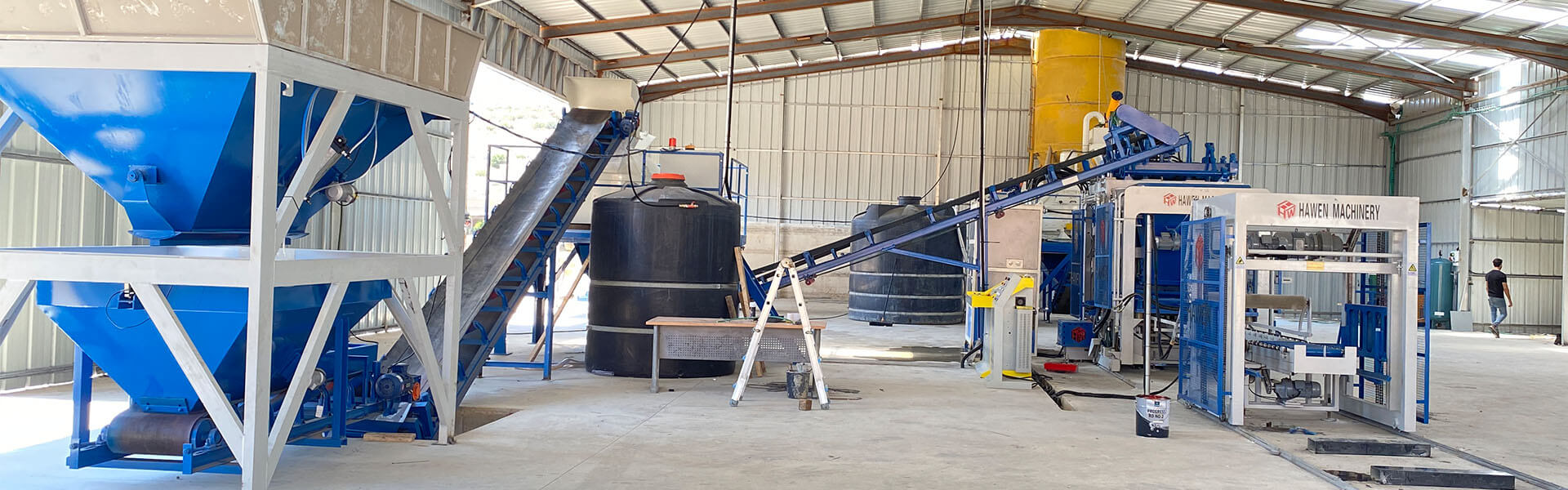
This guide explains how to plan power cables and electrical safety for an automatic brick machine plant, including a full brick making machine line with batching, mixing, forming, and pallet handling.

Why electrical planning matters
An automatic block making machine line includes many electrical loads: mixer motors, conveyor motors, vibration motors, hydraulic station, batching controls, cement screw conveyor, pallet systems, sensors, and control cabinets. If cable sizing, routing, or protection is poor, the plant may face voltage drop, nuisance alarms, motor heating, or unsafe work conditions.
Electrical planning should be handled by qualified local professionals according to local codes and supplier requirements. The equipment supplier can provide power data, but the final site installation must match local standards.
Power load and cable route
Start with the total installed power and the actual running sequence. Not every motor starts at the same time, but starting load, cable length, voltage stability, and protection devices still need careful design. The concrete mixer, batching machine, and main forming machine should have clear power supply planning.
Cable routes should avoid forklift paths, sharp edges, wet areas, and material spill zones. Use cable trays or protected conduits where suitable. Keep sensor cables away from heavy power cables when required to reduce interference. Plan extra route capacity if the factory may later add an automatic offline palletizing system.

Cabinet placement and protection
Electrical cabinets should be visible, accessible, and protected from rain, dust, cement splash, and direct impact. Do not place cabinets where forklifts turn tightly or where aggregate falls from conveyors. Keep doors clear so maintenance staff can inspect terminals, drives, fans, and PLC modules.
The cement silo, screw conveyor, material belts, and pallet route should be arranged so they do not create dust clouds around electrical cabinets. A clean cabinet area helps reduce sensor faults and long-term electrical problems.
Safety and maintenance access
Safety planning should include grounding, overload protection, emergency stops, signage, lockout practice, cable labeling, and dry working areas. Operators should know which faults they may reset and which faults require qualified electrical staff. Temporary wiring should not become permanent wiring.
If the plant uses an automatic pallet provider, pallet conveyors, or a GMT pallet return route, electrical cables should not cross moving paths without protection. Maintenance access should be planned so staff can inspect sensors without climbing into unsafe positions.
Hawen Machinery electrical support
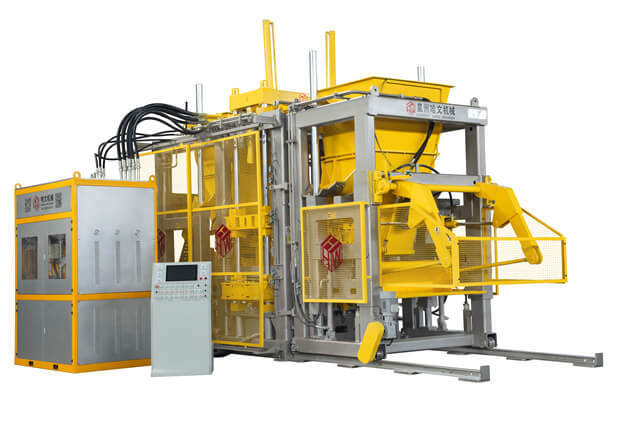
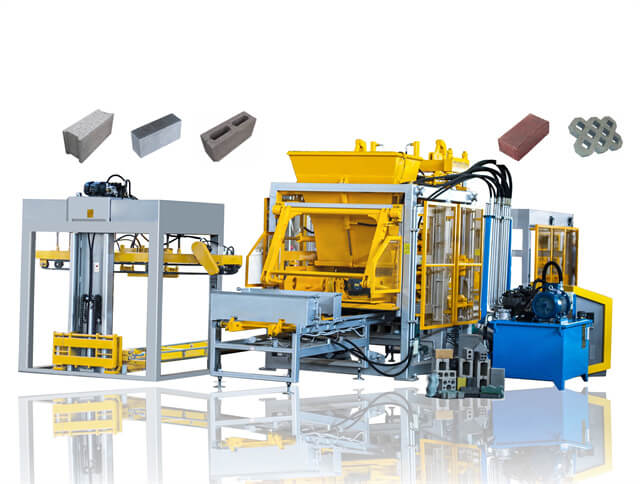
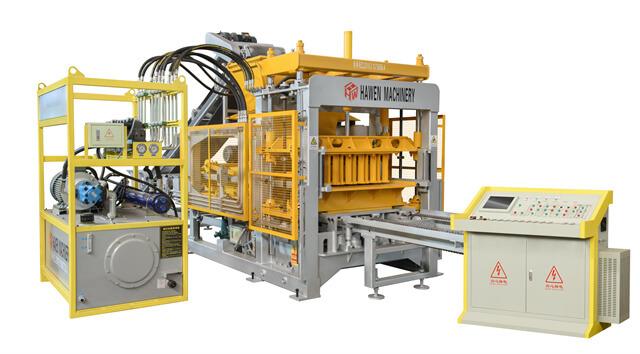
Hawen Machinery provides equipment configuration and electrical requirement guidance for block machine plants. The SIEMENS S7-200 PLC, touch panel, and remote monitoring capability help operators observe machine status and support parameter review. Stable electrical installation allows the control system to work as intended.
The hydraulic station uses Japanese YUKEN proportional and directional valves with an American ALBERT hydraulic pump. The four-shaft vibration box supports uniform compaction. These systems depend on reliable power and safe wiring. Electrical planning is therefore not only an installation task; it is the foundation of stable production.
When cables are protected, cabinets are accessible, and safety rules are respected, the factory becomes easier to start, easier to maintain, and safer to operate. Good electrical planning is invisible when everything works, and painfully obvious when it is missing.
FAQ
Who should design the electrical installation?
Qualified local electrical professionals should design and install according to local codes and supplier requirements.
Can I use temporary cables for production?
Temporary cables may be unsafe and unreliable. Permanent protected routes should be planned before regular production.
Why should sensor cables be separated from power cables?
In some layouts, separation helps reduce interference and signal problems. Follow supplier and electrical design guidance.
Where should the electrical cabinet be placed?
Place it where it is dry, accessible, visible, protected from impact, and away from heavy dust or material spill.
Should future automation be considered in cable planning?
Yes. Leave room for later palletizing, conveyors, or extra equipment if expansion is likely.
Can Hawen provide electrical requirements?
Yes. Hawen can provide equipment power and control information to support site electrical planning.








 Tel: +86-13905968794
 Email: export@hwmachines.com
 MP/WhatsApp: +86-13905968794
 Manufacturer Address:Nanan,Quanzhou City,Fujian Province,China